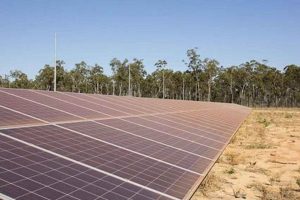
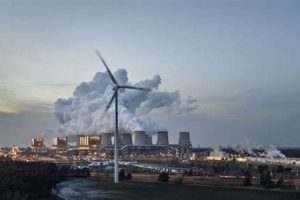
Generating electricity from sources like wind, solar, hydro, and geothermal power inherently involves far fewer greenhouse gas emissions than conventional fossil fuel-based generation. While the manufacturing and installation of renewable energy infrastructure may produce some emissions, operational emissions are minimal. For example, a solar panel produces no emissions while converting sunlight to electricity, unlike a coal-fired power plant which emits significant quantities of carbon dioxide during operation.
Decarbonizing the electricity sector is crucial for mitigating climate change. Transitioning to cleaner energy sources reduces reliance on fossil fuels, lessening air pollution and improving public health. Historically, electricity generation has been a major contributor to greenhouse gas emissions. The development and adoption of renewable energy technologies offer a pathway toward a more sustainable future, lessening environmental impact and enhancing energy security.
The subsequent sections will delve deeper into the lifecycle emissions of different renewable energy technologies, compare them with conventional energy sources, and explore the future role of renewables in a decarbonized world.
Minimizing Carbon Emissions in Electricity Generation
Reducing the carbon footprint of electricity generation is crucial for mitigating climate change. The following tips offer guidance on supporting and promoting lower-emission electricity sources.
Tip 1: Support Renewable Energy Development: Advocate for policies that incentivize the growth of renewable energy technologies like wind, solar, geothermal, and hydropower. This includes supporting research and development, streamlining permitting processes, and implementing carbon pricing mechanisms.
Tip 2: Invest in Energy Efficiency: Reducing overall energy consumption lessens the demand for electricity generation from all sources, including those with higher emissions. Investing in energy-efficient appliances, buildings, and industrial processes decreases the carbon footprint of electricity use.
Tip 3: Explore Distributed Generation: Rooftop solar panels and other forms of distributed generation can reduce reliance on centralized power plants, often fueled by fossil fuels. Distributed generation can also enhance grid resilience and reduce transmission losses.
Tip 4: Advocate for Grid Modernization: A modernized electricity grid is essential for integrating renewable energy sources effectively. This includes investing in smart grid technologies, improving energy storage capacity, and enhancing grid flexibility.
Tip 5: Consider Lifecycle Emissions: When evaluating the environmental impact of different energy sources, consider the emissions associated with the entire lifecycle, from manufacturing and installation to operation and decommissioning.
Tip 6: Promote Sustainable Land Use Practices: Ensure that the development of renewable energy projects minimizes environmental impacts on land use, ecosystems, and biodiversity.
Tip 7: Foster International Collaboration: Addressing climate change requires global cooperation. Sharing best practices and collaborating on research and development of clean energy technologies can accelerate the global transition to low-carbon electricity systems.
By adopting these strategies, individuals, communities, and governments can contribute to a significant reduction in carbon emissions from electricity generation, promoting a cleaner and more sustainable energy future.
These individual actions, combined with broader policy changes, are essential steps towards achieving a sustainable energy future and mitigating the impacts of climate change. The concluding section will summarize the key findings and offer a perspective on the future of decarbonized electricity generation.
1. Embodied Carbon Emissions

Assessing the environmental impact of renewable energy requires considering not only the emissions produced during operation but also those generated throughout the lifecycle of the technology. Embodied carbon emissions represent the greenhouse gases released during the manufacturing, transportation, installation, maintenance, and eventual decommissioning of renewable energy infrastructure. Understanding these emissions is crucial for a comprehensive evaluation of the overall carbon footprint of renewable energy sources and their role in addressing climate change.
- Material Production
The extraction, processing, and manufacturing of raw materials like steel, aluminum, silicon, and concrete for wind turbines, solar panels, and other renewable energy components generate significant emissions. For example, the production of silicon for photovoltaic cells involves energy-intensive processes. Minimizing these emissions through material efficiency, recycling, and the use of lower-carbon alternatives is essential.
- Manufacturing and Assembly
Assembling renewable energy technologies, from welding turbine components to fabricating solar panels, involves energy consumption and associated emissions. Manufacturing processes optimized for energy efficiency and utilizing renewable energy sources in production facilities can reduce the embodied carbon footprint.
- Transportation and Installation
Transporting components from manufacturing sites to project locations and the subsequent installation process contribute to emissions. Optimizing transportation routes, utilizing more efficient modes of transport, and minimizing on-site construction activities can lower the carbon footprint of this phase.
- Maintenance and Decommissioning
While operational emissions are low, maintaining and eventually decommissioning renewable energy infrastructure also generates emissions. Designing for durability, efficient maintenance practices, and recycling or repurposing components at the end of their lifespan contribute to a lower overall environmental impact.
Considering embodied carbon emissions provides a more complete picture of the environmental impact of renewable energy. While these emissions represent a fraction of those associated with fossil fuels over the lifetime of the technology, minimizing embodied carbon through continuous improvement in manufacturing processes, material selection, and end-of-life management is vital for achieving deep decarbonization goals.
2. Operational Emissions

Operational emissions refer to the greenhouse gases released during the energy generation phase of a power plant’s lifecycle. A key distinction between renewable and fossil fuel-based energy sources lies in the significantly lower operational emissions of the former. Fossil fuel power plants release substantial amounts of carbon dioxide during fuel combustion, a primary driver of climate change. Conversely, renewable energy sources like solar and wind generate electricity without directly emitting greenhouse gases during operation. Hydropower, while generally low-emission, can produce methane in certain circumstances due to reservoir decomposition. This difference in operational emissions is central to the discussion of renewable energy’s role in decarbonizing the electricity sector. For example, a wind turbine produces electricity without combusting fuel, resulting in negligible operational emissions compared to a coal-fired power plant.
The minimal operational emissions of renewable energy sources offer a critical advantage in mitigating climate change. This characteristic allows for substantial reductions in greenhouse gas emissions compared to conventional fossil fuel-based generation. While the manufacturing and installation of renewable energy infrastructure contribute some emissions, the operational phase remains comparatively clean. This distinction is vital for policymakers, energy planners, and investors seeking to decarbonize electricity systems and transition to a more sustainable energy future. The continued development and deployment of renewable energy technologies are essential for achieving climate goals and mitigating the impacts of global warming.
Minimizing operational emissions is paramount in addressing climate change. Renewable energy technologies offer a pathway towards decarbonizing the electricity sector by drastically reducing greenhouse gas emissions during power generation. Although considerations like embodied carbon and lifecycle emissions remain important, the negligible operational emissions of renewable energy sources present a compelling argument for their expanded adoption. Understanding the distinction between operational and embodied emissions allows for informed decision-making regarding energy policy and investments, ultimately driving progress towards a cleaner and more sustainable energy landscape.
3. Lifecycle Assessments

Lifecycle assessments (LCAs) play a crucial role in understanding the complete environmental impact of renewable energy technologies, addressing the question of whether they produce carbon dioxide. An LCA quantifies emissions and other environmental impacts across all stages, from raw material extraction and manufacturing to transportation, installation, operation, maintenance, and end-of-life management. This comprehensive approach provides a more accurate picture than focusing solely on operational emissions, which are typically low for renewable energy. For example, an LCA of a solar panel would consider the emissions from silicon production, panel fabrication, transportation, installation, and eventual recycling or disposal. Similarly, an LCA of a wind turbine includes emissions from steel production, component manufacturing, transportation to the site, erection, maintenance, and decommissioning.
LCAs enable comparisons between different renewable energy technologies and conventional energy sources. They also highlight areas for improvement within the supply chain. For instance, an LCA might reveal that a significant portion of a solar panel’s embodied carbon comes from the production of silicon. This knowledge can drive innovation in material sourcing, manufacturing processes, or recycling technologies to further reduce the overall environmental footprint. LCAs contribute to informed decision-making regarding renewable energy development and deployment. They provide data-driven insights for policymakers, investors, and manufacturers to make sustainable choices and optimize the environmental benefits of renewable energy transitions.
By considering the complete lifecycle, LCAs provide a robust framework for evaluating the true environmental impact of renewable energy. They help to identify hotspots of emissions and inform strategies for minimizing the carbon footprint of these technologies. While renewable energy sources generally exhibit lower lifecycle emissions compared to fossil fuels, continuous improvement through LCA-informed decisions is crucial for maximizing their contribution to a sustainable energy future. Challenges remain in standardizing LCA methodologies and ensuring data accuracy, however, ongoing advancements in LCA research and practice are continually refining our understanding of renewable energys environmental performance.
4. Material Sourcing

Material sourcing significantly influences the overall environmental impact of renewable energy technologies, including their carbon footprint. The extraction, processing, and transportation of raw materials used in manufacturing renewable energy components consume energy and generate emissions. Careful consideration of material choices and sourcing strategies is crucial for minimizing the carbon dioxide emissions associated with renewable energy production and maximizing its environmental benefits.
- Raw Material Extraction
The extraction of raw materials, such as silicon for solar panels, rare earth elements for wind turbine magnets, and copper for wiring, can have substantial environmental consequences. Mining operations can consume significant energy, generate greenhouse gas emissions, and impact local ecosystems. For instance, open-pit mining can lead to deforestation, habitat destruction, and soil erosion. Choosing materials with lower environmental footprints and implementing sustainable mining practices are crucial for minimizing these impacts.
- Processing and Refining
Transforming raw materials into usable components for renewable energy technologies requires further processing and refining, often involving energy-intensive procedures. For example, purifying silicon for solar cells requires high temperatures and specialized equipment, generating emissions. Optimizing these processes for energy efficiency and utilizing renewable energy sources in manufacturing facilities can reduce the associated carbon footprint.
- Transportation of Materials
Transporting raw materials and finished components across long distances contributes to emissions. The distance traveled, mode of transport, and fuel efficiency of the vehicles used all influence the carbon footprint of this stage. Prioritizing local sourcing, optimizing transportation routes, and utilizing more efficient modes of transport, such as rail or sea freight, can help minimize emissions.
- Material Selection and Substitution
The choice of materials significantly influences the environmental impact of renewable energy technologies. For example, using recycled materials or alternative materials with lower embodied carbon can reduce the overall emissions. Furthermore, designing for durability and recyclability can minimize the need for future material extraction and processing. Research and development into innovative materials and manufacturing processes are essential for continually reducing the environmental footprint of renewable energy.
By addressing material sourcing challenges through sustainable practices, the renewable energy sector can further minimize its carbon footprint and enhance its contribution to a cleaner energy future. Lifecycle assessments that consider material sourcing in detail can guide decision-making and promote continuous improvement in minimizing the environmental impact of renewable energy technologies. The responsible sourcing of materials is not merely an environmental imperative but also a key factor in ensuring the long-term sustainability and social responsibility of the renewable energy sector.
5. Manufacturing Processes

Manufacturing processes contribute significantly to the overall carbon footprint of renewable energy technologies. While renewable energy sources produce minimal emissions during operation, the production of components like solar panels, wind turbine blades, and hydroelectric dam infrastructure requires energy and resources. This manufacturing phase generates greenhouse gas emissions, primarily carbon dioxide, stemming from various industrial activities.
Several factors influence the emissions intensity of renewable energy manufacturing. The type of material used, for example, plays a significant role. Producing silicon for solar panels involves energy-intensive processes, contributing to emissions. Similarly, manufacturing steel and concrete for wind turbine foundations and hydroelectric dams requires substantial energy input, resulting in carbon dioxide release. The efficiency of manufacturing processes also impacts emissions. Optimized processes minimize energy consumption and waste generation, reducing the overall carbon footprint. Furthermore, the source of energy used in manufacturing facilities matters. Facilities powered by renewable energy sources contribute fewer emissions than those reliant on fossil fuels.
Understanding the emissions associated with manufacturing processes is crucial for accurately assessing the lifecycle emissions of renewable energy technologies. While operational emissions remain negligible, minimizing embodied carbon from manufacturing is essential for maximizing the environmental benefits of renewable energy. Strategies like improving manufacturing efficiency, using recycled materials, and sourcing components from manufacturers powered by renewable energy can substantially reduce the carbon footprint. Continued research and development into innovative manufacturing techniques are also essential for further decarbonizing the renewable energy sector and driving progress towards a sustainable energy future.
6. Transportation Impacts

Transportation plays a significant role in the lifecycle emissions of renewable energy technologies, contributing to the overall carbon dioxide emissions associated with their deployment. While renewable energy generation itself produces minimal operational emissions, the transportation of raw materials, manufactured components, and equipment for installation and maintenance generates greenhouse gases. Understanding these transportation impacts is crucial for a comprehensive assessment of the carbon footprint of renewable energy and for identifying opportunities for emissions reduction.
- Raw Material Transportation
Transporting raw materials, such as silicon for solar panels or iron ore for wind turbine components, from extraction sites to processing facilities contributes to emissions. The distance traveled, mode of transport (truck, rail, ship), and fuel efficiency of the vehicles used all influence the carbon footprint of this stage. For example, transporting materials over long distances by truck typically generates higher emissions than shorter distances by rail.
- Component Delivery
Manufactured components, such as solar panels, wind turbine blades, and hydroelectric turbine parts, often travel significant distances from factories to project sites. Large, heavy components may require specialized transport, further impacting emissions. Optimizing logistics, consolidating shipments, and utilizing more efficient transport modes can help minimize the carbon footprint of component delivery.
- Installation and Maintenance Logistics
Transporting equipment and personnel for installation and maintenance activities also contributes to emissions. This includes vehicles for transporting construction workers, cranes, and specialized tools to project sites. Minimizing on-site travel, utilizing efficient vehicles, and optimizing maintenance schedules can help reduce the emissions associated with these activities.
- End-of-Life Transportation
At the end of their operational life, renewable energy components require transportation for recycling, repurposing, or disposal. Transporting decommissioned wind turbine blades, for example, presents logistical challenges due to their size and weight. Developing efficient transportation and logistics strategies for end-of-life management is crucial for minimizing emissions and promoting circularity in the renewable energy sector.
Minimizing transportation-related emissions is essential for maximizing the environmental benefits of renewable energy. Strategies like optimizing supply chains, utilizing lower-emission transport modes, and promoting local manufacturing can significantly reduce the carbon footprint associated with transportation. A comprehensive understanding of these transportation impacts allows for informed decision-making and contributes to the development of genuinely sustainable renewable energy systems. Addressing transportation challenges through innovative solutions is crucial for achieving deep decarbonization goals and transitioning to a cleaner energy future.
7. End-of-Life Disposal

End-of-life disposal of renewable energy infrastructure represents a crucial aspect of its overall environmental impact, including its contribution to carbon dioxide emissions. While renewable energy technologies offer significant advantages during operation due to minimal greenhouse gas emissions, the decommissioning and disposal of components at the end of their lifespan can generate emissions if not managed responsibly. Addressing end-of-life disposal practices is essential for minimizing the carbon footprint of renewable energy and ensuring its long-term sustainability.
- Recycling and Material Recovery
Recycling components like steel, copper, and aluminum from wind turbines and solar panels reduces the need for virgin material extraction, lowering energy consumption and emissions associated with mining and processing. Recycling solar panel components, for example, can recover valuable materials like silicon and silver, reducing the demand for new resources. Effective recycling programs are essential for maximizing material recovery and minimizing landfill waste.
- Component Repurposing and Reuse
Repurposing or reusing components extends their lifespan and avoids the emissions associated with manufacturing new components. For instance, retired wind turbine blades can be repurposed for pedestrian bridges or noise barriers. Finding innovative applications for decommissioned components contributes to a circular economy and minimizes waste generation.
- Landfill Disposal and Emissions
Landfilling decommissioned components can lead to environmental problems, including the release of greenhouse gases like methane from decomposing materials. Landfill disposal also represents a loss of valuable resources that could be recovered through recycling or repurposing. Minimizing landfill disposal through effective end-of-life management strategies is crucial for reducing the environmental impact of renewable energy.
- Transportation and Logistics
Transporting decommissioned components to recycling facilities, repurposing locations, or landfills contributes to emissions. The distance traveled, mode of transport, and logistical challenges associated with transporting large components like wind turbine blades influence the emissions generated during this phase. Optimizing transportation routes and utilizing efficient logistics can help minimize the carbon footprint of end-of-life transportation.
Effective end-of-life management is crucial for mitigating the environmental impact of renewable energy and minimizing its contribution to carbon dioxide emissions. Prioritizing recycling, repurposing, and responsible disposal practices reduces the need for new materials, minimizes landfill waste, and lowers emissions associated with transportation and manufacturing. A comprehensive approach to end-of-life management ensures the long-term sustainability of renewable energy and maximizes its contribution to a cleaner energy future. Developing innovative solutions for end-of-life disposal, including advanced recycling technologies and creative repurposing applications, will further reduce the environmental footprint of renewable energy and contribute to a circular economy.
Frequently Asked Questions about Renewable Energy and Carbon Emissions
This section addresses common inquiries regarding the relationship between renewable energy and carbon dioxide emissions, offering clarity on potential misconceptions and providing factual information to foster a deeper understanding.
Question 1: Are renewable energy sources truly zero-emission?
While renewable energy sources produce minimal emissions during operation, some emissions arise from manufacturing, installation, maintenance, and decommissioning. These lifecycle emissions are significantly lower than those associated with fossil fuels.
Question 2: How do the emissions from renewable energy compare to those from fossil fuels?
Lifecycle emissions from renewable energy technologies are substantially lower than those from fossil fuels. Fossil fuels release significant carbon dioxide during combustion, while renewable energy sources avoid this primary source of greenhouse gas emissions.
Question 3: What are embodied emissions, and why are they relevant to renewable energy?
Embodied emissions refer to the greenhouse gases released during the manufacturing, transportation, installation, and decommissioning of renewable energy infrastructure. Considering embodied emissions provides a comprehensive understanding of the overall environmental impact.
Question 4: Does land use for renewable energy projects contribute to carbon emissions?
Land use change associated with renewable energy projects can sometimes result in carbon emissions, particularly if it involves deforestation or disruption of carbon-rich ecosystems. Careful site selection and sustainable land management practices are crucial for minimizing these impacts.
Question 5: How can the carbon footprint of renewable energy be further reduced?
Continuous improvements in manufacturing processes, material selection, recycling technologies, and end-of-life management are essential for further reducing the carbon footprint of renewable energy. Research and development into innovative materials and manufacturing techniques play a vital role.
Question 6: What role do lifecycle assessments play in understanding the environmental impact of renewable energy?
Lifecycle assessments (LCAs) provide a comprehensive evaluation of the environmental impacts of renewable energy technologies across all stages, from material extraction to disposal. LCAs help identify areas for improvement and inform sustainable decision-making.
Understanding the nuances of renewable energy’s carbon footprint is crucial for informed decision-making and effective climate action. While not entirely emission-free, renewable energy sources represent a significant improvement over fossil fuels and play a vital role in decarbonizing the energy sector.
The next section will explore the future of renewable energy and its potential to contribute to a net-zero emissions future.
Conclusion
Exploration of the question “Does renewable energy produce carbon dioxide?” reveals a nuanced reality. While renewable energy sources offer a significant advantage over fossil fuels due to minimal operational emissions, a comprehensive analysis necessitates considering lifecycle emissions. From material sourcing and manufacturing to transportation, installation, and end-of-life management, each stage contributes to the overall carbon footprint. Although these lifecycle emissions are substantially lower than those associated with fossil fuel-based energy, understanding their magnitude and striving for continuous improvement are essential for maximizing the environmental benefits of renewable energy.
The transition to a sustainable energy future requires a commitment to minimizing the carbon footprint of all energy sources, including renewables. Continued investment in research, development, and innovation across the renewable energy lifecycle, from material science to recycling technologies, is crucial. Embracing a lifecycle perspective, coupled with rigorous assessment and continuous improvement, will pave the way for a truly decarbonized energy sector and a sustainable future.