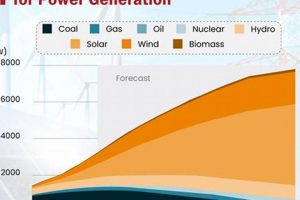
New Jersey’s energy landscape is undergoing a significant transformation, with increasing emphasis on sources that replenish naturally. This shift encompasses diverse technologies, including solar, wind, hydroelectric, geothermal, and biomass, each harnessing distinct natural processes to generate power. For instance, photovoltaic panels convert sunlight directly into electricity, while wind turbines capture the kinetic energy of moving air.
This transition to sustainable power generation offers numerous advantages. It reduces reliance on finite fossil fuels, mitigating the environmental impact of energy production. Furthermore, it fosters economic growth by creating jobs in the burgeoning clean energy sector and enhancing energy independence. Historically, the state has demonstrated a commitment to environmental stewardship, with legislation and initiatives paving the way for the current expansion of renewable energy infrastructure.
The following sections will delve deeper into specific aspects of this evolving energy landscape. Topics include the state’s renewable portfolio standards, incentives for residents and businesses, the role of innovative technologies, and the projected future of sustainable energy in New Jersey.
Tips for Supporting Renewable Energy in New Jersey
Residents and businesses can contribute to a more sustainable energy future through informed choices and proactive measures. The following tips offer practical guidance for supporting the growth of renewable energy within the state.
Tip 1: Explore Residential Solar Installations: Homeowners can significantly reduce their reliance on traditional energy sources by installing solar panels. Net metering programs allow excess generated electricity to be fed back into the grid, potentially offsetting energy costs.
Tip 2: Investigate Community Solar Programs: Community solar projects offer access to solar energy for those who may not be able to install panels directly, such as renters or residents with shaded roofs. Participants subscribe to a share of a solar farm and receive credits on their electricity bills.
Tip 3: Support Renewable Energy Suppliers: Choosing an electricity supplier that prioritizes renewable sources helps increase demand for clean energy, driving further development and investment in the sector.
Tip 4: Advocate for Energy Efficiency: Reducing overall energy consumption lessens the demand on the grid and complements the benefits of renewable energy. Simple steps like using energy-efficient appliances and improving home insulation can make a substantial difference.
Tip 5: Engage in Local Policy Discussions: Staying informed about local energy policies and participating in public discussions helps shape the future of renewable energy development within communities.
Tip 6: Research State Incentives and Rebates: Numerous financial incentives, including tax credits and rebates, are available to encourage the adoption of renewable energy technologies. Staying abreast of these programs can significantly reduce the cost of implementation.
Tip 7: Consider Electric Vehicles: Transitioning to electric vehicles reduces reliance on fossil fuels in the transportation sector, contributing to a cleaner energy future. Charging electric vehicles with renewable energy further enhances this benefit.
By embracing these strategies, individuals and businesses can contribute to a more sustainable and resilient energy system, benefiting both the environment and the local economy. These collective efforts are crucial for accelerating the transition to a cleaner energy future in New Jersey.
This information provides a starting point for individuals and businesses seeking to contribute to the expansion of renewable energy within the state. Further resources and detailed information can be found on the websites of relevant state agencies and renewable energy organizations.
1. Solar Power

Solar power represents a cornerstone of New Jersey’s renewable energy portfolio. The state’s geographic location and policy landscape provide a favorable environment for harnessing solar energy, contributing significantly to its clean energy goals and fostering economic growth.
- Net Metering and Incentives
New Jersey’s net metering policies allow solar panel owners to sell excess electricity back to the grid, offsetting energy costs. Coupled with state and federal incentives, such as tax credits and rebates, these programs make solar installations increasingly attractive for residents and businesses, driving further adoption.
- Community Solar Projects
Community solar initiatives broaden access to solar energy by enabling individuals and businesses without suitable rooftops to participate in shared solar farms. These projects expand the reach of solar power and foster community engagement in renewable energy development.
- Utility-Scale Solar Development
Large-scale solar farms are playing an increasingly important role in meeting the state’s renewable energy targets. These projects generate substantial amounts of clean electricity, contributing to grid stability and reducing reliance on traditional power plants.
- Technological Advancements
Ongoing advancements in photovoltaic technology are improving the efficiency and affordability of solar panels, further accelerating their adoption. Innovations in energy storage solutions, such as battery systems, complement solar power by addressing the intermittency of sunlight.
The continued expansion of solar power within New Jersey holds significant promise for achieving a cleaner, more resilient energy future. Its integration into the state’s energy mix reduces reliance on fossil fuels, stimulates economic growth, and contributes to a healthier environment. As technology advances and policies evolve, solar energy is poised to remain a central component of New Jersey’s renewable energy landscape.
2. Wind Energy

Wind energy represents a significant component of New Jersey’s renewable energy strategy, particularly given the state’s extensive coastline and the potential for harnessing offshore wind resources. Developing this resource offers substantial opportunities for clean energy generation, economic growth, and environmental benefits.
- Offshore Wind Farms
New Jersey is actively developing offshore wind farms, capitalizing on the strong and consistent winds along its coast. These large-scale projects have the potential to generate substantial amounts of electricity, significantly contributing to the state’s renewable energy targets. Projects like Ocean Wind 1 are already underway, demonstrating the commitment to harnessing this resource.
- Economic Impact and Job Creation
The development, construction, and operation of offshore wind farms create numerous job opportunities in various sectors, including manufacturing, engineering, and maintenance. This burgeoning industry contributes to economic diversification and provides skilled employment opportunities within the state.
- Environmental Benefits
Wind energy is a clean and sustainable energy source, emitting no greenhouse gases during operation. Harnessing wind power reduces reliance on fossil fuels, mitigating air pollution and contributing to a healthier environment. Furthermore, careful siting and planning minimize potential impacts on marine ecosystems.
- Grid Integration and Infrastructure Development
Integrating wind energy into the existing power grid requires upgrades and expansion of transmission infrastructure. These investments enhance grid reliability and resilience, facilitating the seamless integration of renewable energy sources and supporting a more robust energy system.
Wind energy, particularly offshore wind, is poised to play a crucial role in New Jersey’s transition to a clean energy future. Its development not only contributes to meeting renewable energy goals but also fosters economic growth and environmental protection. As technology advances and projects progress, wind power will become an increasingly vital component of the state’s energy portfolio, contributing to a more sustainable and resilient energy landscape.
3. Hydroelectric Generation

Hydroelectric generation contributes a modest yet consistent portion of New Jersey’s renewable energy mix. Leveraging the state’s existing water resources, primarily rivers and reservoirs, provides a reliable source of clean electricity. This established technology complements intermittent renewable sources like solar and wind power, enhancing grid stability.
Several hydroelectric facilities operate throughout the state, harnessing the energy of flowing water to generate electricity. These plants range in size and capacity, from smaller run-of-river projects to larger reservoir-based systems. The Merrill Creek Reservoir, for example, provides pumped-storage hydroelectricity, storing energy during periods of low demand and releasing it during peak hours. This capability addresses fluctuations in energy demand and enhances grid reliability. Furthermore, hydroelectric facilities often contribute to other community benefits, such as flood control and water supply management, showcasing the multifaceted value of this resource.
While not a primary driver of renewable energy expansion in New Jersey due to limited opportunities for new large-scale projects, hydroelectric generation remains a valuable component of a diversified portfolio. Its reliability and established infrastructure contribute to a stable energy supply while complementing the growth of other renewable energy sources like solar and wind power. Continued optimization of existing facilities and exploration of potential small-scale hydroelectric projects can further enhance its role in achieving the state’s renewable energy objectives.
4. Biomass Utilization
Biomass utilization plays a niche yet noteworthy role within New Jersey’s renewable energy landscape. This process involves converting organic matter, such as agricultural residues, wood waste, and dedicated energy crops, into usable energy. While its overall contribution to the state’s renewable energy portfolio is currently modest compared to solar and wind power, biomass offers distinct advantages and contributes to a diversified energy mix. One key benefit is its potential for reducing landfill waste by diverting organic materials towards energy production. Furthermore, biomass can provide a reliable baseload power source, complementing intermittent renewable sources like solar and wind. For instance, combined heat and power systems utilize biomass to generate both electricity and heat, increasing overall efficiency and reducing energy waste. Several facilities in New Jersey currently utilize landfill gas, a byproduct of decomposing organic waste, to generate electricity, demonstrating a practical application of this technology.
The practical significance of biomass utilization extends beyond energy production. It contributes to sustainable forestry practices by creating a market for wood waste and promoting responsible forest management. Additionally, utilizing agricultural residues can provide farmers with an additional revenue stream and reduce the environmental impact of agricultural waste disposal. However, it is essential to acknowledge the potential environmental considerations associated with biomass combustion, such as air quality impacts. Therefore, sustainable harvesting practices and efficient combustion technologies are crucial for maximizing the environmental benefits of biomass utilization. Research and development in advanced biofuel technologies, such as anaerobic digestion and pyrolysis, offer further opportunities to enhance the efficiency and environmental performance of biomass energy production.
In summary, biomass utilization represents a valuable, albeit smaller, component of New Jersey’s renewable energy strategy. Its potential for waste reduction, baseload power generation, and support for sustainable agriculture and forestry practices underscores its importance. Continued research and development, coupled with responsible implementation, are essential to maximize the environmental and economic benefits of biomass utilization while mitigating potential negative impacts. Integrating biomass with other renewable sources contributes to a more diversified and resilient energy system, furthering the state’s progress toward a sustainable energy future.
5. Geothermal Resources

Geothermal resources, while less prominent than solar and wind power, represent a component of New Jersey’s renewable energy portfolio, offering unique advantages for specific applications. Harnessing the earth’s natural heat provides a consistent and reliable energy source, independent of weather conditions. This characteristic makes geothermal energy particularly suitable for heating and cooling applications, reducing reliance on traditional fossil fuel-based systems.
- Residential Geothermal Heat Pumps
Geothermal heat pumps utilize the relatively constant temperature of the earth below the frost line to provide heating in the winter and cooling in the summer. These systems offer high efficiency and reduced operating costs compared to conventional HVAC systems, contributing to energy savings for homeowners. While initial installation costs can be higher, various incentives and rebates are available to offset these expenses, making geothermal heat pumps an increasingly attractive option for residential applications.
- Commercial and Institutional Applications
Geothermal energy can also be utilized for heating and cooling in larger commercial and institutional buildings. Schools, hospitals, and government facilities can benefit from the consistent and efficient performance of geothermal systems, reducing energy consumption and operating costs. Examples of such installations are becoming more prevalent as awareness of the benefits of geothermal technology grows.
- Ground Source Heat Pumps vs. Air Source Heat Pumps
While both ground source and air source heat pumps offer energy-efficient heating and cooling, geothermal systems leverage the stable ground temperature for enhanced efficiency and performance, particularly in extreme weather conditions. Air source heat pumps, while more common and less expensive to install, can be less efficient in very cold climates, highlighting a key advantage of geothermal systems.
- Potential for Direct Use Applications
Beyond heating and cooling, geothermal resources can be directly utilized for industrial processes, such as food processing and greenhouse operations. These direct use applications, while less common in New Jersey, offer further opportunities to leverage the earth’s thermal energy for various purposes, contributing to a more diversified renewable energy portfolio.
While the overall contribution of geothermal energy to New Jersey’s current energy mix remains modest compared to other renewable sources, its unique advantages, particularly for heating and cooling applications, warrant consideration for future development. As technology advances and awareness grows, geothermal resources can play an increasingly important role in reducing reliance on fossil fuels and achieving the state’s renewable energy goals. Further exploration of direct use applications and continued investment in research and development can unlock the full potential of geothermal energy, contributing to a more sustainable and resilient energy landscape in New Jersey. Integrating geothermal solutions with other renewable energy technologies creates a synergistic approach to meeting the state’s energy needs while minimizing environmental impact.
Frequently Asked Questions about Renewable Energy in New Jersey
This section addresses common inquiries regarding renewable energy within New Jersey, providing concise and informative responses.
Question 1: What are the primary renewable energy sources utilized in New Jersey?
The state leverages a diverse range of renewable resources, including solar, wind, hydroelectric, biomass, and geothermal energy. Solar and wind power are currently the most prominent sources, with offshore wind farms playing an increasingly significant role.
Question 2: How do net metering policies benefit solar energy adopters?
Net metering allows solar panel owners to sell excess generated electricity back to the grid, offsetting or potentially eliminating electricity costs. This mechanism incentivizes solar adoption and contributes to a more distributed energy system.
Question 3: What are community solar projects, and how can residents participate?
Community solar projects enable individuals and businesses without suitable rooftops to subscribe to shares in a local solar farm. Subscribers receive credits on their electricity bills based on the energy generated by their share, expanding access to solar energy. Information on available projects can be found on the New Jersey Board of Public Utilities (BPU) website.
Question 4: How does offshore wind power contribute to New Jersey’s energy goals?
Offshore wind farms harness the strong and consistent winds along the coast, generating substantial amounts of clean electricity. These projects contribute significantly to meeting renewable energy targets and reducing reliance on fossil fuels.
Question 5: What incentives are available for residents and businesses considering renewable energy installations?
Several financial incentives, including federal and state tax credits, rebates, and grants, are available to reduce the cost of implementing renewable energy technologies. Information on specific programs can be found on the New Jersey Clean Energy Program website and the Database of State Incentives for Renewables & Efficiency (DSIRE).
Question 6: How can individuals contribute to supporting renewable energy in New Jersey beyond installations?
Individuals can support renewable energy by choosing electricity suppliers that prioritize renewable sources, advocating for energy efficiency measures, participating in local policy discussions, and staying informed about advancements in renewable energy technologies. Collective action is crucial for accelerating the transition to a cleaner energy future.
Understanding the diverse landscape of renewable energy options and available resources empowers informed decision-making and fosters greater participation in building a sustainable energy future for New Jersey.
For further information and specific details on programs and policies, consult the resources linked above or contact the New Jersey Board of Public Utilities.
Conclusion
This exploration of New Jersey’s renewable energy landscape has highlighted the state’s multifaceted approach to transitioning towards a sustainable energy future. From the burgeoning offshore wind industry to the widespread adoption of solar power, the state is actively diversifying its energy portfolio and reducing reliance on traditional fossil fuels. Policies like net metering and various incentive programs encourage individual and business participation in this transition, fostering a more distributed and resilient energy system. Furthermore, the continued development of biomass and geothermal resources, while currently playing a smaller role, offers additional pathways for achieving a cleaner energy mix.
The ongoing transition toward renewable energy represents a significant investment in New Jersey’s future. It fosters economic growth, creates job opportunities, and enhances energy independence while mitigating the environmental impacts of energy production. Continued innovation, policy support, and public engagement are essential for realizing the full potential of renewable energy and securing a sustainable energy future for the state. The trajectory of New Jersey’s energy landscape hinges on the collective commitment to embracing and advancing these clean energy solutions.