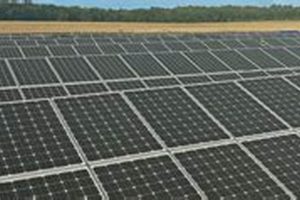
Sustainable power derived from natural resources like sunlight, wind, and geothermal heat offers a viable alternative to traditional fossil fuels for powering structures. For instance, solar panels convert sunlight into electricity, while geothermal systems utilize the earth’s internal heat for heating and cooling. These systems minimize a building’s reliance on non-renewable energy sources.
Decentralized power generation enhances energy security and reduces reliance on extensive power grids. Harnessing naturally replenishing resources mitigates the environmental impact associated with conventional energy production, contributing to lower carbon emissions and a smaller ecological footprint. Historically, building design relied heavily on fossil fuels. However, growing environmental awareness and technological advancements have propelled the adoption of sustainable practices, leading to innovative building designs that prioritize energy efficiency and minimize environmental impact.
This discussion will further explore specific technologies, implementation strategies, economic considerations, and policy frameworks that support the integration of sustainable power sources in modern construction and renovation projects.
Tips for Integrating Sustainable Energy in Buildings
Optimizing buildings for sustainable energy requires careful planning and execution. The following tips offer practical guidance for successful implementation.
Tip 1: Conduct a Thorough Energy Audit: A comprehensive energy assessment identifies areas for improvement and informs decisions regarding appropriate technologies and strategies.
Tip 2: Prioritize Passive Design Strategies: Optimizing building orientation, window placement, and insulation minimizes energy consumption before incorporating active systems.
Tip 3: Select Appropriate Renewable Energy Technologies: Consider factors such as geographic location, climate, and building type when choosing between solar, wind, geothermal, or other renewable energy sources.
Tip 4: Integrate Building Management Systems (BMS): BMS optimize energy usage by monitoring and controlling building systems, such as lighting, heating, and cooling.
Tip 5: Explore Financial Incentives and Rebates: Numerous government and utility programs offer financial support for sustainable building practices.
Tip 6: Engage with Experienced Professionals: Consult with architects, engineers, and energy consultants specializing in sustainable building design.
Tip 7: Monitor and Evaluate Performance: Regularly track energy consumption and system performance to identify areas for further optimization.
Implementing these strategies significantly reduces environmental impact while enhancing building performance and potentially reducing operational costs.
By incorporating these considerations, the transition toward environmentally responsible buildings becomes a practical and achievable goal.
1. Solar Photovoltaic (PV) Systems

Solar photovoltaic (PV) systems represent a cornerstone of renewable energy integration in buildings. Converting sunlight directly into electricity, these systems offer a clean and efficient power source, significantly reducing reliance on conventional fossil fuels. Their modularity and adaptability make them suitable for various building types and scales, from residential rooftops to large commercial installations.
- Energy Generation
PV systems generate electricity through the photovoltaic effect, where sunlight photons excite electrons in silicon-based cells, creating a direct current (DC). This DC electricity is then converted into alternating current (AC) for building use or grid feed-in. The amount of electricity generated depends on factors like solar irradiance, panel efficiency, and system size. A typical residential rooftop system can significantly offset household electricity consumption.
- System Components
A typical PV system comprises solar panels, inverters, mounting structures, and wiring. Panels contain interconnected PV cells encapsulated in protective layers. Inverters convert the DC electricity generated by the panels into AC. Mounting structures secure the panels to the roof or ground, while wiring connects all components. System design considerations include panel orientation, tilt angle, and shading to maximize energy production.
- Building Integration
PV systems can be integrated into buildings in various ways, including rooftop installations, building-integrated photovoltaics (BIPV), and solar carports. Rooftop systems are common and relatively easy to install. BIPV incorporates PV modules into building elements like facades or windows. Solar carports provide shade and generate electricity simultaneously. Choosing the right integration method depends on building architecture, aesthetics, and energy needs.
- Grid Interaction
PV systems can operate in grid-connected or off-grid modes. Grid-connected systems export excess electricity to the grid, offsetting consumption and potentially earning revenue through net metering. Off-grid systems utilize batteries or other storage solutions to provide electricity when sunlight is unavailable. The choice between grid-connected and off-grid depends on grid availability, cost considerations, and desired level of energy independence.
The versatility and efficiency of solar PV systems position them as a key component in transitioning buildings towards greater sustainability. Their ability to generate clean electricity on-site, coupled with various integration options and grid interaction capabilities, makes them a valuable asset in reducing the environmental impact of buildings and promoting a more sustainable energy future.
2. Solar Thermal Systems

Solar thermal systems contribute significantly to renewable energy integration in buildings by harnessing solar radiation for heating applications. Unlike photovoltaic systems that generate electricity, solar thermal systems capture the sun’s energy to directly heat water or air, providing a sustainable alternative for domestic hot water, space heating, and even cooling applications. Their integration reduces reliance on conventional fossil fuel-based heating systems, lowering a building’s carbon footprint and operational costs.
- System Components
Solar thermal systems typically consist of collectors, a storage tank, and a distribution system. Collectors, mounted on rooftops or walls, absorb solar radiation and transfer the heat to a working fluid. This heated fluid circulates to a storage tank, where the thermal energy is stored for later use. The distribution system delivers the heated water or air to the designated areas within the building. Different collector types exist, including flat-plate collectors, evacuated tube collectors, and concentrating collectors, each with varying efficiency and suitability for specific applications and climates.
- Applications in Buildings
Solar thermal systems cater to diverse heating needs within buildings. Domestic hot water heating is a primary application, providing a consistent supply of hot water for showers, laundry, and other household uses. Space heating applications supplement or replace conventional heating systems, reducing reliance on fossil fuels during colder months. Solar thermal can also power absorption chillers for space cooling, providing a sustainable alternative to traditional air conditioning systems. The specific application and system sizing depend on the building’s heating and cooling demands, climate conditions, and available solar resources.
- Integration Strategies
Integrating solar thermal systems requires careful consideration of building design and energy requirements. Rooftop integration is common, maximizing solar exposure. Wall-mounted systems offer an alternative when roof space is limited or unsuitable. System integration must consider factors such as collector orientation, tilt angle, shading, and piping insulation to optimize performance. Furthermore, integration with existing heating and cooling systems requires careful planning to ensure compatibility and maximize energy efficiency.
- Economic and Environmental Benefits
Solar thermal systems offer substantial economic and environmental advantages. Reduced reliance on fossil fuels translates to lower energy bills and protects against fluctuating fuel prices. The systems long lifespan and minimal maintenance requirements contribute to their cost-effectiveness. Environmentally, solar thermal systems significantly reduce greenhouse gas emissions, promoting a cleaner and more sustainable energy future. Their utilization of a renewable resource minimizes environmental impact compared to conventional heating systems.
By providing a sustainable source of heat, solar thermal systems play a crucial role in decarbonizing buildings and advancing towards a more sustainable built environment. Their versatile applications, coupled with economic and environmental benefits, make them a valuable component of renewable energy strategies in building design and operation.
3. Wind Turbines

Wind turbines, increasingly recognized as a key component of renewable energy strategies, offer the potential to generate clean electricity on-site, reducing reliance on conventional power grids and promoting energy independence within the built environment. While large-scale wind farms are common, integrating wind turbines into buildings presents unique opportunities and challenges.
- Building-Integrated Wind Turbines
Integrating wind turbines directly into building structures presents a promising approach to harnessing wind energy within urban environments. Building-mounted turbines can be incorporated into rooftops, facades, or even structural elements. Vertical-axis wind turbines (VAWTs), due to their lower noise levels and ability to operate in turbulent wind conditions, are often preferred for building integration. Examples include installations on high-rise buildings and urban rooftops, supplementing building energy consumption. However, careful consideration of structural loads, wind resource assessment, and potential noise impacts is crucial for successful implementation.
- Hybrid Systems with Other Renewables
Combining wind turbines with other renewable energy technologies, such as solar PV systems, creates hybrid systems that maximize energy generation and provide greater resilience. These systems can leverage complementary resource availability, with solar providing power during peak sunlight hours and wind contributing during periods of higher wind speeds. Such hybrid approaches can significantly reduce reliance on grid electricity, enhancing energy security and minimizing environmental impact. Examples include building complexes utilizing both rooftop solar PV and building-mounted wind turbines to meet a substantial portion of their energy demands.
- Small-Scale Wind Turbines for Distributed Generation
Small-scale wind turbines offer opportunities for distributed energy generation in residential and smaller commercial buildings. These turbines can be installed on rooftops, in open areas adjacent to buildings, or even integrated into landscaping features. While their individual power output is lower than larger turbines, their distributed deployment can contribute significantly to reducing reliance on centralized power grids and promoting community-level energy independence. However, local wind resource assessments and careful siting are essential to ensure optimal performance and minimize noise impacts.
- Challenges and Considerations
Integrating wind turbines into buildings presents certain challenges. Wind resource variability in urban environments requires thorough assessment to determine feasibility and optimal turbine placement. Noise generated by turbine blades can be a concern, necessitating careful selection of turbine type and location. Aesthetic considerations and potential impacts on bird and bat populations also require careful evaluation. Addressing these challenges through careful planning, appropriate technology selection, and community engagement is crucial for successful and sustainable wind energy integration in the built environment.
Successfully integrating wind turbines into buildings contributes significantly to achieving renewable energy targets and reducing reliance on fossil fuels. By carefully addressing the associated challenges and optimizing system design, wind energy can become a valuable asset in creating a more sustainable and resilient built environment.
4. Geothermal Energy
Geothermal energy plays a crucial role in achieving renewable energy goals within the built environment. By harnessing the earth’s internal heat, geothermal systems provide a sustainable and reliable source of energy for heating, cooling, and even electricity generation in buildings. This inherent thermal stability distinguishes geothermal energy from intermittent renewable sources like solar and wind, offering consistent performance regardless of weather conditions. Utilizing this readily available resource reduces reliance on fossil fuels, thereby lowering carbon emissions and promoting environmental sustainability. Direct use systems, for instance, circulate heated water or steam from geothermal reservoirs to provide space heating or domestic hot water. Ground source heat pumps (GSHPs) utilize the relatively constant temperature of the shallow subsurface to provide both heating and cooling, further enhancing energy efficiency.
The practical application of geothermal energy varies depending on geological conditions and building requirements. In regions with readily accessible geothermal reservoirs, direct use systems can provide a cost-effective and efficient solution for heating and even industrial processes. GSHPs, however, offer greater flexibility and can be deployed in a wider range of locations, utilizing the stable ground temperature for both heating and cooling. The upfront costs of geothermal systems can be higher than conventional HVAC systems, but their long-term operational savings, reduced environmental impact, and enhanced energy security offer significant advantages. Several examples demonstrate successful geothermal integration in buildings: Cornell University’s Earth Source Heat project utilizes deep geothermal wells to heat campus buildings, showcasing the potential of large-scale geothermal district heating systems. Numerous commercial and residential buildings employ GSHPs to provide efficient and sustainable heating and cooling, demonstrating the technology’s versatility and adaptability.
Understanding the potential of geothermal energy is critical for advancing sustainable building practices. While geological constraints and initial investment costs can present challenges, the long-term benefits of reduced emissions, energy independence, and operational cost savings underscore the importance of geothermal energy as a key component of renewable energy strategies in the built environment. Continued research and development in geothermal technologies, coupled with supportive policies and incentives, are essential to further unlock the potential of this valuable renewable resource and facilitate its wider adoption in building design and operation.
5. Biomass Energy

Biomass energy, the utilization of organic matter as a fuel source, presents a unique pathway within the broader context of renewable energy integration in buildings. While often associated with larger-scale power generation, biomass offers distinct opportunities for decentralized energy production, particularly in applications like heating and combined heat and power (CHP) systems. Its potential to reduce reliance on fossil fuels and contribute to a more sustainable built environment warrants careful consideration.
- Sources and Conversion Technologies
Biomass fuel sources include wood pellets, agricultural residues, and dedicated energy crops. These materials can be converted into usable energy through various processes, such as combustion, gasification, and anaerobic digestion. Combustion directly burns biomass to generate heat, while gasification converts it into a combustible gas. Anaerobic digestion produces biogas, primarily methane, which can be used for heating or electricity generation. The choice of conversion technology depends on the specific biomass resource, application, and scale of implementation.
- Applications in Buildings
Biomass boilers and stoves provide space heating and domestic hot water, often replacing conventional fossil fuel-based systems. Combined heat and power (CHP) systems, also known as cogeneration, utilize biomass to generate both electricity and heat, maximizing energy efficiency. Biomass-fueled CHP systems are particularly suitable for larger buildings or district heating applications. For instance, some university campuses utilize biomass CHP plants to meet a significant portion of their energy needs.
- Sustainability Considerations
While considered renewable, the sustainability of biomass energy hinges on responsible sourcing and utilization practices. Sustainable forestry and agricultural practices are crucial to ensure that biomass feedstocks are replenished and do not contribute to deforestation or land degradation. Efficient conversion technologies are essential to minimize emissions and maximize energy output. Furthermore, transportation distances for biomass feedstocks should be minimized to reduce associated environmental impacts.
- Integration with Building Systems
Integrating biomass energy systems into buildings requires careful planning and design. Biomass boilers and CHP systems require dedicated space for fuel storage and equipment. Flue gas emissions must be managed appropriately, adhering to local environmental regulations. Furthermore, system integration must consider factors such as fuel delivery logistics, ash disposal, and maintenance requirements.
Biomass energy offers a valuable complement to other renewable energy strategies in buildings. By carefully considering sustainable sourcing practices, utilizing efficient conversion technologies, and optimizing system integration, biomass can contribute significantly to reducing reliance on fossil fuels and advancing towards a more sustainable and resilient built environment. Its potential for decentralized energy generation and its applicability to both heating and power production makes biomass a compelling option for enhancing building sustainability, particularly in contexts where other renewable sources may be less viable or require diversification.
6. Building-Integrated Renewables

Building-integrated renewables (BIR) represent a crucial evolution within the broader field of renewable energy in buildings. BIR signifies the incorporation of renewable energy technologies directly into the building fabric, moving beyond simply adding renewable energy systems as an afterthought. This integration offers several critical advantages. By becoming integral components of roofs, facades, windows, and other building elements, BIR contributes to enhanced energy efficiency, improved aesthetics, and reduced material usage compared to conventional add-on systems. Cause and effect relationships are central to understanding the significance of BIR. Integrating photovoltaic materials into a building’s facade, for example, directly converts sunlight into electricity while simultaneously serving as a weather barrier. This multifaceted functionality reduces the need for separate cladding materials and decreases overall construction complexity, resulting in both economic and environmental benefits.
BIR’s importance as a component of renewable energy in buildings stems from its ability to maximize energy generation potential while minimizing land use impacts. In densely populated urban environments where space is limited, BIR offers a crucial pathway to harnessing renewable energy directly within the built environment. Real-world examples illustrate this practicality. The Swiss Tech Convention Center in Lausanne, Switzerland, integrates solar PV panels into its roof structure, generating a significant portion of the building’s electricity needs. Similarly, the BIQ House in Hamburg, Germany, features a bio-reactive facade that cultivates algae for biomass energy production, showcasing the innovative potential of BIR. These examples demonstrate that BIR moves beyond mere energy generation; it reimagines the very fabric of buildings as active participants in sustainable energy production.
Understanding the practical significance of BIR requires acknowledging the inherent challenges. Higher upfront costs compared to conventional construction methods can be a barrier to wider adoption. Specialized design and installation expertise is essential to ensure optimal system performance and integration with building systems. Furthermore, ongoing maintenance and lifecycle considerations for integrated renewable energy components necessitate careful planning. Despite these challenges, BIR’s potential to significantly contribute to a more sustainable built environment warrants continued development and wider implementation. Moving forward, addressing these challenges through research, innovation, and supportive policies is crucial to unlock the full potential of BIR and facilitate its widespread adoption as a cornerstone of renewable energy strategies in buildings.
7. Energy Storage Solutions
Energy storage solutions are integral to the effective utilization of renewable energy sources in buildings. Intermittent renewable sources, such as solar and wind power, generate energy dependent on weather conditions, creating a mismatch between energy supply and building demand. Storage solutions bridge this gap, storing excess energy generated during peak production periods for use during times of low generation or increased demand. This capacity fundamentally alters the dynamic between renewable energy generation and building energy consumption, enabling greater self-sufficiency and grid independence. The relationship is one of cause and effect: intermittent renewable generation necessitates energy storage to ensure a reliable and consistent power supply, thereby maximizing the value and practicality of renewable energy integration in buildings.
As a component of renewable energy systems in buildings, energy storage takes on various forms, each with specific advantages and applications. Batteries, ranging from lithium-ion to flow batteries, offer a versatile solution for storing electricity generated from solar PV or wind turbines. Thermal energy storage, utilizing materials that absorb and release heat, provides a means to store solar thermal energy for later use in heating or cooling applications. Pumped hydro storage, while typically employed on a larger scale, can also be adapted for building-level applications, using excess renewable energy to pump water to an elevated reservoir for later release through a turbine to generate electricity. Practical examples illustrate this integration: Residential buildings equipped with battery storage can store excess solar energy generated during the day for use in the evening, reducing reliance on grid electricity. Commercial buildings can utilize thermal storage to shift cooling loads, pre-cooling spaces during off-peak hours using stored thermal energy generated from solar thermal systems during the day. These applications highlight the diverse ways energy storage enhances the practicality and effectiveness of renewable energy in buildings.
Understanding the practical significance of energy storage in building-integrated renewable energy systems is crucial for achieving sustainable energy goals. Effective energy storage management optimizes energy usage, minimizes reliance on fossil fuel-based grid electricity, and reduces operating costs. However, challenges remain. The cost of energy storage technologies can be a significant barrier to widespread adoption. Furthermore, the lifecycle, performance, and safety aspects of different storage solutions require careful consideration. Addressing these challenges through research, development, and supportive policies is essential to unlock the full potential of energy storage and facilitate its integration as a standard component of renewable energy systems in buildings. Overcoming these hurdles will enable a more widespread transition towards self-sufficient, resilient, and environmentally responsible buildings, maximizing the benefits of renewable energy integration.
Frequently Asked Questions about Renewable Energy in Buildings
This section addresses common inquiries regarding the integration of renewable energy technologies within the built environment.
Question 1: What are the primary benefits of integrating renewable energy in buildings?
Reduced operating costs through decreased reliance on conventional energy sources, lower carbon emissions contributing to environmental sustainability, and enhanced energy security through on-site generation are key advantages.
Question 2: What are the most common renewable energy technologies used in buildings?
Solar photovoltaic (PV) systems, solar thermal systems, geothermal heat pumps, and building-integrated wind turbines represent frequently employed technologies.
Question 3: Are renewable energy systems suitable for all building types?
While specific technology suitability varies depending on building characteristics and location, most building types can benefit from some form of renewable energy integration.
Question 4: What are the key considerations for selecting renewable energy technologies for a building?
Factors such as building location, climate, energy consumption patterns, available roof or land area, and budget constraints influence technology selection.
Question 5: What are the typical costs associated with integrating renewable energy in buildings?
Costs vary based on technology, system size, and building complexity. However, long-term operational savings and potential financial incentives often offset initial investment costs.
Question 6: What are the maintenance requirements for building-integrated renewable energy systems?
Maintenance needs vary depending on the specific technology. Generally, regular inspections, cleaning, and occasional component replacement contribute to optimal system performance and longevity.
Integrating renewable energy technologies in buildings offers substantial long-term benefits despite initial investment costs and integration considerations. Careful planning, appropriate technology selection, and ongoing maintenance contribute to successful and sustainable building performance.
The subsequent section delves into specific case studies showcasing best practices in renewable energy integration within diverse building contexts.
Renewable Energy in Buildings
This exploration has highlighted the multifaceted nature of renewable energy integration within the built environment. From harnessing solar radiation through photovoltaic and thermal systems to utilizing wind, geothermal, and biomass resources, diverse technological pathways exist for reducing reliance on conventional energy sources. Critical considerations include careful system design, appropriate technology selection based on building characteristics and local resource availability, and effective integration with existing building infrastructure. Furthermore, energy storage solutions play a crucial role in maximizing the effectiveness and reliability of intermittent renewable sources. The economic and environmental benefits of renewable energy in buildings, including reduced operational costs, lower carbon emissions, and enhanced energy security, underscore its significance in achieving global sustainability targets.
The transition towards a sustainable built environment necessitates a fundamental shift in energy paradigms. Renewable energy integration in buildings represents not merely a technological advancement but a crucial step towards responsible resource management and environmental stewardship. Continued innovation, supportive policy frameworks, and widespread adoption of these technologies are essential for realizing the full potential of renewable energy in buildings and creating a more sustainable future for generations to come. The future of building design and operation hinges on embracing these transformative approaches to energy generation and consumption.