Gasoline, derived from petroleum, is a fossil fuel. Fossil fuels are formed from the remains of ancient organisms over millions of years. This lengthy formation process contrasts sharply with the timescale of human consumption, making petroleum a finite resource that cannot be replenished at a pace matching its usage. For example, the oil extracted today originated from organic matter deposited millions of years ago. This inherent characteristic distinguishes it from renewable energy sources.
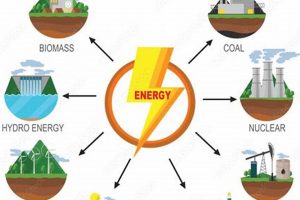
Energy sources capable of regeneration within a human lifespan are classified as renewable. These resources, such as solar, wind, hydro, and geothermal energy, replenish naturally and offer a sustainable alternative to finite fossil fuels. The distinction between renewable and non-renewable energy sources is critical for understanding the long-term sustainability of global energy systems and the environmental impacts of energy production and consumption. The reliance on non-renewable resources like petroleum has significant environmental consequences, including greenhouse gas emissions contributing to climate change.
This discussion underscores the importance of transitioning towards sustainable energy solutions. Further exploration will encompass topics such as the environmental impact of fossil fuel consumption, the development and implementation of renewable energy technologies, and the policies and strategies aimed at fostering a sustainable energy future.
Understanding Fuel Sustainability
Practical steps can be taken to address the non-renewable nature of gasoline and move toward a more sustainable energy future. The following tips offer guidance for reducing reliance on finite resources and promoting environmentally responsible energy consumption.
Tip 1: Improve Vehicle Fuel Efficiency: Opting for fuel-efficient vehicles (e.g., hybrids, electric vehicles) or maintaining existing vehicles properly can significantly reduce gasoline consumption.
Tip 2: Explore Alternative Transportation: Utilizing public transportation, cycling, or walking reduces reliance on personal vehicles and consequently, gasoline consumption.
Tip 3: Support Renewable Energy Initiatives: Advocating for policies that promote renewable energy development and adoption contributes to a larger shift away from fossil fuels.
Tip 4: Reduce Energy Consumption at Home: Lowering overall energy use reduces the demand for electricity generation, some of which may be fueled by fossil fuels like petroleum. This can be achieved through energy-efficient appliances and mindful energy usage.
Tip 5: Invest in Renewable Energy Technologies: Exploring opportunities to invest in renewable energy technologies, such as solar panels for homes, supports the growth and development of the renewable energy sector.
Tip 6: Educate and Advocate: Sharing information about the importance of sustainable energy with others and advocating for responsible energy practices can contribute to broader societal change.
By implementing these strategies, individuals can contribute to a more sustainable energy future and mitigate the environmental impact associated with non-renewable resources like gasoline. These individual actions, when combined with larger policy and technological advancements, are crucial for achieving long-term energy sustainability.
The transition to a sustainable energy future requires a multifaceted approach. The following concluding remarks will summarize the key challenges and opportunities associated with moving away from non-renewable resources like gasoline.
1. Fossil Fuel Origin

The origin of a fuel source is fundamental to determining its renewability. Understanding the geological and temporal scales involved in the formation of fossil fuels is crucial for evaluating the sustainability of gasoline as an energy source. This exploration delves into the key facets of fossil fuel origin and their connection to the question of gasoline’s renewability.
- Formation Time Scale
Fossil fuels, including petroleum from which gasoline is derived, are formed over millions of years through the decomposition of organic matter under immense pressure and heat. This vast timescale contrasts sharply with human consumption rates, making it impossible for these resources to regenerate within a relevant timeframe. This geological timescale is the core reason why gasoline is not considered a renewable energy source.
- Finite Reserves
The process that creates fossil fuels is not ongoing at a rate that can replenish current consumption. The Earth contains a finite amount of fossil fuels, accumulated over geological history. Continuous extraction depletes these limited reserves, further emphasizing gasoline’s non-renewable nature. For instance, known oil reserves are projected to last for a limited number of decades at current consumption rates.
- Geological Processes
Specific geological conditions are required for the formation of fossil fuels, involving the burial and transformation of organic material in anaerobic environments. These conditions are not uniformly distributed across the Earth’s crust, and not all organic matter transforms into usable fossil fuels. This uneven distribution and the unique circumstances required for their formation further underscore the finite nature of fossil fuels.
- Contrast with Renewable Sources
Renewable energy sources, such as solar and wind power, are driven by ongoing natural processes. Sunlight and wind are continuously replenished, providing a stark contrast to the finite and non-renewable nature of fossil fuels. This distinction is crucial for understanding the long-term sustainability of different energy sources. While sunlight is constantly available, gasoline relies on a finite reservoir of ancient organic matter.
In conclusion, the origin of fossil fuels as a product of slow geological processes over millions of years, from finite organic matter deposits, firmly establishes gasoline as a non-renewable energy source. This understanding highlights the critical need for exploring and adopting renewable energy alternatives to ensure long-term energy sustainability.
2. Finite Resource

The concept of a “finite resource” is central to understanding why gasoline is not a renewable energy source. A finite resource exists in limited quantities and cannot be replenished naturally at a rate that keeps pace with consumption. This inherent limitation has significant implications for long-term energy planning and necessitates a transition towards sustainable alternatives. This section explores the facets of “finite resource” in the context of gasoline.
- Resource Depletion
Continuous extraction of a finite resource inevitably leads to its depletion. Gasoline, derived from petroleum, exemplifies this principle. As oil reserves are tapped, the remaining supply diminishes. This progressive depletion necessitates ongoing exploration for new reserves, often in increasingly challenging and environmentally sensitive locations. The extraction process itself can have significant environmental consequences, such as habitat disruption and pollution.
- Geological Timescale
The formation of fossil fuels like petroleum occurs over geological timescales, spanning millions of years. This timeframe is vastly longer than human lifespans or even civilizations. Therefore, even if some natural replenishment occurs, it is negligible compared to the rate at which these resources are consumed. This immense disparity in timescales underscores the finite nature of fossil fuels and the unsustainability of relying on them for long-term energy needs.
- Economic Implications
The finite nature of resources like petroleum has profound economic implications. As readily accessible reserves dwindle, the cost of extraction increases. This can lead to price volatility and economic instability. Furthermore, dependence on finite resources creates vulnerabilities to geopolitical factors and supply disruptions, impacting energy security and economic growth. The transition to renewable energy sources offers greater price stability and reduces reliance on volatile global markets.
- Environmental Consequences
The extraction, processing, and combustion of finite resources like petroleum have significant environmental impacts. Greenhouse gas emissions from burning gasoline contribute to climate change, while oil spills and other environmental accidents pose severe risks to ecosystems. Moreover, the exploration and extraction of these resources often involve habitat destruction and disruption of natural processes. Renewable energy sources offer a cleaner and more sustainable alternative, mitigating the environmental damage associated with fossil fuels.
In conclusion, the finite nature of petroleum, the source of gasoline, presents a fundamental challenge to its sustainability as an energy source. Resource depletion, the geological timescale of formation, economic implications, and environmental consequences all highlight the critical need to transition towards renewable energy solutions. Understanding these facets of “finite resource” underscores the urgency of embracing sustainable energy practices and technologies for a secure and environmentally responsible future.
3. Non-renewable

The classification of energy sources as “renewable” or “non-renewable” hinges on their replenishment rate relative to human consumption. Non-renewable resources, such as fossil fuels like petroleum (from which gasoline is derived), are finite and replenish over geological timescales far exceeding human timespans. This characteristic directly addresses the question “is gasoline renewable energy?” by highlighting the fundamental incompatibility between gasoline’s formation rate and its consumption rate. For example, the oil consumed today took millions of years to form, while its combustion occurs instantaneously. This stark contrast in timescales defines gasoline as a non-renewable energy source.
The non-renewable nature of gasoline carries profound implications for energy security and environmental sustainability. Continued reliance on a finite resource inevitably leads to depletion, creating economic vulnerabilities and price volatility. Furthermore, the extraction and combustion of gasoline contribute significantly to greenhouse gas emissions, accelerating climate change. Shifting away from non-renewable energy sources like gasoline toward renewable alternatives, such as solar and wind power, is crucial for mitigating these challenges. Real-world examples of this transition include the increasing adoption of electric vehicles powered by renewable electricity and the growth of solar and wind energy infrastructure globally. These shifts represent practical applications of understanding the limitations of non-renewable resources.
In summary, the non-renewable nature of gasoline is a defining characteristic that answers the question “is gasoline renewable energy?” definitively in the negative. This understanding highlights the inherent unsustainability of relying on finite resources and underscores the critical need for a global transition toward renewable energy solutions. The practical significance of this knowledge lies in driving innovation, policy changes, and individual actions that promote sustainable energy practices and contribute to a more secure and environmentally responsible future.
4. Environmental Impact

The environmental impact of gasoline consumption is intrinsically linked to its non-renewable nature. Because gasoline is derived from finite fossil fuel reserves, its extraction and use contribute significantly to various environmental problems. Understanding these environmental consequences is crucial for evaluating the long-term sustainability of gasoline as an energy source and for motivating the transition towards renewable alternatives.
- Greenhouse Gas Emissions
The combustion of gasoline releases greenhouse gases, primarily carbon dioxide, into the atmosphere. These gases trap heat, contributing to global warming and climate change. The continued reliance on gasoline-powered vehicles exacerbates this issue, driving the need for cleaner transportation alternatives such as electric vehicles powered by renewable energy sources. The measurable increase in atmospheric CO2 levels since the Industrial Revolution correlates directly with the increased use of fossil fuels like gasoline.
- Air Pollution
Burning gasoline also releases pollutants such as nitrogen oxides, particulate matter, and volatile organic compounds into the air. These pollutants contribute to respiratory problems, smog formation, and other adverse health effects. Urban areas with high traffic congestion often experience elevated levels of these pollutants, impacting air quality and public health. Regulations aimed at reducing vehicle emissions and promoting cleaner fuels are attempts to mitigate this environmental impact.
- Water Pollution
Oil spills, leaks from underground storage tanks, and runoff from roadways contaminated with gasoline can pollute water sources. These pollutants can harm aquatic life, contaminate drinking water supplies, and disrupt delicate ecosystems. The Deepwater Horizon oil spill serves as a stark reminder of the catastrophic consequences of oil-related environmental disasters. Efforts to prevent and remediate such spills are essential but do not address the root cause of the problem: reliance on a polluting fuel source.
- Land Degradation
The extraction and transportation of petroleum, the source of gasoline, can lead to habitat destruction, soil erosion, and land degradation. Construction of pipelines, drilling operations, and other infrastructure associated with the oil and gas industry can fragment ecosystems and disrupt natural processes. The Alberta oil sands in Canada provide a clear example of the large-scale land disturbance associated with fossil fuel extraction. This land degradation further emphasizes the environmental costs associated with gasoline production and consumption.
In conclusion, the environmental impact of gasoline underscores its unsustainability as an energy source. The release of greenhouse gases, air and water pollution, and land degradation associated with gasoline production and use all contribute to broader environmental problems. These impacts reinforce the necessity of transitioning away from gasoline and towards renewable energy sources to mitigate the environmental consequences and ensure a sustainable future.
5. Unsustainable Extraction

The unsustainable extraction of petroleum, the source of gasoline, is inextricably linked to the question of its renewability. Unsustainable extraction refers to the practice of removing a resource at a rate faster than it can naturally replenish. This is a defining characteristic of non-renewable resources like petroleum. Because the geological processes that form petroleum occur over millions of years, extraction at current consumption rates is inherently unsustainable. This rapid depletion of a finite resource has significant environmental, economic, and social consequences.
For instance, the extraction of oil from tar sands, a particularly energy-intensive process, exemplifies unsustainable practices. Vast amounts of water and energy are required to extract usable oil from tar sands, resulting in habitat destruction, water contamination, and increased greenhouse gas emissions. Similarly, deep-sea drilling operations pose substantial risks of oil spills, which can have devastating impacts on marine ecosystems and coastal communities. These examples illustrate how unsustainable extraction practices associated with gasoline production exacerbate the environmental challenges inherent in using a non-renewable resource. Furthermore, as easily accessible reserves are depleted, the industry resorts to increasingly complex and risky extraction methods, further amplifying the environmental footprint and economic costs.
The unsustainable nature of petroleum extraction reinforces the conclusion that gasoline is not a renewable energy source. This understanding has practical implications for energy policy and individual choices. Promoting energy efficiency, investing in renewable energy technologies, and transitioning to alternative transportation methods are essential steps towards mitigating the negative consequences of unsustainable extraction practices. Recognizing the finite nature of petroleum resources and the environmental costs associated with their extraction underscores the urgency of transitioning to a sustainable energy future based on renewable resources.
6. Renewable Alternatives Exist

The existence of renewable energy alternatives directly challenges the continued reliance on gasoline, a non-renewable fuel. While gasoline is derived from finite fossil fuel reserves, renewable energy sources like solar, wind, hydro, and geothermal offer a sustainable path toward meeting energy demands. This availability of alternatives underscores the fact that gasoline is not a necessary energy source for the future, and its non-renewable nature becomes a critical factor in evaluating its long-term viability. The practical significance of renewable alternatives lies in their potential to mitigate the negative environmental and economic consequences associated with gasoline dependence. For example, the growing adoption of electric vehicles powered by renewable electricity demonstrates a tangible shift towards a transportation sector less reliant on finite fossil fuels.
The transition to renewable alternatives offers numerous benefits. Solar and wind energy technologies have matured significantly, becoming increasingly cost-competitive with fossil fuels. Furthermore, renewable energy sources produce little to no greenhouse gas emissions during operation, offering a crucial advantage in mitigating climate change. Hydropower provides a reliable and established source of renewable energy, while geothermal energy harnesses the Earth’s internal heat for electricity generation and direct heating applications. These diverse renewable resources offer a portfolio of options for diversifying energy supplies and reducing reliance on gasoline. Real-world examples, such as the rapid growth of solar and wind capacity in many countries, demonstrate the feasibility and increasing economic viability of transitioning to renewable energy systems.
In conclusion, the existence of viable renewable alternatives reinforces the unsustainable nature of gasoline as a primary energy source. The transition towards renewable energy is not merely a theoretical concept but a practical necessity driven by environmental concerns, economic considerations, and technological advancements. This understanding requires a shift in energy policies, investment strategies, and consumer behavior. Embracing renewable alternatives presents a pathway towards a more sustainable and secure energy future, reducing dependence on finite fossil fuels and mitigating their associated environmental impacts. The continued development and deployment of renewable energy technologies represent a crucial step in addressing the challenges of climate change and ensuring long-term energy sustainability.
Frequently Asked Questions
This section addresses common inquiries regarding the classification of gasoline as a renewable or non-renewable energy source, clarifying key concepts and dispelling misconceptions.
Question 1: Why is gasoline considered a non-renewable energy source?
Gasoline is derived from petroleum, a fossil fuel formed from ancient organic matter over millions of years. This timescale of formation far exceeds human consumption rates, making it non-renewable.
Question 2: What makes an energy source renewable?
Renewable energy sources replenish naturally within a human timeframe. Examples include solar, wind, hydro, and geothermal energy, all driven by ongoing natural processes.
Question 3: How does gasoline consumption contribute to climate change?
Burning gasoline releases greenhouse gases, primarily carbon dioxide, into the atmosphere, trapping heat and contributing to global warming.
Question 4: What are the environmental impacts of gasoline extraction?
Petroleum extraction can cause habitat destruction, water pollution (e.g., oil spills), and land degradation, impacting ecosystems and communities.
Question 5: Are there alternatives to gasoline for transportation?
Yes, alternatives include electric vehicles (powered by renewable electricity), biofuels, hydrogen fuel cells, and improved public transportation systems.
Question 6: What are the benefits of transitioning to renewable energy sources?
Transitioning to renewable energy reduces greenhouse gas emissions, mitigates air and water pollution, enhances energy security, and promotes sustainable economic growth.
Understanding the distinction between renewable and non-renewable energy sources is fundamental to addressing the challenges of climate change and ensuring a sustainable energy future. The transition away from gasoline and towards renewable alternatives is essential for mitigating the environmental and economic consequences of fossil fuel dependence.
Further exploration will delve into specific renewable energy technologies, their applications, and the policies that promote their adoption.
Is Gasoline Renewable Energy? A Definitive Conclusion
The exploration of the question “is gasoline renewable energy?” yields a clear and definitive answer: no. Gasoline, derived from petroleum, a fossil fuel formed over millions of years, is unequivocally a non-renewable resource. Its formation timescale is vastly incompatible with human consumption rates, making its extraction inherently unsustainable. This non-renewable nature has profound implications for energy security, environmental sustainability, and the global economy. The reliance on gasoline contributes significantly to greenhouse gas emissions, air and water pollution, and land degradation, exacerbating the challenges of climate change and environmental degradation.
The finite nature of petroleum reserves necessitates a decisive transition towards renewable energy sources. Viable alternatives, including solar, wind, hydro, and geothermal energy, offer a sustainable path forward. These technologies provide the potential to mitigate the negative consequences associated with gasoline dependence and pave the way for a more secure and environmentally responsible energy future. The transition requires concerted efforts in technological innovation, policy implementation, and individual actions. A fundamental shift in energy production and consumption patterns is not merely desirable but essential for the long-term well-being of the planet and future generations.