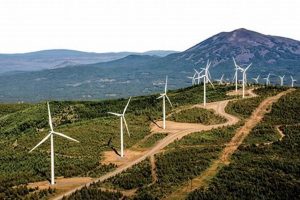
Harnessing power from natural resources like sunlight, wind, water, and geothermal heat offers a sustainable alternative to conventional energy sources. Examples include solar photovoltaic panels converting sunlight into electricity, wind turbines capturing kinetic energy from wind, hydroelectric dams utilizing water flow, and geothermal plants tapping into Earth’s internal heat. These technologies generate power without depleting finite resources or producing harmful greenhouse gas emissions on the same scale as fossil fuels.
The shift toward these sustainable energy solutions is crucial for mitigating climate change, enhancing energy security, and fostering economic growth. Historically, reliance on fossil fuels has led to environmental degradation and geopolitical instability. These sustainable alternatives offer a pathway toward a cleaner, more secure, and sustainable energy future, decreasing dependence on finite resources and reducing carbon footprints. The ongoing development and implementation of these technologies are vital for a global transition to a low-carbon economy.
Further exploration will delve into the specific types of sustainable energy resources, their technological advancements, economic viability, environmental impact, and the challenges and opportunities associated with their widespread adoption. This will provide a comprehensive understanding of the role these technologies play in shaping the future of energy production and consumption.
Tips for Supporting Sustainable Energy
Implementing sustainable energy solutions can seem daunting, but individual actions can contribute significantly to the global transition. These tips offer practical guidance for supporting and benefiting from sustainable power generation.
Tip 1: Invest in Home-Based Renewable Energy: Explore options like rooftop solar panels or small-scale wind turbines. These can reduce reliance on grid electricity and potentially generate income through feed-in tariffs.
Tip 2: Prioritize Energy Efficiency: Reduce energy consumption through measures like improved insulation, energy-efficient appliances, and mindful energy usage habits. This lowers demand and supports the viability of sustainable sources.
Tip 3: Support Policies that Promote Sustainable Energy: Advocate for legislation and regulations that incentivize the development and adoption of these technologies. This includes supporting renewable portfolio standards and carbon pricing mechanisms.
Tip 4: Choose Sustainable Energy Providers: Opt for electricity providers that source power from renewable resources. This increases demand for sustainable energy and encourages further investment in the sector.
Tip 5: Educate and Engage: Stay informed about advancements in sustainable technologies and share this knowledge with others. Community engagement and advocacy are crucial for driving widespread adoption.
Tip 6: Consider Sustainable Transportation: Explore electric vehicles or hybrid models powered by sustainable electricity sources. This reduces reliance on fossil fuels in the transportation sector.
Tip 7: Invest in Sustainable Energy Companies: Support the growth of the sustainable energy sector by investing in companies developing and deploying these technologies. This provides financial backing for innovation and expansion.
By adopting these strategies, individuals can contribute to a cleaner energy future while potentially realizing economic benefits. Collective action empowers communities and accelerates the transition toward a sustainable energy landscape.
The cumulative impact of these individual and collective efforts can significantly advance the global transition to sustainable energy, fostering a healthier planet and a more secure energy future.
1. Sustainability

Sustainability represents a core principle in the utilization of renewable energy systems. It encompasses the ability to meet current energy needs without compromising the ability of future generations to meet their own. This principle is intrinsically linked to the long-term viability and effectiveness of renewable energy sources.
- Resource Depletion:
Unlike fossil fuels, renewable resources are naturally replenished over relatively short periods. Solar radiation, wind, water flow, and geothermal heat are virtually inexhaustible on a human timescale. This continuous replenishment makes renewable energy systems inherently sustainable, minimizing resource depletion concerns associated with conventional energy sources.
- Environmental Impact:
Renewable energy systems generally exhibit a significantly lower environmental impact compared to fossil fuel-based systems. While some environmental impacts exist, such as land use for solar or wind farms, these are often less severe and more manageable than the widespread pollution and greenhouse gas emissions associated with fossil fuel extraction, processing, and combustion.
- Long-Term Viability:
The inherent sustainability of renewable resources ensures the long-term viability of these energy systems. As global energy demand continues to rise, the ability to rely on continuously replenished resources becomes increasingly critical for maintaining stable and secure energy supplies for future generations.
- Intergenerational Equity:
Harnessing renewable energy embodies the principle of intergenerational equity. By utilizing sustainable energy sources, the current generation can meet its energy needs without compromising the ability of future generations to access the same resources. This ensures a fair and equitable distribution of energy resources across time.
These facets of sustainability underscore the critical role renewable energy systems play in fostering a sustainable energy future. By minimizing resource depletion, reducing environmental impact, and ensuring long-term viability, these systems offer a pathway toward meeting global energy needs while preserving the planet for future generations. The ongoing development and implementation of renewable energy technologies are essential for achieving a truly sustainable energy landscape.
2. Resource Availability

Resource availability forms the foundation of renewable energy systems. The geographic distribution and abundance of renewable resources directly influence the viability and potential of specific technologies. Solar energy thrives in regions with high solar irradiance, while wind energy requires consistent and sufficiently strong winds. Hydropower relies on suitable water resources, and geothermal energy depends on accessible geothermal activity. Understanding these resource distributions is crucial for effective planning and deployment of renewable energy infrastructure. For example, desert regions offer high potential for solar energy generation, while coastal areas and mountainous terrains often provide favorable conditions for wind energy. Iceland, with its abundant geothermal resources, utilizes geothermal energy extensively for electricity generation and heating. Conversely, regions with limited renewable resources may require a combination of technologies or grid integration to meet energy demands sustainably.
Resource availability considerations extend beyond mere presence to encompass factors like intermittency and seasonal variations. Solar and wind power, while abundant in certain locations, are inherently intermittent, fluctuating with weather patterns. This variability necessitates energy storage solutions or grid management strategies to ensure a reliable energy supply. Similarly, hydropower generation can be affected by seasonal variations in rainfall and water flow. Addressing these intermittency and seasonal challenges is crucial for maximizing the effectiveness and reliability of renewable energy systems. Advanced forecasting models, grid integration technologies, and energy storage systems, such as pumped hydro or batteries, play a vital role in mitigating these challenges and ensuring a consistent energy supply.
Resource assessment and strategic planning are essential for optimizing the deployment of renewable energy systems. Accurate resource mapping, combined with detailed analysis of energy demand and grid infrastructure, informs decisions regarding technology selection, project siting, and grid integration. Such planning maximizes the utilization of available resources, minimizes environmental impact, and ensures the long-term sustainability of renewable energy projects. Understanding the nuances of resource availability, including its variability and geographic distribution, is paramount for realizing the full potential of renewable energy systems and transitioning towards a sustainable energy future.
3. Environmental Impact
Environmental impact represents a critical consideration in the evaluation and implementation of renewable energy systems. While these systems offer a significantly cleaner alternative to conventional fossil fuel-based energy generation, they are not entirely without environmental effects. Understanding these impacts is crucial for responsible development and deployment, ensuring that the transition to renewable energy maximizes environmental benefits while minimizing potential drawbacks.
- Greenhouse Gas Emissions:
Renewable energy systems drastically reduce greenhouse gas emissions compared to fossil fuel counterparts. Solar, wind, hydro, and geothermal energy sources produce minimal to no greenhouse gases during operation, significantly mitigating their contribution to climate change. Life-cycle assessments, considering emissions from manufacturing and disposal, demonstrate a substantially lower carbon footprint for renewable energy technologies.
- Land Use and Habitat Impacts:
Renewable energy infrastructure, such as solar and wind farms, requires land allocation, potentially impacting natural habitats and ecosystems. Careful site selection and project design are essential to minimize land use conflicts and mitigate ecological impacts. Strategies include co-locating renewable energy facilities with existing infrastructure or utilizing degraded land.
- Water Usage:
Certain renewable energy technologies, particularly concentrated solar power and some hydropower systems, require water for cooling or operation. In water-stressed regions, careful water management strategies are crucial to ensure sustainable water use and minimize impacts on aquatic ecosystems. Dry cooling technologies or alternative cooling methods can reduce water consumption in power generation.
- Manufacturing and Disposal:
The manufacturing process of renewable energy technologies requires raw materials and energy, potentially generating some environmental impacts. Additionally, the eventual disposal of renewable energy equipment necessitates responsible recycling and waste management practices to minimize environmental harm. Life-cycle analyses help identify and address these impacts throughout the entire supply chain.
A comprehensive understanding of these environmental impacts enables informed decision-making in the development and deployment of renewable energy systems. By carefully considering these factors, optimizing project design, and implementing mitigation strategies, the environmental benefits of renewable energy can be maximized, paving the way for a sustainable and environmentally responsible energy future. Continuous research and technological advancements further contribute to minimizing these impacts and enhancing the overall environmental performance of renewable energy technologies.
4. Technological Advancements
Technological advancements play a crucial role in the ongoing evolution and increasing effectiveness of renewable energy systems. Continuous innovation drives improvements in efficiency, cost-effectiveness, and reliability, expanding the feasibility and accessibility of sustainable energy solutions. These advancements span various aspects, from materials science and manufacturing processes to grid integration and energy storage technologies.
- Improved Energy Conversion Efficiency:
Research and development efforts continuously push the boundaries of energy conversion efficiency for renewable energy technologies. Advances in photovoltaic materials and solar cell designs lead to higher solar panel efficiencies, maximizing electricity generation from sunlight. Similarly, innovations in wind turbine blade design and aerodynamics enhance energy capture from wind resources. These improvements translate to greater energy output from existing resources, reducing the overall footprint and cost of renewable energy installations.
- Reduced Manufacturing Costs:
Technological advancements in manufacturing processes contribute significantly to reducing the cost of renewable energy technologies. Automation, optimized production techniques, and economies of scale drive down the cost of solar panels, wind turbines, and other components. This cost reduction makes renewable energy increasingly competitive with conventional energy sources, accelerating its widespread adoption.
- Advanced Energy Storage Solutions:
Addressing the intermittency of renewable energy sources like solar and wind power requires effective energy storage solutions. Technological advancements in battery technology, pumped hydro storage, and other storage methods enhance energy storage capacity, efficiency, and lifespan. These advancements enable a more reliable and consistent supply of renewable energy, mitigating the challenges posed by intermittent generation.
- Smart Grid Integration:
Integrating renewable energy sources seamlessly into existing power grids necessitates advanced grid management technologies. Smart grids utilize real-time data and advanced control systems to optimize energy distribution, balance supply and demand, and accommodate the fluctuating nature of renewable energy generation. These technologies enhance grid stability, reliability, and efficiency, facilitating the integration of higher percentages of renewable energy into the overall energy mix.
These technological advancements collectively drive the continued growth and maturation of renewable energy systems. As innovation continues, these technologies become increasingly efficient, affordable, and reliable, solidifying their role as a cornerstone of a sustainable energy future. Further advancements in areas like artificial intelligence, materials science, and grid management promise to unlock even greater potential for renewable energy, paving the way for a cleaner, more secure, and sustainable energy landscape.
5. Economic Viability

Economic viability stands as a critical factor in the widespread adoption and long-term success of renewable energy systems. The costs associated with implementing, operating, and maintaining these systems must be competitive with, or ideally lower than, those of conventional energy sources to ensure their sustained growth and integration into the broader energy market. This involves considering factors such as initial capital costs, operating expenses, financing mechanisms, and return on investment. The declining costs of renewable energy technologies, particularly solar and wind power, have significantly enhanced their economic competitiveness in recent years, driving substantial market growth. Government incentives, such as tax credits and subsidies, further improve the economic viability of renewable energy projects, encouraging investment and accelerating their deployment. For example, the declining costs of solar photovoltaic modules have made solar energy a cost-competitive option for electricity generation in many regions, stimulating rapid growth in the solar industry. Similarly, advancements in wind turbine technology and economies of scale have reduced the cost of wind energy, making it an increasingly attractive option for large-scale energy projects.
The economic benefits of renewable energy systems extend beyond direct cost comparisons with conventional energy. These systems often stimulate local economic development by creating jobs in manufacturing, installation, maintenance, and related sectors. Furthermore, they reduce reliance on imported fossil fuels, enhancing energy independence and bolstering domestic economies. Renewable energy projects can also generate revenue for local communities through land lease agreements and property taxes. For instance, the growth of the wind energy industry has created numerous jobs in manufacturing, installation, and maintenance, contributing to economic growth in rural communities. Similarly, solar energy projects generate local employment opportunities and can provide a source of revenue for landowners and local governments. The economic viability of renewable energy systems, therefore, plays a pivotal role not only in driving the energy transition but also in fostering economic growth and creating new economic opportunities.
The continued advancement and adoption of renewable energy systems depend significantly on their economic competitiveness. Ongoing technological innovations, supportive policy frameworks, and innovative financing mechanisms are essential for further reducing costs and enhancing the economic viability of these systems. Addressing challenges such as grid integration costs and energy storage solutions remains crucial for maximizing the economic benefits of renewable energy. Ultimately, the economic viability of renewable energy systems is inextricably linked to their long-term sustainability and their ability to play a central role in a future powered by clean, affordable, and secure energy sources.
6. Energy Security

Energy security is intrinsically linked to the development and implementation of renewable energy systems. It encompasses the reliable availability of energy resources at affordable prices, while minimizing dependence on volatile geopolitical landscapes and mitigating environmental risks. Renewable energy sources offer a pathway to enhanced energy security by diversifying energy portfolios, reducing reliance on imported fossil fuels, and mitigating the risks associated with price volatility and supply disruptions. This exploration delves into the multifaceted relationship between energy security and renewable energy systems.
- Reduced Reliance on Fossil Fuel Imports:
Renewable energy systems decrease dependence on imported fossil fuels, enhancing energy independence and mitigating vulnerabilities associated with geopolitical instability and supply chain disruptions. By generating power domestically from renewable resources, nations can reduce their exposure to price fluctuations and supply interruptions, bolstering their energy security. For example, countries with limited domestic fossil fuel reserves can enhance their energy security by investing in renewable energy infrastructure, reducing their reliance on energy imports and strengthening their control over energy supply.
- Diversification of Energy Sources:
Renewable energy systems promote diversification of energy portfolios, reducing reliance on any single energy source and enhancing resilience against disruptions. By integrating a mix of renewable energy technologies, such as solar, wind, hydro, and geothermal, countries can create a more robust and secure energy system less susceptible to fluctuations in the availability or price of any one resource. This diversification minimizes the impact of disruptions to any single energy source, strengthening overall energy security. For example, a country heavily reliant on hydropower can enhance its energy security by incorporating wind and solar power into its energy mix, reducing its vulnerability to droughts or other disruptions to water resources.
- Mitigation of Price Volatility:
Renewable energy systems offer a degree of price stability compared to fossil fuels, whose prices are subject to global market fluctuations and geopolitical events. Once installed, renewable energy technologies like solar and wind power have relatively predictable operating costs, reducing exposure to price volatility and providing long-term price stability. This predictability enhances energy security by shielding consumers and businesses from unpredictable energy price spikes. For instance, a country heavily reliant on imported natural gas can mitigate its exposure to volatile gas prices by investing in domestic renewable energy generation, providing a more stable and predictable energy price environment.
- Decentralized Energy Generation:
Renewable energy systems often facilitate decentralized energy generation, distributing energy production across numerous smaller-scale facilities rather than relying on large centralized power plants. This decentralized approach enhances energy security by reducing vulnerability to large-scale disruptions and improving grid resilience. Distributed generation also enables greater community participation in energy production, enhancing local energy security and reducing reliance on centralized grids. For example, rooftop solar panels empower individuals and communities to generate their own electricity, enhancing local energy security and resilience against grid outages.
By strengthening energy independence, diversifying energy portfolios, mitigating price volatility, and enabling decentralized energy generation, renewable energy systems significantly enhance national and regional energy security. The transition to a sustainable energy future powered by renewable resources offers not only environmental benefits but also strengthens energy security, fostering a more resilient, stable, and sustainable energy landscape. This connection between renewable energy and energy security is crucial for understanding the broader implications of the global energy transition and its potential to create a more secure and sustainable energy future for all.
7. Social Equity
Social equity considerations are integral to the just and equitable transition towards renewable energy systems. While these systems offer significant environmental and economic advantages, their implementation must prioritize equitable access to benefits, address potential disparities, and ensure that the transition does not exacerbate existing social inequalities. This exploration delves into the multifaceted relationship between social equity and renewable energy systems.
- Energy Access and Affordability:
Renewable energy systems can expand energy access to underserved communities, particularly in remote or developing regions lacking access to traditional grid electricity. Off-grid renewable energy solutions, such as solar home systems, can provide electricity for essential services like lighting, healthcare, and education, improving quality of life and promoting economic development. However, ensuring affordability remains crucial, as the upfront costs of renewable energy technologies can pose a barrier to access for low-income households. Targeted policies and financing mechanisms are essential to ensure equitable access to affordable renewable energy for all.
- Job Creation and Economic Opportunities:
The transition to renewable energy systems creates new job opportunities in manufacturing, installation, maintenance, and related sectors. These opportunities can contribute to economic development and revitalization, particularly in communities impacted by the decline of fossil fuel industries. However, ensuring equitable access to these job opportunities requires targeted training and workforce development programs to equip workers with the necessary skills. Furthermore, promoting diversity and inclusion within the renewable energy sector is essential to ensure that the benefits of job creation are shared equitably across all segments of society.
- Environmental Justice:
Renewable energy systems can contribute to environmental justice by reducing pollution and improving air quality, particularly in communities disproportionately burdened by environmental hazards. Transitioning away from fossil fuels mitigates the health impacts associated with air pollution, benefiting vulnerable populations. However, careful consideration of the environmental impacts of renewable energy projects is essential to avoid unintended consequences. For example, the siting of large-scale renewable energy projects must consider potential impacts on local communities and ecosystems, ensuring that the transition to clean energy does not create new environmental injustices.
- Community Engagement and Participation:
Meaningful community engagement and participation are crucial for ensuring that the transition to renewable energy systems is equitable and reflects the needs and priorities of all stakeholders. Engaging communities in the planning and development of renewable energy projects ensures that their voices are heard and their concerns are addressed. This participatory approach fosters trust, builds social acceptance, and promotes a sense of ownership over the energy transition, leading to more equitable outcomes. For instance, community-owned renewable energy projects can empower local communities to control their energy production, generate economic benefits, and ensure that the transition aligns with local priorities.
Integrating social equity considerations into the development and implementation of renewable energy systems is essential for ensuring a just and equitable energy transition. Addressing issues of energy access, affordability, job creation, environmental justice, and community participation is crucial for maximizing the societal benefits of renewable energy while minimizing potential negative impacts on vulnerable communities. A holistic and equitable approach to the energy transition ensures that the benefits of clean energy are shared by all, contributing to a more sustainable, just, and prosperous future.
Frequently Asked Questions about Renewable Energy Systems
This section addresses common inquiries regarding renewable energy systems, providing concise and informative responses to clarify potential uncertainties and promote a deeper understanding of these technologies.
Question 1: What are the primary types of renewable energy systems available for widespread implementation?
The most prevalent renewable energy systems include solar photovoltaic (PV), wind energy, hydropower, geothermal energy, and biomass energy. Each harnesses a distinct renewable resource, offering unique advantages and considerations for specific applications.
Question 2: How do renewable energy systems contribute to mitigating climate change?
Renewable energy systems significantly reduce greenhouse gas emissions compared to fossil fuel-based power generation. By utilizing resources like sunlight, wind, and water, these systems minimize the release of carbon dioxide and other pollutants contributing to climate change.
Question 3: What are the key economic benefits associated with transitioning to renewable energy systems?
Economic benefits include job creation in manufacturing, installation, and maintenance, reduced reliance on imported fossil fuels, and price stability compared to volatile fossil fuel markets. Additionally, renewable energy projects can generate revenue for local communities.
Question 4: How reliable are renewable energy systems, considering the intermittency of resources like solar and wind?
While solar and wind power are inherently intermittent, advancements in energy storage technologies, such as batteries and pumped hydro, and smart grid integration enhance reliability and ensure a consistent energy supply. Diversifying renewable energy sources also mitigates intermittency challenges.
Question 5: What are the main environmental impacts associated with renewable energy systems, and how can these be minimized?
Potential environmental impacts include land use changes, habitat disruption, and water usage for certain technologies. Careful site selection, project design, and mitigation strategies minimize these impacts. Life-cycle assessments help evaluate and address environmental considerations throughout the project lifespan.
Question 6: What policy measures can governments implement to accelerate the adoption of renewable energy systems?
Effective policy measures include renewable portfolio standards (RPS), feed-in tariffs, tax incentives, carbon pricing mechanisms, and investment in research and development. Supportive policies create a favorable market environment, encouraging investment and accelerating the deployment of renewable energy technologies.
Transitioning to renewable energy systems offers significant benefits for climate change mitigation, economic development, and energy security. Addressing common concerns regarding reliability, environmental impact, and cost-effectiveness paves the way for broader adoption and integration of these crucial technologies.
Further exploration will delve into specific case studies, technological advancements, and policy frameworks shaping the future of renewable energy.
Conclusion
Exploration of renewable energy systems reveals their multifaceted nature, encompassing technological advancements, economic viability, environmental impact, and social equity considerations. These systems offer a pathway toward a sustainable energy future, mitigating climate change, enhancing energy security, and fostering economic growth. From harnessing solar and wind power to utilizing geothermal and hydropower resources, these technologies provide diverse avenues for transitioning away from fossil fuel dependence. However, successful implementation requires careful consideration of resource availability, grid integration challenges, and potential environmental and social impacts. Addressing these complexities is crucial for maximizing the benefits and ensuring a just and equitable energy transition.
The transition to sustainable energy represents not merely a technological shift but a fundamental reshaping of the global energy landscape. It demands a concerted effort from governments, industries, and individuals to overcome challenges, foster innovation, and ensure equitable access to the benefits of clean energy. The future of energy hinges on embracing these systems and fostering a global commitment to a sustainable energy future for all.