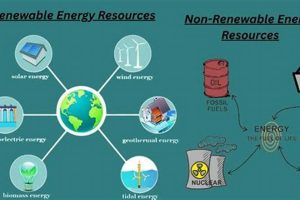
Harnessing power from the sun’s radiation and the movement of air currents represents a significant approach to electricity generation. These methods utilize naturally replenishing resources, providing alternatives to traditional fossil fuel-based power plants. Examples include photovoltaic panels that convert sunlight directly into electricity, and turbines that transform kinetic energy from moving air into mechanical energy, which is then used to generate electricity.
The adoption of these technologies offers numerous advantages. They contribute to a reduction in greenhouse gas emissions, mitigating the effects of climate change. Furthermore, reliance on these resources enhances energy security by decreasing dependence on finite and often geopolitically sensitive fuel sources. Historically, advancements in materials science and engineering have steadily improved the efficiency and cost-effectiveness of these systems, making them increasingly competitive in the energy market.
The following sections will delve into specific aspects of these power generation methods, including technological advancements, economic considerations, and the role they play in shaping a sustainable energy future. Further discussion will address grid integration challenges and policy frameworks designed to support their continued growth and deployment.
Guidance on Implementing Wind and Solar Resources
The following recommendations aim to assist stakeholders in maximizing the potential of electricity generation from naturally replenished resources. These points emphasize strategic planning, technological awareness, and long-term sustainability.
Tip 1: Conduct Thorough Site Assessments: Prior to deployment, comprehensive evaluations of potential locations are critical. Wind resource assessments should analyze wind speed and direction data over extended periods. Solar assessments must consider solar irradiance levels, shading factors, and optimal panel orientation. These analyses ensure project feasibility and maximize energy output.
Tip 2: Prioritize Grid Integration Strategies: Effective integration with existing electrical grids is essential. This includes implementing smart grid technologies to manage intermittency, utilizing energy storage solutions (e.g., batteries, pumped hydro) to smooth power output, and upgrading transmission infrastructure to accommodate the influx of renewable energy.
Tip 3: Embrace Technological Innovation: Continuously monitor and adopt advancements in turbine and panel technology. This may include exploring larger turbine designs, bifacial solar panels, and advanced materials to enhance efficiency and reduce costs. Investing in research and development fosters long-term competitiveness.
Tip 4: Optimize Energy Storage Solutions: Implement suitable energy storage systems to mitigate the intermittency challenges. Battery storage, pumped hydro storage, and other advanced solutions enhance grid stability and ensure a reliable energy supply, even when the sun isn’t shining or the wind isn’t blowing.
Tip 5: Develop Supportive Policy Frameworks: Governments and regulatory bodies should establish clear and consistent policies to incentivize adoption. This includes feed-in tariffs, tax credits, renewable energy mandates, and streamlined permitting processes. A stable policy environment encourages investment and accelerates deployment.
Tip 6: Foster Public Awareness and Education: Educating the public about the benefits and potential of these systems is crucial for gaining support. This includes highlighting the environmental advantages, economic opportunities, and social benefits associated with transitioning to a clean energy future.
Tip 7: Emphasize Life Cycle Assessment: Consider the entire life cycle of these systems, from manufacturing and installation to operation and decommissioning. This includes minimizing environmental impacts, promoting responsible resource management, and ensuring proper disposal of components at the end of their useful life.
Adhering to these guidelines will contribute to the effective and sustainable integration of these renewable resources into the energy mix, fostering a cleaner, more secure, and economically viable energy future.
The following section will explore the long-term impact of widespread adoption and potential future challenges.
1. Resource Availability

Resource availability is a foundational determinant of the viability and efficiency of electricity generation derived from wind and solar sources. The geographical distribution and intensity of these resources directly influence the energy output and economic feasibility of projects. A comprehensive understanding of resource assessment is therefore paramount.
- Geographical Variability
The availability of wind and solar resources varies significantly across different geographical locations. Regions with consistent high wind speeds are more suitable for wind farms, while areas with high solar irradiance are ideal for photovoltaic installations. This spatial heterogeneity necessitates detailed resource mapping and site-specific assessments to optimize project placement and maximize energy capture.
- Temporal Fluctuation
Both wind and solar resources exhibit temporal variations, including diurnal, seasonal, and inter-annual fluctuations. Solar radiation is obviously dependent on daylight hours and weather patterns, while wind patterns can change seasonally. Understanding these temporal trends is crucial for predicting energy output, designing appropriate storage solutions, and ensuring grid stability. Accurate forecasting models are essential for managing the intermittent nature of these resources.
- Resource Assessment Technologies
Advanced technologies are employed to assess the magnitude and consistency of wind and solar resources. For wind energy, anemometers, LiDAR (Light Detection and Ranging), and meteorological masts are used to measure wind speed and direction at various heights. Solar resource assessment relies on pyranometers, satellite data, and solar radiation models to quantify solar irradiance. The accuracy and reliability of these assessment tools are critical for making informed investment decisions and optimizing system design.
- Impact on System Design and Cost
Resource availability directly impacts the design and cost of wind and solar energy systems. Areas with less abundant resources may require larger installations or more efficient technologies to achieve the same energy output as locations with more favorable conditions. This can lead to increased capital costs and affect the economic competitiveness of projects. Therefore, a thorough understanding of resource characteristics is essential for optimizing system design and minimizing overall costs.
In conclusion, meticulous evaluation of resource availability, encompassing both geographical variability and temporal fluctuation, is indispensable for the successful deployment of wind and solar energy technologies. Accurate assessment using advanced tools is crucial for optimizing system design, minimizing costs, and ensuring the reliable delivery of clean energy. These findings underscore the necessity of continuous investment in resource monitoring and forecasting to facilitate the expansion of these clean energy sources.
2. Technological Advancement

Technological advancement serves as a fundamental driver in enhancing the efficiency, reliability, and economic viability of harnessing energy from wind and solar resources. Innovation across multiple engineering and scientific disciplines directly impacts the performance and scalability of related systems. The progressive evolution of materials science, electrical engineering, and control systems directly influences the effectiveness of electricity generation from these naturally replenished resources. Higher efficiency translates into increased power output for a given footprint and resource availability.
For example, advancements in photovoltaic (PV) cell technology have led to higher conversion efficiencies, reducing the amount of land required for solar farms and lowering the cost per kilowatt-hour generated. The development of bifacial solar panels, which capture sunlight from both sides, represents a significant step forward. Similarly, the evolution of wind turbine technology, including larger rotor diameters and taller towers, enables the capture of more wind energy. The use of advanced composite materials for turbine blades has increased their strength and durability, allowing for the construction of larger, more efficient turbines capable of operating in a wider range of wind conditions. Smart grid technologies also play a critical role, enabling more effective integration of variable renewable energy sources into the electrical grid, minimizing curtailment, and enhancing grid stability.
In summary, technological advancement is not merely an ancillary factor, but an essential component for unlocking the full potential of electricity generation from wind and solar sources. Continuous investment in research and development, coupled with the adoption of cutting-edge technologies, is vital for driving down costs, improving performance, and ensuring the widespread deployment of these sustainable energy solutions. Addressing future challenges, such as improved energy storage and grid modernization, relies heavily on further innovation in these fields to maximize the utilization of renewable resources.
3. Grid Integration

Efficient grid integration is paramount for the widespread adoption and reliable utilization of electricity generated from wind and solar resources. The inherent variability of these sources presents significant challenges to maintaining grid stability and ensuring a consistent power supply. Effective strategies and technologies are essential to address these issues and fully leverage the potential of these systems.
- Managing Intermittency
Wind and solar power generation are inherently intermittent, dependent on weather conditions and time of day. This variability can cause fluctuations in grid frequency and voltage, potentially leading to instability. Advanced forecasting techniques, coupled with real-time monitoring and control systems, are crucial for predicting and managing these fluctuations. Energy storage solutions, such as batteries and pumped hydro, can also play a vital role in smoothing out power output and providing a more predictable supply.
- Upgrading Transmission Infrastructure
Many of the best locations for wind and solar power generation are geographically remote from major population centers and existing transmission infrastructure. This necessitates significant investment in upgrading and expanding transmission lines to deliver electricity from these renewable sources to areas of high demand. High-voltage direct current (HVDC) transmission is often used for long-distance transport of power with minimal losses. Modernizing grid infrastructure is essential for accommodating the increasing penetration of wind and solar energy.
- Smart Grid Technologies
Smart grid technologies, including advanced metering infrastructure (AMI), phasor measurement units (PMUs), and distribution automation systems, enable enhanced monitoring and control of the electrical grid. These technologies allow for real-time data acquisition, improved grid visibility, and faster response to changing conditions. Smart grids facilitate the integration of distributed generation sources, such as rooftop solar panels, and enable more efficient management of energy flows, reducing congestion and improving overall grid reliability.
- Balancing Supply and Demand
Effective grid integration requires sophisticated mechanisms for balancing supply and demand. This includes demand response programs, which incentivize consumers to reduce their electricity consumption during peak demand periods, and flexible generation resources, such as natural gas-fired power plants, that can quickly ramp up or down to compensate for fluctuations in renewable energy output. Regional transmission organizations (RTOs) and independent system operators (ISOs) play a crucial role in coordinating these efforts and ensuring grid stability.
The successful integration of electricity from wind and solar resources hinges on addressing the challenges posed by intermittency and geographical constraints. Investing in advanced forecasting, upgrading transmission infrastructure, deploying smart grid technologies, and implementing effective balancing mechanisms are essential steps toward achieving a reliable and sustainable energy future. Continued innovation and collaboration among stakeholders are critical for maximizing the benefits of clean energy sources.
4. Energy Storage

The intrinsic variability of wind and solar resources necessitates robust energy storage solutions to ensure a consistent and reliable electricity supply. Without effective storage, the intermittent nature of these renewable sources poses a significant challenge to grid stability and widespread adoption. Energy storage acts as a buffer, mitigating fluctuations in generation and providing a dispatchable power source to meet demand, regardless of prevailing weather conditions or time of day. For example, large-scale battery storage systems deployed alongside solar farms can store excess energy generated during peak sunlight hours and release it during periods of high demand or low solar irradiance, such as at night.
Various storage technologies are currently employed or under development to address the challenges associated with the variable output of wind and solar resources. Lithium-ion batteries have become increasingly prevalent due to their high energy density and rapid response times, making them suitable for short-term storage and grid stabilization services. Pumped hydro storage, an established technology, utilizes excess electricity to pump water uphill to a reservoir, releasing it to generate electricity when needed. Other promising technologies include flow batteries, compressed air energy storage (CAES), and thermal energy storage, each offering unique advantages in terms of scalability, cost, and environmental impact. The integration of these technologies is crucial for enabling a grid powered predominantly by electricity from these sources.
Ultimately, the cost-effectiveness and scalability of energy storage solutions will determine the extent to which wind and solar can reliably replace traditional fossil fuel-based power plants. Ongoing research and development efforts are focused on improving the performance, reducing the cost, and extending the lifespan of storage technologies. Policy support, such as investment tax credits and mandates for energy storage deployment, is also essential for accelerating the adoption of these technologies and creating a more resilient and sustainable energy system. Overcoming these challenges is paramount to realizing the full potential of electricity generation from naturally replenished resources and achieving a decarbonized energy future.
5. Policy Support

Governmental and regulatory interventions play a pivotal role in shaping the landscape of electricity generation from wind and solar resources. Policy support mechanisms are designed to incentivize investment, promote technological innovation, and overcome market barriers that impede the widespread deployment of these renewable energy sources. The effectiveness of these policies directly influences the competitiveness and scalability of these systems.
- Feed-in Tariffs (FITs)
Feed-in tariffs provide guaranteed long-term contracts to renewable energy producers at a pre-determined price per kilowatt-hour of electricity generated. This price is typically set above market rates to ensure profitability and attract investment. Germany’s Energiewende, for instance, heavily relied on FITs to drive the rapid expansion of solar and wind power. The predictable revenue stream encourages project development and reduces financial risk for investors.
- Renewable Portfolio Standards (RPS)
Renewable Portfolio Standards mandate that a certain percentage of a utility’s electricity supply must come from renewable sources by a specified date. These standards create a market for renewable energy certificates (RECs), which represent the environmental attributes of renewable energy generation. California’s RPS, one of the most ambitious in the United States, has been instrumental in driving the growth of electricity from these sources. Compliance mechanisms ensure utilities meet their renewable energy targets.
- Tax Incentives and Subsidies
Tax credits, such as the Investment Tax Credit (ITC) for solar and the Production Tax Credit (PTC) for wind, reduce the upfront capital costs and operating expenses of renewable energy projects. Direct subsidies, such as grants and low-interest loans, provide additional financial support. These incentives lower the levelized cost of energy (LCOE) for renewable energy projects, making them more competitive with traditional fossil fuel-based power plants. The US federal government has utilized these tools extensively to promote renewable energy development.
- Net Metering Policies
Net metering allows homeowners and businesses with solar panels to receive credit on their electricity bills for excess electricity they send back to the grid. This incentivizes distributed generation and empowers consumers to become prosumers. States with robust net metering policies, such as Massachusetts, have seen significant growth in rooftop solar installations. Clear and consistent net metering rules are essential for fostering a supportive environment for small-scale renewable energy projects.
In conclusion, effective policy support is indispensable for fostering the growth of electricity generation from wind and solar sources. Feed-in tariffs, renewable portfolio standards, tax incentives, and net metering policies create a stable investment environment, reduce financial risks, and drive down the cost of renewable energy. These interventions are essential for achieving a sustainable energy transition and mitigating the impacts of climate change.
6. Economic Feasibility

Economic feasibility is a critical determinant in the widespread adoption of electricity generation from wind and solar resources. The ability of these technologies to compete with conventional power sources on a cost basis is essential for their long-term sustainability and integration into the energy mix. Factors influencing economic viability encompass capital costs, operating expenses, energy production potential, and market conditions.
- Levelized Cost of Energy (LCOE)
The Levelized Cost of Energy (LCOE) is a key metric for comparing the economic competitiveness of different energy sources. It represents the total cost of building and operating a power plant over its lifetime divided by the total energy generated. Decreasing LCOE for wind and solar is vital for attracting investment and achieving grid parity, where they become cost-competitive with fossil fuels. For example, advancements in turbine technology and panel efficiency have significantly reduced the LCOE of wind and solar projects in recent years, making them increasingly attractive options for utilities and investors.
- Capital Costs and Investment
The initial capital investment required for wind and solar projects is substantial. This includes the cost of turbines, solar panels, land acquisition, and grid connection. Government incentives, such as tax credits and subsidies, can significantly reduce these upfront costs, making projects more financially viable. Private equity, institutional investors, and public-private partnerships are crucial for mobilizing the necessary capital to finance large-scale renewable energy projects. Lowering the cost of components and streamlining the permitting process can further enhance the economic attractiveness of these investments.
- Operating and Maintenance (O&M) Expenses
Operating and maintenance (O&M) expenses include the costs associated with maintaining and repairing wind turbines and solar panels, as well as land lease payments and insurance. Reducing O&M costs is essential for improving the overall economic performance of these projects. Remote monitoring, predictive maintenance, and advanced diagnostics can help minimize downtime and optimize system performance. Economies of scale, achieved through larger project sizes, can also lead to lower O&M costs per unit of energy generated. Innovative business models, such as performance-based contracts, can further incentivize efficient O&M practices.
- Market Dynamics and Revenue Streams
The economic feasibility of wind and solar projects is also influenced by market dynamics and revenue streams. Electricity prices, demand patterns, and grid access policies all play a role in determining the profitability of these projects. Power purchase agreements (PPAs), where utilities commit to buying electricity from renewable energy producers at a fixed price, provide revenue certainty and reduce financial risk. Participation in energy markets and the sale of ancillary services, such as frequency regulation, can also generate additional revenue. Evolving market structures and regulatory frameworks can significantly impact the economic viability of wind and solar projects.
In conclusion, economic feasibility is a multifaceted consideration that encompasses LCOE, capital costs, O&M expenses, and market dynamics. Ongoing technological advancements, supportive government policies, and innovative financing mechanisms are driving down costs and improving the economic competitiveness of these systems. As these trends continue, wind and solar are poised to play an increasingly prominent role in the global energy transition, providing affordable, reliable, and sustainable electricity to meet growing demand.
7. Environmental Impact

Electricity generation from wind and solar sources presents a complex interplay of environmental benefits and potential adverse effects. A primary advantage lies in the reduction of greenhouse gas emissions compared to fossil fuel-based power plants. By displacing the combustion of coal, oil, and natural gas, these systems contribute to mitigating climate change and reducing air pollution. Furthermore, reliance on these renewable sources diminishes dependence on finite and often geopolitically sensitive fuel supplies, enhancing energy security. For instance, large-scale solar installations in desert regions can generate substantial amounts of clean electricity, decreasing the need for carbon-intensive power generation in nearby urban centers. The environmental impact, therefore, becomes an integral component of the overall value proposition.
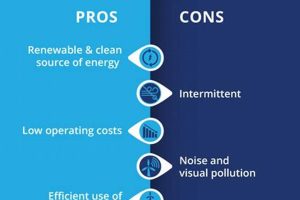
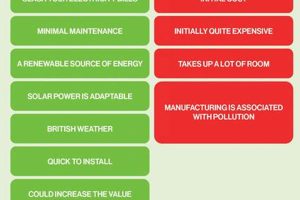
However, the deployment of electricity generation from wind and solar sources is not without potential ecological consequences. Wind farms can pose a threat to bird and bat populations, particularly migratory species. Careful site selection, advanced turbine designs, and mitigation strategies, such as curtailment during peak migration periods, are crucial to minimize these impacts. Solar farms require considerable land area, potentially leading to habitat loss and soil disturbance. Land use planning and responsible siting practices, including co-location with agricultural activities or utilization of brownfield sites, can help mitigate these effects. The manufacturing processes associated with turbine blades and solar panels also involve the use of energy and resources, necessitating a life cycle assessment approach to comprehensively evaluate environmental footprints.
In conclusion, the environmental impact of electricity generation from wind and solar sources is a multifaceted consideration that requires careful evaluation and management. While these systems offer substantial benefits in terms of reduced greenhouse gas emissions and enhanced energy security, it is essential to address potential negative effects on wildlife, land use, and resource consumption. Comprehensive environmental impact assessments, coupled with responsible siting practices, technological innovation, and effective mitigation strategies, are crucial for ensuring that electricity from these sources contributes to a truly sustainable energy future. Addressing these challenges is vital for maximizing the environmental benefits of renewable energy deployment.
Frequently Asked Questions
The following questions address common inquiries regarding the deployment, benefits, and challenges associated with harnessing power from wind and solar resources. These answers aim to provide clear and concise information based on current research and industry practices.
Question 1: How does the intermittency of wind and solar impact grid reliability?
The variability of wind and solar resources can pose challenges to grid stability. Advanced forecasting, energy storage solutions (e.g., batteries, pumped hydro), and smart grid technologies are deployed to mitigate these fluctuations and ensure a consistent power supply. Regional transmission organizations coordinate generation and transmission to balance supply and demand.
Question 2: What are the primary environmental concerns associated with wind energy?
Potential impacts on bird and bat populations are the most significant environmental concerns. Careful site selection, turbine design modifications (e.g., reduced cut-in speeds), and operational mitigation strategies (e.g., curtailment during peak migration) are implemented to minimize these effects. Noise pollution and visual impacts are also considerations addressed through regulatory frameworks and community engagement.
Question 3: What land requirements are associated with large-scale solar installations?
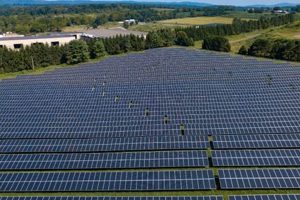
Solar farms require substantial land area, potentially leading to habitat loss. Responsible siting practices, such as utilizing degraded lands, brownfield sites, or co-locating with agricultural activities, are employed to minimize environmental impacts. The land use intensity of solar is often lower than that of resource extraction for fossil fuels.
Question 4: How does energy storage improve the viability of electricity generated from wind and solar?
Energy storage enables the storage of excess electricity generated during peak production periods for later use during periods of high demand or low renewable output. This enhances grid stability, reduces curtailment, and provides a more reliable power supply. Various storage technologies, including batteries, pumped hydro, and compressed air energy storage, are being deployed to address the intermittent nature of these resources.
Question 5: What policy mechanisms are most effective in promoting the adoption of wind and solar?
Feed-in tariffs, renewable portfolio standards, tax credits, and net metering policies are among the most effective mechanisms. These policies incentivize investment, reduce financial risk, and create stable markets for renewable energy. A consistent and supportive policy environment is crucial for fostering the growth of the wind and solar industries.
Question 6: What is the typical lifespan of a wind turbine or solar panel?
Wind turbines typically have a lifespan of 20-30 years, while solar panels can last 25-30 years or more. Regular maintenance and technological upgrades can extend the operational life of these systems. At the end of their useful life, components can be recycled or responsibly decommissioned to minimize environmental impacts.
Understanding these key aspects contributes to a more informed perspective on the opportunities and challenges presented by the increasing integration of electricity generation from naturally replenished sources into the global energy mix.
The following section will explore future trends and emerging technologies in the realm of sustainable energy.
Conclusion
The preceding exploration underscores the multifaceted nature of integrating wind and solar renewable energy into the global energy infrastructure. Factors ranging from resource availability and technological advancements to grid integration challenges and policy frameworks significantly influence the viability and scalability of these energy sources. Effective implementation demands comprehensive planning, continuous innovation, and a commitment to mitigating potential environmental impacts.
As the world confronts the urgent need for decarbonization, the continued development and responsible deployment of wind and solar renewable energy remain crucial. Further research, strategic investment, and adaptive policy are essential to unlock the full potential of these resources and secure a sustainable energy future for generations to come. The collective commitment to overcoming existing challenges will ultimately determine the degree to which these technologies can effectively address global energy demands while minimizing environmental consequences.