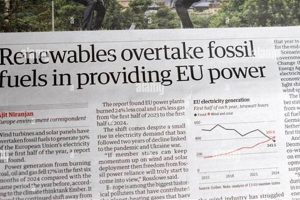
Sustainable power generation from sources like hydro, wind, solar, and bioenergy plays a significant role in Finland’s energy mix. For example, harnessing the power of rivers has long been a cornerstone of the nation’s electricity production.
This focus on environmentally friendly power sources contributes to reduced greenhouse gas emissions, bolstering energy independence and fostering economic growth within the burgeoning green technology sector. Historically, Finland’s abundant natural resources have laid the foundation for this transition towards a more sustainable energy future.
Further exploration will delve into specific renewable energy technologies employed in Finland, government policies supporting this sector, and future prospects for sustainable energy development within the country.
Tips for Engaging with Renewable Energy in Finland
This section offers practical guidance for individuals and businesses interested in contributing to or benefiting from Finland’s renewable energy landscape.
Tip 1: Research government incentives. Explore available grants, subsidies, and tax breaks for renewable energy installations and related investments. Specific programs may target homeowners, businesses, or community projects.
Tip 2: Explore community energy projects. Consider participating in locally owned renewable energy initiatives. This can involve investing in wind farms, solar parks, or biomass projects within one’s community.
Tip 3: Prioritize energy efficiency. Reducing energy consumption is as crucial as adopting renewable sources. Investing in energy-efficient appliances, insulation, and smart home technologies can significantly lower one’s environmental impact.
Tip 4: Support sustainable businesses. Patronize companies committed to using renewable energy and implementing sustainable practices. This encourages further development and adoption of green technologies.
Tip 5: Stay informed about policy changes. Keep abreast of evolving government regulations and policies regarding renewable energy. This knowledge can inform investment decisions and advocacy efforts.
Tip 6: Invest in renewable energy companies. Explore opportunities to invest directly in Finnish companies specializing in renewable energy technologies, project development, or related services.
By taking these steps, individuals and businesses can actively participate in Finland’s transition to a sustainable energy future, benefiting both the environment and the economy.
This practical guidance complements the broader discussion on Finland’s renewable energy landscape, leading to a comprehensive understanding of the topic and its implications.
1. Hydropower Dominance

Hydropower holds a dominant position within Finland’s renewable energy sector, stemming from the country’s abundant network of rivers and lakes. This geographical advantage has historically positioned hydropower as a reliable and readily available energy source. The consistent flow of water, even during winter months, ensures a stable energy supply, unlike intermittent sources such as solar and wind power. For example, the Kemijoki River, Finland’s longest, hosts numerous hydropower plants contributing significantly to the national grid. This dominance influences energy policy, infrastructure development, and environmental considerations related to river ecosystems.
The reliance on hydropower presents both opportunities and challenges for Finland’s renewable energy goals. While it provides a clean and relatively inexpensive energy source, the construction of large-scale dams can have ecological impacts on aquatic habitats and surrounding landscapes. Balancing the benefits of clean energy production with environmental preservation necessitates careful planning and mitigation strategies. Furthermore, climate change may introduce variability in water flow patterns, potentially impacting the long-term reliability of hydropower. Diversification of renewable energy sources, including increased investment in wind and solar power, is therefore a crucial aspect of Finland’s energy strategy.
Hydropower’s prominent role in Finland’s energy mix underscores the interplay between natural resources, technological development, and environmental stewardship. While hydropower continues to be a crucial component of the renewable energy landscape, its future depends on addressing ecological concerns and adapting to the evolving realities of climate change. A balanced approach, integrating diverse renewable energy sources, will be essential for achieving long-term energy sustainability in Finland.
2. Growing wind power

Wind power represents a rapidly expanding sector within Finland’s renewable energy portfolio. Driven by technological advancements, declining costs, and supportive government policies, wind energy capacity has experienced significant growth in recent years. This expansion contributes directly to national goals of reducing reliance on fossil fuels and mitigating climate change. The geographical suitability of certain regions, particularly coastal areas and Lapland, combined with favorable wind conditions, makes wind power a strategically important component of Finland’s energy transition. For example, the recent construction of large-scale offshore wind farms demonstrates the increasing investment in this technology.
The growth of wind power offers several key advantages for Finland. It diversifies the energy mix, reducing dependence on specific resources like hydropower. Furthermore, wind energy projects generate economic benefits through job creation in manufacturing, installation, and maintenance. The decentralized nature of wind farms can also empower local communities through ownership and revenue sharing. However, the intermittent nature of wind power necessitates strategies for grid management and energy storage to ensure a stable and reliable electricity supply. Balancing the visual impact of wind turbines with landscape aesthetics also requires careful planning and community engagement. The ongoing development of energy storage solutions, such as advanced battery technologies, addresses the intermittency challenge and further strengthens the role of wind power in the energy system. Finland’s commitment to technological innovation in this area is crucial for maximizing the potential of wind energy.
Wind power’s increasing contribution to Finland’s renewable energy landscape signifies a crucial step towards a more sustainable energy future. Addressing the technical and logistical challenges associated with integrating wind energy into the existing grid remains a priority. Continued investment in research, development, and infrastructure will be essential to fully realize the potential of wind power as a key driver of Finland’s clean energy transition and its contribution to broader European climate goals.
3. Bioenergy utilization

Bioenergy constitutes a substantial component of Finland’s renewable energy strategy, leveraging the nation’s significant forestry resources. Utilizing wood residues, forestry byproducts, and dedicated energy crops provides a sustainable and domestically sourced energy alternative to fossil fuels. This approach contributes to both energy security and rural economic development. The following facets illustrate bioenergy’s multifaceted role in Finland’s energy landscape.
- Combined Heat and Power (CHP) Plants
CHP plants efficiently generate both heat and electricity from biomass, maximizing resource utilization and minimizing waste. These facilities often serve district heating networks, providing a reliable and cost-effective heating solution for urban areas. For example, many Finnish cities utilize CHP plants fueled by wood chips and other forestry residues, reducing reliance on imported fossil fuels for heating. This integrated approach optimizes energy production and distribution, contributing significantly to national renewable energy targets.
- Biofuels for Transportation
Finland actively develops and utilizes biofuels derived from wood-based feedstocks to decarbonize the transportation sector. These biofuels can be blended with conventional gasoline and diesel, reducing greenhouse gas emissions from vehicles. Government incentives and research initiatives support the development of advanced biofuels, aiming to further reduce the environmental footprint of transportation. This focus on sustainable transportation fuels aligns with Finland’s broader commitment to climate action.
- Forestry Management Practices
Sustainable forestry management practices are crucial for ensuring the long-term viability of bioenergy production. Balancing the demand for biomass with ecological considerations requires careful planning and responsible harvesting techniques. Certification schemes and regulations promote sustainable forestry practices, ensuring the preservation of biodiversity and the long-term health of forest ecosystems. This integrated approach safeguards both environmental integrity and the continued availability of biomass for energy production.
- Technological Innovation
Finland invests in research and development of advanced bioenergy technologies, including the production of bio-based chemicals and materials. This expands the scope of bioenergy beyond traditional energy applications, creating new economic opportunities and further reducing reliance on fossil-based products. For example, the development of bio-based plastics and construction materials offers sustainable alternatives to conventional materials, contributing to a circular economy. This focus on innovation positions Finland at the forefront of bioeconomy development.
These interconnected facets demonstrate the integral role of bioenergy in Finland’s pursuit of a sustainable energy future. By integrating sustainable forestry practices, technological advancements, and strategic policy initiatives, Finland leverages its natural resources to reduce its carbon footprint, enhance energy independence, and stimulate economic growth in rural communities. This comprehensive approach positions bioenergy as a cornerstone of Finland’s long-term energy strategy.
4. Solar energy potential
While not as prominent as hydropower, wind, or bioenergy, solar energy plays an increasing role in Finland’s renewable energy landscape. Understanding its potential requires considering geographical factors, technological advancements, and policy support. Despite challenges related to latitude and seasonal variations in sunlight, ongoing developments in solar technology and supportive government initiatives are gradually enhancing the viability of solar power in Finland.
- Geographical Considerations
Finland’s northern latitude and extended periods of darkness during winter pose challenges for solar energy generation. However, the long daylight hours during summer, particularly in the southern regions, offer opportunities for harnessing solar power. While overall solar irradiance is lower compared to more southern countries, technological advancements continue to improve the efficiency of solar panels in capturing available sunlight, making solar energy a progressively more viable option even in less optimal conditions.
- Technological Advancements
Continuous improvements in photovoltaic (PV) technology, including increased panel efficiency and reduced production costs, contribute to the growing adoption of solar power in Finland. Advancements in energy storage solutions also address the intermittency challenge posed by seasonal variations in sunlight. For example, the development of more efficient and affordable battery storage systems enables homeowners and businesses to store excess solar energy generated during summer months for use during winter, enhancing the reliability and practicality of solar power.
- Policy Support and Incentives
Government policies and financial incentives, such as feed-in tariffs and tax breaks for solar installations, encourage both residential and commercial adoption of solar energy. These initiatives aim to stimulate market growth and accelerate the integration of solar power into the national grid. For instance, subsidies for rooftop solar panel installations have made solar energy more accessible to homeowners, contributing to a steady increase in residential solar capacity across the country.
- Integration with other Renewable Sources
Solar energy complements other renewable energy sources in Finland, contributing to a more diversified and resilient energy mix. Integrating solar power with existing hydropower, wind, and bioenergy infrastructure enhances grid stability and reduces reliance on fossil fuels. For example, combining solar power with hydropower reservoirs allows for flexible energy storage and dispatch, optimizing the utilization of both renewable sources. This integrated approach enhances the overall effectiveness of Finland’s renewable energy strategy.
While solar energy currently plays a smaller role compared to other renewable sources in Finland, its potential continues to grow. Ongoing technological advancements, supportive government policies, and the increasing need for diversified energy sources suggest that solar power will become an increasingly important component of Finland’s renewable energy future, contributing to national emission reduction targets and enhancing energy independence.
5. Government Support

Government support plays a crucial role in the development and expansion of renewable energy in Finland. Policy frameworks, financial incentives, and research initiatives create a favorable environment for investment and innovation in the renewable energy sector. This support is essential for achieving national targets for emissions reductions, enhancing energy security, and fostering economic growth within the green technology sector. The following facets illustrate the multifaceted nature of government involvement in promoting renewable energy in Finland.
- Feed-in Tariffs and Subsidies
Feed-in tariffs guarantee fixed prices for renewable energy fed into the national grid, providing a stable revenue stream for renewable energy producers. Subsidies for renewable energy installations, such as grants for solar panels or wind turbines, reduce the initial investment costs and make these technologies more accessible to individuals and businesses. These financial incentives stimulate market growth and accelerate the adoption of renewable energy technologies across various sectors.
- Renewable Energy Targets and Quotas
The Finnish government sets ambitious targets for renewable energy production, outlining clear goals for the share of renewables in the national energy mix. These targets provide a roadmap for the energy transition and drive investment in renewable energy projects. For example, the target of achieving carbon neutrality by 2035 necessitates significant increases in renewable energy capacity across all sectors, including electricity generation, heating, and transportation. These targets create a sense of urgency and direction for both public and private sector stakeholders.
- Research and Development Funding
Government funding supports research and development in renewable energy technologies, fostering innovation and driving technological advancements. This includes funding for universities, research institutions, and private companies engaged in developing next-generation solar panels, more efficient wind turbines, advanced bioenergy solutions, and smart grid technologies. These investments contribute to the long-term competitiveness of the Finnish renewable energy sector and its ability to contribute to global solutions for climate change.
- Streamlined Permitting Processes
The government has implemented streamlined permitting processes for renewable energy projects, reducing bureaucratic hurdles and accelerating project development timelines. This simplifies the approval process for wind farms, solar parks, and other renewable energy installations, enabling faster deployment and reducing investment risks. This efficient regulatory framework encourages private sector investment and facilitates the timely implementation of renewable energy projects.
These interconnected facets of government support demonstrate Finland’s commitment to a sustainable energy future. By combining financial incentives, ambitious targets, research funding, and efficient regulations, the government creates a favorable environment for the growth and development of the renewable energy sector. This comprehensive approach positions Finland as a leader in the global transition to clean energy and contributes significantly to achieving national climate goals and fostering a more sustainable and resilient energy system.
6. Technological Innovation
Technological innovation is a critical driver of Finland’s renewable energy transition. Advancements in various technologies directly impact the efficiency, cost-effectiveness, and overall viability of renewable energy sources. Exploring specific areas of innovation provides insights into how technology shapes Finland’s sustainable energy landscape.
- Smart Grid Technologies
Smart grid technologies optimize energy distribution and management, integrating various renewable energy sources seamlessly into the electricity grid. Advanced sensors, real-time data analytics, and automated control systems enhance grid stability and reliability, accommodating the fluctuating nature of renewable energy sources like solar and wind power. This improved grid management facilitates greater penetration of renewable energy and minimizes transmission losses.
- Energy Storage Solutions
Developing advanced energy storage solutions is essential for addressing the intermittency challenges associated with renewable energy. Battery storage technologies, pumped hydro storage, and other innovative storage methods enable the storage of excess energy generated during periods of high renewable energy production for use during periods of lower generation or higher demand. These technologies enhance the reliability and dispatchability of renewable energy, making it a more consistent and dependable energy source.
- Next-Generation Solar Panel Technology
Research and development in next-generation solar panel technology focuses on increasing efficiency, reducing manufacturing costs, and improving the performance of solar panels in diverse weather conditions. Advances in materials science, nanotechnology, and photovoltaic cell design contribute to more efficient energy capture and conversion, enhancing the overall viability of solar power in Finland’s climate. These innovations drive down the cost of solar energy and expand its applicability in various settings.
- Advanced Bioenergy Technologies
Innovation in bioenergy technologies focuses on optimizing the utilization of biomass resources for energy production and developing advanced biofuels. Research explores new methods for converting biomass into biofuels, biogas, and other bio-based products, maximizing energy efficiency and minimizing environmental impact. Developing advanced biorefineries and exploring the potential of bio-based chemicals and materials expands the scope of bioenergy and contributes to a circular economy.
These technological advancements are pivotal for Finland’s transition to a sustainable energy future. By continuously investing in research and development, Finland enhances the efficiency and cost-competitiveness of renewable energy sources, paving the way for greater reliance on clean energy, reduced greenhouse gas emissions, and enhanced energy independence. These innovations not only benefit Finland’s domestic energy landscape but also contribute to the global effort in combating climate change and promoting a sustainable energy future for all.
7. Energy Independence Goals
Energy independence is a central driver of Finland’s commitment to renewable energy. Reducing reliance on imported fossil fuels enhances national energy security, mitigates geopolitical risks, and contributes to economic stability. Renewable energy sources, being domestically available, play a key role in achieving these energy independence goals. The following facets illustrate the interconnectedness between energy independence and renewable energy development in Finland.
- Reduced Reliance on Fossil Fuel Imports
Increasing the share of renewable energy in the national energy mix directly reduces Finland’s dependence on imported fossil fuels. This lessens vulnerability to price fluctuations and supply disruptions in global energy markets, enhancing energy security and price stability for consumers and businesses. For example, the increased use of domestically sourced bioenergy reduces the need for imported coal and natural gas for heating.
- Geopolitical Stability
Energy independence strengthens Finland’s geopolitical position by reducing its reliance on energy imports from politically volatile regions. This enhances national security and provides greater autonomy in foreign policy decisions. Diversifying energy sources and strengthening domestic energy production capacity contribute to a more resilient and secure energy system less susceptible to external pressures. This focus on energy autonomy aligns with broader national security and strategic objectives.
- Economic Benefits and Job Creation
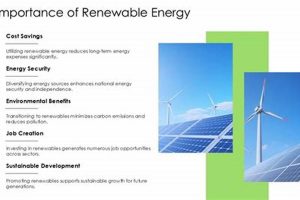
Investing in renewable energy generates economic benefits and creates jobs within Finland. The renewable energy sector requires skilled labor in manufacturing, installation, maintenance, and research and development. This stimulates economic growth and creates new employment opportunities, particularly in rural areas. For instance, the growth of the wind energy sector creates jobs in turbine manufacturing, installation, and maintenance, contributing to regional economic development. Furthermore, reduced reliance on imported fossil fuels keeps more capital within the domestic economy.
- Climate Change Mitigation
Achieving energy independence through renewable energy directly contributes to Finland’s climate change mitigation goals. Replacing fossil fuels with renewable energy sources significantly reduces greenhouse gas emissions, helping Finland meet its commitments under international climate agreements. This transition to a low-carbon economy aligns with global efforts to address climate change and positions Finland as a leader in sustainable development. The reduction in emissions contributes to both national and global climate objectives.
These interconnected facets demonstrate the crucial role of renewable energy in achieving Finland’s energy independence goals. By reducing reliance on imported fossil fuels, enhancing geopolitical stability, stimulating economic growth, and mitigating climate change, renewable energy contributes to a more secure, sustainable, and prosperous future for Finland. This strategic focus on renewable energy positions the nation as a model for other countries seeking to enhance their energy independence and transition to a cleaner energy future. Furthermore, Finland’s experience offers valuable insights and lessons learned for other nations navigating the complexities of energy independence in a rapidly evolving global energy landscape.
Frequently Asked Questions about Renewable Energy in Finland
This section addresses common inquiries regarding Finland’s renewable energy landscape, providing concise and informative responses.
Question 1: What is the most dominant renewable energy source in Finland?
Hydropower historically holds the largest share of Finland’s renewable energy production, leveraging the nation’s abundant rivers and lakes. However, wind power is rapidly expanding and is expected to play an increasingly significant role in the future.
Question 2: How does Finland’s climate impact solar energy production?
Finland’s northern latitude and limited sunlight during winter months pose challenges for solar energy. However, advancements in solar panel technology and energy storage solutions are improving solar viability, particularly during extended summer daylight hours.
Question 3: What role does bioenergy play in Finland’s energy mix?
Bioenergy, primarily derived from sustainable forestry practices and wood residues, contributes significantly to Finland’s energy supply, particularly in combined heat and power (CHP) plants and the production of biofuels for transportation.
Question 4: How does the Finnish government support renewable energy development?
The Finnish government employs various policy mechanisms, including feed-in tariffs, subsidies for renewable energy installations, research and development funding, and streamlined permitting processes, to incentivize and accelerate the growth of the renewable energy sector.
Question 5: What are Finland’s primary goals for energy independence?
Finland aims to enhance energy security by reducing reliance on imported fossil fuels, mitigating geopolitical risks, and fostering domestic economic growth through renewable energy development. This aligns with national climate change mitigation targets.
Question 6: How does technological innovation contribute to Finland’s renewable energy strategy?
Technological advancements in areas such as smart grids, energy storage solutions, next-generation solar panels, and advanced bioenergy technologies play a crucial role in enhancing the efficiency, cost-effectiveness, and integration of renewable energy sources into Finland’s energy system.
Understanding these key aspects of renewable energy in Finland provides a foundation for further exploration of this dynamic and evolving landscape.
This FAQ section provides a helpful overview, leading into a deeper exploration of specific renewable energy technologies and their impact on Finland’s energy future.
Finland Renewable Energy
This exploration has highlighted the multifaceted nature of renewable energy within Finland. From the established dominance of hydropower to the rapid growth of wind power and the significant contributions of bioenergy, the nation demonstrates a clear commitment to a sustainable energy future. Government support, technological innovation, and strategic pursuit of energy independence underpin this transition. While challenges remain, particularly regarding the integration of intermittent renewable sources and the geographical limitations of solar power, ongoing advancements and policy initiatives position Finland as a leader in renewable energy adoption. The examination of specific technologies, government policies, and economic considerations underscores the complexities and opportunities inherent in this evolving landscape.
Finland’s experience provides valuable insights for other nations navigating the complexities of energy transition. The nation’s strategic approach, combining natural resource advantages with technological innovation and policy support, offers a compelling model for achieving a sustainable and secure energy future. Continued investment in research, development, and infrastructure will be crucial for realizing the full potential of renewable energy and achieving long-term climate goals, not only within Finland but also within the broader global context. The pursuit of sustainable energy solutions remains a continuous journey, demanding ongoing adaptation, innovation, and collaboration to ensure a cleaner and more secure energy future for generations to come.