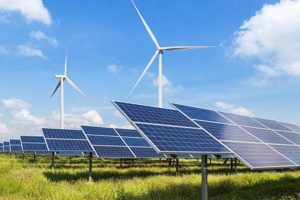
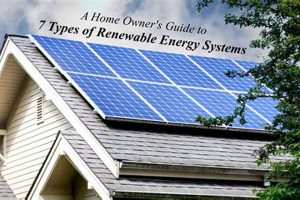
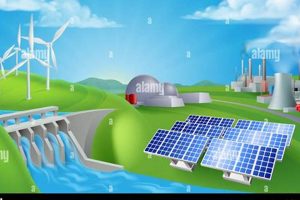
The United States Department of Agriculture (USDA) offers funding opportunities to agricultural producers and rural small businesses for the development and implementation of renewable energy systems. These programs support a variety of technologies, including solar, wind, geothermal, biomass, and hydropower. For example, a farm could receive funding to install solar panels to power its operations, reducing reliance on conventional energy sources.
Investing in renewable energy infrastructure within the agricultural sector and rural communities offers significant advantages. These include reduced energy costs for producers, increased energy independence, enhanced farm profitability, the creation of rural jobs, and reduced greenhouse gas emissions, contributing to a cleaner environment. Historically, the USDA has played a key role in promoting rural development and supporting American farmers, and these funding opportunities represent a continuation of that commitment in the face of evolving energy needs and environmental concerns.
This article will explore the various programs available, eligibility requirements, the application process, and successful project examples. It will also delve into the broader impact of these initiatives on rural economies and the nation’s energy landscape.
Tips for Securing Funding
Successfully obtaining funding requires careful planning and a thorough understanding of the programs. The following tips offer guidance for navigating the application process and increasing the likelihood of a successful outcome.
Tip 1: Thoroughly Research Available Programs: The USDA offers a range of programs with specific eligibility criteria and technological focuses. Carefully review each program to identify the best fit for the proposed project. For instance, a program focused on bioenergy may not be suitable for a solar installation.
Tip 2: Engage with USDA Rural Development Staff: Local USDA Rural Development offices provide valuable assistance and guidance throughout the application process. Contacting staff early can help clarify program requirements and ensure a complete application.
Tip 3: Develop a Comprehensive Project Plan: A well-defined project plan demonstrating clear objectives, a detailed budget, and a strong understanding of the proposed technology is essential for a successful application. Include realistic timelines and quantifiable benefits.
Tip 4: Ensure Eligibility Requirements Are Met: Carefully review all eligibility requirements, including project location, applicant status, and technical specifications. Applications that do not meet these requirements will be rejected.
Tip 5: Provide Accurate and Complete Information: Submit a complete application package with all required documentation. Inaccurate or incomplete information can delay processing or lead to rejection.
Tip 6: Seek Professional Assistance if Needed: Consult with energy efficiency experts or grant writing professionals to strengthen the application and ensure it meets the highest standards.
Tip 7: Follow Up After Submission: Maintain communication with the USDA Rural Development office after submitting the application. Following up demonstrates continued interest and allows for addressing any questions or requests for additional information.
By following these tips, applicants can significantly improve their chances of securing funding and contributing to a more sustainable future for their operations and communities.
This information provides a starting point for exploring USDA funding opportunities. Further research and consultation with relevant experts are encouraged to ensure the best possible outcome.
1. Funding Sources

Funding sources for USDA renewable energy grants originate from various Congressional appropriations dedicated to rural development and renewable energy initiatives. These appropriations are allocated to specific USDA programs, such as the Rural Energy for America Program (REAP) and the Biorefinery Assistance Program. The availability of funding influences the number and size of grants awarded each year. Congressional priorities and budgetary constraints directly impact the overall funding landscape for these programs. For example, increased emphasis on climate change mitigation might lead to higher allocations for renewable energy grant programs. Conversely, budget cuts could restrict available funding, making competition for grants more intense. Understanding these dynamics is essential for potential applicants.
The diversity of funding sources reflects the multifaceted nature of renewable energy development in rural areas. While REAP focuses on a broad range of renewable energy technologies and energy efficiency improvements, other programs target specific areas like biofuels or community-scale projects. This targeted approach allows for a more focused application of resources and expertise. For instance, the Community Facilities Program provides grants for renewable energy projects in rural communities, supporting local infrastructure development and bolstering economic growth. The existence of these varied programs necessitates careful consideration by applicants to ensure alignment between project goals and available funding opportunities.
A clear understanding of the funding sources supporting USDA renewable energy grants is crucial for effective project planning and successful applications. Analyzing historical funding trends, current budgetary allocations, and program-specific funding criteria allows applicants to develop competitive proposals and navigate the application process strategically. Moreover, recognizing the connection between Congressional priorities and funding availability provides valuable insights into the broader policy context shaping renewable energy development in rural America. This understanding contributes to a more informed and strategic approach to securing funding and implementing impactful renewable energy projects.
2. Eligibility Criteria

Eligibility criteria determine which individuals, businesses, and organizations can access USDA renewable energy grants. These criteria serve as gatekeeping mechanisms, ensuring that funds are allocated to projects aligned with program objectives and Congressional mandates. Criteria often include factors such as applicant type (e.g., agricultural producers, rural small businesses, tribal entities), project location (e.g., rural areas, designated zones), and project technology (e.g., solar, wind, biomass). A clear understanding of these criteria is essential for successful application. For instance, a large urban business would not qualify for a program specifically designed for rural small businesses. Similarly, a project proposing fossil fuel technology wouldn’t be eligible for a renewable energy grant. The connection between eligibility criteria and grant access is direct; meeting the criteria is a prerequisite for consideration.
Eligibility criteria also shape the impact of these grants. By targeting specific groups and project types, the USDA can ensure that funding reaches underserved communities, promotes economic development in rural areas, and supports the adoption of innovative renewable energy technologies. For example, prioritizing grants for small farms and ranches can help diversify rural economies and increase energy independence in the agricultural sector. Similarly, focusing on emerging technologies can accelerate their deployment and contribute to national clean energy goals. The design and implementation of eligibility criteria are therefore instrumental in achieving the broader policy objectives of these grant programs.
Careful consideration of eligibility criteria is essential for successful navigation of the application process. Applicants must thoroughly review program guidelines to assess their eligibility before investing time and resources in developing a proposal. Overlooking seemingly minor details within the criteria can lead to disqualification. A comprehensive understanding of eligibility criteria enables potential applicants to strategically align their projects with program goals, increasing the likelihood of securing funding and contributing to a more sustainable energy future.
3. Application Process

The application process for USDA renewable energy grants serves as a critical bridge between potential recipients and the realization of their renewable energy projects. A well-structured and transparent application process ensures fair competition, efficient allocation of funds, and accountability in the use of public resources. This process typically involves several key stages: pre-application planning, formal application submission, project review and evaluation, award notification, and post-award compliance. Each stage plays a vital role in ensuring that funding reaches deserving projects that align with program objectives. For example, the pre-application stage allows potential applicants to assess their eligibility, gather necessary documentation, and develop a competitive project proposal. A robust review and evaluation process ensures that projects are assessed based on merit, technical feasibility, and potential impact. The application process, therefore, functions as a critical filter, selecting projects most likely to succeed and deliver the desired outcomes.
The complexity of the application process reflects the significant investment of public funds and the long-term implications of renewable energy projects. Detailed project proposals, comprehensive budgets, environmental impact assessments, and technical specifications are often required. This rigorous approach minimizes risks, maximizes the return on investment, and ensures that projects meet stringent standards for environmental sustainability and technical feasibility. For instance, a solar farm project application might require detailed site assessments, energy production projections, interconnection agreements with local utilities, and plans for mitigating environmental impacts. This level of detail allows reviewers to assess the project’s viability and long-term sustainability comprehensively. Understanding the intricacies of the application process is paramount for successful navigation and securing funding.
Navigating the application process effectively requires careful planning, attention to detail, and adherence to deadlines. Potential applicants are encouraged to consult program guidelines, seek technical assistance from USDA staff, and leverage available resources to strengthen their applications. Failing to comply with application requirements can result in disqualification, delaying or derailing potentially impactful projects. Ultimately, a thorough understanding of the application process empowers applicants, fosters transparency, and contributes to the successful deployment of renewable energy projects in rural communities. This process, while demanding, serves as a cornerstone in the broader effort to promote sustainable energy development and support rural prosperity.
4. Project Types

The diversity of eligible project types under USDA renewable energy grant programs reflects the breadth of renewable energy technologies and their potential applications in rural settings. These programs support a wide range of projects, including solar installations (both photovoltaic and thermal), wind turbines, anaerobic digesters, geothermal heat pumps, hydropower systems, and bioenergy projects utilizing various biomass feedstocks. This variety allows for tailored solutions to meet the unique energy needs of diverse agricultural operations and rural communities. The connection between project type and grant eligibility is crucial. For example, a grant program specifically designed for bioenergy projects would not fund a wind turbine installation. Understanding eligible project types is fundamental to aligning project goals with specific funding opportunities. This alignment maximizes the chances of securing funding and contributes to a more diversified and resilient rural energy landscape. A farm seeking to reduce its reliance on fossil fuels might pursue a grant for solar panels to power its operations, while a rural community might seek funding for a district heating system powered by biomass.
The specific requirements and funding levels associated with different project types vary significantly. Factors such as project size, technology maturity, environmental impact, and potential for job creation influence funding decisions. A large-scale wind farm project, for instance, might require a larger grant and more extensive environmental review than a small-scale solar installation on a farm. The cost-effectiveness of different technologies also plays a role. Programs often prioritize projects demonstrating a strong return on investment and the potential for long-term sustainability. This nuanced approach to project type evaluation ensures responsible allocation of public funds and maximizes the impact of renewable energy investments in rural areas. Furthermore, prioritizing certain project types can stimulate innovation and accelerate the adoption of emerging technologies, contributing to broader national clean energy goals. For example, grants focused on anaerobic digester projects can encourage the development of biogas production from agricultural waste, reducing greenhouse gas emissions and creating new revenue streams for farmers.
A thorough understanding of eligible project types, associated requirements, and funding priorities is essential for successful grant applications. Potential applicants must carefully assess their energy needs, evaluate available technologies, and select project types aligned with both their operational goals and program-specific criteria. This strategic alignment increases the likelihood of securing funding, supports the deployment of appropriate technologies, and contributes to a more sustainable and resilient energy future for rural America. By connecting specific project types with targeted funding opportunities, these grant programs drive innovation, promote economic development, and reduce the environmental footprint of agricultural activities and rural communities.
5. Reporting Requirements

Reporting requirements are integral to USDA renewable energy grants, ensuring accountability and transparency in the use of public funds. These requirements serve as a mechanism for tracking project progress, verifying the achievement of stated objectives, and assessing the overall impact of investments. Grantees are typically obligated to submit regular reports detailing project milestones, expenditures, energy generated, and other relevant metrics. These reports provide crucial data that allow the USDA to monitor program effectiveness, identify challenges, and refine future funding strategies. The connection between reporting requirements and grant compliance is direct; fulfilling these requirements is a contractual obligation for recipients. Failure to comply can result in sanctions, including the suspension of funding or the requirement to repay grant funds. For example, a grantee receiving funding for a solar installation would be required to report on the system’s energy output, demonstrating that the project is delivering the anticipated environmental and economic benefits. This reporting ensures that public funds are utilized responsibly and effectively.
The specific reporting requirements vary depending on the grant program, project type, and funding amount. Some programs might require quarterly progress reports, while others might mandate annual reports or specific technical documentation. These requirements are designed to align with the unique characteristics of different projects and technologies. A large-scale wind farm project, for instance, might have more extensive reporting requirements than a small-scale biomass heating system. The reporting process also facilitates knowledge sharing and best practice dissemination. By collecting and analyzing data from various projects, the USDA can identify successful strategies, address common challenges, and develop resources to support future grantees. This feedback loop strengthens the overall effectiveness of the grant programs and contributes to continuous improvement in renewable energy project development and implementation.
Understanding and adhering to reporting requirements is essential for successful grant management. Grantees should familiarize themselves with program-specific guidelines, establish robust data collection systems, and allocate sufficient resources for reporting activities. Proactive communication with USDA program staff can also help clarify reporting expectations and address any questions or challenges that may arise. Effective reporting not only ensures compliance but also contributes to the broader goals of transparency, accountability, and continuous improvement in the deployment of renewable energy technologies in rural America. By fulfilling these requirements, grantees demonstrate responsible stewardship of public funds and contribute to a more informed and data-driven approach to renewable energy development.
6. Technical Assistance

Technical assistance plays a crucial role in the successful implementation of USDA renewable energy grants, bridging the gap between funding availability and project execution. It provides critical support to grant recipients, empowering them to navigate the complexities of renewable energy project development, from initial planning and feasibility studies to system design, installation, and ongoing operation. This support is essential for maximizing the impact of grant funding and ensuring long-term project success.
- Feasibility Studies and Site Assessments:
Technical assistance often includes support for conducting thorough feasibility studies and site assessments. These assessments evaluate the technical and economic viability of proposed projects, considering factors such as resource availability (solar irradiance, wind speed, biomass feedstock), site suitability, energy demand, and potential environmental impacts. For example, a farm considering a wind turbine installation would benefit from a wind resource assessment to determine the expected energy output and financial viability of the project. These assessments provide critical information for informed decision-making and project design.
- System Design and Engineering Support:
Technical assistance can provide specialized expertise in system design and engineering. This support ensures that renewable energy systems are designed optimally to meet the specific needs of the recipient and maximize energy production. For example, a rural community developing a biomass-fueled district heating system might receive assistance with optimizing boiler design, fuel handling systems, and distribution network layout. This specialized support is critical for ensuring system efficiency, reliability, and safety.
- Financial Analysis and Grant Management:
Navigating the financial aspects of renewable energy projects can be complex. Technical assistance can provide support with developing detailed project budgets, securing financing, managing grant funds, and tracking project expenditures. For a small business investing in a solar photovoltaic system, this assistance might include developing a financial model to project energy cost savings and return on investment. This support ensures responsible financial management and enhances project sustainability.
- Permitting and Regulatory Compliance:
Renewable energy projects often require various permits and approvals from local, state, and federal agencies. Technical assistance can guide recipients through the permitting process, ensuring compliance with environmental regulations, building codes, and interconnection requirements. For instance, a biogas digester project might require permits related to air emissions, wastewater discharge, and odor control. Navigating these regulatory requirements can be challenging, and technical assistance streamlines the process, minimizing delays and ensuring project compliance.
These facets of technical assistance are interconnected and contribute to the overall success of USDA renewable energy grant projects. By providing comprehensive support throughout the project lifecycle, technical assistance empowers grant recipients to effectively deploy renewable energy technologies, reduce energy costs, enhance energy independence, and contribute to a more sustainable rural economy. Access to technical expertise is often a deciding factor in project success, transforming grant funding into tangible, impactful outcomes.
Frequently Asked Questions
This section addresses common inquiries regarding USDA renewable energy funding opportunities. Clarity on these points can facilitate informed decision-making and successful project development.
Question 1: What types of renewable energy technologies are eligible for funding?
Eligible technologies include solar, wind, geothermal, biomass, hydropower, and anaerobic digesters, among others. Specific eligibility may vary by program.
Question 2: Who is eligible to apply for these grants?
Eligibility criteria typically include agricultural producers, rural small businesses, and tribal entities. Specific requirements vary by program and may include factors such as location, business size, and ownership structure.
Question 3: What is the typical grant award range?
Grant amounts vary depending on the program, project type, and overall cost. Some programs offer grants covering a percentage of total project costs, while others provide fixed amounts. It’s essential to review specific program guidelines for detailed information.
Question 4: What is the application process, and are there deadlines?
Application processes vary by program. Generally, they involve submitting a detailed project proposal, budget, and supporting documentation. Most programs have specific application deadlines, which are crucial to observe.
Question 5: What kind of technical assistance is available?
The USDA and its partners offer various forms of technical assistance, including feasibility studies, system design support, financial analysis, and assistance with permitting and regulatory compliance. This assistance aims to support successful project development and implementation.
Question 6: How are funded projects monitored for compliance and performance?
Recipients are typically required to submit regular reports documenting project progress, expenditures, and performance metrics. The USDA monitors these reports to ensure compliance with grant terms and conditions and to track the effectiveness of funded projects.
Thoroughly researching specific programs and contacting USDA Rural Development staff is strongly advised to gain a comprehensive understanding of eligibility, requirements, and application procedures. This proactive approach significantly enhances the likelihood of a successful outcome.
The next section will provide detailed case studies of successful renewable energy projects funded through USDA programs, showcasing real-world examples of the positive impacts these grants can have on rural communities and agricultural operations.
Conclusion
USDA renewable energy grant programs represent a crucial investment in the future of rural America. These programs offer significant opportunities to reduce energy costs, enhance energy independence, stimulate rural economic development, and mitigate the environmental impact of agricultural activities. This exploration has highlighted the diverse range of available programs, eligibility criteria, application processes, and the importance of technical assistance in ensuring project success. The variety of eligible project types, encompassing solar, wind, biomass, geothermal, and other renewable energy technologies, underscores the adaptability of these programs to meet the unique energy needs of diverse rural communities and agricultural operations.
The continued development and strategic implementation of these grant programs are essential for fostering a more sustainable and resilient agricultural sector and promoting economic prosperity in rural areas. By empowering agricultural producers and rural small businesses to adopt clean energy solutions, these programs contribute to a cleaner environment, reduce reliance on fossil fuels, and create new economic opportunities. The long-term success of these initiatives relies on sustained commitment, ongoing program evaluation, and adaptation to the evolving energy landscape. These grants represent a vital pathway toward a more sustainable and prosperous future for rural America, offering a powerful mechanism for transforming the nation’s energy infrastructure and strengthening rural communities.