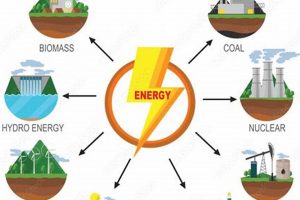
Committing capital to the United Kingdom’s renewable energy sector encompasses a wide range of opportunities, from funding large-scale wind and solar farms to supporting innovative technologies like tidal power and green hydrogen production. For example, investors might purchase shares in established renewable energy companies, contribute to crowdfunding campaigns for community-owned solar projects, or participate in government-backed green bonds. This financial support drives the development, deployment, and maintenance of technologies that generate electricity and heat from sustainable sources.
The growth of the UK’s sustainable energy infrastructure offers significant advantages, contributing to national energy security by diversifying supply and reducing reliance on fossil fuels. It plays a crucial role in meeting carbon emission reduction targets, mitigating climate change and its associated risks. Historically, government incentives and subsidies have played a vital role in attracting investment, and the sector’s continued expansion is expected to create numerous jobs and stimulate economic growth across the country.
This article will further explore key aspects of financing sustainable power generation in the UK, covering topics such as current investment trends, promising technologies, regulatory frameworks, and potential risks and returns. It will also analyze the role of government policy and private sector initiatives in shaping the future of the industry.
Tips for Renewable Energy Investment in the UK
Careful consideration of various factors is crucial for successful and impactful capital allocation within the UK’s renewable energy landscape. The following tips offer guidance for potential investors.
Tip 1: Diversify Investments: Spreading investments across different renewable energy technologies mitigates risks associated with individual sectors. A balanced portfolio might include wind, solar, hydro, and emerging technologies like tidal or geothermal energy.
Tip 2: Understand the Regulatory Landscape: Thorough research of government policies, incentives, and planning permissions is essential for navigating the regulatory complexities and maximizing returns.
Tip 3: Consider Project Scale and Location: Evaluating the size and geographical location of projects helps assess potential environmental impacts, grid connection feasibility, and community acceptance.
Tip 4: Assess the Financial Performance of Target Companies: Analyzing financial statements, projected returns, and the management team’s expertise is vital before investing in specific renewable energy companies.
Tip 5: Evaluate Long-Term Sustainability: Consider the lifespan of the technology, maintenance requirements, and potential for future innovation to ensure long-term profitability and environmental benefits.
Tip 6: Seek Expert Advice: Consulting with financial advisors specializing in renewable energy investments can provide valuable insights and personalized guidance.
Tip 7: Explore Community Energy Projects: Investing in community-owned renewable energy initiatives offers opportunities for local engagement and direct impact alongside potential financial returns.
By carefully considering these tips, investors can contribute to the growth of the UK’s renewable energy sector while making informed decisions aligned with their financial goals and sustainability objectives.
This guidance serves as a starting point for further exploration of specific investment opportunities and due diligence. The subsequent sections will delve deeper into individual renewable energy technologies, market trends, and risk mitigation strategies.
1. Financial Incentives

Financial incentives play a crucial role in attracting investment to the UK renewable energy sector. These mechanisms aim to reduce the cost of renewable energy projects, making them more financially attractive to investors and accelerating the transition to a low-carbon economy. Understanding these incentives is critical for anyone considering involvement in the UK’s sustainable energy market.
- Contracts for Difference (CfDs):
CfDs provide a guaranteed price for renewable energy generation. Generators receive a top-up payment when the market price is below the agreed “strike price,” providing revenue stability and mitigating market risks. Conversely, generators pay back the difference when market prices exceed the strike price. This scheme significantly de-risks investments in large-scale renewable projects, such as offshore wind farms.
- Renewable Obligation (RO) (closed to new generators):
While no longer accepting new applicants, the RO remains a key component of the UK’s renewable energy landscape for existing projects. It obligated electricity suppliers to source a certain percentage of their electricity from renewable sources, creating demand and stimulating investment. Although closed to new projects, its legacy continues to shape the market.
- Feed-in Tariffs (FITs) (closed to new applicants):
FITs offered guaranteed payments for electricity generated by small-scale renewable energy installations, typically domestic solar panels. This scheme fostered significant growth in rooftop solar, although its closure necessitates exploration of alternative investment models for small-scale projects.
- Capital Grants and Tax Reliefs:
Various government grants and tax reliefs are available to support the development and deployment of renewable energy technologies. These incentives reduce upfront capital costs, making projects more financially viable and encouraging innovation in emerging technologies, such as energy storage and smart grids.
These financial incentives, alongside a robust regulatory framework, have been instrumental in driving substantial growth in the UK’s renewable energy capacity. As the market evolves, understanding the interplay between these mechanisms remains crucial for successful investment and continued sector growth. The transition from legacy schemes like the RO and FITs to newer mechanisms like CfDs highlights the dynamic nature of the UK’s renewable energy policy landscape.
2. Project Feasibility

Project feasibility is a critical factor in the success of any renewable energy investment in the UK. A thorough feasibility study assesses the viability of a project, considering technical, economic, environmental, and social factors. A rigorous feasibility assessment minimizes risks and maximizes the likelihood of a successful and impactful investment. Without a clear understanding of feasibility, investments can face significant challenges, potentially leading to financial losses and project delays.
- Resource Availability:
Sufficient resource availability is fundamental to renewable energy project success. Solar projects require consistent sunlight, wind farms depend on adequate wind speeds, and hydroelectric projects necessitate reliable water sources. Accurately assessing resource availability through meteorological data analysis and hydrological studies is crucial. For instance, a proposed wind farm in a region with low wind speeds would be deemed infeasible. Precise resource assessment ensures projects are located in areas with sufficient resources to generate the expected energy output.
- Grid Connection:
Connecting renewable energy projects to the national grid is essential for distributing generated electricity. Feasibility studies must evaluate the proximity and capacity of existing grid infrastructure. Upgrading or building new grid connections can be costly and time-consuming, impacting project timelines and budgets. A solar farm located far from the grid might face high connection costs, impacting overall feasibility. Early assessment of grid connection requirements ensures projects can efficiently deliver power to the market.
- Environmental Impact:
Renewable energy projects, while inherently environmentally beneficial, can still have localized impacts. Feasibility studies must assess potential effects on local ecosystems, biodiversity, and landscapes. Environmental impact assessments ensure compliance with regulations and minimize negative consequences. For example, a hydroelectric project might require mitigation measures to protect fish migration patterns. Thorough environmental assessments contribute to sustainable development and minimize potential conflicts.
- Community Acceptance:
Securing community support is vital for successful project development. Feasibility studies should evaluate potential social impacts and engage local communities in the planning process. Addressing community concerns and incorporating feedback can significantly influence project success. A wind farm project failing to address community concerns about noise pollution might face delays or even cancellation. Proactive community engagement fosters project acceptance and minimizes potential conflicts.
These facets of project feasibility are interconnected and crucial for securing successful investments in UK renewable energy. A comprehensive feasibility study, addressing these factors, reduces risks, optimizes project design, and ensures alignment with financial, environmental, and social goals. Neglecting any of these aspects can jeopardize project success, highlighting the importance of rigorous feasibility assessment in the UK’s renewable energy investment landscape.
3. Technology Choice

Technology choice represents a critical decision point for investments in UK renewable energy. The selected technology significantly influences project performance, financial returns, and environmental impact. Careful consideration of available technologies, their respective advantages and disadvantages, and their suitability for specific locations is essential for maximizing investment success.
- Solar Photovoltaic (PV):
Solar PV technology converts sunlight directly into electricity using semiconductor materials. Declining costs and increasing efficiency have made solar PV a popular choice for both large-scale solar farms and rooftop installations. However, its intermittent nature, dependence on sunlight, and land use requirements must be considered. For example, large-scale solar farms in southern England benefit from higher solar irradiance compared to northern regions. Investors must evaluate solar irradiance data and land availability when considering solar PV projects.
- Wind Energy (Onshore and Offshore):
Wind energy harnesses the kinetic energy of wind to generate electricity. Onshore wind farms, located on land, are a mature technology with established supply chains. Offshore wind farms, situated in coastal waters, offer higher wind speeds and capacity factors but involve higher development costs. The UK’s significant offshore wind resources make it an attractive area for investment, but factors like water depth and distance from shore influence project feasibility. The Hornsea Project One, located off the Yorkshire coast, exemplifies the scale of offshore wind investment in the UK.
- Hydropower:
Hydropower utilizes the potential energy of water stored at elevation to generate electricity. While a mature and reliable technology, suitable locations for large-scale hydropower projects are limited in the UK. Smaller-scale run-of-river hydro projects offer opportunities for localized power generation, although their environmental impact on river ecosystems needs careful evaluation. Existing hydropower schemes in Scotland demonstrate the technology’s contribution to the UK’s energy mix.
- Emerging Technologies:
Emerging technologies, such as tidal power, wave energy, and geothermal energy, offer significant potential for future growth in the UK’s renewable energy sector. While these technologies are still under development, they offer opportunities for diversification and harnessing the UK’s diverse natural resources. Investment in research and development is crucial for accelerating the commercialization and deployment of these technologies. The MeyGen tidal stream project in Scotland exemplifies investment in emerging tidal energy technology.
The choice of technology profoundly impacts the success of renewable energy investments in the UK. Careful evaluation of resource availability, technological maturity, cost considerations, and environmental impact is crucial for maximizing returns and aligning investments with long-term sustainability goals. The diversity of renewable energy resources in the UK offers a range of investment opportunities, requiring informed decision-making to optimize project outcomes and contribute to a sustainable energy future. As the sector continues to evolve, exploring emerging technologies alongside established solutions will play an increasingly important role in shaping the future of UK renewable energy.
4. Regulatory Framework

The regulatory framework governing the renewable energy sector in the UK plays a pivotal role in shaping investment decisions. This framework encompasses a complex interplay of legislation, policies, and regulatory bodies that influence project development, operation, and financial viability. A stable and supportive regulatory environment is essential for attracting investment, ensuring project compliance, and fostering long-term growth within the sector. Conversely, an unclear or unstable regulatory landscape can deter investment, create uncertainty, and hinder the deployment of renewable energy technologies. The regulatory framework directly impacts investor confidence and the financial viability of renewable energy projects.
Several key components comprise the UK’s regulatory framework for renewable energy. Planning permission processes, grid connection regulations, and environmental permitting requirements all influence project development timelines and costs. Government policies, such as the Contracts for Difference (CfD) scheme, provide financial incentives and revenue stability, directly impacting investor returns. The Climate Change Act 2008 sets legally binding carbon emission reduction targets, driving demand for renewable energy and creating a favorable policy environment for investment. For example, the streamlined planning consent process for offshore wind farms, facilitated by the Planning Act 2008, has significantly reduced development timelines and costs, attracting substantial investment in the sector. The CfD scheme provides long-term price guarantees, reducing investment risk and enabling project financing. These examples demonstrate the practical impact of the regulatory framework on investment decisions.
Understanding the regulatory framework is crucial for successful investment in UK renewable energy. Investors must navigate complex regulations, assess policy risks, and adapt to evolving legislative changes. Staying informed about regulatory updates, engaging with regulatory bodies, and seeking expert advice are essential for mitigating risks and maximizing investment returns. Challenges such as grid connection bottlenecks and lengthy permitting processes can impact project timelines and profitability. However, ongoing regulatory reforms and government initiatives aim to address these challenges and create a more streamlined and investor-friendly environment. A clear understanding of the regulatory landscape is not merely a legal requirement but a critical factor for successful and sustainable investment in the UK’s renewable energy sector.
5. Risk Assessment

Risk assessment forms an integral part of investment decisions within the UK renewable energy sector. Evaluating potential risks and implementing appropriate mitigation strategies is crucial for protecting investments and ensuring long-term project success. A comprehensive risk assessment framework considers a range of factors, from technological and regulatory uncertainties to financial and environmental risks.
- Policy and Regulatory Changes:
Changes in government policies, subsidies, and regulatory frameworks can significantly impact the financial viability of renewable energy projects. For example, a reduction in feed-in tariffs could affect the profitability of existing solar PV installations. Investors must analyze policy stability and potential regulatory changes when assessing investment risks. Scenario planning and diversification across different technologies can mitigate risks associated with policy shifts.
- Technology Performance and Reliability:
The performance and reliability of renewable energy technologies influence energy output and project returns. Unexpected equipment failures, performance degradation, or technological obsolescence can impact projected revenues. Thorough due diligence, including technology assessments and independent engineering reviews, can mitigate these risks. Investing in proven technologies with established track records can also reduce technological risks.
- Resource Variability and Intermittency:
Renewable energy sources, such as wind and solar, are inherently intermittent, meaning their output fluctuates depending on weather conditions. Resource variability can impact energy production and revenue streams. Accurate resource assessments, combined with energy storage solutions or participation in demand-response programs, can mitigate risks associated with intermittency. Diversifying investments across different renewable energy technologies can also balance portfolio risks.
- Environmental and Social Impacts:
Renewable energy projects can have environmental and social impacts, including effects on local ecosystems, landscapes, and communities. Negative environmental impacts can lead to project delays, regulatory challenges, and reputational damage. Thorough environmental impact assessments, stakeholder engagement, and implementation of mitigation measures are essential for managing these risks. Addressing community concerns and incorporating feedback into project design can minimize social risks and foster project acceptance.
Effective risk assessment is fundamental to successful investment in UK renewable energy. By carefully evaluating potential risks across these key areas, investors can make informed decisions, implement appropriate mitigation strategies, and enhance the long-term sustainability and profitability of their investments. A proactive approach to risk management is not merely a protective measure but a strategic advantage in the dynamic landscape of the UK renewable energy market.
6. Community Engagement
Community engagement plays a vital role in the successful development and operation of renewable energy projects in the UK. Building strong relationships with local communities and addressing their concerns is essential for securing project acceptance, minimizing potential conflicts, and fostering a sense of shared ownership. Effective community engagement contributes to the long-term sustainability of renewable energy investments and helps ensure projects align with local needs and priorities.
- Early and Transparent Communication:
Open and transparent communication with communities from the outset of a project is crucial. Sharing project information, actively listening to community feedback, and addressing concerns proactively builds trust and fosters positive relationships. For example, holding public consultations, establishing community liaison groups, and providing accessible project information online can facilitate meaningful dialogue. This transparency helps manage expectations, address misinformation, and build a foundation for collaboration.
- Shared Ownership and Benefit Sharing:
Offering opportunities for community ownership or profit sharing in renewable energy projects can create a sense of shared benefit and incentivize local support. Community-owned wind farms or solar projects, where local residents can invest and share in the financial returns, exemplify this approach. Such initiatives empower communities, provide economic benefits, and strengthen project acceptance. Shared ownership models can align community interests with project success, fostering long-term sustainability.
- Local Job Creation and Economic Development:
Renewable energy projects can stimulate local economies by creating jobs during construction, operation, and maintenance phases. Prioritizing local hiring and sourcing goods and services from local businesses maximizes economic benefits for the community. For instance, a wind farm project might create jobs for local contractors during construction and employ local technicians for ongoing maintenance. These economic benefits strengthen community support and contribute to regional development.
- Addressing Environmental and Social Impacts:
Addressing potential environmental and social impacts is crucial for gaining community acceptance. Conducting thorough environmental impact assessments, mitigating potential negative effects, and implementing environmental enhancement measures demonstrate a commitment to responsible development. For example, a solar farm project might incorporate landscaping to minimize visual impacts or establish a community fund to support local environmental initiatives. Addressing these concerns proactively strengthens community trust and minimizes potential conflicts.
These facets of community engagement demonstrate the crucial role that local communities play in shaping the success of renewable energy investments in the UK. By prioritizing collaboration, transparency, and shared benefits, developers can build strong relationships with communities, secure project acceptance, and contribute to a more sustainable energy future. Effective community engagement not only mitigates risks but also enhances project value by fostering a sense of shared ownership and ensuring alignment with local priorities. It underscores the importance of social sustainability alongside environmental and economic considerations in the UK’s renewable energy transition.
7. Long-Term Sustainability

Long-term sustainability represents a crucial dimension of renewable energy investments in the UK. It signifies a commitment to environmental stewardship, social responsibility, and economic viability that extends beyond the immediate project lifecycle. Investing in renewable energy contributes to long-term sustainability by reducing reliance on finite fossil fuels, mitigating climate change impacts, and fostering a more resilient energy system. This long-term perspective necessitates careful consideration of resource management, technological advancements, and evolving societal needs. For example, a wind farm project designed for a 25-year lifespan requires careful assessment of material durability, maintenance requirements, and potential for component recycling or repurposing at the end of its operational life. This foresight ensures the project minimizes environmental impact throughout its lifecycle and contributes to a circular economy.
Furthermore, long-term sustainability requires adaptability and innovation. The renewable energy landscape is constantly evolving, with new technologies, policy changes, and market dynamics influencing project viability. Investments must anticipate these changes and incorporate flexibility into project design and operation. For instance, integrating smart grid technologies into renewable energy projects allows for better grid integration, improved energy management, and enhanced resilience to future grid disruptions. This forward-thinking approach ensures projects remain viable and contribute to a sustainable energy system over the long term. Moreover, considering the social dimension of sustainability is crucial. Engaging local communities, respecting cultural heritage, and ensuring equitable access to the benefits of renewable energy are essential for long-term project success and social acceptance. A solar farm project that incorporates community ownership models and creates local jobs not only contributes to economic sustainability but also fosters social cohesion and strengthens the project’s long-term viability.
In conclusion, long-term sustainability is not merely a desirable outcome but an essential component of successful renewable energy investments in the UK. It necessitates a holistic approach that considers environmental, social, and economic factors throughout the project lifecycle and beyond. By embracing innovation, engaging communities, and prioritizing resource management, investments can contribute to a more sustainable energy future for the UK. The challenges of climate change and resource depletion demand a long-term perspective, ensuring that renewable energy projects deliver lasting benefits for both present and future generations. This perspective requires continuous evaluation, adaptation, and a commitment to responsible development, ultimately shaping a resilient and sustainable energy landscape for the UK.
Frequently Asked Questions
This section addresses common queries regarding renewable energy investments within the United Kingdom. Clarity on these points is essential for informed decision-making.
Question 1: What are the primary financial incentives available for renewable energy projects in the UK?
The Contracts for Difference (CfD) scheme is the primary mechanism for incentivizing large-scale renewable energy projects. Various grants and tax reliefs are also available, depending on project specifics.
Question 2: How does the planning permission process work for renewable energy installations?
Planning permission processes vary depending on project scale and technology. Large-scale projects require consent from local authorities and, in some cases, national bodies. Smaller installations, such as rooftop solar panels, may be permitted under permitted development rights or require simplified planning applications.
Question 3: What are the key risks associated with renewable energy investments in the UK?
Key risks include policy and regulatory changes, technology performance and reliability, resource variability (intermittency), grid connection challenges, and potential environmental and social impacts. Thorough due diligence and risk mitigation strategies are crucial.
Question 4: How can investors assess the feasibility of a renewable energy project?
Feasibility assessments evaluate resource availability, grid connection feasibility, environmental impacts, community acceptance, and financial viability. Independent expert reviews and technical studies are integral to this process.
Question 5: What role does community engagement play in renewable energy development?
Community engagement is vital for securing project acceptance and minimizing potential conflicts. Early and transparent communication, community consultation, and opportunities for shared ownership or benefit-sharing are essential components of successful projects.
Question 6: How does investing in renewable energy contribute to long-term sustainability goals?
Renewable energy investments reduce reliance on fossil fuels, mitigate greenhouse gas emissions, create economic opportunities, and enhance energy security. These investments contribute to national and global sustainability targets, fostering a transition toward a low-carbon economy.
Understanding these key aspects is fundamental for navigating the UK renewable energy investment landscape effectively. Further research and consultation with specialists are recommended before making investment decisions.
The following section will explore specific investment opportunities within different renewable energy technologies.
Investing in Renewable Energy
This exploration of capital allocation within the UK renewable energy sector has highlighted key aspects for prospective investors. From understanding the regulatory framework and diverse technological options to navigating project feasibility and community engagement, careful consideration of each element is crucial. Financial incentives, alongside robust risk assessment strategies, contribute significantly to successful and sustainable ventures. The evolving nature of the sector necessitates a long-term perspective, encompassing not only economic viability but also environmental responsibility and social impact.
The transition to a cleaner energy future requires decisive action and strategic investment. Capital deployed within the UK’s renewable energy landscape presents an opportunity to drive innovation, enhance energy security, and mitigate climate change impacts. The future of sustainable power generation relies on continued collaboration between government, industry, and communities, fostering a resilient and prosperous energy landscape for generations to come.