GE Vernova encompasses GE’s portfolio of energy businesses, focused on power generation and the energy grid. This portfolio includes renewable energy technologies such as onshore and offshore wind, hydropower, and grid solutions enabling greater integration of renewables. For example, advanced grid technologies facilitate the reliable and efficient delivery of power generated from intermittent sources like wind and solar.
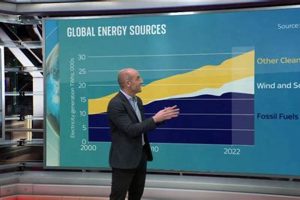
Decarbonizing the power sector is crucial for mitigating climate change. The entity plays a significant role in this transition by providing technologies that generate electricity with lower carbon emissions. Historically, electricity generation has relied heavily on fossil fuels. The shift towards cleaner sources represents a fundamental change in how power is produced and delivered, with this portfolio positioned to contribute significantly to this evolution.
Further exploration of specific technologies, market trends, and the overall impact of this entity on the energy transition will provide a deeper understanding of its role in shaping a sustainable energy future. This includes examining the development and deployment of specific renewable energy technologies, analyzing their market competitiveness, and assessing their contribution to global decarbonization efforts.
Tips for Supporting the Renewable Energy Transition
The transition to a cleaner energy future requires a multifaceted approach involving technological advancements, policy changes, and individual actions. These tips offer guidance on how various stakeholders can contribute.
Tip 1: Advocate for Supportive Policies: Engaging with policymakers and advocating for policies that incentivize renewable energy development and deployment, such as tax credits, renewable portfolio standards, and streamlined permitting processes, is crucial for accelerating the transition.
Tip 2: Invest in Renewable Energy Technologies: Consider investing in renewable energy projects or companies that specialize in developing and deploying these technologies. This can include direct investments, mutual funds, or exchange-traded funds (ETFs) focused on the renewable energy sector.
Tip 3: Promote Energy Efficiency: Reducing energy consumption through efficiency measures, such as building retrofits, improved appliance standards, and smart grid technologies, lessens reliance on all forms of generation, including fossil fuels.
Tip 4: Support Research and Development: Continued innovation in renewable energy technologies and grid modernization is essential. Supporting research and development efforts through funding or advocacy can help accelerate progress in these areas.
Tip 5: Educate and Engage Communities: Raising awareness about the benefits of renewable energy and engaging communities in discussions about energy transition projects can help build public support and facilitate their successful implementation.
Tip 6: Embrace Sustainable Practices: Adopting sustainable practices in daily life, such as reducing waste, conserving water, and choosing sustainable transportation options, contributes to a broader shift towards a more environmentally responsible society.
By actively participating in these efforts, individuals, businesses, and governments can collectively accelerate the transition to a cleaner, more sustainable energy future and contribute to a healthier planet.
These collective efforts represent a critical pathway toward a sustainable energy future, mitigating the impacts of climate change and ensuring a reliable and affordable energy supply for generations to come.
1. Wind

Wind energy represents a cornerstone of GE Vernova’s renewable energy portfolio. Harnessing the power of wind is crucial for achieving global decarbonization goals and transitioning to a sustainable energy future. This section explores key facets of wind energy within the context of GE Vernova’s contributions.
- Onshore Wind
GE Vernova develops and deploys onshore wind turbines, capturing wind energy in land-based environments. These turbines vary in size and capacity, adapting to diverse geographical and wind resource characteristics. For example, turbines designed for low-wind-speed environments maximize energy capture in regions with less consistent wind resources. Onshore wind contributes significantly to increasing renewable energy capacity and reducing reliance on fossil fuel-based generation.
- Offshore Wind
Offshore wind farms, situated in bodies of water, offer significant potential due to higher and more consistent wind speeds. GE Vernova is involved in the development and deployment of offshore wind turbines, which are typically larger and more powerful than their onshore counterparts. Projects such as the Dogger Bank Wind Farm in the UK demonstrate the scale and potential of offshore wind to contribute significantly to renewable energy generation.
- Turbine Technology
GE Vernova invests in research and development to advance wind turbine technology, enhancing efficiency, reliability, and performance. Innovations in blade design, generator technology, and control systems contribute to maximizing energy capture and minimizing operational costs. These advancements play a crucial role in making wind energy more cost-competitive with traditional energy sources.
- Grid Integration
Integrating wind energy into existing power grids requires advanced grid management solutions. GE Vernova addresses this challenge by developing technologies that enable efficient and reliable integration of intermittent renewable energy sources. These solutions include grid stabilization technologies, forecasting tools, and energy storage systems that help balance supply and demand, ensuring grid stability and reliability.
These facets of wind energy underscore GE Vernova’s commitment to advancing renewable energy technologies and supporting the global transition to a more sustainable energy future. By continuing to innovate and invest in both onshore and offshore wind, GE Vernova plays a vital role in mitigating climate change and shaping a cleaner energy landscape.
2. Hydropower

Hydropower represents a significant component of GE Vernova’s renewable energy portfolio, offering a reliable and established technology for generating electricity from the natural flow of water. This connection hinges on GE Vernova’s expertise in hydropower technologies and services, enabling the continued operation and modernization of existing hydropower plants, as well as the development of new projects. Hydropower’s importance stems from its ability to provide baseload power, meaning it can generate electricity consistently, unlike intermittent renewable sources such as solar and wind. This characteristic makes hydropower a valuable asset in a diversified renewable energy mix, ensuring grid stability and reliability. For instance, GE Vernova’s involvement in projects like the Inga 3 hydropower project in the Democratic Republic of Congo highlights the potential of large-scale hydropower to provide significant clean energy capacity in developing regions.
The practical significance of understanding the relationship between hydropower and GE Vernova lies in recognizing its contribution to global decarbonization efforts. By modernizing existing hydropower plants and developing new projects, GE Vernova facilitates the continued utilization of this renewable energy source, displacing fossil fuel-based generation and reducing greenhouse gas emissions. Furthermore, GE Vernova’s expertise in pumped hydro storage, a technology that uses excess energy to pump water uphill for later release to generate electricity, addresses the challenge of intermittency associated with other renewable sources. Pumped hydro storage enhances grid flexibility and reliability by storing energy when it is abundant and releasing it when demand is high, effectively complementing other renewable energy technologies.
In conclusion, hydropower holds a crucial position within GE Vernova’s broader renewable energy strategy. Its role in providing reliable baseload power and grid stability, coupled with the potential for pumped hydro storage to integrate intermittent renewable sources, reinforces the importance of this technology in the global energy transition. Challenges such as environmental impact assessments and community engagement must be carefully addressed to ensure sustainable hydropower development. However, with continued innovation and responsible project implementation, hydropower remains a valuable asset in the pursuit of a cleaner and more secure energy future, contributing significantly to GE Vernova’s mission of driving decarbonization and shaping a sustainable energy landscape.
3. Grid Solutions

Grid solutions form an integral link between renewable energy generation and its effective utilization. GE Vernova recognizes this critical connection, offering a range of technologies and services designed to modernize and optimize grid infrastructure. The increasing penetration of renewable energy sources, such as wind and solar, presents unique challenges to grid stability due to their intermittent nature. Grid solutions address these challenges by enabling more efficient integration of these variable resources, ensuring a reliable and resilient power supply. For instance, advanced grid management systems optimize power flow, balancing supply and demand in real-time and mitigating the impact of fluctuations in renewable energy generation. Furthermore, technologies like high-voltage direct current (HVDC) transmission enable efficient long-distance transport of renewable energy from remote generation sites to population centers. Real-world examples, such as the integration of large-scale offshore wind farms into national grids, demonstrate the practical application and effectiveness of these grid solutions.
The practical significance of understanding this connection lies in recognizing that the successful transition to a renewable energy future hinges on a robust and adaptable grid infrastructure. Without adequate grid modernization and optimization, the full potential of renewable energy cannot be realized. Grid solutions, therefore, play a crucial enabling role, facilitating the growth of renewable energy capacity and ensuring its reliable delivery to consumers. Moreover, advanced grid technologies enhance grid resilience, mitigating the impact of extreme weather events and other disruptions, which are becoming increasingly frequent in a changing climate. This enhanced resilience is critical for maintaining a secure and dependable power supply in the face of growing challenges.
In conclusion, grid solutions represent a crucial element of GE Vernova’s renewable energy strategy. By developing and deploying advanced grid technologies, GE Vernova enables the efficient integration of renewable energy sources, enhances grid stability and resilience, and facilitates the transition to a cleaner and more sustainable energy future. Addressing challenges like cybersecurity threats and interoperability issues is essential for ensuring the long-term effectiveness of these grid solutions. However, continued investment and innovation in grid modernization will undoubtedly remain a cornerstone of a successful and sustainable energy transition, aligning with GE Vernovas broader commitment to decarbonization and a cleaner energy landscape.
4. Decarbonization

Decarbonization, the process of reducing carbon dioxide emissions, is intrinsically linked to GE Vernova’s renewable energy initiatives. The company’s portfolio of renewable energy technologies and grid solutions plays a crucial role in facilitating the transition to a lower-carbon energy system. This section explores key facets of decarbonization within the context of GE Vernova’s contributions.
- Renewable Energy Integration
Integrating renewable energy sources, such as wind, solar, and hydropower, into the existing energy mix is a fundamental aspect of decarbonization. GE Vernova’s focus on developing and deploying these technologies directly contributes to reducing reliance on fossil fuel-based power generation. For example, the company’s offshore wind turbines contribute significantly to increasing renewable energy capacity in coastal regions, displacing conventional power plants and lowering carbon emissions. The increasing adoption of these technologies is crucial for achieving decarbonization targets across various sectors.
- Grid Modernization
Modernizing grid infrastructure is essential for supporting higher penetrations of renewable energy. GE Vernova’s grid solutions, including advanced grid management systems and high-voltage direct current (HVDC) transmission, enable the efficient integration of intermittent renewable sources. These solutions enhance grid stability and reliability, facilitating the transition to a decarbonized electricity system. Real-world examples, such as the implementation of smart grids in urban areas, demonstrate the practical application and effectiveness of these technologies in managing the complexities of a renewable-powered grid.
- Energy Storage
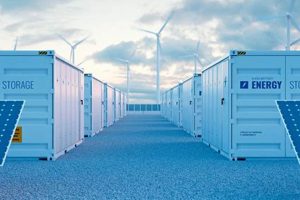
Energy storage technologies play a vital role in addressing the intermittency challenges associated with renewable energy sources. GE Vernova’s involvement in pumped hydro storage and other storage solutions provides a means to store excess renewable energy and release it when needed, ensuring a consistent and reliable power supply. These technologies enhance grid flexibility and contribute to greater utilization of renewable energy, furthering decarbonization efforts by enabling a shift away from fossil fuel peaker plants. The development and deployment of advanced energy storage solutions are crucial for maximizing the impact of renewable energy on decarbonization.
- Efficiency Improvements
Improving energy efficiency across various sectors, including industry, transportation, and buildings, is essential for reducing overall energy demand and consequently lowering carbon emissions. While not directly a renewable energy technology, GE Vernova’s focus on developing energy-efficient solutions complements its renewable energy portfolio and contributes to a holistic approach to decarbonization. For instance, optimized industrial processes and building management systems reduce energy consumption, minimizing the need for additional generation capacity, including from fossil fuel sources. These efficiency improvements amplify the impact of renewable energy integration on decarbonization efforts.
These interconnected facets of decarbonization underscore GE Vernova’s commitment to a sustainable energy future. By developing and deploying renewable energy technologies, modernizing grid infrastructure, and promoting energy efficiency, the company contributes significantly to reducing carbon emissions and achieving global climate goals. The ongoing innovation and investment in these areas are crucial for accelerating the transition to a decarbonized energy system and mitigating the impacts of climate change. Furthermore, collaborations with governments, industry partners, and research institutions are essential for driving systemic change and achieving deep decarbonization across all sectors of the economy.
5. Innovation

Innovation forms the cornerstone of GE Vernova’s renewable energy strategy, driving advancements across its portfolio of technologies and solutions. This commitment to innovation is essential for addressing the complex challenges associated with transitioning to a sustainable energy future. A direct cause-and-effect relationship exists between innovation and the effectiveness of renewable energy technologies. For instance, advancements in wind turbine blade design, driven by aerodynamic modeling and materials science, directly increase energy capture efficiency, leading to higher power output and lower levelized cost of energy. Similarly, innovations in grid management software, incorporating artificial intelligence and machine learning, optimize power flow and enhance grid stability, facilitating greater integration of intermittent renewable sources. The practical significance of this understanding lies in recognizing that continuous innovation is essential for making renewable energy cost-competitive with traditional energy sources and accelerating the global energy transition. Without sustained investment in research and development, the full potential of renewable energy cannot be realized.
Further analysis reveals that innovation within GE Vernova’s renewable energy portfolio extends beyond individual technologies to encompass integrated solutions. The development of hybrid renewable energy systems, combining wind, solar, and energy storage, exemplifies this integrated approach. Such systems optimize resource utilization and enhance grid reliability, providing a more resilient and sustainable energy solution. Real-world examples, such as the deployment of hybrid microgrids in remote communities, demonstrate the practical application and benefits of these integrated innovations. Moreover, innovation plays a crucial role in addressing the challenges associated with deploying renewable energy at scale. Advancements in manufacturing processes, logistics, and installation techniques reduce costs and accelerate deployment timelines, enabling faster adoption of renewable energy technologies globally. The development of modular and prefabricated components, for instance, simplifies installation and reduces construction time for large-scale renewable energy projects.
In conclusion, innovation is not merely a component of GE Vernova’s renewable energy strategy; it is the driving force behind its success. Continuous innovation across all aspects of renewable energy technology development, grid integration, and project deployment is essential for achieving a sustainable energy future. Challenges such as securing funding for research and development, attracting and retaining skilled talent, and navigating regulatory landscapes must be addressed to maintain a robust innovation pipeline. However, by prioritizing innovation and fostering a culture of continuous improvement, GE Vernova positions itself at the forefront of the global energy transition, contributing significantly to a cleaner, more resilient, and sustainable energy future.
6. Sustainability
Sustainability serves as a foundational principle underpinning GE Vernova’s renewable energy endeavors. The company’s commitment to environmental, social, and economic sustainability influences every aspect of its operations, from technology development and project implementation to supply chain management and community engagement. A direct cause-and-effect relationship exists between GE Vernova’s focus on renewable energy and its pursuit of sustainability goals. Renewable energy technologies, by their very nature, contribute to environmental sustainability by reducing greenhouse gas emissions and mitigating the impacts of climate change. For instance, GE Vernova’s wind turbines displace fossil fuel-based power generation, leading to a decrease in air pollution and a smaller carbon footprint. Furthermore, the company’s commitment to sustainable manufacturing processes minimizes environmental impacts throughout the lifecycle of its products. The practical significance of this understanding lies in recognizing that sustainability is not merely a peripheral concern but an integral driver of GE Vernova’s renewable energy strategy. Investing in renewable energy is inherently an investment in a more sustainable future.
Further analysis reveals that GE Vernova’s approach to sustainability extends beyond environmental considerations to encompass social and economic dimensions. The company recognizes that sustainable development requires creating shared value for all stakeholders, including local communities, employees, and investors. For example, GE Vernova’s renewable energy projects often create jobs and stimulate economic development in the regions where they are located. Moreover, the company actively engages with local communities to ensure that its projects are developed and operated responsibly, minimizing social and environmental impacts. Real-world examples, such as community benefit programs associated with wind farms, demonstrate GE Vernova’s commitment to social sustainability. Furthermore, the company’s focus on economic sustainability ensures the long-term viability of its renewable energy investments, creating value for shareholders while contributing to a cleaner energy future. Initiatives such as developing innovative financing models for renewable energy projects demonstrate GE Vernova’s commitment to long-term economic sustainability.
In conclusion, sustainability is not simply a buzzword but a core value that shapes GE Vernova’s renewable energy strategy. The company’s integrated approach to sustainability, encompassing environmental, social, and economic dimensions, ensures that its renewable energy initiatives contribute to a more sustainable future for all. Challenges such as balancing economic viability with environmental protection and ensuring equitable access to renewable energy must be addressed to achieve true sustainability. However, by prioritizing sustainability throughout its operations, GE Vernova demonstrates leadership in the global transition to a cleaner, more resilient, and equitable energy future. This commitment to sustainability positions the company for long-term success in the evolving energy landscape and reinforces its role as a key player in shaping a sustainable energy future.
Frequently Asked Questions about GE Vernova Renewable Energy
This section addresses common inquiries regarding GE Vernova’s role in the renewable energy sector, aiming to provide clear and concise information.
Question 1: What specific renewable energy technologies does GE Vernova offer?
GE Vernova’s portfolio encompasses onshore and offshore wind turbines, hydropower solutions, and grid technologies designed to facilitate renewable energy integration.
Question 2: How does GE Vernova contribute to decarbonization efforts?
By developing and deploying renewable energy technologies, modernizing grid infrastructure, and promoting energy efficiency, GE Vernova helps reduce reliance on fossil fuels and lower carbon emissions.
Question 3: What is the significance of GE Vernova’s grid solutions?
Grid solutions are essential for integrating intermittent renewable energy sources like wind and solar, ensuring grid stability and reliability, and enabling the efficient delivery of renewable power to consumers.
Question 4: How does GE Vernova address the intermittency of renewable energy sources?
GE Vernova invests in energy storage technologies, such as pumped hydro storage, and advanced grid management systems to mitigate the challenges posed by the fluctuating nature of renewable energy generation.
Question 5: What is GE Vernova’s approach to sustainability?
Sustainability is a core principle for GE Vernova, encompassing environmental, social, and economic considerations. The company strives to minimize environmental impacts, create positive social value, and ensure long-term economic viability in its renewable energy endeavors.
Question 6: How does innovation contribute to GE Vernova’s renewable energy strategy?
Continuous innovation is crucial for advancing renewable energy technologies, optimizing grid integration, and improving the efficiency and cost-competitiveness of renewable energy solutions. GE Vernova invests in research and development to drive innovation across its portfolio.
Understanding these key aspects provides a comprehensive overview of GE Vernova’s role in the renewable energy landscape and its contributions to a sustainable energy future.
Further exploration of specific projects, partnerships, and technological advancements will provide a deeper insight into GE Vernova’s impact on the global energy transition. The next section will delve into case studies of specific renewable energy projects undertaken by GE Vernova, showcasing real-world applications of their technologies and solutions.
Conclusion
This exploration of GE Vernova’s renewable energy portfolio has highlighted its multifaceted approach to the global energy transition. From advancements in wind turbine technology and hydropower solutions to innovative grid integration strategies and a steadfast commitment to decarbonization, the company’s efforts span the entire renewable energy value chain. The examination of core aspects such as innovation and sustainability underscores the integral role these principles play in shaping the company’s strategy and driving progress toward a cleaner energy future. The interconnectedness of these elements reinforces the comprehensive nature of GE Vernova’s commitment to renewable energy.
The transition to a sustainable energy future requires collective action and continuous innovation. GE Vernova’s contributions represent a significant step forward in this global endeavor, offering technological solutions and demonstrating a commitment to a cleaner, more resilient energy landscape. The ongoing development and deployment of renewable energy technologies, coupled with strategic grid modernization and a focus on sustainability, are crucial for mitigating the impacts of climate change and securing a sustainable energy future for generations to come. Continued focus on these areas will be essential for realizing the full potential of renewable energy and achieving a truly sustainable energy future.