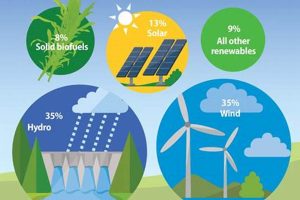
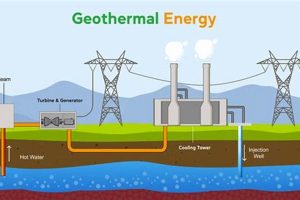
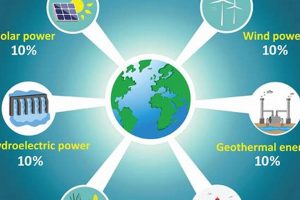
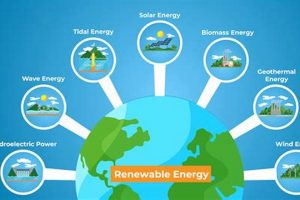
The categorization of energy sources as either renewable or non-renewable hinges on the rate at which they are replenished. Renewable resources are naturally replenished on a human timescale, such as solar, wind, and hydropower. These sources are continuously available and considered sustainable. Conversely, non-renewable resources, like fossil fuels, exist in finite quantities and their extraction significantly outpaces their natural formation.
The debate surrounding the classification of nuclear power as a renewable energy source arises from the nature of its fuel. While nuclear reactors utilize uranium, a naturally occurring element extracted from the Earth, the crucial point lies in the potential for uranium to be sourced from seawater. If uranium extraction from seawater proves to be economically viable and environmentally sustainable on a large scale, the availability of the fuel would become practically inexhaustible. This paradigm shift would align nuclear power more closely with the characteristics of renewable energy sources.
However, it is important to acknowledge that current nuclear power generation primarily relies on mined uranium, which is a finite resource. Furthermore, the disposal of nuclear waste and the risks associated with nuclear accidents remain significant considerations. Consequently, the classification of nuclear energy continues to be a subject of ongoing discussion and research, with its long-term sustainability dependent on technological advancements and responsible resource management.
Considerations Regarding Nuclear Energy’s Sustainability
The following points offer insights into the ongoing debate surrounding the classification of nuclear energy as a sustainable or renewable resource. A comprehensive understanding of these factors is crucial for informed decision-making regarding energy policy and technological development.
Tip 1: Analyze Fuel Source Viability: Evaluate the long-term availability of uranium resources. Current nuclear power plants primarily rely on mined uranium, a finite resource. The sustainability of nuclear power depends on the development and implementation of alternative fuel sources, such as uranium extraction from seawater.
Tip 2: Assess Environmental Impact of Mining: Examine the environmental consequences associated with uranium mining. Traditional mining practices can have significant impacts on ecosystems and water resources. Mitigating these impacts is essential for considering nuclear power as a truly sustainable energy option.
Tip 3: Investigate Advanced Reactor Technologies: Explore the potential of advanced reactor designs, such as breeder reactors, to utilize uranium more efficiently and reduce nuclear waste. These technologies could significantly extend the lifespan of existing uranium resources and minimize environmental burdens.
Tip 4: Address Nuclear Waste Management: Prioritize the development and implementation of safe and effective nuclear waste disposal strategies. Long-term storage solutions and reprocessing technologies are critical for minimizing the risks associated with nuclear waste.
Tip 5: Improve Safety Protocols: Strengthen safety protocols and regulations to prevent nuclear accidents. The potential for catastrophic events remains a significant concern associated with nuclear power. Robust safety measures are paramount for public acceptance and the long-term viability of nuclear energy.
Tip 6: Promote International Collaboration: Foster international cooperation in nuclear research and development. Sharing knowledge and resources can accelerate the development of safer, more efficient, and more sustainable nuclear technologies.
Tip 7: Evaluate Lifecycle Analysis: Conduct comprehensive lifecycle analyses to assess the environmental impacts of nuclear power generation, from uranium mining to waste disposal. This approach provides a more holistic understanding of the sustainability of nuclear energy compared to other energy sources.
These considerations highlight the complexities involved in classifying nuclear energy as a renewable resource. While technological advancements offer the potential to enhance its sustainability, responsible resource management, robust safety protocols, and effective waste management strategies are crucial for realizing its full potential.
A continued commitment to research and development, coupled with a rigorous assessment of environmental and social impacts, is essential for determining the role of nuclear energy in a sustainable energy future.
1. Fuel Source Depletion

Fuel source depletion is a central consideration in the discussion of whether nuclear power aligns with the definition of a renewable energy source. The reliance of conventional nuclear reactors on finite uranium resources raises questions about the long-term sustainability of this energy generation method. The exhaustibility of current fuel sources challenges the premise that nuclear power can be considered renewable in the traditional sense.
- Uranium as a Finite Resource
Most operational nuclear power plants utilize uranium-235 as their primary fuel. Uranium, while abundant in the Earth’s crust, is a finite resource that requires extraction through mining operations. The rate of uranium consumption in existing reactors necessitates careful resource management to ensure long-term availability. Depletion of readily accessible uranium reserves could increase the cost of nuclear power and impact its viability as a widespread energy source.
- Resource Depletion and Energy Security
Dependence on specific geographical locations for uranium mining raises concerns about energy security. Geopolitical instability or supply chain disruptions in uranium-producing regions could significantly affect the global nuclear power industry. Diversifying uranium sources and developing alternative fuel cycles are critical for mitigating the risks associated with fuel source depletion and ensuring a stable supply of nuclear energy.
- Impact on Long-Term Sustainability
The finite nature of uranium resources contrasts sharply with the characteristics of truly renewable energy sources like solar, wind, and hydropower. These renewable sources are continuously replenished by natural processes, ensuring their availability for future generations. The limited availability of uranium necessitates a critical assessment of nuclear power’s long-term sustainability and its contribution to a decarbonized energy system.
- Comparison to Fossil Fuel Depletion
While uranium depletion differs from fossil fuel depletion, parallels can be drawn. Both involve the consumption of finite resources that require extraction from the Earth. However, nuclear power offers a significant advantage over fossil fuels in terms of carbon emissions. The environmental impacts associated with uranium mining and waste disposal must be carefully weighed against the benefits of reduced greenhouse gas emissions in the context of energy source depletion.
Fuel source depletion is a defining factor in evaluating nuclear power’s classification as a renewable energy source. While technological advancements like breeder reactors and uranium extraction from seawater offer potential solutions, the current reliance on mined uranium presents a significant challenge to the long-term sustainability of nuclear energy. Addressing fuel source depletion through responsible resource management and the development of innovative technologies is crucial for realizing the full potential of nuclear power as a clean and reliable energy source.
2. Waste Disposal Challenges

The long-term disposal of radioactive waste generated by nuclear power plants poses a significant challenge to its classification as a renewable energy source. Although nuclear fission itself does not directly produce greenhouse gases, the overall life cycle of nuclear power, including waste management, affects its environmental footprint. The accumulation of spent nuclear fuel and other radioactive materials necessitates secure and geologically stable repositories for thousands of years, presenting technical, social, and political hurdles.
The lack of universally accepted, permanent disposal solutions casts doubt on the sustainability of nuclear power. For instance, projects like the Yucca Mountain Nuclear Waste Repository in the United States have faced decades of delays and political opposition, highlighting the difficulties in finding suitable sites and gaining public acceptance. The absence of operational, long-term repositories globally compels interim storage solutions, such as on-site storage pools and dry cask storage, which require continuous monitoring and security measures. Furthermore, the potential for accidents or leakage during transportation and storage raises environmental and public health concerns.
The safe and secure management of radioactive waste is inextricably linked to the broader debate regarding nuclear power and its role in sustainable energy systems. While technological advancements in reactor design and waste processing may mitigate some risks, the fundamental challenge of long-term waste disposal persists. Until reliable and widely accepted solutions are implemented, the characterization of nuclear power as a truly renewable or sustainable energy source remains a subject of ongoing debate and scrutiny.
3. Uranium Seawater Extraction

The potential for uranium extraction from seawater is a pivotal consideration in the ongoing debate regarding nuclear power’s classification as a renewable energy source. Current nuclear power generation relies primarily on mined uranium ore, a finite terrestrial resource. The viability of extracting uranium directly from seawater presents a pathway to circumvent this limitation, potentially transforming nuclear power into a resource-independent, and thus, more sustainable energy option. The oceans contain an estimated four billion tons of uranium, an amount vastly exceeding terrestrial reserves. If efficient and cost-effective extraction technologies can be developed, nuclear fuel availability would become virtually limitless, mitigating concerns regarding resource depletion.
The development of uranium seawater extraction technologies is not without its challenges. The concentration of uranium in seawater is extremely low, approximately three parts per billion. This necessitates the development of highly efficient and selective extraction methods. Current research focuses on using absorbent materials, such as polymer fibers, to selectively bind uranium ions from seawater. These materials are then processed to recover the concentrated uranium. The energy and chemical inputs required for the extraction process are critical factors in determining its overall environmental and economic sustainability. For instance, the development of absorbent materials that can be regenerated efficiently and have a long lifespan is essential for minimizing costs and environmental impact. Successful implementation would reduce the environmental impact of traditional uranium mining and associated tailings disposal.
The success of uranium seawater extraction is inextricably linked to the future prospects of nuclear power as a component of a sustainable energy portfolio. If uranium can be sustainably harvested from the oceans, the resource constraint that currently defines nuclear energy would be effectively removed. This would enable nuclear power to play a much larger role in meeting global energy demands while minimizing greenhouse gas emissions. However, overcoming the technological and economic hurdles associated with uranium seawater extraction remains a critical prerequisite. Ongoing research and development efforts are essential to realize the potential of this technology and its transformative impact on nuclear energy’s sustainability profile.
4. Breeder Reactor Potential

Breeder reactors represent a significant technological advancement that directly impacts the discussion regarding nuclear power’s categorization within the spectrum of renewable energy sources. By efficiently converting non-fissile isotopes into usable fuel, these reactors offer a pathway toward more sustainable resource utilization and reduced waste generation. The implications of breeder reactor technology extend beyond mere efficiency gains, potentially altering the long-term viability and environmental impact of nuclear energy.
- Enhanced Fuel Utilization
Conventional nuclear reactors primarily utilize uranium-235, a relatively rare isotope, and generate significant amounts of spent nuclear fuel containing unused uranium-238. Breeder reactors, however, can convert this abundant uranium-238 into plutonium-239, a fissile material suitable for nuclear fuel. This process effectively extends the lifespan of available uranium resources by factors of magnitude, significantly mitigating concerns about fuel depletion and enhancing energy security. Real-world examples include the French Phnix reactor and the Russian BN-600 reactor, which demonstrated the feasibility of breeding plutonium from uranium. The implications are profound: a widespread adoption of breeder reactor technology could transform nuclear power from a resource-constrained energy source into a far more sustainable option.
- Waste Reduction Strategies
While breeder reactors do not eliminate nuclear waste entirely, they offer the potential to reduce its volume and radiotoxicity. By recycling spent nuclear fuel and transmuting long-lived radioactive isotopes into shorter-lived ones, breeder reactors can significantly lessen the burden of long-term waste disposal. This transmutation process involves bombarding the long-lived isotopes with neutrons within the reactor core, effectively shortening their radioactive lifespan. The development of advanced fuel cycles that incorporate breeder reactor technology is crucial for minimizing the environmental impact of nuclear power and addressing public concerns regarding nuclear waste. The reduction in volume and radiotoxicity also potentially simplifies long-term storage requirements and reduces the risk of environmental contamination.
- Thorium Fuel Cycle Compatibility
Breeder reactor technology is not limited to uranium fuel cycles; it can also be adapted to utilize thorium, an even more abundant element in the Earth’s crust. Thorium-based breeder reactors can convert thorium-232 into uranium-233, a fissile isotope that can sustain a nuclear chain reaction. The thorium fuel cycle offers several advantages, including a higher neutron yield per fission event and a reduced production of plutonium and other transuranic elements, which are major contributors to long-term nuclear waste radiotoxicity. India, for example, has been actively pursuing thorium-based breeder reactor technology to leverage its abundant thorium reserves. The successful deployment of thorium breeder reactors could further enhance the sustainability of nuclear power and diversify fuel sources.
- Economic Considerations and Challenges
Despite their potential benefits, breeder reactors also present significant economic and technological challenges. The design and construction of breeder reactors are more complex and expensive than conventional reactors. Furthermore, the processing and handling of plutonium and other radioactive materials require stringent safety measures and advanced safeguards to prevent nuclear proliferation. The economic viability of breeder reactors depends on factors such as uranium prices, waste disposal costs, and the development of cost-effective fuel cycle technologies. Overcoming these economic challenges is crucial for the widespread adoption of breeder reactor technology and its contribution to a more sustainable nuclear energy future.
In conclusion, breeder reactor potential significantly impacts the perception and potential re-categorization of nuclear power as a more sustainable energy source. Enhanced fuel utilization, waste reduction strategies, thorium fuel cycle compatibility, and economic considerations all contribute to the discussion. These facets indicate a capacity for nuclear energy to move beyond its current resource constraints, towards a future where it plays a more prominent role in a balanced, environmentally conscious energy portfolio. However, ongoing research, development, and strategic investment are crucial to fully realize the promise of breeder reactor technology and its transformative effect on the sustainability of nuclear power.
5. Thorium Fuel Cycle

The thorium fuel cycle presents a potential paradigm shift in nuclear energy, influencing the debate surrounding its classification as a sustainable or renewable resource. Unlike conventional uranium-based reactors, the thorium cycle utilizes thorium-232, a more abundant element in the Earth’s crust, as its primary fuel source. This abundance, combined with certain inherent characteristics of the cycle, offers the prospect of a more sustainable and proliferation-resistant nuclear energy system.
- Abundance and Resource Availability
Thorium is significantly more abundant than uranium, with estimates suggesting it is three to four times more prevalent in the Earth’s crust. This increased availability reduces concerns about resource depletion, a key factor limiting the long-term sustainability of uranium-based nuclear power. India, for example, possesses substantial thorium reserves and is actively pursuing thorium-based reactor technology to enhance its energy security. The widespread availability of thorium has the potential to democratize access to nuclear energy, reducing reliance on geopolitically sensitive uranium supplies.
- Reduced Plutonium Production
Thorium-based reactors produce significantly less plutonium than conventional uranium reactors. Plutonium is a key material for nuclear weapons, and its presence in spent nuclear fuel raises concerns about proliferation risks. The reduced plutonium production in the thorium cycle enhances its proliferation resistance, making it a more attractive option from a security standpoint. This characteristic is particularly important in a world grappling with nuclear proliferation challenges and the need for safer and more secure energy sources.
- Enhanced Waste Management
While the thorium fuel cycle still generates radioactive waste, the composition and quantity of this waste differ from that of uranium-based reactors. Specifically, the thorium cycle produces fewer transuranic elements, which are long-lived and highly radiotoxic. The reduced generation of these elements simplifies long-term waste management and reduces the overall burden on geological repositories. However, challenges remain in managing other radioactive byproducts, such as uranium-232, which requires specialized handling due to its gamma radiation emissions.
- Potential for Breed-and-Burn Reactors
Thorium-based fuel cycles are particularly well-suited for breed-and-burn reactors, which can operate for extended periods without refueling. These reactors utilize a self-sustaining nuclear reaction, minimizing the need for external fuel inputs. Breed-and-burn reactors offer the potential for greater efficiency and reduced waste production, further enhancing the sustainability of nuclear energy. However, the development of practical and commercially viable breed-and-burn reactors remains a significant technological challenge.
In summary, the thorium fuel cycle presents a compelling alternative to conventional uranium-based nuclear power, offering the potential for enhanced resource availability, reduced proliferation risks, and improved waste management. While technological and economic challenges remain, the thorium cycle warrants serious consideration as a means of achieving a more sustainable and secure nuclear energy future. Its successful implementation could significantly alter the perception of nuclear power, moving it closer to the ideals associated with renewable energy sources.
Frequently Asked Questions
The following questions and answers address common inquiries and misconceptions surrounding the categorization of nuclear power as a renewable energy source. This section aims to provide a clear and concise overview of the key arguments and considerations relevant to this complex issue.
Question 1: What fundamentally distinguishes renewable from non-renewable energy sources?
Renewable energy sources replenish naturally on a human timescale, such as solar, wind, and hydropower. Non-renewable sources, like fossil fuels and mined uranium, exist in finite quantities and are depleted at a rate exceeding their natural regeneration.
Question 2: Is nuclear fuel a finite resource, and how does this impact its classification?
Currently, most nuclear power plants rely on mined uranium, a finite resource. This reliance challenges the classification of nuclear power as renewable. However, research into uranium extraction from seawater and breeder reactor technologies aims to address this limitation.
Question 3: How do breeder reactors potentially influence the sustainability of nuclear power?
Breeder reactors can convert non-fissile isotopes, such as uranium-238, into usable fuel, effectively extending the lifespan of uranium resources. This enhanced fuel utilization contributes to the long-term sustainability of nuclear power and reduces reliance on finite reserves.
Question 4: What role does the thorium fuel cycle play in the sustainability of nuclear energy?
The thorium fuel cycle utilizes thorium-232, a more abundant element than uranium, as its primary fuel source. This abundance, combined with other characteristics like reduced plutonium production, offers the potential for a more sustainable and proliferation-resistant nuclear energy system.
Question 5: Why is the long-term disposal of nuclear waste a critical consideration?
The long-term disposal of radioactive waste poses a significant challenge to the sustainability of nuclear power. The accumulation of spent nuclear fuel necessitates secure and geologically stable repositories for thousands of years, raising technical, social, and political concerns.
Question 6: Can uranium extraction from seawater realistically make nuclear power a renewable resource?
Uranium exists in seawater in vast quantities. The development of economically viable and environmentally sustainable extraction technologies would effectively eliminate resource constraints, potentially transforming nuclear power into a virtually inexhaustible energy source. However, significant technological hurdles remain.
In conclusion, the classification of nuclear power as a renewable energy source remains a subject of ongoing debate. While technological advancements offer the potential to enhance its sustainability, responsible resource management and effective waste management strategies are crucial for its future viability.
The following section will delve into the future prospects of nuclear energy and its potential role in a sustainable energy future.
Nuclear Power
This exploration has dissected the multifaceted argument surrounding the assertion that “nuclear power is a renewable energy source.” Examination reveals the complexities inherent in classifying an energy source reliant on a finite resource, mined uranium, as renewable. However, advancements in reactor technology, notably breeder reactors and the thorium fuel cycle, alongside prospective uranium extraction from seawater, present pathways toward potentially inexhaustible fuel supplies. These innovations offer a theoretical basis for re-evaluating nuclear power’s categorization.
The long-term viability of nuclear energy hinges upon responsible management of nuclear waste and the continued pursuit of technological advancements. The conversation necessitates a commitment to research, development, and rigorous assessment of environmental and social impacts. The future integration of nuclear power within sustainable energy strategies requires objective evaluation of its technological capabilities, environmental consequences, and socio-political implications. The pursuit of a responsible, informed, and ultimately sustainable energy future depends on a commitment to truth and a willingness to adapt based on scientific progress.