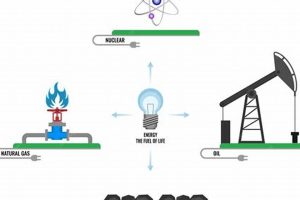
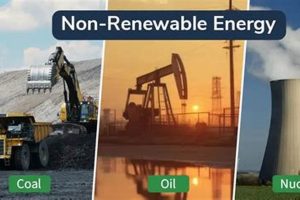
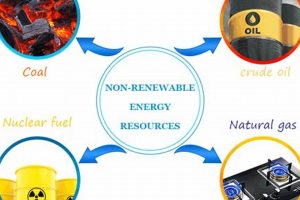
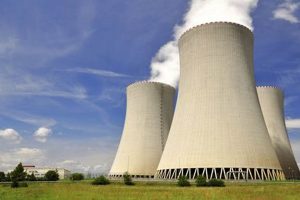
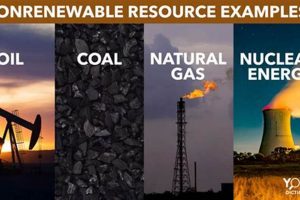
Finite resources, such as fossil fuels (coal, oil, and natural gas) and nuclear fuels (uranium), constitute the foundation of conventional energy production. These resources are extracted from the earth and are not replenished at a rate that keeps pace with consumption. For example, coal is mined, oil is extracted from wells, and uranium is processed from ore.
These energy sources have played a crucial role in industrialization and global development due to their high energy density and relatively easy accessibility. Historically, they have powered transportation, manufacturing, heating, and electricity generation, shaping modern society. However, their finite nature presents significant long-term challenges, including resource depletion and environmental consequences related to extraction and combustion.
Understanding the characteristics, limitations, and impacts of these finite resources is vital for informed decision-making regarding energy policies, sustainable development, and the transition towards renewable alternatives. The following sections will explore each of these energy sources in detail, analyzing their respective advantages, disadvantages, and future prospects.
Practical Steps for Engaging with Finite Energy Resources
While the transition to renewable energy is underway, finite resources continue to play a significant role in the global energy landscape. Understanding how to interact with these resources responsibly is crucial for mitigating environmental impact and promoting sustainable practices.
Tip 1: Prioritize Energy Efficiency: Reducing energy consumption through improved insulation, energy-efficient appliances, and optimized industrial processes lessens the demand on finite resources.
Tip 2: Support Sustainable Extraction Practices: Advocate for regulations and technologies that minimize the environmental footprint of resource extraction, including land reclamation and responsible waste management.
Tip 3: Invest in Research and Development: Continued research into cleaner extraction and combustion technologies, as well as carbon capture and storage, can mitigate the negative impacts of using finite resources.
Tip 4: Promote Transparency and Accountability: Encourage open dialogue and data sharing regarding resource reserves, extraction processes, and environmental impacts to ensure responsible resource management.
Tip 5: Diversify Energy Sources: Transitioning towards a diverse energy portfolio that incorporates renewable sources reduces reliance on finite resources and enhances energy security.
Tip 6: Plan for Long-Term Sustainability: Develop long-term energy strategies that account for the finite nature of these resources and prioritize a sustainable energy future.
By adopting these practices, individuals, industries, and governments can contribute to a more responsible and sustainable approach to utilizing finite energy resources while facilitating the transition to a cleaner energy future.
These actionable steps provide a framework for navigating the complexities of finite resource utilization in the present while paving the way for a more sustainable energy future. The concluding section will summarize key findings and offer a perspective on the future of energy.
1. Fossil Fuels (Coal)

Coal, a prominent member of the non-renewable energy source category, represents a significant portion of global energy production. Understanding its formation, extraction, utilization, and impact is crucial for evaluating its role in the broader energy landscape.
- Formation and Composition
Coal originates from ancient plant matter subjected to immense pressure and heat over geological timescales. Its composition varies, ranging from lignite (lowest energy content) to anthracite (highest energy content). This variation influences its suitability for different applications, such as electricity generation or industrial processes.
- Extraction Methods
Coal extraction involves various methods, including surface mining (strip mining) and underground mining. Each method presents distinct environmental and social impacts, ranging from habitat destruction and land degradation to risks to worker safety.
- Utilization and Applications
Historically, coal has been a primary fuel source for electricity generation and industrial activities like steel production. Despite its continued use, its contribution to air pollution, including greenhouse gas emissions and particulate matter, poses significant environmental challenges.
- Environmental Impact and Future Considerations
Coal combustion releases substantial amounts of carbon dioxide, a major contributor to climate change. Additionally, coal mining can lead to water contamination and ecosystem disruption. These factors necessitate a transition towards cleaner energy alternatives to mitigate the long-term impacts of coal utilization.
The characteristics and impacts of coal underscore its complex role within the broader context of non-renewable energy sources. While it remains a significant energy contributor, its environmental consequences necessitate a strategic shift towards sustainable alternatives. Balancing the need for reliable energy with environmental stewardship requires careful consideration of the long-term implications of continued coal reliance.
2. Fossil Fuels (Oil)
Oil, a crucial component of the non-renewable energy sources list, plays a dominant role in the global energy system. Its prevalence stems from its high energy density, relative ease of extraction and transportation, and versatility in applications. This dependence, however, carries significant implications, particularly regarding environmental sustainability and long-term energy security. For example, the combustion of oil-derived fuels in transportation and industry releases substantial greenhouse gases, contributing to climate change. Oil spills, such as the Deepwater Horizon incident, demonstrate the potential for catastrophic environmental damage associated with extraction and transport. Furthermore, the finite nature of oil reserves necessitates consideration of future energy scarcity and the geopolitical ramifications of resource competition.
The extraction and refining of oil involve complex processes with varying environmental footprints. Conventional oil extraction utilizes drilling techniques, while unconventional methods, such as hydraulic fracturing (fracking), target oil trapped in shale formations. These methods can impact local water resources, air quality, and land use. Refineries, which transform crude oil into usable products like gasoline and diesel, also generate emissions and require substantial energy inputs. The economic implications of oil price volatility underscore the interconnectedness of energy markets and global economies. Price fluctuations can significantly impact industries reliant on oil, influencing transportation costs and consumer behavior. Developing strategies to mitigate these economic vulnerabilities is crucial for maintaining stability.
Understanding the multifaceted role of oil within the non-renewable energy landscape is essential for informed decision-making. While oil remains a critical energy source, its environmental and economic vulnerabilities necessitate a transition toward more sustainable alternatives. Investing in renewable energy technologies, improving energy efficiency, and promoting responsible resource management are crucial steps towards mitigating the long-term challenges associated with oil dependence. Balancing present energy needs with the imperative for a sustainable future requires a comprehensive approach that acknowledges the complexities and interconnectedness of global energy systems.
3. Fossil Fuels (Natural Gas)
Natural gas, a key component of the non-renewable energy sources list, holds a prominent position in the global energy mix. While often perceived as a cleaner alternative to other fossil fuels, its extraction, utilization, and long-term implications require careful consideration within the context of sustainable energy development. Its role in electricity generation, industrial processes, and residential heating necessitates a comprehensive understanding of its benefits, drawbacks, and future prospects in a transitioning energy landscape.
- Extraction and Processing
Natural gas, primarily composed of methane, is extracted from underground reservoirs through drilling. This process can involve conventional methods or unconventional techniques like hydraulic fracturing (“fracking”), each with varying environmental impacts. Processing removes impurities and prepares the gas for pipeline transport or liquefaction for export. Fracking, in particular, raises concerns about groundwater contamination and induced seismicity, necessitating careful regulation and monitoring.
- Applications and Utilization
Natural gas serves as a fuel source for electricity generation, industrial processes, and residential heating. Its lower carbon emissions compared to coal have led to its adoption as a “bridge fuel” in the transition to renewable energy sources. However, methane leaks during extraction and transportation can negate these climate benefits, as methane is a potent greenhouse gas.
- Environmental Impact and Considerations
While natural gas combustion emits less carbon dioxide than coal, its contribution to greenhouse gas emissions remains significant. Methane leaks throughout the supply chain represent a critical environmental challenge. Furthermore, natural gas extraction can impact water resources, air quality, and land use, requiring careful management to minimize environmental disruption.
- Geopolitical and Economic Factors
Natural gas reserves are unevenly distributed globally, influencing geopolitical dynamics and energy security. Price volatility and pipeline infrastructure development play significant roles in determining access and affordability. These factors can impact energy markets and international relations, underscoring the importance of diversified energy sources and strategic planning.
The complexities surrounding natural gas highlight its dual nature within the non-renewable energy landscape. While it offers certain advantages over other fossil fuels, its environmental impacts and finite nature necessitate a long-term perspective focused on sustainable energy transition. Balancing the benefits of natural gas with the imperative for a cleaner energy future requires informed decision-making that considers the broader context of resource availability, environmental stewardship, and technological advancements in renewable energy solutions. Ultimately, its role as a “bridge fuel” must be carefully managed to avoid prolonging dependence on fossil fuels and hindering the transition to a truly sustainable energy future.
4. Nuclear Fuels (Uranium)

Uranium, a key element in nuclear fuels, occupies a unique and complex position within the non-renewable energy sources list. Unlike fossil fuels, uranium does not contribute directly to greenhouse gas emissions during energy production. However, its finite nature, the complexities of nuclear waste disposal, and potential safety concerns necessitate careful consideration of its role in a sustainable energy future. The following aspects delve into the multifaceted nature of uranium as a non-renewable energy source.
- Uranium Mining and Processing
Uranium ore, extracted from the earth through mining, undergoes extensive processing to concentrate the uranium-235 isotope, the fissile material used in nuclear reactors. Mining operations can have environmental impacts, including land disturbance, water contamination, and radioactive waste generation. The processing stage further generates waste products that require careful management and long-term storage solutions.
- Nuclear Fission and Energy Production
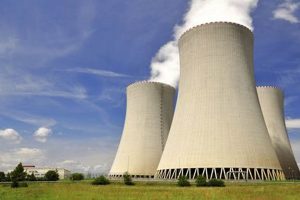
Nuclear power plants utilize controlled nuclear fission, the splitting of uranium-235 atoms, to generate heat. This heat converts water to steam, which drives turbines to produce electricity. While the process itself does not emit greenhouse gases, the lifecycle of nuclear fuel, from mining to waste disposal, involves energy-intensive processes that may indirectly contribute to emissions.
- Nuclear Waste Management and Disposal
Spent nuclear fuel, the byproduct of nuclear fission, remains radioactive for thousands of years, posing significant challenges for long-term storage and disposal. Finding safe and secure geological repositories for high-level radioactive waste is a complex and ongoing process. The long-term stewardship of nuclear waste remains a key consideration in evaluating the sustainability of nuclear energy.
- Safety and Security Concerns
Nuclear power plants, while generally safe, carry the potential for accidents, such as the Chernobyl and Fukushima disasters, with far-reaching consequences. Ensuring the safety and security of nuclear facilities, including preventing the proliferation of nuclear materials, is paramount. Robust regulatory frameworks and international cooperation are essential for mitigating these risks and maintaining public trust.
Uranium’s role in the non-renewable energy landscape presents a complex interplay of benefits and challenges. While offering a carbon-free electricity source, the finite nature of uranium reserves, the complexities of nuclear waste management, and safety concerns require careful consideration. The long-term sustainability of nuclear energy hinges on responsible resource management, technological advancements in waste disposal and reactor safety, and robust regulatory oversight. Understanding these interconnected factors is crucial for informed decision-making regarding the future of nuclear energy within the broader context of sustainable energy development.
5. Limited Availability
The finite nature of non-renewable energy sources constitutes a fundamental challenge to long-term energy security. Geological processes form these resources over vast timescales, rendering their replenishment rate negligible compared to current consumption rates. This limited availability has profound implications for global energy systems, economic stability, and environmental sustainability. For instance, proven oil reserves, while substantial, are ultimately finite. As readily accessible reserves dwindle, extraction becomes more complex and costly, potentially leading to price volatility and supply disruptions. This scarcity necessitates a transition towards renewable energy sources and underscores the importance of responsible resource management.
The concept of “peak oil,” the point at which global oil production reaches its maximum and begins to decline, exemplifies the practical significance of limited availability. While the precise timing of peak oil remains debated, its inevitability highlights the need for proactive measures to diversify energy sources and reduce reliance on fossil fuels. Furthermore, the uneven distribution of non-renewable resources globally creates geopolitical complexities. Regions with abundant reserves can wield significant economic and political influence, while resource-poor regions face energy security challenges. This uneven distribution can exacerbate existing inequalities and contribute to international tensions.
Addressing the challenges posed by the limited availability of non-renewable energy sources requires a multi-faceted approach. Investing in renewable energy technologies, improving energy efficiency, and promoting sustainable consumption patterns are crucial steps towards mitigating future energy scarcity. International cooperation and policy frameworks play a vital role in ensuring a stable and equitable transition to a sustainable energy future. Recognizing the finite nature of these resources is not merely an abstract concept but a critical factor shaping present and future energy landscapes.
6. Environmental Impact

Non-renewable energy sources exert significant environmental impacts throughout their lifecycle, from extraction to utilization. Understanding these impacts is crucial for evaluating the long-term sustainability of these resources and informing the transition towards cleaner energy alternatives. The environmental consequences associated with non-renewable energy sources necessitate a shift towards more sustainable practices and a greater focus on mitigating the negative effects of continued reliance on these finite resources.
- Greenhouse Gas Emissions
Combustion of fossil fuels releases substantial amounts of greenhouse gases, primarily carbon dioxide, contributing significantly to climate change. This process alters atmospheric composition, leading to global warming and associated impacts such as sea-level rise, extreme weather events, and disruptions to ecosystems. The magnitude of these emissions necessitates a transition towards decarbonized energy systems.
- Air and Water Pollution
Extraction and utilization of non-renewable resources contribute to air and water pollution. Coal mining, for instance, can release particulate matter and heavy metals into the air and water, impacting respiratory health and aquatic ecosystems. Oil spills pose significant threats to marine life and coastal environments. These forms of pollution necessitate stringent environmental regulations and mitigation strategies.
- Land Degradation and Habitat Loss
Resource extraction activities, such as mining and drilling, can lead to significant land degradation and habitat loss. Surface mining operations, for example, can transform landscapes, disrupting ecosystems and impacting biodiversity. The construction of pipelines and other infrastructure further fragments habitats and disrupts ecological processes. Minimizing these impacts requires careful planning, reclamation efforts, and responsible land management practices.
- Waste Disposal Challenges
Non-renewable energy sources generate waste products that pose disposal challenges. Nuclear waste, in particular, remains radioactive for thousands of years, requiring safe and secure long-term storage solutions. The disposal of coal ash, a byproduct of coal combustion, can contaminate water sources and pose health risks. Developing effective waste management strategies is crucial for mitigating the environmental impacts of these energy sources.
These environmental impacts underscore the need for a comprehensive and accelerated transition towards sustainable energy alternatives. While non-renewable sources have played a significant role in industrial development, their long-term environmental consequences necessitate a shift towards cleaner, renewable energy sources. Mitigating these impacts requires a combination of technological innovation, policy changes, and behavioral adjustments to reduce energy consumption and promote sustainable practices. The interconnectedness of these environmental challenges emphasizes the urgency of transitioning towards a cleaner and more sustainable energy future.
7. Energy Security Concerns
Energy security, the uninterrupted availability of energy sources at affordable prices, faces significant challenges due to the reliance on non-renewable energy sources. The finite nature of these resources, coupled with their uneven global distribution, creates vulnerabilities in energy supply chains, impacting economic stability and geopolitical dynamics. This dependence on depleting resources necessitates a strategic shift towards diversified energy portfolios and sustainable alternatives to mitigate future energy security risks.
- Resource Depletion
The finite nature of fossil fuels and uranium poses a fundamental threat to long-term energy security. As these resources are consumed, their availability diminishes, potentially leading to supply shortages, price volatility, and economic disruption. For example, declining oil production in mature fields necessitates exploration in more challenging and expensive environments, increasing the cost of energy and potentially impacting energy access for vulnerable populations.
- Geopolitical Instability
The uneven distribution of non-renewable energy resources globally creates geopolitical vulnerabilities. Countries heavily reliant on energy imports face potential supply disruptions due to political instability, resource nationalism, or international conflicts in resource-rich regions. This dependence can limit a nation’s foreign policy options and create economic vulnerabilities. Diversifying energy sources and reducing reliance on imports enhances energy independence and strengthens national security.
- Supply Chain Vulnerabilities
Concentrated energy supply routes, such as pipelines and maritime chokepoints, create vulnerabilities to disruptions. Natural disasters, terrorist attacks, or geopolitical tensions can disrupt energy flows, impacting energy availability and prices. For example, a pipeline leak or a blockage of a strategic strait can significantly impact oil and gas supplies, causing price spikes and economic instability. Developing resilient energy infrastructure and diversifying supply routes are crucial for mitigating these risks.
- Price Volatility
The price of non-renewable energy resources is subject to significant fluctuations due to factors such as geopolitical events, supply disruptions, and market speculation. This price volatility can impact economic stability, particularly for energy-intensive industries and vulnerable populations. For example, sharp increases in oil prices can lead to higher transportation costs, impacting food prices and increasing the cost of living. Transitioning towards renewable energy sources, with more stable and predictable pricing structures, can enhance economic resilience.
These interconnected energy security concerns underscore the need for a strategic transition towards a more sustainable and diversified energy future. Reducing dependence on non-renewable resources through investments in renewable energy technologies, energy efficiency improvements, and responsible resource management enhances energy independence, mitigates price volatility, and strengthens geopolitical stability. Addressing these concerns is not merely an environmental imperative but a crucial step towards ensuring long-term economic prosperity and national security. The transition to a sustainable energy future requires a comprehensive approach that considers the complex interplay of resource availability, geopolitical dynamics, and technological advancements.
Frequently Asked Questions
Addressing common inquiries regarding finite energy resources provides clarity on their role in the current energy landscape and the transition towards sustainable alternatives.
Question 1: What distinguishes a non-renewable energy source from a renewable one?
Non-renewable energy sources, such as fossil fuels (coal, oil, and natural gas) and nuclear fuels (uranium), exist in finite quantities and are depleted at a rate faster than natural replenishment. Renewable energy sources, conversely, replenish naturally over relatively short periods, including solar, wind, hydro, geothermal, and biomass energy.
Question 2: Why are non-renewable sources still used despite their environmental impact?
Existing infrastructure, established supply chains, and high energy density contribute to the continued reliance on non-renewable sources. Transitioning to renewable sources requires significant investment and infrastructure development.
Question 3: How does the use of non-renewable energy sources contribute to climate change?
Combustion of fossil fuels releases greenhouse gases, primarily carbon dioxide, into the atmosphere. These gases trap heat, contributing to global warming and associated climate change impacts.
Question 4: What are the primary environmental impacts associated with extracting non-renewable resources?
Extraction processes can result in habitat destruction, land degradation, water contamination, and air pollution. For example, coal mining can lead to deforestation and acid mine drainage, while oil extraction can cause oil spills and groundwater contamination.
Question 5: What is being done to mitigate the negative impacts of non-renewable energy use?
Efforts include developing cleaner extraction and combustion technologies, investing in carbon capture and storage, promoting energy efficiency, and transitioning towards renewable energy sources.
Question 6: What role do non-renewable sources play in the future energy landscape?
While the transition to renewable energy is underway, non-renewable sources are likely to remain part of the energy mix for the foreseeable future. Managing this transition responsibly requires balancing energy security with environmental sustainability and economic considerations.
Understanding the characteristics, limitations, and impacts of non-renewable resources is crucial for informed decision-making and responsible energy consumption.
Further exploration of specific non-renewable resources and their respective impacts follows in the subsequent sections.
Conclusion
Examination of the diverse constituents of a non-renewable energy sources list reveals a complex interplay of factors shaping the current and future global energy landscape. Fossil fuels, including coal, oil, and natural gas, while currently dominant, present significant long-term challenges related to resource depletion, environmental degradation, and climate change. Nuclear fuels, while offering a carbon-free alternative, raise concerns regarding waste disposal and safety. The finite nature of these resources underscores the imperative for a strategic transition towards sustainable alternatives.
The future of energy hinges on responsible resource management, technological innovation, and informed policy decisions. Balancing present energy needs with the imperative for a sustainable future requires a multifaceted approach that considers the environmental, economic, and geopolitical implications of continued reliance on finite resources. Accelerated development and deployment of renewable energy technologies, coupled with improvements in energy efficiency and sustainable consumption patterns, are essential for mitigating the risks associated with non-renewable energy sources and ensuring a secure and sustainable energy future for all.