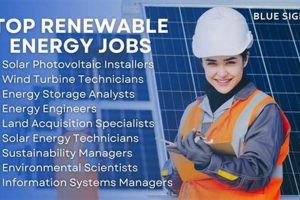
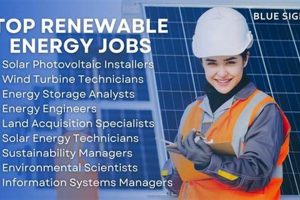
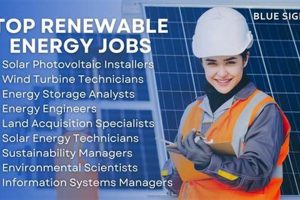
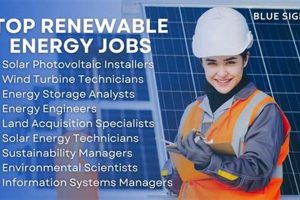
The relationship between renewable energy industries and employment opportunities is a significant area of study within the broader context of energy transition. Examining this relationship involves analyzing job creation across the entire supply chain, from research and development to manufacturing, installation, maintenance, and operation of renewable energy technologies like solar, wind, hydro, and geothermal power. For instance, the manufacturing of solar panels necessitates factory workers, while the installation of wind turbines requires skilled technicians.
A robust renewable energy sector offers numerous economic advantages, including increased domestic manufacturing, reduced reliance on volatile fossil fuel markets, and stimulation of local economies. Historically, shifts in dominant energy sources have always led to workforce transitions. The ongoing transition to renewable energy presents an opportunity not only to mitigate climate change but also to foster economic growth and generate stable, well-paying jobs in a future-oriented industry.
This discussion will further explore the specific areas within the renewable energy sector where employment is expanding, the types of jobs being created, and the potential for future growth. Furthermore, it will address the challenges and opportunities related to workforce development and training to ensure a smooth and equitable transition for workers.
Tips for Understanding Employment in Renewable Energy
Navigating the complex landscape of renewable energy and its impact on employment requires careful consideration of various factors. The following tips provide a framework for understanding this dynamic relationship.
Tip 1: Consider the Entire Value Chain: Analyzing job creation potential requires examining the full spectrum of activities, from resource extraction and component manufacturing to project development, installation, grid integration, and ongoing maintenance.
Tip 2: Differentiate Between Direct and Indirect Jobs: Direct jobs are created within the renewable energy industry itself, while indirect jobs are generated in supporting industries, such as manufacturing and transportation. Both contribute to the overall economic impact.
Tip 3: Account for Regional Variations: Employment opportunities vary geographically based on resource availability, policy incentives, and existing infrastructure. Coastal regions, for example, may see more growth in offshore wind, while sunny regions benefit from solar installations.
Tip 4: Recognize the Importance of Workforce Development: A successful transition to a renewable energy economy requires skilled workers. Investing in training and education programs is crucial for equipping the workforce with the necessary expertise.
Tip 5: Analyze Long-Term Trends: While short-term fluctuations in employment are common, focusing on long-term trends provides a more accurate picture of the overall growth potential of the renewable energy sector.
Tip 6: Consider Policy Impacts: Government policies, such as tax incentives, subsidies, and renewable portfolio standards, play a significant role in shaping the growth trajectory of the renewable energy industry and its associated employment opportunities.
Tip 7: Evaluate the Quality of Jobs Created: Beyond the number of jobs, assessing factors like wages, benefits, and job security is crucial for understanding the true impact of renewable energy on the workforce.
By understanding these key considerations, stakeholders can gain a more comprehensive understanding of the multifaceted relationship between renewable energy and job creation, leading to more informed decision-making and policy development.
This analysis sets the stage for a deeper exploration of specific renewable energy technologies and their associated employment prospects, providing a roadmap for a sustainable energy future.
1. Job Creation Potential

Job creation potential is a central component when assessing the viability and overall impact of renewable energy transitions. The shift towards renewable energy sources inherently necessitates a substantial workforce to design, manufacture, install, maintain, and operate these new technologies. This demand translates into diverse employment opportunities across various skill levels, from highly specialized engineers and technicians to construction workers and administrative staff. For instance, the burgeoning offshore wind industry requires skilled welders, electricians, and turbine technicians, while the solar industry generates jobs in manufacturing, installation, and sales. Examining the job creation potential of renewable energy allows policymakers and industry stakeholders to understand the economic benefits and social implications of embracing sustainable energy solutions.
The scale of job creation potential within the renewable energy sector is often underestimated. Beyond direct employment in areas like solar panel manufacturing and wind turbine installation, indirect jobs are generated in supporting industries such as raw materials processing, transportation, and logistics. Furthermore, induced jobs result from increased economic activity and spending within communities benefiting from renewable energy projects. For example, the construction of a new solar farm creates jobs not only for those directly involved in building and operating the facility but also for local businesses supplying goods and services to the workforce. Understanding this broader impact is crucial for maximizing the socioeconomic benefits of renewable energy deployment.
A comprehensive assessment of job creation potential is crucial for informed decision-making. It allows for targeted investments in workforce development and training programs to ensure a skilled labor pool capable of meeting the demands of the renewable energy sector. Moreover, understanding job creation potential enables policymakers to develop effective strategies for fostering a just and equitable transition for workers currently employed in fossil fuel industries. Ultimately, recognizing and maximizing the job creation potential associated with renewable energy is fundamental for achieving a sustainable and prosperous future.
2. Economic growth

Economic growth and renewable energy job creation are intrinsically linked. Investments in renewable energy technologies stimulate economic activity across multiple sectors. The manufacturing of wind turbines, solar panels, and other renewable energy components creates demand for raw materials, specialized equipment, and skilled labor. This, in turn, drives growth in related industries such as construction, transportation, and logistics. Furthermore, the deployment of renewable energy projects often occurs in rural or economically depressed areas, leading to localized job creation and increased tax revenues, revitalizing communities and stimulating regional economic development. For example, the growth of the solar industry in the United States has led to significant job creation in manufacturing, installation, and maintenance, boosting local economies nationwide. Similarly, investments in offshore wind projects in Europe have created new opportunities for coastal communities, driving economic diversification and growth.
The transition to a renewable energy economy also presents opportunities for innovation and technological advancement, which can further contribute to economic growth. Research and development in areas such as energy storage, smart grids, and next-generation renewable energy technologies create high-skilled jobs and foster a competitive edge in the global market. This innovation can lead to cost reductions and improved efficiency in renewable energy technologies, making them even more attractive investments and accelerating their adoption. For example, advancements in battery technology have significantly reduced the cost of energy storage, making renewable energy more reliable and cost-competitive with traditional fossil fuels, further driving market growth and job creation.
Understanding the dynamic relationship between economic growth and renewable energy job creation is crucial for policymakers seeking to foster sustainable economic development. Strategic investments in renewable energy infrastructure, coupled with targeted workforce development programs, can unlock significant economic benefits while simultaneously addressing climate change. However, challenges remain, including ensuring a just transition for workers in declining fossil fuel industries and addressing potential supply chain bottlenecks for critical materials used in renewable energy technologies. Overcoming these challenges requires a comprehensive and coordinated approach that prioritizes both economic growth and environmental sustainability.
3. Workforce transition

Workforce transition is an integral component of the renewable energy job creation narrative. As economies shift away from fossil fuels and embrace renewable energy sources, existing workforces require reskilling and upskilling to meet the evolving demands of the new energy landscape. This transition necessitates a multifaceted approach involving government initiatives, private sector engagement, and educational institutions. For example, coal miners can be retrained to install and maintain solar panels or wind turbines, leveraging their existing technical skills while adapting to the specific requirements of the renewable energy sector. Similarly, oil and gas workers can transition into roles focused on geothermal energy or bioenergy production. Successful workforce transitions are crucial for ensuring that the shift to renewable energy is both economically viable and socially equitable, minimizing job displacement and maximizing the benefits of new employment opportunities.
Several real-world examples highlight the practical significance of workforce transition in the renewable energy sector. In the United States, organizations like the National Wildlife Federation are actively working with labor unions to create training programs for fossil fuel workers seeking employment in the renewable energy industry. These programs focus on providing the necessary technical skills and certifications required for jobs in solar, wind, and energy efficiency. In Germany, the government’s Energiewende policy, which promotes a transition to renewable energy, includes provisions for retraining and supporting workers affected by the closure of coal mines and power plants. These examples demonstrate the importance of proactive planning and investment in workforce transition to ensure a smooth and equitable shift towards a renewable energy future.
Effectively managing workforce transitions is critical for maximizing the socioeconomic benefits of renewable energy job creation. A failure to address the needs of workers in declining industries can lead to social unrest, economic hardship, and resistance to the adoption of renewable energy technologies. However, successful workforce transition initiatives can create a win-win scenario by providing new opportunities for workers while simultaneously accelerating the growth of the renewable energy sector. Moving forward, continued investment in training programs, education initiatives, and collaborative partnerships between government, industry, and labor organizations will be essential for navigating the complexities of workforce transition and ensuring a just and prosperous energy future.
4. Technological Innovation

Technological innovation plays a crucial role in the growth of the renewable energy sector and its associated job creation potential. Advancements in renewable energy technologies drive down costs, improve efficiency, and expand the range of applications, leading to increased market adoption and a greater demand for skilled workers across the entire value chain. This section explores key facets of technological innovation within the renewable energy sector and their impact on employment.
- Improved Efficiency of Energy Generation
Continuous improvements in the efficiency of renewable energy technologies, such as solar panels and wind turbines, directly impact job creation. Higher efficiency translates to greater energy output per unit of installed capacity, requiring more manufacturing, installation, and maintenance jobs to meet growing energy demands. For example, advancements in photovoltaic cell technology have dramatically increased the efficiency of solar panels, leading to greater energy yields and increased demand for solar panel installers and maintenance technicians.
- Advanced Energy Storage Solutions
The intermittent nature of renewable energy sources like solar and wind necessitates efficient energy storage solutions. Technological innovation in battery storage, pumped hydro, and other storage technologies creates new job opportunities in research, development, manufacturing, and deployment. As energy storage becomes more cost-effective and reliable, it further enhances the viability of renewable energy, driving greater adoption and associated job growth. For instance, the increasing demand for lithium-ion batteries for electric vehicles and grid-scale energy storage is creating new manufacturing jobs and stimulating research into next-generation battery technologies.
- Smart Grid Integration
Integrating renewable energy sources into existing power grids requires advanced grid management technologies. Smart grids, enabled by digital technologies and sophisticated control systems, optimize energy distribution, balance supply and demand, and enhance grid stability. The development and implementation of smart grid technologies create new jobs in software development, data analytics, and grid modernization projects. Furthermore, smart grids facilitate the integration of distributed renewable energy resources, such as rooftop solar panels, creating jobs in installation, maintenance, and grid management.
- Next-Generation Renewable Energy Technologies
Ongoing research and development in areas such as wave energy, tidal energy, and advanced biofuels hold significant potential for future job creation. These next-generation technologies are still in their early stages of development, but as they mature and become commercially viable, they will create new industries and employment opportunities. For example, the development of wave energy converter technologies requires specialized engineering skills and could lead to the creation of new manufacturing and maintenance jobs in coastal communities.
These technological advancements are interconnected and mutually reinforcing, driving a virtuous cycle of innovation, cost reductions, increased market adoption, and ultimately, significant job creation across the renewable energy sector. As the global transition to renewable energy continues to accelerate, technological innovation will remain a key driver of economic growth and employment opportunities.
5. Investment Opportunities

Investment opportunities within the renewable energy sector are directly linked to job creation. Capital investment is essential for financing the research, development, manufacturing, and deployment of renewable energy technologies. This investment stimulates economic activity and creates employment opportunities across the entire value chain. For example, investments in manufacturing facilities for solar panels or wind turbines create construction jobs, manufacturing jobs, and positions in related industries such as logistics and transportation. Furthermore, investments in renewable energy projects, such as solar farms or wind parks, generate jobs in installation, maintenance, and operation. The scale of investment directly influences the number and types of jobs created, with larger investments leading to more significant employment impacts.
The relationship between investment and job creation in renewable energy is not limited to direct employment. Investments in renewable energy projects often have positive spillover effects on local economies. These projects can attract other businesses to the area, stimulating further economic growth and indirect job creation in supporting industries. For example, a new wind farm may lead to the development of local businesses providing maintenance services or manufacturing components for the turbines. Moreover, increased economic activity in a region can generate induced jobs in sectors such as retail, hospitality, and education as a result of increased consumer spending and population growth. Understanding these broader economic impacts is crucial for assessing the full job creation potential of renewable energy investments.
Recognizing the multifaceted relationship between investment opportunities and job creation within the renewable energy sector is crucial for policymakers and investors alike. Targeted policies, such as tax incentives, subsidies, and renewable portfolio standards, can attract private investment and accelerate the growth of the renewable energy industry. These policies can also be designed to prioritize job creation and workforce development, ensuring that the benefits of renewable energy investments are broadly shared. Furthermore, clear and consistent regulatory frameworks can reduce investment risks and encourage long-term commitments from investors, leading to sustained job growth and a more stable renewable energy sector. A comprehensive understanding of this interconnectedness is essential for maximizing the economic and social benefits of the global transition to renewable energy.
6. Policy support
Policy support plays a crucial role in fostering renewable energy job creation. Supportive policies can create a favorable environment for investment, innovation, and market growth within the renewable energy sector. Mechanisms such as tax incentives, subsidies, renewable portfolio standards (RPS), and carbon pricing mechanisms can significantly influence the rate of renewable energy adoption and the subsequent demand for skilled labor. For instance, tax credits for renewable energy installations can incentivize homeowners and businesses to invest in solar panels or wind turbines, creating demand for installers, maintenance technicians, and manufacturers. Similarly, RPS policies, which mandate a certain percentage of electricity generation from renewable sources, create a stable market for renewable energy developers and drive job creation across the supply chain. The absence of supportive policies, conversely, can hinder the growth of the renewable energy sector and limit its job creation potential.
Several real-world examples illustrate the impact of policy support on renewable energy job creation. The German Energiewende, a policy package aimed at transitioning to a low-carbon energy system, has led to significant growth in the renewable energy sector and the creation of hundreds of thousands of jobs. Similarly, state-level RPS policies in the United States have driven the expansion of renewable energy capacity and spurred job growth in states like California and Texas. Conversely, policy uncertainty or the rollback of supportive policies can negatively impact investment and job creation in the renewable energy sector. For example, changes in government subsidies or the expiration of tax credits can create market instability and discourage investment, potentially leading to job losses.
Understanding the critical role of policy support is essential for maximizing the job creation potential of the renewable energy sector. Effective policy design and implementation can create a stable and predictable market environment, attracting investment, fostering innovation, and driving demand for skilled labor. Moreover, policies that prioritize workforce development and training can ensure a smooth transition for workers from traditional energy industries to the renewable energy sector. However, policy support alone is not sufficient; it must be complemented by other factors such as technological advancements, access to financing, and public acceptance to fully realize the job creation potential of renewable energy. Addressing these interconnected factors is crucial for achieving a sustainable and prosperous energy future.
7. Global Market Trends
Global market trends play a significant role in shaping the renewable energy landscape and its impact on job creation. Analyzing these trends provides crucial insights into the growth potential of the renewable energy sector and its capacity to generate employment opportunities worldwide. Understanding these trends is essential for investors, policymakers, and businesses seeking to capitalize on the expanding renewable energy market and its associated economic benefits.
- Declining Costs of Renewable Energy Technologies
The cost of renewable energy technologies, particularly solar and wind power, has fallen dramatically in recent years, making them increasingly competitive with fossil fuels. This cost reduction has spurred market growth and driven demand for renewable energy installations, leading to increased job creation in manufacturing, installation, maintenance, and operation. For example, the declining cost of solar photovoltaic modules has made solar energy a cost-competitive option for electricity generation in many parts of the world, leading to a surge in solar installations and associated jobs.
- Increasing Demand for Clean Energy
Growing concerns about climate change and air pollution are driving global demand for clean energy sources. Governments, businesses, and consumers are increasingly seeking to reduce their carbon footprint and transition to sustainable energy solutions. This growing demand creates a favorable market environment for renewable energy technologies and fuels job growth across the sector. For instance, many countries have set ambitious targets for renewable energy deployment, creating a strong market signal and driving investment in renewable energy projects and associated job creation.
- Government Policies and Incentives
Government policies and incentives, such as feed-in tariffs, tax credits, and renewable portfolio standards, play a crucial role in shaping the global renewable energy market. Supportive policies can accelerate the adoption of renewable energy technologies and stimulate job creation. Conversely, policy uncertainty or the absence of supportive policies can hinder market growth and limit job creation potential. For example, countries with strong policy support for renewable energy, such as Germany and Denmark, have experienced significant growth in the renewable energy sector and associated job creation.
- Investment in Research and Development
Continued investment in research and development is essential for driving innovation and cost reductions in renewable energy technologies. This investment creates high-skilled jobs in research institutions, universities, and private companies, while also contributing to the long-term growth and competitiveness of the renewable energy sector. For example, investments in next-generation solar cell technologies or advanced energy storage solutions create research and development jobs and pave the way for future market growth and broader job creation.
These interconnected global market trends are creating a positive feedback loop, driving further growth in the renewable energy sector and expanding its job creation potential. Understanding and responding to these trends is crucial for policymakers, businesses, and individuals seeking to capitalize on the economic opportunities presented by the global transition to a sustainable energy future. As renewable energy technologies continue to mature and become more cost-competitive, their contribution to global job creation is expected to increase significantly in the coming years.
Frequently Asked Questions
This section addresses common inquiries regarding the relationship between renewable energy and job creation, providing concise and informative responses.
Question 1: How does renewable energy job creation compare to employment in the fossil fuel industry?
While the fossil fuel industry has historically been a significant employer, the renewable energy sector is rapidly catching up. Numerous studies indicate renewable energy sectors already employ more people than traditional fossil fuel industries in several countries and globally, and this trend is projected to continue as renewable energy technologies become more cost-competitive and their deployment accelerates.
Question 2: Are renewable energy jobs sustainable in the long term?
Renewable energy jobs are generally considered more sustainable in the long term compared to fossil fuel jobs. This is because renewable energy sources are, by definition, replenishable, unlike finite fossil fuel reserves. As the world transitions towards a sustainable energy future, the demand for renewable energy technologies and associated skilled labor is expected to grow steadily.
Question 3: What types of jobs are created in the renewable energy sector?
The renewable energy sector creates a diverse range of jobs across various skill levels. These include manufacturing jobs (producing solar panels, wind turbines, etc.), installation and maintenance jobs (installing and servicing renewable energy systems), engineering and design jobs (developing and improving renewable energy technologies), research and development jobs (innovating new renewable energy solutions), and sales and marketing jobs (promoting and selling renewable energy products and services).
Question 4: What skills are needed for renewable energy jobs?
The specific skills required for renewable energy jobs vary depending on the role. However, some common skills include technical expertise in areas such as electrical engineering, mechanical engineering, and construction, as well as soft skills like problem-solving, teamwork, and communication. Many renewable energy jobs also require specialized training and certifications.
Question 5: How can individuals prepare for careers in the renewable energy sector?
Individuals interested in pursuing careers in renewable energy can prepare through various pathways, including vocational training programs, college degrees in relevant fields such as engineering or environmental science, and online certifications. Gaining practical experience through internships or apprenticeships can also enhance career prospects.
Question 6: What is the role of government policy in supporting renewable energy job creation?
Government policies play a crucial role in supporting renewable energy job creation. Policies such as tax incentives, subsidies, renewable portfolio standards, and carbon pricing mechanisms can create a favorable market environment for renewable energy technologies, driving investment and stimulating job growth.
Understanding the dynamics of renewable energy job creation is crucial for informed decision-making at both individual and policy levels. The transition to a sustainable energy future presents significant opportunities for economic growth and employment, and addressing common concerns surrounding this transition is essential for realizing its full potential.
The following sections will delve deeper into specific renewable energy technologies and their respective job creation potential, offering a more granular perspective on employment opportunities within this dynamic and evolving sector.
Conclusion
Examination of the query “does renewable energy create jobs” reveals a clear affirmative. Analysis demonstrates a strong correlation between renewable energy sector growth and increased employment opportunities. This connection spans various areas, from manufacturing and installation to research, development, and maintenance, impacting diverse skill sets and educational backgrounds. Furthermore, the economic benefits extend beyond direct employment, influencing related industries and stimulating broader economic activity. Policy support, technological advancements, and market trends all contribute to this positive relationship, shaping a robust and evolving employment landscape.
The transition to a renewable energy-based economy presents a significant opportunity for sustainable job growth and economic development. Realizing this potential requires continued investment in research and development, supportive policies that incentivize renewable energy adoption, and proactive workforce development initiatives to ensure a skilled labor pool. The future of employment is intertwined with the global commitment to sustainable energy, making the growth of the renewable energy sector not just an environmental imperative, but an economic one as well.