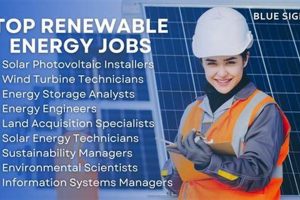
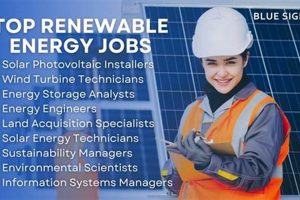
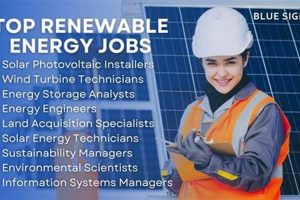
Employment opportunities within Vermont’s burgeoning sustainable power sector encompass diverse fields such as solar and wind power installation, bioenergy production, hydroelectric engineering, and energy efficiency consulting. Positions range from hands-on technical roles to research, sales, and policy-related work.
Vermont’s commitment to a clean energy future is driving significant growth in this sector, creating economic prospects while reducing reliance on fossil fuels. This transition not only benefits the environment but also stimulates local economies, fosters innovation, and enhances energy independence. The state’s history of environmental stewardship and progressive energy policies has laid a solid foundation for the continued expansion of these career pathways.
Further exploration of this topic will encompass specific career options, educational and training requirements, relevant policy frameworks, and the future outlook for sustainable power employment within the state.
Tips for Pursuing Sustainable Power Employment in Vermont
Navigating the green employment landscape requires strategic planning and awareness of available resources. The following tips offer guidance for individuals interested in pursuing careers within Vermont’s renewable energy sector.
Tip 1: Research Specific Career Paths: Thoroughly investigate various roles within the industry, considering required skills, educational backgrounds, and potential career trajectories. Understanding the nuances of different positions, such as solar installer versus energy auditor, will facilitate focused job searching.
Tip 2: Develop Relevant Skills: Acquire necessary technical skills through vocational training programs, apprenticeships, or relevant degree programs offered by Vermont’s educational institutions. Focus on developing expertise aligned with specific career goals.
Tip 3: Network with Industry Professionals: Attend industry events, join professional organizations, and connect with individuals working in the field. Networking can provide valuable insights, mentorship opportunities, and potential job leads.
Tip 4: Utilize State Resources: Leverage resources offered by Vermont agencies dedicated to workforce development and renewable energy initiatives. These resources often provide job boards, training information, and funding opportunities.
Tip 5: Stay Updated on Policy Developments: Remain informed about Vermont’s evolving energy policies and incentives. Understanding the regulatory landscape can provide a competitive edge and inform career decisions.
Tip 6: Highlight Transferable Skills: Even without direct experience in renewable energy, individuals can leverage transferable skills from related fields. Emphasize skills such as project management, data analysis, and communication during the application process.
Tip 7: Consider Internships or Volunteer Opportunities: Gain practical experience and build connections through internships or volunteer work with renewable energy organizations. This demonstrates commitment and provides valuable hands-on learning.
By implementing these strategies, individuals can enhance their prospects within Vermont’s dynamic and growing renewable energy sector. A proactive and informed approach is crucial for success in this competitive yet rewarding field.
This exploration of career pathways, coupled with practical advice, aims to provide a comprehensive understanding of the opportunities within Vermont’s sustainable power sector. A concluding overview will summarize the key takeaways and emphasize the long-term benefits of pursuing a career in this vital industry.
1. Solar Installation

Solar installation represents a significant portion of Vermont’s renewable energy job market. The state’s commitment to solar energy expansion creates consistent demand for skilled installers, contributing to both environmental sustainability and economic growth. Understanding the facets of solar installation provides valuable insight into this dynamic field.
- Site Assessment and Design
Accurate site assessment is fundamental to successful solar installations. This involves evaluating factors such as sunlight exposure, roof orientation, shading, and structural integrity. Proper design ensures optimal energy production and system longevity. Vermont’s diverse terrain and weather conditions require installers to adapt designs accordingly, highlighting the importance of specialized expertise.
- System Installation and Integration
Installers handle the physical installation of solar panels, mounting systems, wiring, and inverters. This requires technical proficiency, adherence to safety regulations, and attention to detail. Integrating the solar system with existing electrical infrastructure is a critical aspect of the process, demanding a comprehensive understanding of electrical systems. Vermont’s building codes and interconnection requirements necessitate precise and compliant installations.
- Permitting and Inspections
Navigating the permitting and inspection process is essential for compliant solar installations. Installers must understand local regulations, submit necessary documentation, and coordinate with relevant authorities. Successful completion of inspections ensures system safety and adherence to state standards. Vermont’s commitment to streamlined permitting processes supports efficient project completion.
- Maintenance and Troubleshooting
Maintaining and troubleshooting solar installations are crucial for long-term performance. Installers diagnose system issues, repair or replace faulty components, and conduct routine maintenance checks. This ensures optimal energy generation and maximizes system lifespan. Vermont’s weather patterns necessitate ongoing maintenance and prompt troubleshooting to address potential damage from snow, ice, or other environmental factors.
These facets of solar installation underscore the technical expertise and multifaceted skills required within this field. The growing demand for solar energy in Vermont ensures continued career opportunities for qualified installers, contributing significantly to the state’s renewable energy landscape. The ongoing evolution of solar technology and Vermont’s commitment to sustainable energy suggest a promising future for this career path.
2. Wind Turbine Technician
Wind turbine technicians play a crucial role in Vermont’s renewable energy landscape. As the state expands its wind power capacity, the demand for skilled technicians to install, maintain, and repair these complex systems increases proportionally. This connection is fundamental to Vermont’s clean energy goals and the overall growth of the renewable energy job sector. The increasing presence of wind farms throughout the state necessitates skilled professionals to ensure their efficient and reliable operation, directly impacting Vermont’s energy independence and carbon reduction efforts. For example, the Kingdom Community Wind project in Lowell, Vermont, employs technicians to maintain its 21 turbines, highlighting the direct link between wind power development and technical employment opportunities.
The technical expertise required for wind turbine maintenance encompasses a range of specialized skills. Technicians perform diagnostic testing, troubleshoot mechanical and electrical malfunctions, replace worn components, and conduct preventative maintenance. This work often involves working at heights and in challenging weather conditions, demanding physical resilience and technical proficiency. The increasing sophistication of wind turbine technology necessitates ongoing training and professional development for technicians to remain current with industry advancements. Efficient turbine operation maximizes energy output and minimizes downtime, directly impacting the economic viability of wind power projects and Vermont’s overall energy portfolio. Specialized training programs offered through Vermont Technical College, for example, equip individuals with the necessary skills to enter this demanding field.
The sustained growth of Vermont’s wind energy sector presents significant career opportunities for qualified wind turbine technicians. The ongoing transition to renewable energy sources ensures continued demand for these specialized skills. Challenges such as workforce development and ensuring adequate training opportunities must be addressed to meet the evolving needs of the industry. The integration of wind power into Vermont’s energy mix offers a tangible example of how renewable energy job creation translates into practical, on-the-ground employment, driving economic growth while contributing to environmental sustainability. The future of wind energy in Vermont is intrinsically linked to the expertise and dedication of skilled wind turbine technicians, reinforcing the importance of this profession within the broader context of renewable energy jobs in the state.
3. Hydropower Engineering

Hydropower engineering holds a unique position within Vermont’s renewable energy landscape, leveraging the state’s abundant water resources to generate clean electricity. This established sector offers diverse employment opportunities, from design and construction to maintenance and operation of hydropower facilities. Understanding the key facets of hydropower engineering provides valuable insight into its contribution to Vermont’s renewable energy job market.
- Dam Operation and Maintenance
Maintaining existing hydropower infrastructure is crucial for ensuring continued clean energy generation. Dam operators and maintenance personnel play essential roles in monitoring dam integrity, managing water flow, and conducting routine inspections. This work ensures the safe and efficient operation of hydropower facilities, contributing to Vermont’s energy security and minimizing environmental impact. For example, the Waterbury Hydroelectric Dam, operated by Green Mountain Power, relies on skilled personnel for continuous operation and maintenance.
- Turbine and Generator Systems
Hydropower generation relies on complex turbine and generator systems that convert water flow into electricity. Engineers and technicians specialize in the design, installation, and maintenance of these systems, ensuring optimal energy production. Expertise in mechanical and electrical engineering is crucial for maintaining the efficiency and reliability of hydropower plants. Vermont’s diverse topography necessitates adapting turbine designs to specific site conditions, requiring specialized engineering expertise.
- Environmental Impact Assessment and Mitigation
Hydropower projects require careful consideration of potential environmental impacts. Environmental engineers and scientists conduct assessments to evaluate effects on aquatic ecosystems, water quality, and surrounding habitats. Mitigation strategies are implemented to minimize negative impacts and ensure sustainable hydropower development. Vermont’s commitment to environmental stewardship necessitates rigorous environmental review processes for hydropower projects.
- Hydropower Plant Design and Construction
Developing new hydropower facilities or upgrading existing ones demands expertise in civil, mechanical, and electrical engineering. Engineers design and oversee the construction of dams, powerhouses, and transmission lines, ensuring projects meet safety and performance standards. Vermont’s challenging terrain and regulatory environment require specialized knowledge in hydropower plant design and construction.
These interconnected facets of hydropower engineering highlight its complexity and the diverse skill sets required within this field. The continued operation and development of hydropower resources in Vermont provide ongoing employment opportunities for engineers, technicians, and other skilled professionals. This sector’s established presence and potential for future growth contribute significantly to the overall landscape of renewable energy jobs in Vermont. The ongoing emphasis on sustainable hydropower practices further reinforces its importance within the state’s clean energy portfolio.
4. Bioenergy Production

Bioenergy production represents a growing segment of Vermont’s renewable energy sector, offering unique opportunities for job creation while contributing to sustainable energy goals. Utilizing organic matter for heat, electricity, and biofuels diversifies Vermont’s energy portfolio and reduces reliance on fossil fuels. This sector encompasses various technologies and processes, creating a range of employment possibilities.
- Wood Chip Heating Systems
Wood chip heating systems provide a sustainable alternative for residential, commercial, and institutional heating applications. These systems utilize locally sourced wood chips, supporting Vermont’s forestry industry and reducing reliance on imported fossil fuels. Jobs related to wood chip heating include system installation, maintenance, fuel supply, and forestry management. For example, several schools and hospitals in Vermont have adopted wood chip heating, creating local employment opportunities.
- Anaerobic Digestion
Anaerobic digestion converts organic waste, such as agricultural manure and food scraps, into biogas, a renewable fuel source. This process reduces landfill waste, minimizes greenhouse gas emissions, and produces valuable byproducts like fertilizer. Employment opportunities in anaerobic digestion include facility operation, maintenance, feedstock management, and biogas utilization. Vermont’s dairy farms are exploring anaerobic digestion as a sustainable waste management and energy production solution.
- Biofuel Production
Producing biofuels from sustainable feedstocks, such as switchgrass or algae, offers potential for transportation fuel diversification. Research and development in advanced biofuel technologies are ongoing in Vermont, creating opportunities for scientists, engineers, and technicians. Commercial-scale biofuel production could create additional jobs in agriculture, processing, and distribution. The University of Vermont is actively researching algae-based biofuel production, demonstrating the state’s commitment to this emerging field.
- Forestry Management for Biomass Energy
Sustainable forestry practices are crucial for ensuring a reliable supply of biomass feedstock for bioenergy production. Foresters and logging professionals play a vital role in managing Vermont’s forests for both ecological health and economic benefits. Employment opportunities in this area include forest management planning, timber harvesting, and wood chip production. Vermont’s strong forestry tradition provides a foundation for sustainable biomass energy development.
These diverse facets of bioenergy production demonstrate its potential for contributing significantly to both Vermont’s renewable energy goals and its job market. As the sector continues to evolve, further opportunities for innovation and employment are likely to emerge, strengthening the connection between bioenergy and Vermont’s sustainable economic future. This growth potential reinforces the importance of bioenergy within the broader context of renewable energy jobs in Vermont.
5. Energy Efficiency Auditing

Energy efficiency auditing plays a critical role in Vermont’s transition to a renewable energy-based economy. Auditing identifies opportunities to reduce energy consumption in buildings and industrial processes, complementing the growth of renewable energy generation. Reduced energy demand lessens the burden on renewable energy sources, allowing for a more efficient and cost-effective transition. This interdependence strengthens the overall impact of renewable energy initiatives. For example, Efficiency Vermont, a statewide energy efficiency utility, employs energy auditors who help businesses and homeowners identify energy-saving measures, reducing overall energy demand and supporting the integration of renewable energy sources.
The practical application of energy efficiency auditing drives job creation within Vermont. Qualified energy auditors are in demand to assess buildings, analyze energy consumption patterns, and recommend improvements. These recommendations often involve implementing energy-efficient technologies, creating further employment opportunities for installers and technicians. This ripple effect expands the job market beyond auditing itself, contributing to a broader economic impact. For instance, a recommendation to upgrade insulation in a building creates jobs for insulation installers, demonstrating the interconnectedness of energy efficiency and job growth. Furthermore, training programs for energy auditors, offered through institutions like Vermont Technical College, contribute to workforce development within the state.
Energy efficiency auditing functions as a crucial bridge between current energy consumption patterns and a future powered by renewable sources. By reducing energy demand, auditing creates a more favorable environment for renewable energy integration. This connection strengthens the overall sustainability of Vermont’s energy system and creates a positive feedback loop: reduced demand facilitates increased reliance on renewables, further driving job growth in both energy efficiency and renewable energy sectors. The continued emphasis on energy efficiency reinforces its essential role within the broader context of renewable energy jobs in Vermont, ensuring a more sustainable and economically vibrant future.
6. Policy and Research
Policy and research form the bedrock of Vermont’s renewable energy sector, directly influencing job creation and industry growth. State-level policies, such as the Renewable Energy Standard (RES), which mandates a certain percentage of electricity generation from renewable sources, create a framework for investment and development. This, in turn, drives demand for professionals in various roles, from project developers and engineers to legal experts specializing in renewable energy regulations. Research initiatives, conducted by institutions like the University of Vermont, explore innovative technologies and optimize renewable energy integration, further expanding employment opportunities in research, development, and specialized technical fields. For example, the development of advanced battery storage technologies, spurred by research funding and policy incentives, creates new job opportunities in manufacturing, installation, and maintenance.
The practical significance of this connection lies in the cause-and-effect relationship between policy decisions, research advancements, and subsequent job creation. Supportive policies attract private investment in renewable energy projects, generating employment across the supply chain. Research breakthroughs lead to the development of more efficient and cost-effective technologies, further stimulating market growth and creating demand for specialized skills. This dynamic interplay between policy and research ensures the continued expansion of Vermont’s renewable energy sector and the associated job market. For instance, Vermont’s net-metering policy, which allows homeowners and businesses to sell excess solar energy back to the grid, has incentivized rooftop solar installations and created jobs for solar installers, electricians, and sales personnel. This illustrates the tangible impact of policy on job creation within a specific sub-sector of the renewable energy industry.
Sustained growth in Vermont’s renewable energy sector necessitates ongoing policy support and research investment. Adapting policies to reflect technological advancements and market trends is crucial for maintaining a favorable environment for job creation. Continued research into emerging technologies, such as advanced biofuels and smart grid integration, will further diversify the job market and ensure Vermont remains at the forefront of renewable energy innovation. Addressing challenges such as workforce development and grid modernization through targeted policies and research initiatives will be essential for maximizing the economic and environmental benefits of the state’s transition to a clean energy future. The interconnectedness of policy, research, and job creation underscores the importance of a holistic approach to developing Vermont’s renewable energy sector, ensuring its long-term viability and contribution to the state’s economy.
Frequently Asked Questions
This section addresses common inquiries regarding employment within Vermont’s renewable energy sector. Clear and concise answers provide practical information for those exploring career opportunities in this dynamic field.
Question 1: What types of jobs are available in renewable energy in Vermont?
Opportunities span diverse areas, including solar and wind installation, hydropower maintenance, bioenergy production, energy efficiency auditing, and research positions. Specific roles range from technicians and installers to engineers, scientists, and policy analysts.
Question 2: What educational background is required for renewable energy jobs?
Educational requirements vary depending on the specific role. Technical positions often require vocational training or associate degrees, while engineering and research positions typically necessitate bachelor’s or advanced degrees. Apprenticeships and on-the-job training also provide valuable pathways into the field.
Question 3: Are there financial incentives for pursuing renewable energy careers in Vermont?
Vermont offers various workforce development programs and incentives that may provide financial assistance for training and education in renewable energy fields. State agencies and educational institutions often provide information on available funding opportunities.
Question 4: How can I find job openings in Vermont’s renewable energy sector?
Online job boards specializing in clean energy and sustainability often list Vermont-specific openings. State agencies, industry associations, and renewable energy companies also post job opportunities on their websites.
Question 5: What is the long-term job outlook for renewable energy in Vermont?
Vermont’s commitment to a clean energy future suggests a positive long-term outlook for renewable energy jobs. The continued growth of solar, wind, and other renewable energy sources is expected to drive sustained demand for skilled professionals.
Question 6: How does Vermonts policy landscape support renewable energy jobs?
Vermont’s Renewable Energy Standard and other supportive policies create a favorable environment for renewable energy investment and development. These policies incentivize job creation and ensure the continued expansion of the sector.
Understanding these key aspects of renewable energy employment in Vermont provides a foundational understanding of the opportunities and challenges within this evolving field. Prospective job seekers are encouraged to further research specific career paths and utilize available resources to enhance their prospects.
Further sections of this resource will explore specific career pathways in greater detail and offer practical advice for navigating the renewable energy job market in Vermont.
Renewable Energy Jobs in Vermont
Exploration of Vermont’s renewable energy employment landscape reveals a diverse and dynamic sector offering promising career pathways. From solar and wind power to hydropower, bioenergy, and energy efficiency, the state’s commitment to clean energy creates opportunities for skilled professionals across various disciplines. Technical expertise, engineering skills, policy analysis, and research capabilities all contribute to this evolving field, fostering economic growth while advancing environmental sustainability. The interconnectedness of these areas underscores the importance of a comprehensive approach to workforce development and industry expansion.
Vermont’s transition to a clean energy future hinges on the continued growth of its renewable energy workforce. Embracing these career opportunities not only benefits individual livelihoods but also contributes to a more sustainable and resilient energy system. The ongoing evolution of renewable energy technologies and supportive state policies suggests a promising future for those seeking fulfilling and impactful careers in this vital sector. Strategic investment in education, training, and research will further solidify Vermont’s position as a leader in renewable energy and ensure long-term economic and environmental benefits for the state.