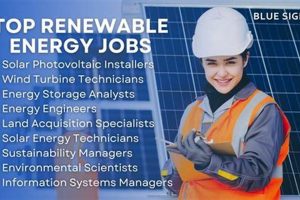
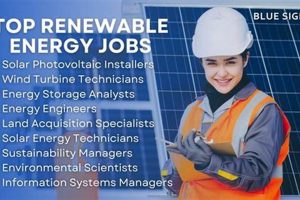
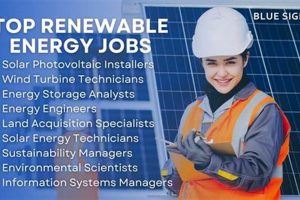
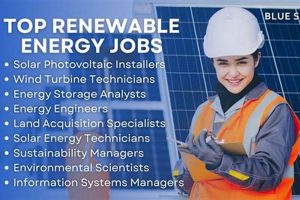
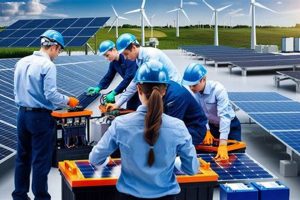
Employment opportunities within the Dutch sustainable energy sector encompass a wide range of roles, from engineering and installation to research, development, and policy. For example, a wind turbine technician contributes to the harnessing of wind power, while a solar panel installer facilitates the utilization of solar energy. These positions are critical to building and maintaining the infrastructure necessary for a transition towards cleaner power sources.
The growth of this employment sector is crucial to the Netherlands’ commitment to reducing its carbon footprint and combating climate change. Historically, the nation has been a leader in embracing sustainable practices, and the current focus on renewable energy sources builds upon this foundation. Investing in this sector not only contributes to environmental goals but also stimulates economic growth and fosters innovation in a rapidly evolving technological landscape. It creates a skilled workforce equipped for the future energy demands of the country and beyond.
This article will further explore specific career paths within the Dutch renewable energy sector, discuss the educational and training requirements for these roles, and analyze the future prospects of this growing job market.
Tips for Pursuing a Career in Sustainable Energy in the Netherlands
Navigating the Dutch renewable energy job market requires strategic planning and a clear understanding of the sector’s nuances. The following tips offer guidance for individuals interested in pursuing a career in this dynamic field.
Tip 1: Specialize in a High-Demand Area: Focus on areas experiencing significant growth, such as offshore wind energy, solar photovoltaic installation, or energy storage technologies. Developing expertise in these areas increases competitiveness and aligns with national priorities.
Tip 2: Network Strategically: Attend industry events, conferences, and career fairs to connect with potential employers and learn about emerging opportunities. Building a strong professional network can provide valuable insights and open doors to unadvertised positions.
Tip 3: Gain Relevant Experience: Internships, volunteer work, or research projects within the renewable energy sector demonstrate practical skills and commitment to the field. Even entry-level experience can significantly enhance a candidate’s profile.
Tip 4: Develop Multilingual Proficiency: While English proficiency is often sufficient, fluency in Dutch can be a significant advantage, particularly for roles involving direct community engagement or government liaison.
Tip 5: Stay Updated on Policy and Regulations: The renewable energy landscape is constantly evolving. Staying informed about government policies, subsidies, and regulatory changes is essential for career planning and informed decision-making.
Tip 6: Research Companies and Organizations: Thorough research into companies and organizations active in the Dutch renewable energy sector provides valuable insights into their values, projects, and hiring practices. Tailoring applications to specific organizations demonstrates a genuine interest and increases the likelihood of success.
Tip 7: Highlight Transferable Skills: Even without direct experience in renewable energy, transferable skills from related fields, such as engineering, project management, or data analysis, can be highly valuable. Emphasize these skills in applications and interviews.
By following these tips, individuals can effectively position themselves for success in the competitive yet rewarding field of sustainable energy in the Netherlands. These strategies facilitate career advancement and contribute to the broader transition towards a greener future.
This information provides a solid foundation for anyone considering a career in the Dutch renewable energy sector. The following sections will delve into specific career paths, educational opportunities, and future projections for this vital industry.
1. Wind Turbine Technician

Wind turbine technicians play a crucial role in the Netherlands’ expanding renewable energy sector. As the nation invests heavily in offshore and onshore wind farms, the demand for skilled technicians to install, maintain, and repair these complex machines is steadily increasing. Their expertise ensures the efficient operation of wind turbines, maximizing energy generation and contributing to national sustainability goals. This exploration delves into key facets of this vital profession.
- Installation & Commissioning
Technicians oversee the assembly and installation of wind turbines, from foundation to nacelle. This involves precision placement of heavy components, electrical wiring, and system testing. Successful commissioning ensures the turbine’s readiness for operation, contributing to the overall expansion of wind energy capacity in the Netherlands.
- Maintenance & Repair
Regular maintenance is essential for optimal turbine performance and longevity. Technicians perform routine inspections, troubleshoot mechanical and electrical issues, and replace worn-out components. This proactive approach minimizes downtime and ensures consistent energy production, crucial for the stability of the Dutch renewable energy grid.
- Troubleshooting & Diagnostics
Utilizing specialized software and diagnostic tools, technicians identify and resolve technical malfunctions. This requires a deep understanding of mechanical, electrical, and hydraulic systems. Effective troubleshooting minimizes repair time and maximizes energy output, directly impacting the efficiency of renewable energy generation in the Netherlands.
- Safety & Compliance
Adhering to stringent safety protocols is paramount in this profession. Technicians work at significant heights and handle complex machinery, necessitating meticulous attention to safety procedures and regulations. Maintaining a safe working environment ensures the well-being of personnel and contributes to the sustainable development of the renewable energy sector in the Netherlands.
These interconnected facets highlight the critical contribution of wind turbine technicians to the Dutch renewable energy landscape. Their specialized skills and commitment to safety and efficiency are essential for the continued growth and success of the wind energy sector, further solidifying the Netherlands’ position as a leader in sustainable energy solutions.
2. Solar Panel Installer
The role of solar panel installer represents a significant component of renewable energy jobs in the Netherlands. The increasing demand for sustainable energy solutions has fueled substantial growth within the solar photovoltaic (PV) sector, creating numerous employment opportunities for skilled installers. This surge is directly linked to national and international commitments to reduce carbon emissions and transition towards cleaner energy sources. The Netherlands, with its ambitious renewable energy targets, offers a robust job market for individuals specializing in solar PV installation. For example, the ongoing development of large-scale solar parks and the increasing adoption of rooftop solar panels on residential and commercial buildings contribute significantly to this growing demand.
Solar panel installers contribute directly to the practical implementation of renewable energy infrastructure. Their responsibilities encompass a range of tasks, from site assessments and system design to the physical installation, connection, and maintenance of solar panels. These professionals ensure the safe and efficient operation of solar energy systems, maximizing energy generation and contributing to the reduction of reliance on fossil fuels. The practical significance of this profession is evident in the tangible impact on the Dutch energy landscape, as solar energy becomes an increasingly integral part of the national energy mix. Moreover, the growth of this sector stimulates related industries, such as battery storage and smart grid technologies, further expanding employment opportunities within the broader renewable energy sector.
In summary, the connection between solar panel installers and renewable energy jobs in the Netherlands is characterized by strong growth driven by national sustainability goals. This profession plays a critical role in the practical deployment of solar energy solutions, contributing to a cleaner energy future for the Netherlands. However, challenges such as skilled labor shortages and grid integration complexities require ongoing attention to ensure the sustainable growth of this vital sector within the Dutch renewable energy landscape.
3. Energy Consultant

Energy consultants play a pivotal role in the Netherlands’ transition to a sustainable energy future. Their expertise bridges the gap between technical advancements in renewable energy and the practical implementation of these technologies across various sectors. The demand for energy consultants within the Dutch renewable energy job market is growing significantly, driven by increasing investments in renewable energy projects, stricter environmental regulations, and a growing awareness of the economic benefits of energy efficiency. This multifaceted role demands a blend of technical knowledge, analytical skills, and communication proficiency.
- Energy Audits & Assessments
Energy consultants conduct comprehensive audits to evaluate energy consumption patterns in buildings, industrial processes, and other systems. These assessments identify areas for improvement and potential energy savings, forming the basis for recommendations on energy efficiency measures and the integration of renewable energy solutions. For instance, an energy consultant might analyze the energy performance of a manufacturing plant and recommend installing solar panels combined with energy storage solutions to reduce reliance on the grid and lower operational costs. This directly contributes to the Netherlands’ renewable energy goals by promoting energy efficiency and sustainable practices.
- Renewable Energy Project Development
Consultants provide crucial support throughout the lifecycle of renewable energy projects. They conduct feasibility studies, develop project proposals, secure funding, and oversee implementation. This involvement spans diverse projects, from large-scale wind farms to community-based solar initiatives. For example, an energy consultant might manage the development of a new offshore wind farm, navigating the complex regulatory landscape, securing permits, and coordinating with stakeholders to ensure the project’s successful completion and contribution to the Netherlands’ renewable energy targets.
- Policy & Regulatory Guidance
Navigating the complex regulatory environment surrounding renewable energy is a crucial aspect of an energy consultant’s role. They advise clients on relevant policies, subsidies, and permitting requirements, helping them understand and comply with regulations while maximizing the benefits of transitioning to sustainable energy sources. This expert guidance simplifies the adoption of renewable energy technologies and accelerates the Netherlands’ progress towards its clean energy objectives.
- Sustainability Strategies & Reporting
Organizations increasingly seek guidance on developing and implementing comprehensive sustainability strategies. Energy consultants assist in defining sustainability goals, developing action plans, and measuring progress. They also provide support with sustainability reporting, enabling organizations to demonstrate their commitment to environmental responsibility and contribute to the broader sustainability agenda within the Netherlands.
The diverse facets of energy consulting demonstrate the profession’s significant contribution to the growth of renewable energy jobs in the Netherlands. The increasing demand for expertise in energy efficiency, project development, policy navigation, and sustainability strategies further strengthens the position of energy consultants as key players in driving the country’s transition to a sustainable energy future. This expertise is fundamental to realizing the full potential of renewable energy and achieving national climate goals. For instance, the growing number of energy consultants specializing in smart grid technologies signifies the evolving nature of the sector and the increasing importance of integrating renewable energy sources seamlessly into existing infrastructure.
4. Policy Analyst
Policy analysts play a crucial role in shaping the renewable energy landscape in the Netherlands. Their expertise lies in analyzing existing energy policies, identifying areas for improvement, and proposing new legislation to promote the growth of the renewable energy sector. Their work directly impacts the creation and sustainability of renewable energy jobs by influencing the regulatory environment and incentivizing investments in sustainable technologies. This detailed exploration delves into the key facets of this influential role within the Dutch renewable energy sector.
- Policy Analysis & Evaluation
Policy analysts meticulously examine existing energy policies and regulations, assessing their effectiveness in achieving renewable energy targets. They conduct research, analyze data, and evaluate the impact of current policies on the market, identifying potential barriers and opportunities for improvement. For example, a policy analyst might assess the effectiveness of existing subsidies for solar panel installations and their impact on market growth, providing valuable insights for policymakers to refine incentive programs and stimulate further investment in solar energy. This analysis directly contributes to the creation of a more favorable environment for renewable energy jobs in the Netherlands.
- Policy Development & Recommendation
Based on their analysis, policy analysts formulate new policy recommendations and legislative proposals aimed at accelerating the transition to renewable energy. They work closely with government agencies, industry stakeholders, and research institutions to develop effective and sustainable policy solutions. For instance, a policy analyst might contribute to the development of a national strategy for offshore wind energy expansion, outlining policy recommendations for streamlining permitting processes, attracting investment, and ensuring a just transition for affected communities. This work directly shapes the future of renewable energy jobs in the Netherlands by influencing the direction of the sector’s growth.
- Stakeholder Engagement & Collaboration
Effective policy development requires collaboration and consensus-building among various stakeholders. Policy analysts engage with government officials, industry representatives, community groups, and researchers to gather diverse perspectives and ensure that policies are both effective and equitable. This collaborative approach strengthens the policy framework and promotes broader support for renewable energy initiatives, ultimately contributing to the long-term stability and growth of renewable energy jobs in the Netherlands.
- Regulatory Impact Assessment
Policy analysts assess the potential economic, social, and environmental impacts of proposed regulations. This analysis informs policy decisions and ensures that new legislation supports the overall goals of sustainable development and job creation within the renewable energy sector. For example, a policy analyst might evaluate the impact of a proposed carbon tax on businesses and households, considering both the environmental benefits and the potential economic implications for various sectors. This careful assessment ensures that policies are designed to promote sustainable growth and create a favorable environment for renewable energy jobs in the Netherlands.
The multifaceted role of policy analysts underscores their importance within the renewable energy jobs landscape in the Netherlands. Their rigorous analysis, policy recommendations, stakeholder engagement, and impact assessments contribute significantly to the development of a supportive regulatory framework, stimulating investment, creating job opportunities, and driving the nation’s transition to a sustainable energy future. The continued growth of the renewable energy sector in the Netherlands relies heavily on the expertise of policy analysts to navigate complex challenges, foster innovation, and ensure a just and equitable transition to a cleaner energy system. For example, the increasing focus on energy storage solutions and smart grids necessitates policy adjustments to integrate these technologies effectively, highlighting the ongoing need for policy analysts to adapt to the evolving demands of the renewable energy sector.
5. Research Scientist
Research scientists form a critical component of the renewable energy job market in the Netherlands. Their work drives innovation and technological advancement, directly impacting the growth and evolution of the sector. This connection is characterized by a cyclical relationship: research leads to technological breakthroughs, which in turn create new job opportunities and stimulate further research. The Netherlands’ commitment to becoming a global leader in sustainable energy solutions fuels substantial investment in research and development, creating a robust demand for skilled research scientists specializing in renewable energy technologies. For example, the ongoing research into advanced biofuel production methods has the potential to create new bio-refinery jobs and stimulate economic growth in rural areas. Similarly, research into improving the efficiency of solar panels directly impacts manufacturing and installation jobs, further strengthening the renewable energy sector.
The practical significance of this connection is evident in the tangible impact of research on the Dutch energy landscape. Developments in energy storage technologies, driven by scientific research, are crucial for integrating intermittent renewable energy sources like solar and wind power into the grid. This integration creates jobs in battery manufacturing, installation, and maintenance, while simultaneously enabling a more reliable and sustainable energy system. Furthermore, research into smart grid technologies facilitates more efficient energy distribution and management, creating opportunities for software developers, data analysts, and grid operators. The Netherlands’ focus on innovation within the renewable energy sector positions it as a hub for research and development, attracting talent and investment, and fostering a dynamic job market.
In summary, research scientists play a vital role in shaping the future of renewable energy in the Netherlands. Their work fuels technological innovation, creates new job opportunities, and drives the transition towards a more sustainable energy system. However, challenges such as securing consistent funding for research and attracting and retaining top talent require ongoing attention to ensure the continued growth and success of the renewable energy research ecosystem in the Netherlands. Addressing these challenges through strategic policy decisions and targeted investments will be crucial for maintaining the country’s competitive edge in the global renewable energy market and ensuring the long-term viability of related job opportunities.
6. Project Manager
Project managers are essential for the successful execution of renewable energy projects in the Netherlands. Their organizational and leadership skills ensure projects are completed on time, within budget, and meet quality standards. As the Dutch renewable energy sector expands, driven by ambitious national targets and increasing private investment, the demand for experienced project managers continues to grow. Their expertise is crucial for coordinating complex projects, managing diverse teams, and navigating the regulatory landscape, making them key players in the transition to a sustainable energy future. This role requires a blend of technical understanding, financial acumen, and interpersonal skills to effectively manage the multifaceted aspects of renewable energy projects.
- Project Planning & Development
Project managers develop comprehensive project plans, outlining timelines, budgets, resource allocation, and risk mitigation strategies. This meticulous planning is essential for ensuring projects stay on track and achieve their objectives. For example, in the development of a new offshore wind farm, a project manager defines the scope of work, establishes a detailed timeline for each phase, from site assessment and permitting to turbine installation and grid connection, and secures the necessary resources, including personnel, equipment, and funding. This detailed planning is critical for the success of large-scale renewable energy projects in the Netherlands and contributes to the efficient allocation of resources within the sector.
- Team Management & Coordination
Renewable energy projects involve diverse teams of engineers, technicians, environmental specialists, legal experts, and other professionals. Project managers effectively coordinate these teams, ensuring clear communication, task allocation, and collaboration towards common goals. For example, in a solar park installation project, the project manager coordinates the activities of surveyors, civil engineers, electricians, and panel installers, ensuring each team’s work aligns with the overall project plan and schedule. Effective team management maximizes efficiency and minimizes delays, contributing to the timely completion of renewable energy projects in the Netherlands.
- Stakeholder Management & Communication
Renewable energy projects often involve numerous stakeholders, including government agencies, local communities, investors, and environmental organizations. Project managers maintain effective communication with all stakeholders, addressing concerns, providing updates, and ensuring transparency throughout the project lifecycle. For instance, in the development of a biomass energy plant, the project manager communicates with local residents to address potential environmental concerns, collaborates with government agencies to secure necessary permits, and provides regular updates to investors on project progress. This transparent and proactive communication builds trust and fosters positive relationships, which are essential for the successful implementation of renewable energy projects in the Netherlands.
- Risk Management & Mitigation
Renewable energy projects face various risks, including technical challenges, regulatory changes, environmental impacts, and financial uncertainties. Project managers identify potential risks, develop mitigation strategies, and proactively address challenges as they arise. For example, a project manager developing a geothermal energy project analyzes potential geological risks, develops contingency plans for equipment malfunctions, and monitors regulatory changes that might impact project timelines or budgets. Effective risk management ensures project resilience and contributes to the long-term viability of renewable energy investments in the Netherlands.
These interconnected facets highlight the integral role of project managers within the renewable energy jobs landscape in the Netherlands. Their expertise in planning, coordination, stakeholder management, and risk mitigation is essential for driving the successful execution of complex renewable energy projects. The increasing demand for skilled project managers reflects the sector’s continued growth and the crucial role they play in achieving the nation’s ambitious sustainability targets. As the Netherlands continues to invest in diverse renewable energy sources, from offshore wind and solar power to geothermal and biomass energy, the demand for experienced project managers will remain a key driver of employment within the sector, further solidifying their importance in shaping the future of sustainable energy in the Netherlands.
7. Environmental Engineer

Environmental engineers play a critical role in the sustainable development and implementation of renewable energy projects within the Netherlands. Their expertise ensures that these projects minimize environmental impact while maximizing efficiency and adhering to stringent regulatory standards. This connection is crucial for balancing the nation’s commitment to renewable energy expansion with the imperative of environmental protection. Cause and effect relationships are central to this role. For example, the development of a new wind farm necessitates careful site selection and assessment by environmental engineers to minimize impacts on bird and bat populations, ensuring biodiversity conservation while expanding renewable energy capacity. Similarly, the construction of hydroelectric dams requires comprehensive environmental impact studies to analyze potential effects on aquatic ecosystems and water resources, guiding sustainable design and mitigating potential negative consequences.
The importance of environmental engineers as a component of renewable energy jobs in the Netherlands is evident in their diverse responsibilities. They conduct environmental impact assessments (EIAs), develop mitigation strategies, monitor project compliance with environmental regulations, and design sustainable solutions for waste management and pollution control. Real-life examples illustrate this importance. In the construction of large-scale solar parks, environmental engineers assess potential land use changes, soil erosion risks, and impacts on local flora and fauna. Their recommendations guide project development and ensure minimal disruption to surrounding ecosystems. Similarly, during the decommissioning of older wind turbines, environmental engineers oversee the safe removal and disposal of components, minimizing waste and preventing environmental contamination. These examples demonstrate the practical significance of their expertise in ensuring the sustainable and responsible growth of the renewable energy sector.
In summary, the connection between environmental engineers and renewable energy jobs in the Netherlands is characterized by a focus on sustainable development and environmental protection. Their expertise is essential for balancing the benefits of renewable energy expansion with potential environmental impacts. Addressing challenges such as the increasing complexity of environmental regulations and the need for specialized expertise in emerging technologies requires ongoing investment in training and development within this field. This investment ensures the continued availability of qualified environmental engineers to support the sustainable growth of the renewable energy sector in the Netherlands and contribute to the nation’s long-term environmental and economic goals. For example, the increasing integration of renewable energy sources into existing infrastructure necessitates advanced expertise in grid management and energy storage solutions, creating new opportunities for environmental engineers specializing in these areas.
Frequently Asked Questions about Renewable Energy Jobs in the Netherlands
This section addresses common inquiries regarding employment opportunities within the Dutch renewable energy sector. The information provided aims to offer clarity and dispel potential misconceptions.
Question 1: What are the typical educational requirements for renewable energy jobs in the Netherlands?
Educational requirements vary depending on the specific role. Technical positions, such as wind turbine technicians and solar panel installers, often require vocational training or specialized certifications. Engineering and research roles typically necessitate a bachelor’s or master’s degree in a relevant field, such as engineering, environmental science, or physics. Policy and consulting roles may require advanced degrees in economics, public policy, or related disciplines.
Question 2: How competitive is the renewable energy job market in the Netherlands?
The job market is competitive but also rapidly expanding. Possessing specialized skills in high-demand areas like offshore wind energy or energy storage technologies provides a competitive advantage. Networking and relevant experience are also crucial for securing desired positions.
Question 3: Are there opportunities for international candidates seeking renewable energy jobs in the Netherlands?
The Netherlands welcomes international talent, and many companies within the renewable energy sector actively recruit from abroad. Fluency in English is often sufficient, although proficiency in Dutch can be beneficial for certain roles. Visa requirements and work permit regulations vary based on nationality and qualifications.
Question 4: What is the average salary range for renewable energy jobs in the Netherlands?
Salaries vary significantly depending on experience, education, and the specific role. Entry-level positions typically offer competitive starting salaries, while senior roles, such as project managers and senior engineers, command higher compensation packages. Overall, the renewable energy sector offers competitive salaries compared to other industries.
Question 5: What are the future prospects for renewable energy jobs in the Netherlands?
The future prospects are exceptionally promising. The Netherlands has ambitious renewable energy targets and is committed to significant investments in the sector. This continued investment is expected to drive sustained job growth across various sub-sectors, including wind energy, solar energy, energy storage, and smart grid technologies.
Question 6: What resources are available for individuals seeking renewable energy jobs in the Netherlands?
Several resources are available, including online job boards specializing in sustainable energy, industry associations, recruitment agencies, and government initiatives promoting green jobs. Networking events, career fairs, and conferences also provide valuable opportunities to connect with potential employers and learn about emerging opportunities.
Understanding these key aspects of renewable energy employment in the Netherlands provides a solid foundation for informed career decisions and successful job searches within this dynamic and growing sector. Thorough research, targeted skill development, and proactive networking are essential for navigating this competitive yet rewarding job market.
This FAQ section provides a concise overview of common queries. Further exploration of specific career paths, educational programs, and industry trends within the Dutch renewable energy sector can be found in the following sections.
Renewable Energy Jobs Netherlands
This exploration of employment opportunities within the Dutch renewable energy sector has highlighted the diverse range of roles, from technical specialists like wind turbine technicians and solar panel installers to analytical positions such as policy analysts and energy consultants. The growing demand for skilled professionals across these areas reflects the Netherlands’ commitment to a sustainable energy transition and its ambitious targets for reducing carbon emissions. The analysis underscored the importance of specialized skills, continuous learning, and strategic networking for individuals seeking careers within this dynamic field. Furthermore, the examination of key aspects, such as educational requirements, salary expectations, and future prospects, provides valuable insights for prospective job seekers and stakeholders alike.
The Netherlands’ ongoing investment in renewable energy infrastructure, research, and development signifies a strong commitment to a sustainable future. This commitment translates into sustained job creation and economic growth within the renewable energy sector. As the nation continues its transition towards a cleaner energy system, the demand for skilled professionals across all facets of the industry is expected to increase. The future of renewable energy jobs in the Netherlands remains bright, offering promising career paths for individuals passionate about contributing to a sustainable world. This transition not only addresses critical environmental challenges but also fosters innovation, economic diversification, and a skilled workforce equipped for the future of energy.