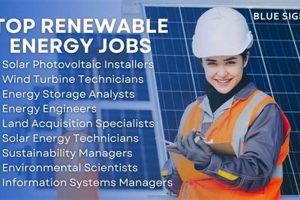
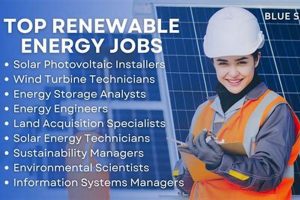
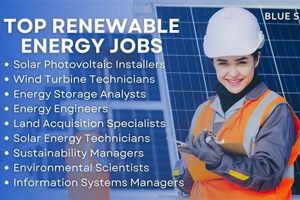
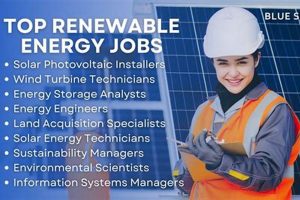
Positions within the energy sector focused on sustainable power sources like solar, wind, hydro, geothermal, and biomass represent a growing segment of the employment market. These roles encompass a wide range of specializations, from research and development to installation and maintenance, and span various levels of experience, from entry-level technicians to senior management.
Career opportunities in this field contribute to a global shift towards cleaner energy production, reducing reliance on fossil fuels and mitigating environmental impact. The sector’s expansion offers economic benefits through job creation and investment in innovative technologies. This growth reflects increasing public awareness of environmental issues and supportive government policies aimed at fostering sustainable practices.
This article will delve further into specific career paths, required skills, educational backgrounds, and industry trends shaping the future of sustainable energy employment.
Tips for Pursuing Sustainable Energy Careers
Navigating the dynamic landscape of sustainable energy employment requires a strategic approach. The following tips provide guidance for individuals seeking opportunities in this burgeoning field.
Tip 1: Specialize in a High-Growth Area: Focusing on areas with significant demand, such as solar photovoltaic installation or wind turbine maintenance, can increase career prospects. Researching industry trends and emerging technologies can help identify these areas.
Tip 2: Develop Relevant Skills: Employers seek candidates with technical expertise in areas like electrical engineering, data analysis, or project management. Acquiring relevant certifications and practical experience through internships or apprenticeships can be invaluable.
Tip 3: Network Strategically: Attending industry conferences, joining professional organizations, and connecting with individuals working in sustainable energy can provide valuable insights and potential job leads.
Tip 4: Tailor Applications: Carefully review job descriptions and highlight relevant skills and experience in resumes and cover letters. Demonstrating a genuine interest in the specific company and its mission can make an application stand out.
Tip 5: Research Employers: Understanding a company’s values, projects, and culture can help determine whether it aligns with individual career goals. Researching potential employers also allows candidates to prepare informed questions for interviews.
Tip 6: Stay Updated on Industry Trends: The sustainable energy sector is constantly evolving. Staying informed about new technologies, policy changes, and market trends can give candidates a competitive edge.
Tip 7: Consider Further Education: Pursuing advanced degrees or specialized certifications can demonstrate commitment to the field and open doors to more advanced roles.
By following these strategies, individuals can position themselves for success in the competitive yet rewarding field of sustainable energy.
These actionable steps provide a foundation for a successful job search within the sustainable energy sector. The following section concludes this exploration of career opportunities in clean energy.
1. Growing Demand

The increasing global demand for renewable energy sources directly fuels the expansion of job opportunities within the sector. This demand stems from several factors, including growing concerns about climate change, governmental policies promoting sustainable energy adoption, and decreasing costs associated with renewable energy technologies. As nations and corporations commit to reducing carbon emissions and transitioning towards cleaner energy sources, the need for skilled professionals to design, install, maintain, and manage these systems intensifies. This causal relationship between demand and job growth is a fundamental driver of the expanding renewable energy employment market. For example, the increasing popularity of electric vehicles necessitates greater investment in charging infrastructure, creating jobs for electrical engineers and technicians.
This growing demand translates into a diverse range of career opportunities across the renewable energy spectrum. Positions emerge not only in established areas like solar and wind power but also in developing fields such as geothermal energy, energy storage, and smart grid technologies. The demand further extends beyond technical roles to encompass areas like finance, project management, policy analysis, and sales, creating a multifaceted employment landscape. The practical significance of this demand lies in its potential to drive economic growth, stimulate innovation, and contribute to a more sustainable future. For instance, as offshore wind farms become more prevalent, specialized roles in marine engineering and logistics become increasingly critical.
Understanding the direct link between growing demand and the expansion of renewable energy jobs is crucial for individuals, businesses, and policymakers alike. Individuals can leverage this knowledge to make informed career decisions and acquire relevant skills. Businesses can capitalize on the growing market by investing in training and development programs to meet workforce needs. Policymakers can further support this growth by implementing policies that incentivize renewable energy development and create a supportive regulatory environment. Addressing the challenges associated with workforce development and ensuring equitable access to these emerging opportunities is essential for realizing the full potential of the renewable energy sector.
2. Diverse Skill Sets

The renewable energy sector’s expansion demands a diverse range of skills, extending beyond traditional engineering and technical expertise. This multifaceted requirement stems from the complexity of renewable energy projects, encompassing research and development, design and installation, financing and investment, policy and regulation, and public outreach. Understanding the breadth of skills required is crucial for individuals seeking career opportunities and for organizations aiming to build effective teams.
- Technical Expertise:
Engineers specializing in various disciplines, including electrical, mechanical, and chemical engineering, play critical roles in designing, building, and maintaining renewable energy systems. For example, electrical engineers design and optimize the performance of solar photovoltaic systems, while mechanical engineers focus on the structural integrity and efficiency of wind turbines. These specialized technical skills form the foundation of the renewable energy workforce.
- Project Management & Finance:
Effective project management and financial expertise are essential for planning, budgeting, and executing complex renewable energy projects. Project managers oversee timelines, budgets, and resource allocation, ensuring projects stay on track. Financial analysts assess the economic viability of projects, secure funding, and manage investment risks. These skills are crucial for translating technological advancements into commercially viable and sustainable ventures. For example, expertise in financial modeling is necessary for evaluating the return on investment for a large-scale solar farm.
- Policy & Regulatory Knowledge:
Professionals with a deep understanding of energy policy and regulations navigate the complex legal and regulatory frameworks governing renewable energy development. They ensure compliance with environmental permits, negotiate power purchase agreements, and advocate for policies that support sustainable energy growth. This expertise is critical for creating a favorable regulatory environment for renewable energy projects. For example, policy analysts may work with government agencies to develop incentives for rooftop solar installations.
- Sales & Marketing:
Sales and marketing professionals play a vital role in promoting renewable energy technologies and services to businesses and consumers. They communicate the benefits of sustainable energy solutions, develop marketing strategies, and build relationships with key stakeholders. These skills are essential for driving market adoption and expanding the reach of renewable energy technologies. For instance, a marketing specialist might develop campaigns to raise public awareness about the advantages of community solar projects.
The diverse skill sets required by the renewable energy sector highlight the interdisciplinary nature of this field. This diversity creates a dynamic and evolving employment landscape, offering opportunities for individuals with a wide range of backgrounds and expertise. The continued growth of the sector will further diversify the demand for skills, emphasizing the importance of continuous learning and adaptation for professionals seeking to thrive in this dynamic field.
3. Geographic Variations

The distribution of renewable energy job openings exhibits significant geographic variations, influenced by factors such as resource availability, policy landscapes, and regional economic development strategies. Understanding these geographic nuances is crucial for job seekers targeting specific areas of expertise and for policymakers seeking to optimize regional economic development initiatives related to the renewable energy sector.
- Resource Availability:
Regions with abundant renewable resources, such as solar radiation in the southwestern United States or wind potential in the Great Plains, tend to attract greater investment in corresponding renewable energy technologies. This, in turn, leads to higher concentrations of job openings in those areas. For example, states like California and Texas, with substantial solar and wind resources respectively, see significant job growth in solar panel installation, wind turbine maintenance, and related fields. Conversely, regions with limited specific resources may experience less pronounced job growth in those particular segments.
- Policy Incentives:
Government policies, including tax incentives, subsidies, and renewable portfolio standards, play a significant role in shaping the geographic distribution of renewable energy jobs. States and countries with supportive policy environments often attract greater investment and experience more rapid job growth. For instance, states with generous tax credits for solar installations often see a surge in demand for solar panel installers and related professionals. Conversely, regions with less supportive policies may see slower growth in renewable energy employment.
- Economic Development Strategies:
Regional economic development strategies that prioritize renewable energy can create clusters of job opportunities. Targeted investments in research and development, workforce training, and infrastructure development can attract businesses and stimulate job growth in specific locations. For example, a region investing heavily in battery technology research may see a surge in jobs related to battery manufacturing and energy storage. These strategic initiatives can significantly influence the geographic distribution of renewable energy job openings.
- Transmission Infrastructure:
The availability of robust transmission infrastructure plays a critical role in connecting renewable energy generation sources to population centers. Regions with well-developed transmission networks are better positioned to support large-scale renewable energy projects and consequently attract related job opportunities. Areas with limited transmission capacity may face challenges in integrating renewable energy resources, potentially hindering job growth. For example, upgrading transmission lines to accommodate wind farms in remote areas can create jobs in construction and grid management.
These geographic variations underscore the complex interplay of factors influencing renewable energy job creation. Recognizing these regional dynamics provides valuable insights for job seekers, investors, and policymakers alike. By understanding these trends, individuals can make informed career decisions, businesses can target investments strategically, and policymakers can design effective strategies to promote sustainable economic development within their respective regions.
4. Competitive Salaries

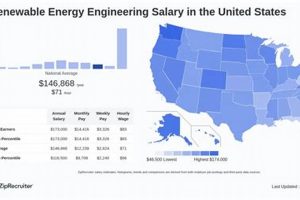
Competitive salaries within the renewable energy sector play a crucial role in attracting and retaining skilled professionals, driving innovation, and supporting the continued growth of the industry. The increasing demand for expertise in areas like solar and wind energy, coupled with the specialized knowledge and skills required, has contributed to a competitive salary landscape. This financial incentive is a key factor influencing career choices and contributing to the overall dynamism of the renewable energy workforce. For example, experienced wind turbine technicians often command salaries comparable to or exceeding those in traditional fossil fuel-based energy industries. The ability to offer competitive compensation packages enables companies to attract top talent, fostering a highly skilled workforce and driving technological advancements.
Furthermore, competitive salaries contribute to the long-term sustainability of the renewable energy sector. By attracting and retaining qualified professionals, the industry can ensure a pipeline of skilled workers to support ongoing projects and future expansion. Attractive compensation also incentivizes individuals to pursue specialized training and education in renewable energy fields, further strengthening the workforce and contributing to innovation. For instance, the availability of competitive salaries for solar energy engineers encourages more individuals to specialize in this field, leading to a larger pool of qualified candidates for research, development, and implementation roles. This, in turn, accelerates the development and deployment of new solar technologies.
The connection between competitive salaries and the growth of the renewable energy sector is a significant factor in the global transition to sustainable energy. Attractive compensation packages not only benefit individual professionals but also contribute to the overall health and vitality of the industry. By attracting and retaining talent, fostering innovation, and ensuring a skilled workforce, competitive salaries play a crucial role in driving the continued expansion and success of the renewable energy sector. Addressing salary competitiveness is essential for maintaining a robust and dynamic workforce capable of meeting the growing global demand for clean energy solutions.
5. Positive Impact
A significant motivating factor for individuals pursuing renewable energy careers is the opportunity to contribute to a positive environmental impact. These positions offer more than just financial stability; they provide a sense of purpose and the chance to actively participate in mitigating climate change and promoting environmental sustainability. This intrinsic motivation plays a crucial role in attracting and retaining talent within the sector. For example, an individual working in wind farm development might find fulfillment in contributing to a project that reduces reliance on fossil fuels and lowers greenhouse gas emissions. This direct link between career and positive environmental outcomes differentiates renewable energy jobs from many other career paths.
The positive impact of renewable energy jobs extends beyond individual fulfillment. The expansion of the renewable energy sector creates tangible environmental benefits, such as reduced air and water pollution, conservation of natural resources, and mitigation of climate change impacts. These benefits contribute to improved public health, enhanced ecosystem resilience, and a more sustainable future for generations to come. For instance, the growth of the solar industry reduces dependence on coal-fired power plants, leading to improved air quality and decreased respiratory illnesses in surrounding communities. These tangible positive impacts underscore the societal benefits of a transition to a renewable energy-based economy.
The understanding that renewable energy jobs offer both individual and societal benefits is crucial for fostering continued growth within the sector. Highlighting these positive impacts can attract a broader pool of talent, encourage investment, and strengthen public support for renewable energy initiatives. Addressing the challenges of transitioning to a sustainable energy future requires a dedicated and motivated workforce driven by a sense of purpose. The inherent positive impact of renewable energy jobs serves as a powerful motivator and a key driver of the sector’s continued expansion and success. This connection between individual career choices and global environmental benefits positions the renewable energy sector as a vital component of a sustainable and equitable future.
Frequently Asked Questions
This section addresses common inquiries regarding career opportunities within the renewable energy sector. The information provided aims to offer clarity and dispel misconceptions surrounding this dynamic field.
Question 1: What educational background is typically required for renewable energy jobs?
Educational requirements vary depending on the specific role. Many positions require at least a bachelor’s degree in engineering, environmental science, or a related field. Advanced degrees or specialized certifications can be advantageous for certain roles, such as research and development or high-level management positions. Technical roles, such as solar panel installation, may require vocational training or apprenticeships.
Question 2: Are renewable energy jobs geographically limited?
While resource availability influences the concentration of certain renewable energy jobs, career opportunities exist across diverse geographic locations. Roles in policy, finance, research, and development are often less geographically constrained than those directly tied to resource-specific projects, such as wind farm construction in areas with high wind potential.
Question 3: How stable is employment within the renewable energy sector?
The renewable energy sector is experiencing significant growth globally, driven by increasing demand for clean energy solutions and supportive government policies. This growth translates into a relatively stable and expanding job market, although specific areas within the sector may experience fluctuations based on technological advancements and market trends.
Question 4: What are the typical salary expectations for renewable energy jobs?
Salaries in the renewable energy sector are competitive and vary depending on factors such as experience, education, job location, and specific role. Engineering and specialized technical roles generally command higher salaries, while entry-level positions may offer lower starting salaries with opportunities for growth and advancement.
Question 5: How can one gain experience in the renewable energy field prior to securing a full-time position?
Gaining practical experience is highly valuable. Internships, volunteer work with environmental organizations, and research projects related to renewable energy can provide relevant experience and demonstrate commitment to the field. Participating in workshops and online courses can also supplement educational backgrounds and demonstrate initiative.
Question 6: What are the long-term career prospects in renewable energy?
The long-term career prospects in the renewable energy sector are generally considered positive. The continued global transition towards sustainable energy sources suggests sustained demand for skilled professionals across various areas within the field. Continuous learning and adaptation to evolving technologies are essential for maximizing long-term career success in this dynamic industry.
Understanding the dynamics of this evolving field is crucial for successfully navigating the job market. Researching specific areas of interest, acquiring relevant skills, and networking with professionals in the field are essential steps for individuals seeking fulfilling and impactful careers in renewable energy.
The subsequent sections of this article will delve into specific career paths and resources available for those seeking employment within this dynamic sector.
Conclusion
Exploration of career opportunities within the renewable energy sector reveals a dynamic and evolving landscape. The increasing global demand for sustainable energy solutions translates into a growing need for skilled professionals across diverse disciplines, from engineering and technical roles to finance, policy, and marketing. Competitive salaries, coupled with the potential for positive environmental impact, contribute to the attractiveness of these careers. Geographic variations, influenced by resource availability and policy incentives, shape the distribution of job openings, requiring strategic consideration from job seekers. Acquiring relevant skills and experience through education, training, and internships enhances competitiveness within this expanding job market.
The transition to a sustainable energy future presents significant opportunities for professional growth and societal benefit. Strategic investments in education, workforce development, and supportive policy frameworks are essential for maximizing the potential of this vital sector. The continued expansion of renewable energy promises not only a cleaner environment but also a robust and evolving job market for those seeking to contribute to a more sustainable world.