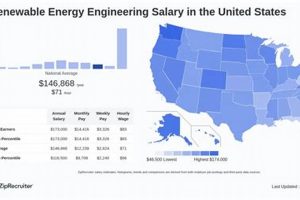
Positions within this field involve applying data analysis, machine learning, and statistical modeling techniques to optimize the generation, distribution, and consumption of energy derived from sustainable sources such as solar, wind, hydro, and geothermal power. For example, a specialist might develop algorithms to predict solar panel output based on weather patterns or optimize the scheduling of wind turbine maintenance.
The increasing global demand for clean energy solutions has elevated the significance of these roles. Optimizing renewable energy systems through data-driven insights improves efficiency, reduces costs, and facilitates the integration of these resources into existing power grids. This sector’s growth is directly tied to the global shift towards sustainable practices and the need for innovative solutions to combat climate change. Historically, energy management relied heavily on traditional engineering approaches. However, the complex and fluctuating nature of renewable sources requires advanced analytical techniques, driving the demand for professionals with expertise in data science.
Further exploration will delve into specific skill sets required for these roles, prominent industry players, current market trends, and potential career paths within this rapidly evolving field.
Tips for Pursuing a Career in Renewable Energy Data Science
The following tips provide guidance for individuals interested in pursuing careers within this dynamic and impactful field.
Tip 1: Develop a Strong Foundation in Data Science: Proficiency in programming languages like Python or R, statistical modeling, machine learning algorithms, and data visualization techniques is crucial. Practical experience through personal projects or internships can significantly enhance one’s skillset.
Tip 2: Acquire Domain-Specific Knowledge: Understanding the fundamentals of renewable energy technologies, energy markets, and grid operations is essential. Courses or certifications in renewable energy systems can bridge the knowledge gap.
Tip 3: Build a Professional Network: Attending industry conferences, joining relevant professional organizations, and connecting with experts on platforms like LinkedIn can provide valuable networking opportunities and insights into the field.
Tip 4: Tailor Your Resume and Portfolio: Highlight relevant skills and projects that demonstrate expertise in both data science and renewable energy. Quantifiable achievements and contributions are particularly impactful.
Tip 5: Stay Updated with Industry Trends: The renewable energy sector is constantly evolving. Following industry publications, research journals, and thought leaders is crucial for staying abreast of the latest advancements and market demands.
Tip 6: Consider Advanced Education: A master’s or doctoral degree in data science, renewable energy engineering, or a related field can provide a competitive edge and access to specialized research opportunities.
Tip 7: Develop Strong Communication Skills: Effectively communicating complex technical information to both technical and non-technical audiences is vital for success in collaborative work environments.
By focusing on these key areas, aspiring professionals can position themselves for a rewarding career contributing to a sustainable future.
These insights offer a pathway towards a fulfilling and impactful career, aligning personal goals with global sustainability efforts.
1. Data Analysis

Data analysis forms a cornerstone of renewable energy data science roles. The ability to extract meaningful insights from large datasets generated by renewable energy systems is crucial for optimizing performance, predicting output, and informing strategic decisions. This process involves cleaning and preparing data, applying statistical methods, visualizing trends, and interpreting results to address specific challenges within the renewable energy sector. For example, analyzing historical weather data alongside solar panel output can reveal patterns that inform predictive models for energy generation, enabling more effective grid integration. Similarly, analyzing sensor data from wind turbines can identify potential maintenance needs, minimizing downtime and maximizing energy production.
The practical significance of data analysis within this field is substantial. Accurate forecasting of renewable energy generation enables grid operators to balance supply and demand more effectively, reducing reliance on fossil fuel-based power plants. Predictive maintenance models minimize operational costs and maximize the lifespan of renewable energy assets. Furthermore, data-driven insights can inform policy decisions, investment strategies, and the development of new technologies within the renewable energy sector. Analyzing energy consumption patterns can also lead to the development of smarter energy management systems, promoting energy efficiency and reducing overall consumption.
In summary, data analysis is not merely a component of renewable energy data science; it is the foundation upon which effective decision-making and innovation are built. The ability to extract actionable insights from complex datasets is essential for driving the transition towards a more sustainable energy future. While challenges remain in terms of data availability, standardization, and interpretation, the ongoing development of advanced analytical techniques promises to further enhance the impact of data analysis within the renewable energy sector. This directly contributes to optimizing energy generation, distribution, and consumption, ultimately driving the global transition towards sustainable energy practices.
2. Modeling & Prediction

Modeling and prediction are integral to renewable energy data science, providing critical insights for optimizing energy generation, grid integration, and resource management. These techniques leverage statistical methods, machine learning algorithms, and historical data to forecast future energy output, anticipate demand fluctuations, and inform operational decisions. For example, predictive models can estimate solar panel output based on weather patterns, enabling grid operators to anticipate and balance energy supply effectively. Similarly, models can predict wind turbine power generation based on wind speed and direction, optimizing energy storage and distribution strategies. The accuracy of these models directly impacts the efficiency and reliability of renewable energy systems.
Developing accurate predictive models requires a deep understanding of both data science techniques and the specific characteristics of renewable energy sources. Factors such as weather variability, geographic location, and equipment performance must be considered to ensure model reliability. Advanced machine learning algorithms, such as time series analysis and neural networks, are often employed to capture the complex relationships between these variables and energy output. The practical applications extend to optimizing maintenance schedules, predicting equipment failures, and assessing the long-term viability of renewable energy projects. Predictive modeling also plays a crucial role in integrating renewable energy sources into existing power grids, enabling grid operators to manage the intermittent nature of solar and wind power effectively.
In summary, modeling and prediction are not merely analytical tools but rather essential components of renewable energy data science. Accurate forecasts empower informed decision-making across the entire renewable energy lifecycle, from project planning and development to operational management and grid integration. The ongoing advancement of modeling techniques and the increasing availability of high-quality data promise to further enhance the accuracy and impact of these predictions, driving greater efficiency and reliability within the renewable energy sector. Addressing the challenges associated with data variability and model complexity remains crucial for realizing the full potential of modeling and prediction in achieving a sustainable energy future.
3. Optimization Techniques

Optimization techniques are fundamental to renewable energy data science, enabling professionals to maximize the efficiency and cost-effectiveness of renewable energy systems. These techniques leverage mathematical algorithms and computational tools to identify the best possible solutions within given constraints. A key application lies in optimizing energy generation, where algorithms can adjust the operational parameters of wind turbines or solar panels in real-time to maximize output based on prevailing weather conditions. Similarly, optimization techniques can enhance energy storage strategies, determining the optimal charging and discharging cycles of batteries to minimize energy loss and ensure grid stability. In grid integration, these techniques can optimize power flow, minimizing transmission losses and facilitating the seamless integration of renewable energy sources into existing infrastructure. For example, optimizing the placement and configuration of solar panels within a solar farm can significantly impact overall energy yield. Likewise, optimizing the control systems of a wind turbine can maximize energy capture while minimizing wear and tear on the equipment.
The practical significance of optimization techniques extends beyond maximizing energy output. These methods can also minimize operational costs, reduce environmental impact, and enhance the reliability of renewable energy systems. By optimizing maintenance schedules, predicting equipment failures, and improving resource allocation, these techniques contribute to the long-term sustainability of renewable energy projects. Furthermore, optimization plays a critical role in designing and operating smart grids, enabling dynamic energy management and facilitating the integration of distributed renewable energy resources. For instance, optimizing the routing of electricity within a smart grid can minimize transmission losses and improve grid resilience in the face of fluctuating renewable energy generation. Optimizing energy storage capacity and deployment can further enhance grid stability and reduce reliance on conventional power sources.
In conclusion, optimization techniques are essential tools for maximizing the potential of renewable energy resources. These methods enable data scientists to address complex challenges related to energy generation, storage, distribution, and grid integration. The ongoing development of sophisticated optimization algorithms and the increasing availability of real-time data promise to further enhance the efficiency and effectiveness of these techniques. By leveraging the power of optimization, the renewable energy sector can continue to advance towards a more sustainable and reliable energy future. Addressing the complexities associated with integrating these techniques into existing systems and ensuring their scalability remains a key challenge for continued progress.
4. Programming Skills

Proficiency in programming languages is essential for professionals in renewable energy data science. These skills enable the development and implementation of algorithms for data analysis, modeling, prediction, and optimization. Python, with its extensive libraries for data manipulation, statistical analysis, and machine learning, is widely used in the field. R, known for its statistical computing capabilities, also plays a significant role. Programming skills empower professionals to process and analyze large datasets from various sources, including weather sensors, smart meters, and energy generation equipment. For instance, a data scientist might use Python to develop a machine learning model that predicts solar panel output based on historical weather data and real-time sensor readings. This predictive capability enables more efficient energy management and grid integration.
The practical significance of programming skills extends beyond data analysis. Professionals use programming languages to build simulations of renewable energy systems, optimize energy storage strategies, and develop control algorithms for smart grids. For example, a programmer might develop a simulation model of a wind farm to evaluate the impact of different turbine configurations on energy output. This type of analysis can inform design decisions and optimize the performance of renewable energy projects. Moreover, programming skills enable the automation of data collection, processing, and reporting tasks, increasing efficiency and reducing the potential for human error. Automated data pipelines can collect data from multiple sources, process it in real-time, and generate reports that provide insights into system performance and identify potential issues.
In conclusion, programming skills are not merely desirable but rather indispensable for success in renewable energy data science. These skills provide the foundation for developing and implementing data-driven solutions that optimize the performance, reliability, and cost-effectiveness of renewable energy systems. The increasing complexity of these systems and the growing volume of data generated necessitate strong programming capabilities. Furthermore, the ongoing development of new programming tools and techniques within the data science community reinforces the importance of continuous learning and skill development in this rapidly evolving field. Addressing the challenge of integrating diverse data sources and maintaining data integrity requires ongoing attention and expertise in programming best practices.
5. Domain Expertise

Domain expertise in renewable energy is crucial for effectively applying data science techniques within this sector. A deep understanding of renewable energy technologies, energy markets, and grid operations provides context and relevance to data analysis, modeling, and optimization efforts. This expertise enables data scientists to identify relevant data sources, formulate meaningful research questions, and interpret results within the specific context of renewable energy challenges. For example, understanding the operational characteristics of wind turbines, such as their power curves and maintenance requirements, is essential for developing accurate predictive models for energy generation and optimizing maintenance schedules. Similarly, knowledge of energy market dynamics, including pricing mechanisms and regulatory frameworks, is crucial for developing data-driven strategies for maximizing revenue generation from renewable energy projects.
Practical applications of domain expertise are evident throughout the renewable energy data science lifecycle. During data analysis, domain knowledge helps identify and address data quality issues, ensuring the reliability of subsequent analyses. In modeling and prediction, domain expertise guides the selection of appropriate algorithms and variables, leading to more accurate and meaningful forecasts. For instance, understanding the impact of weather patterns on solar panel output is essential for developing accurate predictive models for solar energy generation. In optimization, domain expertise informs the definition of objective functions and constraints, ensuring that optimization efforts align with real-world operational requirements. For example, optimizing the energy storage capacity of a solar farm requires a deep understanding of both the technical limitations of battery storage systems and the economic constraints of the project.
In summary, domain expertise is not merely a supplementary skill but rather a fundamental requirement for effective renewable energy data science. This expertise bridges the gap between theoretical data science techniques and practical applications within the renewable energy sector. The increasing complexity of renewable energy systems and the growing demand for data-driven solutions necessitate a strong foundation in domain knowledge. Addressing the challenge of integrating diverse data sources, interpreting complex system interactions, and translating data-driven insights into actionable recommendations requires a deep understanding of the underlying renewable energy domain. This specialized knowledge ensures that data science efforts directly contribute to the advancement of sustainable energy solutions.
6. Communication & Collaboration

Effective communication and collaboration are essential for success in renewable energy data science. These skills facilitate knowledge sharing, interdisciplinary teamwork, and the translation of complex technical insights into actionable strategies. Given the multifaceted nature of renewable energy projects, involving engineers, scientists, business analysts, and policymakers, clear and concise communication is crucial for aligning objectives, coordinating efforts, and ensuring project success. Collaboration fosters innovation, enabling professionals to leverage diverse perspectives and expertise to develop comprehensive and impactful solutions.
- Presenting Technical Information Clearly
Data scientists must effectively communicate complex technical information to both technical and non-technical audiences. This includes presenting data analysis results, explaining modeling methodologies, and justifying optimization strategies. Visualizations, clear narratives, and accessible language are essential for ensuring that stakeholders understand the implications of data-driven insights. For instance, a data scientist might present the findings of a wind farm performance analysis to project managers, highlighting key performance indicators and recommending optimization strategies. The ability to articulate technical findings in a clear and concise manner directly impacts decision-making and project outcomes.
- Interdisciplinary Teamwork
Renewable energy projects often involve diverse teams with expertise in engineering, environmental science, finance, and policy. Effective collaboration is crucial for integrating diverse perspectives and ensuring that data science efforts align with broader project goals. Data scientists must actively engage with team members, share insights, and contribute to collaborative problem-solving. For example, a data scientist might collaborate with engineers to optimize the control systems of a solar power plant, integrating data-driven insights with engineering principles to maximize energy generation. Successful collaboration fosters innovation and ensures that data science efforts contribute to holistic project success.
- Stakeholder Engagement
Engaging with stakeholders, including investors, policymakers, and community members, is crucial for building consensus and securing support for renewable energy projects. Data scientists play a vital role in communicating project benefits, addressing concerns, and demonstrating the value of data-driven approaches. Transparent communication and effective stakeholder engagement are essential for building trust and fostering public acceptance of renewable energy initiatives. For instance, a data scientist might present the environmental and economic benefits of a proposed wind farm project to local community members, addressing concerns about noise pollution and visual impact. Effective stakeholder engagement fosters transparency and builds public support for renewable energy development.
- Knowledge Sharing and Documentation
Clear and comprehensive documentation of data analysis methods, modeling techniques, and optimization strategies is crucial for ensuring project continuity and facilitating knowledge transfer within organizations. Data scientists must maintain well-documented code, create detailed reports, and share best practices with colleagues. This fosters a culture of learning and enables organizations to leverage data-driven insights effectively. For example, a data scientist might develop a comprehensive guide to data analysis procedures for a specific type of renewable energy project, enabling other team members to replicate and extend the analysis in future projects. Knowledge sharing ensures the long-term value of data science efforts and contributes to organizational learning.
In the context of renewable energy data science jobs, strong communication and collaboration skills are not simply supplementary; they are fundamental to effectively translating data-driven insights into actionable strategies that drive the transition toward a sustainable energy future. The complex and multifaceted nature of these projects necessitates clear and transparent communication to ensure project success and maximize the positive impact of renewable energy initiatives.
Frequently Asked Questions
The following addresses common inquiries regarding careers in renewable energy data science.
Question 1: What educational background is typically required for these roles?
A strong foundation in data science, typically evidenced by a bachelor’s or master’s degree in a related field such as computer science, statistics, or engineering, is often required. Specialized knowledge in renewable energy systems can be advantageous.
Question 2: What are the typical entry-level positions in this field?
Entry-level roles often include data analyst, junior data scientist, or research assistant positions within renewable energy companies, research institutions, or government agencies.
Question 3: What key skills are employers seeking in candidates?
Proficiency in programming languages like Python or R, experience with machine learning algorithms, data visualization skills, and domain knowledge in renewable energy are highly sought after.
Question 4: What is the career progression potential within this field?
Career paths can progress from entry-level data analyst roles to senior data scientist, lead modeler, project manager, or even director of data science within renewable energy organizations.
Question 5: What is the current job market outlook for this sector?
The job market is experiencing significant growth due to increasing global investment in renewable energy and the growing need for data-driven optimization of these systems. This trend is expected to continue in the coming years.
Question 6: What resources are available for individuals interested in pursuing this career path?
Online courses, professional certifications, industry conferences, and networking events offer valuable resources for skill development and career exploration within this field. Professional organizations and online communities also provide valuable networking opportunities.
These responses offer a preliminary understanding of careers in renewable energy data science. Further research and exploration are encouraged for a comprehensive understanding of this dynamic and evolving field.
For those seeking further insights, detailed career guides, industry reports, and job boards specializing in renewable energy and data science provide valuable resources.
Conclusion
Renewable energy data science jobs represent a critical component in the global transition to sustainable energy systems. This exploration has highlighted the multifaceted nature of these roles, encompassing data analysis, modeling and prediction, optimization techniques, programming skills, domain expertise, and effective communication. The increasing demand for professionals capable of leveraging data-driven insights to optimize renewable energy generation, grid integration, and resource management underscores the significance of this field. Developing these specialized skills empowers individuals to contribute directly to a more sustainable energy future.
The evolving landscape of renewable energy technologies presents continuous opportunities for innovation and growth within this field. As the world strives towards greater energy independence and environmental sustainability, the demand for skilled data scientists within the renewable energy sector is expected to remain strong. Continued investment in education, training, and research will be crucial for developing the workforce necessary to meet the challenges and opportunities of a future powered by renewable energy.