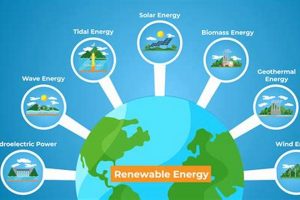
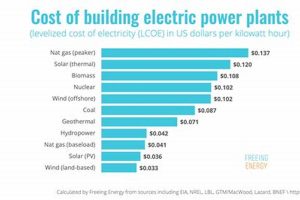
Several types of power plants harness renewable resources. Solar power plants utilize photovoltaic cells or concentrated solar power to convert sunlight into electricity. Wind farms employ turbines to capture kinetic energy from wind. Hydroelectric plants generate power from the flow of water, often relying on dams. Geothermal plants tap into heat from the Earth’s interior. Biomass facilities burn organic matter, such as wood or agricultural residues, for energy production. Ocean thermal energy conversion and wave power are also emerging technologies.
Harnessing energy from these sources offers significant advantages, including reduced reliance on finite fossil fuels and decreased greenhouse gas emissions, mitigating climate change. These technologies also contribute to energy independence and diversification, bolstering energy security. Historically, reliance on renewable sources like water and wind predates the widespread use of fossil fuels. The modern emphasis on renewables reflects a return to these sustainable practices coupled with technological advancements that enhance their efficiency and scalability.
The following sections will delve deeper into the specifics of each renewable energy power plant type, examining their operational principles, environmental impact, economic considerations, and future potential.
Tips for Choosing Renewable Energy Power Plants
Selecting appropriate renewable energy technologies requires careful consideration of various factors, including geographic location, resource availability, environmental impact, and economic feasibility. The following tips offer guidance for informed decision-making:
Tip 1: Assess Resource Availability: Evaluate the local potential for specific renewable resources. Solar power requires ample sunlight, wind power needs consistent wind speeds, and hydroelectric power depends on suitable water resources.
Tip 2: Consider Geographic Suitability: Certain technologies are better suited to specific locations. Coastal regions might favor offshore wind or wave power, while mountainous areas could benefit from pumped hydro storage.
Tip 3: Analyze Environmental Impact: While generally considered environmentally friendly, renewable energy projects can still have localized impacts. Careful site selection and environmental assessments are crucial.
Tip 4: Evaluate Economic Viability: Analyze the upfront costs, operating expenses, and potential revenue streams for each technology. Consider government incentives and long-term energy price projections.
Tip 5: Prioritize Grid Integration: Ensure seamless integration with the existing electricity grid. This may require investments in transmission infrastructure or energy storage solutions.
Tip 6: Explore Hybrid Systems: Combining different renewable technologies can enhance reliability and resilience. For instance, pairing solar power with wind power can offset intermittency issues.
Tip 7: Engage with Stakeholders: Involve local communities, government agencies, and other stakeholders in the planning and development process to address potential concerns and ensure project acceptance.
By considering these factors, stakeholders can make informed decisions about deploying renewable energy power plants, maximizing their environmental and economic benefits.
In conclusion, transitioning to renewable energy sources is essential for a sustainable future. Careful planning and technology selection are crucial for successful implementation.
1. Solar

Solar power plants stand as a prominent answer to the question of which power plants utilize renewable energy. They represent a key technology in the global shift towards sustainable electricity generation, offering a clean and abundant energy source.
- Photovoltaic (PV) Systems
PV systems are the most common type of solar power plant. They utilize semiconductor materials to directly convert sunlight into electricity. Residential rooftop solar panels are a familiar example of PV technology. Utility-scale solar farms, composed of vast arrays of PV modules, contribute significantly to renewable energy capacity. These systems exemplify the direct conversion of a renewable resource into usable power.
- Concentrated Solar Power (CSP)
CSP plants utilize mirrors to focus sunlight onto a receiver, generating intense heat used to produce steam. This steam then drives a turbine to generate electricity. CSP facilities often incorporate thermal storage, allowing for electricity generation even when sunlight is unavailable. This facet of solar technology demonstrates the versatility of solar energy conversion, enabling continuous power generation.
- Environmental Impact
Solar power plants offer substantial environmental benefits compared to conventional fossil fuel-based power generation. They produce no greenhouse gas emissions during operation, reducing air pollution and mitigating climate change. However, manufacturing solar panels requires energy and resources, and land use considerations are important for large-scale deployments. Understanding these trade-offs is crucial for sustainable solar energy implementation.
- Economic Considerations
The cost of solar power has decreased dramatically in recent years, making it increasingly competitive with traditional energy sources. Government incentives and policies further support solar energy development. Economic factors, including cost competitiveness and return on investment, play a crucial role in the widespread adoption of solar power plants. Declining costs are a driving factor in the expanding role of solar within the renewable energy landscape.
The diverse applications of solar energy, ranging from individual rooftops to vast solar farms, highlight its potential to address the growing demand for clean and sustainable electricity. As technology continues to advance and costs continue to decline, solar power is poised to play an increasingly vital role in the global energy transition. Its ability to directly address the need for renewable energy sources cements its position as a cornerstone of a sustainable energy future.
2. Wind

Wind energy represents a significant component within the realm of renewable energy power generation. Wind power plants, commonly known as wind farms, harness the kinetic energy of wind using turbines. These turbines convert the wind’s motion into rotational energy, which drives a generator to produce electricity. The fundamental principle lies in capturing a naturally replenishing resource and transforming it into a usable form of energy. This direct conversion underscores the role of wind power in addressing the increasing global demand for sustainable electricity.
The connection between wind and renewable energy power generation is exemplified by the growing number of onshore and offshore wind farms worldwide. Coastal regions and areas with consistently strong winds are particularly well-suited for wind energy development. For example, the Hornsea Project in the North Sea stands as the world’s largest offshore wind farm, showcasing the scalability and potential of wind power. Similarly, large-scale wind farms in regions like Texas demonstrate the significant contribution wind energy makes to national energy portfolios. These real-world applications underscore the practical significance of understanding the role of wind as a renewable energy source.
Harnessing wind energy offers several advantages, including reduced greenhouse gas emissions and decreased reliance on finite fossil fuels. However, challenges remain, such as the intermittent nature of wind, requiring energy storage solutions or grid management strategies to ensure a stable electricity supply. Additionally, visual and environmental impacts, including noise pollution and potential effects on wildlife, necessitate careful site selection and mitigation measures. Addressing these challenges is crucial for maximizing the benefits and minimizing the drawbacks of wind energy. Continued technological advancements and strategic integration within the broader energy landscape are essential for realizing the full potential of wind power as a key component of sustainable energy systems.
3. Hydroelectric
Hydroelectric power plants directly address the question of which power plants utilize renewable energy by harnessing the natural flow of water to generate electricity. The fundamental principle involves converting the potential energy of water stored at higher elevations into kinetic energy as it flows downstream. This kinetic energy drives turbines connected to generators, producing electricity. This process exemplifies the direct utilization of a renewable resource, showcasing the role of hydroelectric power in sustainable energy production. The connection between hydroelectric power and renewable energy is intrinsically linked to the water cycle, a continuous natural process driven by solar energy. This inherent renewability positions hydroelectric power as a cornerstone of sustainable energy systems.
The importance of hydroelectric power as a component of renewable energy generation is underscored by its established presence in the global energy mix. Large-scale hydroelectric dams, such as the Three Gorges Dam in China and the Itaipu Dam in Brazil and Paraguay, demonstrate the significant contribution hydroelectric power makes to national energy supplies. These projects illustrate the practical application of converting water’s potential energy into a usable form of electricity on a massive scale. Furthermore, smaller-scale hydroelectric projects, often referred to as “run-of-river” plants, minimize environmental impact while still providing valuable renewable energy to local communities. These diverse applications highlight the versatility and adaptability of hydroelectric power across various geographic and economic contexts.
Despite the significant benefits of hydroelectric power, including its reliability and high energy output, challenges remain. Dam construction can have substantial environmental and social consequences, such as habitat alteration, displacement of communities, and changes in river ecosystems. Furthermore, the availability of suitable locations for large-scale hydroelectric projects is limited. Addressing these challenges through careful planning, mitigation measures, and consideration of alternative approaches, like pumped hydro storage, is crucial for maximizing the positive impacts and minimizing the negative consequences of hydroelectric power development. The practical significance of understanding these complexities lies in the ability to make informed decisions about sustainable energy development, balancing the need for renewable energy with environmental and social considerations.
4. Geothermal

Geothermal energy directly answers the question of which power plants utilize renewable energy by harnessing the Earth’s internal heat. This heat, originating from the planet’s core, provides a consistent and reliable energy source accessible through various technologies. Geothermal power plants represent a sustainable alternative to fossil fuel-based electricity generation, contributing to a cleaner energy future. The Earth’s internal heat offers a continuous and naturally replenishing energy source, firmly placing geothermal within the category of renewable energy resources.
- Geothermal Power Plants
Geothermal power plants operate by extracting heat from underground reservoirs using wells. This heat can directly produce electricity by driving turbines connected to generators, or it can be used for direct heating applications in homes and industries. The Hellisheii Power Station in Iceland, one of the world’s largest geothermal plants, exemplifies the effective utilization of geothermal energy for large-scale electricity generation. Enhanced geothermal systems (EGS), a developing technology, expand the potential for geothermal energy by accessing heat in dry rock formations.
- Environmental Impact
Geothermal power plants offer environmental advantages over conventional power generation methods, emitting significantly fewer greenhouse gases. However, geothermal fluids can contain dissolved minerals and gases requiring careful management to minimize potential environmental impacts. The use of geothermal energy for direct heating applications further reduces reliance on fossil fuels for residential and commercial heating. Compared to other renewable sources like solar and wind, geothermal offers a consistent and reliable energy source, reducing intermittency challenges.
- Economic Considerations
Geothermal projects typically involve higher upfront investment costs compared to some other renewable energy technologies. However, operational costs are generally lower due to the continuous availability of the geothermal resource. Government incentives and policies can influence the economic viability of geothermal projects. The development of EGS technologies holds the potential to expand geothermal resource accessibility and further improve economic competitiveness.
- Geological Considerations
The availability of geothermal resources is geographically dependent, concentrated in areas with tectonic activity or high heat flow. Exploration and assessment of geothermal resources are crucial for successful project development. Geothermal resources offer distinct advantages in regions with limited access to other renewable energy options, particularly in areas with favorable geological conditions. The utilization of geothermal energy reduces dependence on energy imports, contributing to energy independence.
Geothermal energy’s consistent availability and minimal environmental impact position it as a valuable component in the pursuit of sustainable energy systems. Continued technological advancements, coupled with strategic resource management, are essential for maximizing the potential of geothermal energy to address the global demand for clean and reliable power. Its role as a direct answer to “which power plant uses renewable energy” is solidified by its inherent renewability, contributing significantly to the transition towards a more sustainable energy future.
5. Biomass

Biomass plays a complex and sometimes controversial role in the landscape of renewable energy power generation. While categorized as renewable due to the organic and theoretically replenishable nature of its fuel sources, the practical sustainability of biomass energy depends heavily on responsible resource management and efficient conversion technologies. Understanding this nuanced position is crucial when considering which power plants utilize renewable energy sources effectively and sustainably. Biomass power plants convert organic matter, such as wood, agricultural residues, and dedicated energy crops, into electricity through combustion or other conversion processes. The key question lies in whether these processes are truly sustainable and contribute positively to the overall goal of transitioning to a cleaner energy future.
- Sources of Biomass
Biomass feedstocks can originate from various sources, including forestry residues, agricultural byproducts, and dedicated energy crops. Sustainable forestry practices are essential to ensure responsible wood harvesting for biomass energy production. Utilizing agricultural residues can offer a valuable use for otherwise discarded materials. Dedicated energy crops, such as switchgrass and miscanthus, can provide a consistent biomass supply but require land and resources for cultivation. The source of biomass significantly impacts the overall sustainability of its use for energy generation.
- Conversion Technologies
Different technologies exist for converting biomass into usable energy. Direct combustion is the most common method, involving burning biomass to generate heat for steam turbines, similar to traditional fossil fuel power plants. Gasification and pyrolysis convert biomass into gaseous or liquid fuels, offering more versatile applications. Anaerobic digestion utilizes microorganisms to break down organic matter, producing biogas that can be used for electricity generation or heating. The choice of conversion technology impacts the efficiency and environmental performance of biomass power plants.
- Environmental Impact
The environmental impact of biomass energy is a subject of ongoing debate. While biomass is considered carbon-neutral in theory, as the carbon released during combustion is offset by carbon absorbed during plant growth, this balance relies on sustainable harvesting and replanting practices. Furthermore, biomass combustion can release air pollutants, raising concerns about local air quality. A comprehensive life-cycle assessment is crucial to accurately evaluate the environmental impact of biomass energy.
- Economic Considerations
The economic viability of biomass power plants depends on factors such as the availability and cost of biomass feedstocks, the efficiency of conversion technologies, and the prevailing market prices for electricity. Government policies and incentives can play a significant role in supporting biomass energy development. Competition with other land uses, such as food production, also influences the economic considerations of biomass cultivation for energy purposes.
The role of biomass in addressing “which power plant uses renewable energy” is complex. While offering a potentially renewable resource, its sustainable implementation requires careful consideration of resource management, conversion technologies, and environmental impacts. A balanced approach, integrating biomass strategically within a diversified renewable energy portfolio, can contribute to a more sustainable energy future. However, it is crucial to avoid overreliance on biomass and prioritize more inherently sustainable renewable energy sources like solar, wind, and geothermal whenever feasible.
Frequently Asked Questions about Renewable Energy Power Plants
This section addresses common inquiries regarding power plants utilizing renewable energy sources, offering concise and informative responses.
Question 1: What are the primary types of renewable energy power plants?
The main types include solar, wind, hydroelectric, geothermal, and biomass facilities. Each harnesses a different naturally replenishing resource, from sunlight and wind to water flow and Earth’s internal heat. Biomass utilizes organic matter, but its sustainability depends heavily on responsible sourcing and efficient conversion technologies.
Question 2: How do renewable energy power plants compare to conventional power plants in terms of environmental impact?
Renewable energy plants offer significant environmental advantages over conventional fossil fuel-based power generation. They produce little to no greenhouse gas emissions during operation, mitigating climate change and reducing air pollution. However, lifecycle impacts, such as manufacturing and land use, must be considered for a complete environmental assessment.
Question 3: Are renewable energy power plants reliable sources of electricity?
Reliability varies depending on the specific technology and resource availability. Solar and wind power are intermittent, requiring energy storage or grid management solutions to ensure consistent electricity supply. Hydroelectric, geothermal, and biomass offer greater reliability due to the continuous or controllable nature of their respective resources.
Question 4: What are the economic considerations associated with renewable energy power plants?
While upfront costs for renewable energy projects can be substantial, operational costs are typically lower due to the “free” fuel source. Long-term cost competitiveness is influenced by factors such as technological advancements, government incentives, financing mechanisms, and fluctuating fossil fuel prices.
Question 5: How do geographic factors influence the suitability of different renewable energy technologies?
Geographic location plays a crucial role in determining the optimal renewable energy technology. Solar power requires ample sunlight, wind power needs consistent wind speeds, hydroelectric power depends on suitable water resources, and geothermal power relies on access to subsurface heat. Resource assessments are essential for informed decision-making.
Question 6: What is the role of energy storage in maximizing the effectiveness of renewable energy power plants?
Energy storage technologies, such as batteries and pumped hydro storage, address the intermittency challenges associated with solar and wind power. Storing excess energy during periods of high generation allows for its utilization during periods of low generation or peak demand, enhancing grid stability and reliability.
Transitioning to renewable energy sources requires careful consideration of various factors, including resource availability, technological suitability, environmental impact, and economic viability. Understanding these aspects is essential for making informed decisions and maximizing the benefits of renewable energy power generation.
The next section delves deeper into specific case studies of successful renewable energy power plant implementations, highlighting best practices and lessons learned.
Which Power Plant Uses Renewable Energy
The exploration of which power plants utilize renewable energy sources has revealed a diverse range of technologies, each with its own strengths, limitations, and suitability for specific geographic and economic contexts. Solar, wind, hydroelectric, geothermal, and biomass power plants offer distinct approaches to harnessing naturally replenishing resources, reducing reliance on finite fossil fuels and mitigating the environmental impacts associated with conventional power generation. Careful consideration of resource availability, technological maturity, environmental impact, and economic viability is crucial for successful implementation and integration of these technologies.
The transition to a sustainable energy future necessitates a strategic and diversified approach to renewable energy deployment. Continued technological advancements, supportive policies, and informed decision-making are essential for maximizing the potential of renewable energy power plants to meet growing global energy demands while minimizing environmental impact. The future of energy lies in embracing these sustainable alternatives and fostering innovation to overcome remaining challenges and unlock the full potential of a clean energy future. The choice of which power plant utilizes renewable energy is not a singular answer but rather a strategic selection based on specific circumstances and the overarching goal of a sustainable energy landscape.