The fundamental origin of the power that drives nearly every process on Earth can be traced back to nuclear fusion reactions occurring within stars. These stellar furnaces convert hydrogen into helium, releasing vast amounts of electromagnetic radiation in the process. This radiation, encompassing the entire spectrum from radio waves to gamma rays, travels through space.
This radiation’s significance lies in its ability to fuel life and influence planetary systems. Photosynthesis, the process by which plants convert light energy into chemical energy, is a prime example. This stored chemical energy then supports food chains, driving biological activity across the planet. Furthermore, stellar radiation impacts climate patterns, driving weather systems and influencing global temperatures, shaping the conditions necessary for life to thrive.
The utilization of this primary power source, and its derived forms, underpins various aspects of technological development. The harnessing of solar power, wind power, and even fossil fuels, which are derived from ancient photosynthetic organisms, demonstrates the dependence on this primeval celestial output. Understanding the intricacies of energy transfer from this singular origin is vital for future energy solutions and a sustainable future.
Energy Source Optimization
Considering the fundamental energy origin, optimizing its usage and exploring alternative harnessing methods are critical for societal advancement and sustainability. The following tips offer considerations in this regard.
Tip 1: Prioritize Energy Efficiency: Reducing energy consumption across all sectors minimizes reliance on finite reserves and lessens environmental impact. Implementation of energy-efficient technologies in buildings, transportation, and industrial processes is crucial.
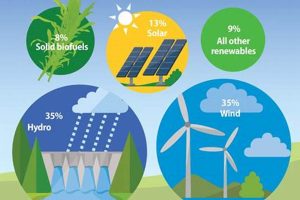
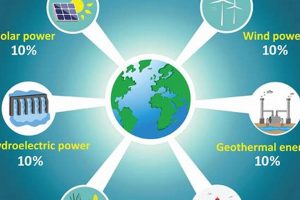
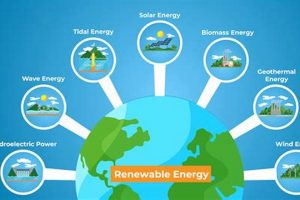
Tip 2: Invest in Renewable Energy Infrastructure: Solar, wind, and hydro resources, ultimately driven by solar radiation and gravitational forces, present sustainable alternatives. Strategic investments in infrastructure for these sources are essential for a diversified and resilient energy portfolio.
Tip 3: Develop Energy Storage Solutions: Intermittency is a challenge associated with renewable energy sources. Advancements in battery technology, pumped hydro storage, and other forms of energy storage are vital to ensure continuous power supply.
Tip 4: Promote Energy Conservation Awareness: Educating the public about energy conservation practices encourages responsible consumption habits. Government initiatives, educational programs, and public campaigns can effectively promote awareness.
Tip 5: Support Research and Development: Continuous research into novel energy technologies, such as nuclear fusion and enhanced geothermal systems, is critical for long-term energy security. Funding for basic and applied research is essential.
Tip 6: Implement Smart Grid Technologies: Smart grids enable efficient energy distribution, reduce transmission losses, and facilitate the integration of distributed energy resources. Investment in smart grid infrastructure is a key component of energy optimization.
Tip 7: Explore Carbon Capture and Storage: For energy sources that involve combustion, carbon capture and storage technologies can mitigate carbon dioxide emissions. Implementing these technologies is crucial for addressing climate change.
Adhering to these recommendations will allow for the sustainable use of existing resources, promote the incorporation of less harmful energy sources, and pave the path for future innovations in the area. A future reliant on sustainable energy is achievable with the correct planning, commitment, and comprehension of its basic roots.
These factors are important for achieving a sustainable future energy. The integration of these tips will contribute to a more energy-secure world.
1. Nuclear Fusion

Nuclear fusion serves as the primary engine behind the celestial power that sustains life on Earth. Within the cores of stars, immense gravitational forces and temperatures facilitate the fusion of hydrogen atoms into helium, releasing vast quantities of energy in the form of electromagnetic radiation. This radiated energy, traversing the cosmos, ultimately reaches Earth, becoming the foundational source of nearly all energy forms utilized on the planet. The cause-and-effect relationship is direct: nuclear fusion is the origin, and the resultant radiation is the effect, driving various terrestrial processes.
The importance of nuclear fusion cannot be overstated. Without it, Earth would be a cold, lifeless planet. The sunlight that sustains photosynthesis, powering nearly all food chains, originates from this stellar process. Furthermore, the climate and weather patterns are significantly influenced by the energy output from stars. One practical example is the ongoing research into harnessing nuclear fusion on Earth to generate clean, sustainable energy. Achieving this goal would revolutionize energy production, mimicking the process that fuels the stars. Another is the ongoing tracking of solar flares and coronal mass ejections, phenomena directly related to fusion activity, which are monitored to protect terrestrial infrastructure and satellites from disruptive electromagnetic disturbances.
In summary, nuclear fusion is unequivocally the origin of almost all energy available on Earth. Understanding its mechanics and effects is of paramount importance for comprehending fundamental scientific principles, addressing energy challenges, and mitigating potential hazards associated with stellar activity. While replicating the process on Earth presents significant engineering challenges, the potential benefits make continued research imperative. The link between nuclear fusion and the planet’s energy foundation is inextricable, underscoring the need for further exploration and innovation in this field.
2. Electromagnetic Radiation

Electromagnetic radiation serves as the critical conduit through which the primary energy generated within stars is dispersed throughout the universe, ultimately impacting planetary environments. This radiation encompasses a broad spectrum of energy, playing multifaceted roles in shaping physical and biological processes.
- Energy Transport Mechanism
Electromagnetic radiation acts as the vehicle for energy transfer from stellar sources to planetary bodies. The energy is emitted as photons, massless particles that travel at the speed of light, carrying energy proportional to their frequency. This mechanism allows energy to traverse vast interstellar distances, reaching planets and initiating various physical and chemical reactions.
- Photosynthesis and Biological Processes
A specific portion of the electromagnetic spectrum, visible light, is essential for photosynthesis. Plants and other photosynthetic organisms absorb this light energy to convert carbon dioxide and water into glucose, providing the foundation for most terrestrial food chains. The efficiency of photosynthesis is directly related to the intensity and spectral composition of the incoming radiation, underscoring its importance for biological productivity.
- Climate Regulation and Atmospheric Phenomena
The Earth’s climate is profoundly influenced by the absorption and reflection of electromagnetic radiation. The atmosphere interacts with incoming solar radiation, absorbing some wavelengths and reflecting others, resulting in the greenhouse effect. Variations in solar radiation intensity and atmospheric composition directly affect global temperatures and weather patterns, highlighting its regulatory role.
- Technological Applications
Human technological advancements have harnessed electromagnetic radiation in numerous applications. Solar panels convert sunlight into electricity, providing a renewable energy source. Radio waves facilitate communication, while X-rays are utilized in medical imaging. These applications demonstrate the versatility of this form of energy and its potential for addressing various societal needs.
The multifaceted role of electromagnetic radiation underscores its central importance in the context of the source of all energy. From its function as the primary energy transport mechanism to its involvement in photosynthesis, climate regulation, and technological applications, electromagnetic radiation shapes planetary environments and enables life. Understanding its properties and interactions is crucial for addressing energy challenges and promoting sustainable practices.
3. Photosynthesis

Photosynthesis is the pivotal biological process through which radiant energy from stellar sources is converted into chemical energy, serving as the foundation for most terrestrial ecosystems. This process directly links biological activity on Earth to the ultimate energetic origin.
- Light Energy Capture
Photosynthesis begins with the absorption of light by chlorophyll and other pigment molecules within plant cells. This light energy, originating from nuclear fusion in stars, excites electrons within these pigments, initiating the photosynthetic process. The efficiency of this capture is crucial for overall energy conversion.
- Carbon Fixation
The captured light energy drives the fixation of atmospheric carbon dioxide into organic molecules, primarily glucose. This process stores the energy in the chemical bonds of the glucose molecule, creating a readily usable energy source for the plant and, subsequently, for organisms that consume the plant. This represents a direct conversion of radiant energy to chemical energy.
- Oxygen Production
A significant byproduct of photosynthesis is oxygen. This oxygen sustains aerobic respiration in most organisms, including animals and many microorganisms. The oxygen released is, therefore, a consequence of the conversion of stellar energy into chemical energy via photosynthesis, illustrating the broader impact on the biosphere.
- Foundation of Food Webs
Photosynthesis forms the base of nearly all terrestrial and aquatic food webs. Plants, algae, and photosynthetic bacteria convert solar energy into organic matter, which is then consumed by herbivores, which are in turn consumed by carnivores. This flow of energy from sunlight through the food web demonstrates the fundamental importance of photosynthesis in supporting life on Earth, connecting all organisms to the original stellar energy source.
In summary, photosynthesis is a critical mechanism through which the energy from stellar sources is made available to biological systems on Earth. It underpins food webs, produces oxygen, and converts radiant energy into a usable chemical form. Its crucial role in the origin and maintenance of life on this planet is undeniable.
4. Stellar Processes
Stellar processes, particularly nuclear fusion occurring within stellar cores, represent the originating point for the vast majority of energy present in the universe and subsequently on Earth. The continuous conversion of hydrogen into helium, and heavier elements in larger stars, releases tremendous quantities of electromagnetic radiation. This radiation, traveling across interstellar space, constitutes the initial energetic input for planetary systems. Without these processes, no significant and sustainable energy source would exist to drive planetary activities, including supporting life itself.
The importance of understanding stellar processes is underscored by their direct influence on planetary climates and biological activity. For example, the intensity and spectral distribution of solar radiation directly affect Earth’s temperature and photosynthetic rates. Fluctuations in solar activity, such as solar flares and sunspot cycles, demonstrably impact terrestrial weather patterns and communication systems. Furthermore, the formation of heavier elements through stellar nucleosynthesis provided the building blocks for planets and ultimately life itself. Harnessing terrestrial fusion power attempts to replicate stellar processes, aiming for a sustainable energy future. Knowledge of plasma physics, derived from stellar observations, is essential for fusion reactor development.
In conclusion, stellar processes are inextricably linked to the existence and maintenance of energy on Earth. The energy released through nuclear fusion within stars directly drives terrestrial phenomena ranging from weather patterns to biological productivity. Further research into stellar physics and the development of fusion energy technologies are vital for ensuring a sustainable future and deepening our understanding of the universe’s fundamental energy source. A continued focus on these processes is critical for both scientific advancement and addressing global energy challenges.
5. Energy Conversion

The process of energy conversion is inextricably linked to the primary origin of all energy, namely stellar nuclear fusion. While stars are the source, the transformation of that radiant energy into usable forms for terrestrial systems hinges entirely on various conversion mechanisms. The radiant energy emitted from the sun, a product of nuclear reactions, cannot directly power biological processes or drive technological applications without first being converted. Photosynthesis, for instance, is a fundamental energy conversion process where light energy is transformed into chemical energy within plants. This stored chemical energy then fuels ecosystems and provides a foundation for human food chains. Similarly, solar panels convert solar radiation into electrical energy, and wind turbines convert kinetic energy from wind, ultimately derived from solar heating, into electricity. In each scenario, conversion is a critical step in harnessing the initial stellar output.
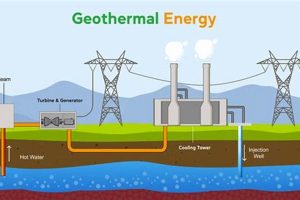
Further examples highlight the practical significance. Fossil fuels, derived from ancient biomass that underwent photosynthesis, represent stored solar energy. The combustion of these fuels converts chemical potential energy into thermal energy, which can then be used to generate electricity or power engines. Hydroelectric power plants convert the potential energy of water, elevated through the solar-driven hydrological cycle, into electrical energy. Even geothermal energy, while originating from the Earth’s internal heat, represents residual energy from the planet’s formation and subsequent radioactive decay processes, necessitating conversion technologies to harness its potential. Across all energy utilization methods, an intervening conversion process is essential to render the initial energy source accessible and practical.
In summary, energy conversion is the indispensable bridge between the fundamental origin and the practical utilization of all forms of energy. Without effective and efficient conversion technologies, the potential of the universes energy source would remain largely untapped. While the origin is paramount, the ability to convert that energy into forms suitable for supporting life and powering civilization dictates the viability of any energy system. Ongoing research into improved conversion efficiency and the development of novel conversion methods are crucial for addressing global energy challenges and securing a sustainable future.
Frequently Asked Questions
The following questions and answers address common inquiries regarding the fundamental origins of power and its relevance to life on Earth.
Question 1: What is the ultimate origin of the majority of energy utilized on Earth?
The primary source is nuclear fusion occurring within stars, predominantly the conversion of hydrogen into helium. This process releases vast amounts of electromagnetic radiation.
Question 2: How does energy from stellar nuclear fusion reach and impact Earth?
The energy is transmitted as electromagnetic radiation across interstellar space. This radiation drives climate patterns, facilitates photosynthesis, and supports the majority of life processes.
Question 3: Why is photosynthesis considered crucial in the context of energy origins?
Photosynthesis converts light energy into chemical energy stored in organic compounds. This process forms the base of nearly all food chains, providing the energy necessary for most ecosystems.
Question 4: Is solar energy the only form of energy derived from the sun?
No. Wind energy, hydroelectric power, and even fossil fuels are indirectly derived from solar radiation. These forms represent the conversion and storage of solar-derived energy through various natural processes.
Question 5: How does understanding the source of energy impact energy sustainability efforts?
Comprehending the origin encourages the development of renewable energy technologies, such as solar and wind power, that directly harness the primary energy source. It also informs strategies for energy conservation and efficiency.
Question 6: What role does energy conversion play in utilizing the primary energy source?
Energy conversion processes transform radiant energy into usable forms. Examples include solar panels converting sunlight into electricity and combustion processes releasing energy from fossil fuels. These processes are crucial for harnessing energy across various applications.
Understanding the origin and transformations of energy provides a foundation for informed decision-making regarding energy use, sustainability, and technological development.
Consider exploring the section on energy conversion for a more in-depth examination of this crucial aspect.
What is the Source of All Energy
The preceding exploration of what is the source of all energy reveals that nuclear fusion occurring within stars represents the primary origin. This fundamental process releases electromagnetic radiation, which then drives a multitude of terrestrial phenomena. From photosynthesis, which underpins biological life, to the formation of fossil fuels, the universe power provides the initial energetic input. Understanding this origin is paramount to addressing current and future energy needs.
Continued research into sustainable energy technologies, inspired by these processes and sources, is critical. The long-term viability of human civilization is directly tied to the responsible management and technological advancement surrounding this origin. Recognizing the fundamental source and harnessing its derived forms is not merely an academic exercise but a vital imperative for a sustainable future.