


Clean energy solutions provided by distributed generation assets, such as rooftop solar, community solar, and fuel cells, offer businesses, communities, and public sector organizations access to locally produced sustainable power. These systems... Read more »
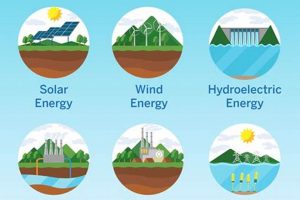
An energy resource is considered sustainable when it is naturally replenished at a rate equal to or greater than the rate of its consumption. This characteristic ensures its availability for the foreseeable... Read more »


Solar power derives from the sun’s virtually inexhaustible energy. This energy is constantly replenished through nuclear fusion within the sun’s core, making it a sustainable source of power unlike fossil fuels, which... Read more »

Uranium, the fuel source for fission-based atomic electricity generation, is a finite resource extracted from the Earth’s crust. This process involves mining and processing ore, similar to fossil fuel extraction, but with... Read more »
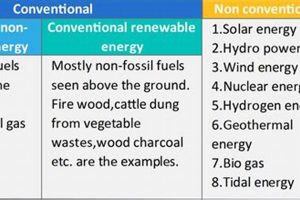
Resources like geothermal power, ocean energy (including tidal, wave, and ocean thermal), and some forms of bioenergy represent power generation methods distinct from more established renewable sources such as solar and wind.... Read more »
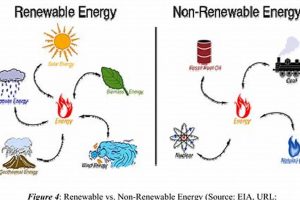
Harnessing naturally replenishing sources for energy generation and material production offers a sustainable alternative to finite reserves. Solar irradiance, converted into electricity through photovoltaic systems, represents one such inexhaustible supply. Wind energy,... Read more »

Sustainable power generation that minimizes wasted resources while maximizing output is achieved through technologies harnessing sources like solar, wind, hydro, and geothermal power. For example, advancements in photovoltaic cell technology increase the... Read more »

South Africa possesses a wealth of natural resources suitable for generating power from sustainable sources such as solar, wind, hydro, and biomass. Harnessing these resources offers a pathway to diversify the nation’s... Read more »
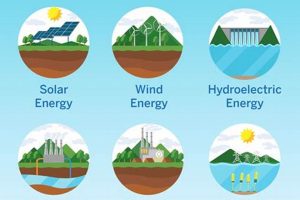
Identifying sources of power that replenish naturally and are virtually inexhaustible is crucial for a sustainable energy future. These resources stand in contrast to fossil fuels, which are finite and contribute significantly... Read more »
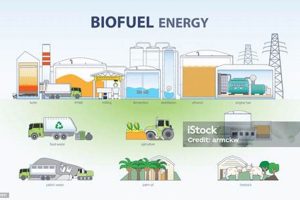
Liquid, solid, and gaseous fuels derived from recently living organic matter constitute a significant category of sustainable energy sources. Examples include ethanol from corn or sugarcane, biodiesel from vegetable oils, and biogas... Read more »