Harnessing the sun’s power for electricity generation represents a sustainable approach to meeting energy demands. Unlike finite resources, the radiant light and heat from the sun are continuously replenished, making solar power a virtually inexhaustible energy source. This characteristic ensures a long-term availability, distinguishing it from fossil fuels that deplete over time. An example illustrating this principle is a photovoltaic system installed on a rooftop, which consistently generates electricity as long as the sun shines, without diminishing the source.
The continuous nature of sunlight carries significant benefits for both the environment and the economy. Reliance on this enduring resource reduces dependence on fossil fuels, thereby mitigating greenhouse gas emissions and combating climate change. Furthermore, the perpetual availability of the sun’s energy offers greater energy security, insulating communities and nations from the price volatility and supply disruptions associated with finite energy resources. Historically, the development and deployment of related technologies have propelled advancements in materials science and engineering, fostering innovation and economic growth.
The inherent sustainability of capturing the sun’s power leads to discussions of various methodologies for its effective utilization, including photovoltaic conversion and concentrated solar power. The longevity of the resource underscores the significance of long-term energy planning and infrastructure development centered around sustained electricity generation. Further exploration into the integration of this enduring resource with energy storage solutions and smart grid technologies will be addressed subsequently.
Solar Energy Utilization
The following outlines actionable advice for maximizing the benefits derived from solar energy, focusing on efficient implementation and long-term sustainability.
Tip 1: Conduct a Thorough Site Assessment: Prior to installation, evaluate solar irradiance levels, shading conditions, and roof orientation. Optimal sunlight exposure directly translates to enhanced electricity generation.
Tip 2: Select High-Efficiency Photovoltaic Modules: Investing in solar panels with high conversion efficiencies ensures a greater proportion of sunlight is converted into usable electricity, maximizing energy output for the given surface area.
Tip 3: Implement a Robust Energy Storage System: Utilize battery storage solutions to capture excess energy generated during peak sunlight hours. This allows for continuous power supply, even during periods of reduced sunlight or nighttime.
Tip 4: Prioritize Regular System Maintenance: Schedule routine inspections and cleaning of solar panels to remove accumulated dirt, debris, and snow. These factors can significantly reduce energy output.
Tip 5: Consider Net Metering Programs: Investigate local net metering programs that allow you to feed excess solar energy back into the grid. This can result in credits or payments, offsetting electricity costs.
Tip 6: Explore Government Incentives and Rebates: Research available federal, state, and local incentives designed to reduce the initial investment costs associated with solar energy systems.
Tip 7: Integrate Smart Home Energy Management Systems: Implement smart home technologies that optimize energy consumption based on solar energy availability. This can include automated adjustments to lighting, heating, and appliance usage.
Implementing these strategies maximizes the efficiency, reliability, and cost-effectiveness of solar energy utilization, ensuring a sustainable and secure energy future.
The adoption of these guidelines facilitates a smoother transition towards a cleaner energy economy and promotes the long-term viability of utilizing solar power.
1. Inexhaustible resource

The classification of the sun’s energy as an inexhaustible resource directly underpins the assertion that solar energy is a renewable energy source. The continuous emission of radiant energy from the sun, driven by nuclear fusion, provides a virtually limitless supply of energy for practical human use. This characteristic fundamentally differentiates solar power from finite resources such as fossil fuels, which are depleted upon extraction and combustion. The cause-and-effect relationship is evident: the enduring nature of solar radiation enables the continuous generation of electricity or heat, making solar power inherently renewable. Solar irradiance data collected over decades consistently demonstrates the consistent availability of solar energy across diverse geographic locations, reinforcing the notion of it being inexhaustible for human timescales.
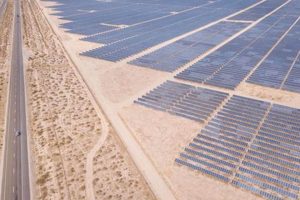
The significance of the “inexhaustible resource” component lies in its contribution to long-term energy security and environmental sustainability. Widespread adoption of related technologies minimizes dependence on finite resources and their associated geopolitical risks. Furthermore, the implementation of solar power reduces greenhouse gas emissions and mitigates the environmental impacts associated with fossil fuel extraction and combustion. A real-world example illustrates this principle: the ongoing operation of large-scale solar power plants, such as the Noor Ouarzazate solar complex in Morocco, demonstrate the ability to generate substantial amounts of electricity utilizing an energy source that is continuously replenished. The practical significance of understanding this relationship is that it informs policy decisions, investment strategies, and technological development efforts aimed at transitioning towards a cleaner and more sustainable energy future.
In summary, the designation of solar energy as renewable is intrinsically linked to the fact that the sun constitutes an inexhaustible resource. This characteristic ensures the continuous availability of energy for human use, fostering both energy security and environmental stewardship. While challenges remain in optimizing energy conversion efficiency and energy storage, the fundamental principle of relying on a perpetually replenished resource establishes solar power as a cornerstone of a sustainable energy economy.
2. Continuous Supply

The consistent influx of solar radiation to Earth establishes a “continuous supply” of energy, a critical component substantiating that “solar energy is renewable.” This constant stream of photons emitted from the sun, while subject to variations based on diurnal cycles, weather patterns, and seasonal changes, persists predictably over extended periods. The fundamental link stems from the fact that solar energy technologies, such as photovoltaic panels and concentrated solar power systems, are designed to directly convert this incoming solar radiation into usable forms of energy, whether electricity or heat. The effectiveness of these technologies depends directly on the reliable availability of this continuous supply. If solar radiation were intermittent or ceased entirely, solar energy would cease to be considered a viable renewable resource.
The importance of this continuous supply manifests in the practical viability of solar energy systems. Solar photovoltaic arrays, for example, generate electricity predictably each day during sunlight hours, contributing to the overall energy mix. Even under cloudy conditions, diffused sunlight still contributes to electricity generation, albeit at a reduced rate. Moreover, solar thermal systems, which focus sunlight to heat fluids for electricity generation or direct heating purposes, also rely on the sustained flow of solar radiation. Real-world examples, such as residential solar installations with battery storage, demonstrate the potential for maintaining a continuous energy supply even when direct sunlight is unavailable, by leveraging stored energy generated during peak sunlight hours. Power purchase agreements tied to large-scale solar farms are feasible precisely because the continuous supply of solar radiation allows for the predictable generation of electricity.
In summary, the continuous supply of solar radiation is intrinsically linked to its classification as a renewable energy source. The sustained availability enables the predictable conversion of solar radiation into usable energy forms, contributing to both energy security and environmental sustainability. Although challenges exist in mitigating the variability in solar energy supply, the fundamental principle of continuous replenishment from the sun underpins the long-term viability of solar power as a key element of a diversified and sustainable energy portfolio.
3. Environmental Sustainability
Environmental sustainability, in the context of energy production, centers on minimizing the adverse ecological impacts associated with resource extraction, processing, and utilization. The inherent characteristic that “solar energy is renewable” directly correlates with enhanced environmental sustainability compared to conventional energy sources.
- Reduced Greenhouse Gas Emissions
Solar energy systems produce negligible greenhouse gas emissions during electricity generation. This directly contrasts with fossil fuel-based power plants, which release significant amounts of carbon dioxide, methane, and other pollutants. The displacement of fossil fuels with solar power reduces the overall carbon footprint of the energy sector, mitigating climate change.
- Minimized Air and Water Pollution
Unlike coal-fired power plants or nuclear facilities, solar energy generation does not require the combustion of fuels or the use of large quantities of water for cooling. This reduces the release of air pollutants, such as particulate matter and sulfur dioxide, as well as minimizing thermal pollution of waterways, safeguarding air and water quality.
- Land Use Considerations
While large-scale solar farms require land, the impact can be mitigated through careful site selection and design. Integrating solar panels into existing infrastructure, such as rooftops or parking canopies, minimizes land use conflicts. Furthermore, some solar farms can be designed to co-exist with agricultural activities, promoting land use efficiency.
- Resource Conservation
Harnessing solar power reduces the reliance on finite fossil fuel reserves. This conserves these valuable resources for alternative applications, such as the production of plastics and chemicals. Moreover, the prolonged use of solar energy systems decreases the need for resource-intensive exploration and extraction activities.
The cumulative effect of reduced emissions, minimized pollution, efficient land use, and resource conservation underscores the significant contribution of “solar energy is renewable” to environmental sustainability. Transitioning towards a greater reliance on solar power fosters a cleaner and more ecologically responsible energy system.
4. Long-term availability

The characteristic of “long-term availability” is a cornerstone supporting the classification of “solar energy is renewable.” The persistent and predictable nature of solar irradiance, measured across geological timescales, ensures a consistent energy supply for the foreseeable future. This attribute distinguishes solar power from finite resources subject to depletion.
- Geological Stability of Solar Output
The sun’s energy output, while subject to minor fluctuations, remains remarkably stable over vast spans of time. Stellar evolution models and historical solar irradiance data confirm that the sun will continue to emit substantial amounts of energy for billions of years. This geological stability provides a foundation for long-term energy planning based on solar power. An example of this reliability is apparent in the planning and construction of large-scale solar power infrastructure, which are designed with the assumption of consistent sunlight availability for decades.
- Predictable Irradiance Patterns
Solar irradiance follows predictable daily and seasonal patterns, allowing for accurate forecasting of energy generation. Meteorological data and advanced modeling techniques enable energy planners to anticipate energy output from solar installations, facilitating grid integration and ensuring grid stability. The consistent predictability enables energy providers to confidently incorporate solar power into their long-term energy portfolios.
- Sustainable Infrastructure Longevity
While solar energy infrastructure, such as photovoltaic panels and concentrated solar power plants, has a finite lifespan, advancements in materials science and engineering are continually extending their operational duration. Regular maintenance and component upgrades further enhance the longevity of solar installations. This sustainable infrastructure longevity ensures that solar energy investments continue to yield returns for decades, solidifying the long-term availability of solar power.
- Resilience to Resource Depletion
Unlike fossil fuels, which are finite and subject to depletion, solar energy relies on a virtually inexhaustible resource. This resilience to resource depletion enhances energy security and insulates societies from the price volatility and supply disruptions associated with finite resources. The long-term availability of solar energy promotes a more stable and sustainable energy future.
The combination of geological stability, predictable irradiance patterns, sustainable infrastructure longevity, and resilience to resource depletion firmly establishes the “long-term availability” of solar energy. This characteristic directly supports its classification as a renewable resource and underscores its critical role in achieving long-term energy security and environmental sustainability.
5. Energy security

Energy security, defined as the uninterrupted availability of energy sources at an affordable price, is significantly enhanced by the characteristic of that “solar energy is renewable.” Dependence on finite, geographically concentrated fossil fuels introduces vulnerabilities to supply disruptions caused by geopolitical instability, natural disasters, or infrastructure failures. In contrast, the widespread availability of solar irradiance minimizes these risks. The assertion that solar energy is renewable implies a sustained domestic energy source, reducing reliance on foreign imports and bolstering national energy independence. This inherent energy security is particularly crucial for nations with limited fossil fuel reserves or those seeking to diversify their energy portfolios. For example, a nation investing heavily in solar infrastructure reduces its susceptibility to fluctuating global oil prices and potential supply embargoes.
Furthermore, distributed solar generation, such as rooftop photovoltaic systems, contributes to grid resilience by decentralizing energy production. This reduces the vulnerability of centralized power plants to large-scale outages. Energy storage solutions, coupled with solar installations, provide backup power during grid disruptions, enhancing energy security at the individual consumer level. The proliferation of microgrids powered by solar and storage technologies further strengthens community-level energy security by enabling localized energy independence. These distributed systems mitigate the cascading effects of widespread power outages, ensuring essential services remain operational during emergencies. The increasing adoption of renewable energy sources, including solar, plays a central role in achieving long-term energy security objectives in many nations.
In conclusion, the attribute of “solar energy is renewable” is inextricably linked to improved energy security. Diversifying energy sources with a perpetually replenished resource reduces dependence on volatile global markets, enhances grid resilience through distributed generation, and promotes national energy independence. While challenges related to grid integration and energy storage persist, the fundamental benefits of solar energy in bolstering energy security are undeniable. The strategic deployment of related technologies represents a critical step towards establishing a more stable and sustainable energy future.
6. Reduced emissions

The concept of “reduced emissions” forms a critical element in the argument that “solar energy is renewable.” The utilization of the sun’s radiant energy for electricity generation inherently minimizes the release of harmful pollutants and greenhouse gases into the atmosphere, distinguishing it from conventional fossil fuel-based energy sources.
- Displacement of Fossil Fuel Combustion
Solar energy systems directly displace the need for electricity generation from fossil fuels such as coal, natural gas, and oil. These combustion processes release substantial quantities of carbon dioxide (CO2), a primary greenhouse gas, along with other air pollutants including nitrogen oxides (NOx), sulfur dioxide (SO2), and particulate matter (PM). Solar power plants generate electricity without combustion, thereby avoiding these emissions entirely. For instance, a solar farm producing 1 megawatt of electricity annually can displace the CO2 emissions equivalent to burning approximately 1.2 million pounds of coal. This displacement effect reduces the overall carbon footprint of the energy sector.
- Minimized Life Cycle Emissions
While the manufacturing, transportation, and installation of solar energy systems do involve some emissions, these are significantly lower than the life cycle emissions associated with fossil fuel-based power plants. The extraction, processing, transportation, and combustion of fossil fuels contribute to a substantial emission footprint. Solar energy systems, after installation, have minimal operational emissions, resulting in a net reduction in greenhouse gas emissions over their lifespan. Life cycle assessments consistently demonstrate the environmental benefits of solar energy compared to fossil fuels.
- Reduced Air Pollutant Concentrations
The absence of combustion in solar energy generation leads to a significant reduction in air pollutant concentrations, particularly in urban areas. Fossil fuel power plants and vehicles are major sources of NOx, SO2, and PM, which contribute to respiratory problems, smog formation, and acid rain. Solar energy systems, by displacing these sources, improve air quality and public health. Regions with high solar energy penetration often experience noticeable improvements in air quality, leading to reduced healthcare costs and improved quality of life.
- Mitigation of Climate Change Impacts
The cumulative effect of reduced greenhouse gas emissions and improved air quality contributes to the mitigation of climate change impacts. By reducing the atmospheric concentration of greenhouse gases, solar energy helps to slow the rate of global warming, sea-level rise, and extreme weather events. Solar energy is an important element for a transition for a sustainable energy economy. Global efforts to limit greenhouse gas emissions and achieve climate neutrality rely heavily on the increased adoption of renewable energy sources, including solar power.
The interconnectedness of these facets highlights the profound impact of “reduced emissions” when “solar energy is renewable.” The transition towards a greater reliance on solar power offers a pathway towards a cleaner, healthier, and more sustainable environment, mitigating the adverse effects of climate change and improving air quality for populations worldwide.
7. Sustainable generation

Sustainable electricity generation is intrinsically linked to the concept that “solar energy is renewable.” The ability to generate electricity consistently over extended periods without depleting the source or causing irreversible environmental damage defines sustainability in this context. This definition directly applies to solar energy due to the virtually inexhaustible nature of solar radiation. The sun’s continuous energy output ensures a sustained flow of energy that can be converted into electricity using photovoltaic (PV) panels or concentrated solar power (CSP) systems. The crucial connection lies in the fact that unlike fossil fuels, the extraction and utilization of solar energy do not diminish the resource base. Therefore, the sustainable generation of electricity from solar power becomes feasible, offering a long-term solution to energy demands without compromising the ability of future generations to meet their needs. Solar energy, derived from the sun, is a prime example. A case study is a solar plant, it offers sustainability for years.
The importance of sustainable generation as a component of “solar energy is renewable” manifests in several key areas. Firstly, it contributes to energy security by reducing dependence on finite and geographically concentrated fossil fuels. Secondly, it mitigates climate change by minimizing greenhouse gas emissions compared to traditional power generation methods. Finally, it fosters environmental stewardship by reducing air and water pollution associated with fossil fuel extraction and combustion. The adoption of solar energy contributes to a circular economy model, where resources are used efficiently and waste is minimized. For example, large-scale solar farms in arid regions can be designed to co-exist with livestock grazing or pollinator habitats, promoting biodiversity and land use efficiency. The practical significance of understanding this connection is that it informs policy decisions, investment strategies, and technological advancements aimed at transitioning toward a low-carbon and sustainable energy future. Governments are increasingly implementing policies that promote renewable energy adoption, providing incentives for solar installations, and establishing renewable energy targets. Investment in solar energy research and development is driving down costs and improving the efficiency and durability of solar technologies.
In conclusion, the concept of sustainable generation is inextricably intertwined with the renewable nature of solar energy. The sustained availability of solar radiation coupled with the minimal environmental impact of solar power generation establishes solar energy as a cornerstone of a sustainable energy future. While challenges remain in optimizing grid integration, energy storage, and materials recycling, the fundamental principle of harnessing a perpetually replenished resource for electricity generation underscores the critical role of solar energy in achieving long-term environmental and economic sustainability. Addressing these challenges through ongoing research and policy support will unlock the full potential of solar energy to contribute to a cleaner and more resilient energy system.
Frequently Asked Questions
The following addresses common inquiries regarding the renewable nature of solar energy, offering clear and concise explanations.
Question 1: What fundamentally defines solar energy as a renewable energy source?
Solar energy is classified as renewable due to its reliance on the sun, a virtually inexhaustible source of energy. The continuous flow of solar radiation, barring astronomical events, ensures a perpetually replenished energy source unlike finite fossil fuels.
Question 2: How does the intermittency of sunlight affect the long-term viability of solar energy as a renewable resource?
While sunlight availability fluctuates diurnally and seasonally, this intermittency does not negate its renewability. Energy storage solutions, such as batteries and thermal storage, coupled with smart grid technologies mitigate the impact of intermittency, ensuring a continuous energy supply.
Question 3: Does the manufacturing process of solar panels negate the environmental benefits associated with renewable solar energy?
The manufacturing process of solar panels does involve energy consumption and material usage. However, life cycle assessments consistently demonstrate that solar energy systems result in significantly lower greenhouse gas emissions and environmental impacts compared to fossil fuel-based power generation over their operational lifespan.
Question 4: Is solar energy truly sustainable given the finite lifespan of solar panels?
While solar panels have a limited lifespan, typically 25-30 years, advancements in materials science and recycling technologies are extending their operational duration and minimizing waste. Furthermore, the energy payback time for solar panels, the time required to generate the energy used in their production, is relatively short, reinforcing their sustainability.
Question 5: How does solar energy contribute to long-term energy security?
Solar energy enhances energy security by diversifying energy sources and reducing reliance on finite and geopolitically sensitive fossil fuels. The distributed nature of solar power generation further strengthens grid resilience, minimizing vulnerability to large-scale outages.
Question 6: Can solar energy alone meet global energy demands, ensuring a completely renewable energy future?
While solar energy possesses the potential to contribute significantly to global energy needs, a complete transition to a renewable energy future requires a diversified portfolio encompassing various renewable resources, including wind, hydro, geothermal, and biomass, alongside advancements in energy storage and grid infrastructure.
In summary, the renewability of solar energy is grounded in the continuous availability of sunlight, despite certain operational and infrastructural challenges. Continued technological advancements and strategic policy implementation will unlock its full potential for a sustainable energy future.
The discussion now proceeds to an examination of the challenges and opportunities associated with widespread solar energy adoption.
Solar Energy is Renewable
This exploration has affirmed that solar energy is renewable, substantiated by the enduring nature of the sun’s radiation. The inherent sustainability, continuous supply, and subsequent reduced emissions position solar power as a cornerstone of a resilient and environmentally conscious energy framework. The long-term availability guarantees energy security, mitigating dependence on finite resources and volatile global markets. Sustainable electricity generation from solar resources, when coupled with technological advancements, provides a comprehensive approach to meeting current and future energy demands responsibly.
The realization that solar energy is renewable compels a dedicated commitment to its integration within the global energy infrastructure. Strategic investment in solar technologies, coupled with supportive policy frameworks, will unlock its full potential. A decisive transition towards solar energy is not merely an environmental imperative but also a strategic necessity for a secure and prosperous future.