The transition towards energy generation from sources that naturally replenish themselves, such as solar, wind, hydro, geothermal, and biomass, represents a fundamental change in the global energy landscape. For example, a community might decommission a coal-fired power plant and replace it with a solar farm and battery storage system.
This transformation is driven by the imperative to mitigate climate change by reducing greenhouse gas emissions associated with fossil fuels. Furthermore, it promises enhanced energy security by diversifying energy sources and reducing reliance on volatile global fuel markets. Historically, energy systems have been heavily dependent on finite resources like coal and oil, but growing awareness of their environmental impact and the increasing affordability of renewable technologies have fueled this significant change.
This discussion will further explore key aspects of this energy evolution, including the technological advancements driving its progress, the economic implications of the transition, and the policy frameworks necessary to support its widespread adoption.
Tips for Supporting the Transition to Sustainable Energy
Individuals, communities, and businesses can contribute to the growth of sustainable energy through informed choices and proactive measures. The following tips offer practical guidance for supporting this crucial transition.
Tip 1: Invest in Energy-Efficient Appliances: Replacing outdated appliances with energy-efficient models significantly reduces household energy consumption. Look for appliances with high Energy Star ratings.
Tip 2: Explore Residential Solar Installations: Rooftop solar panels can provide a substantial portion of a home’s electricity needs, reducing reliance on the traditional grid. Consider factors like roof orientation and local sunlight availability.
Tip 3: Support Renewable Energy Policies: Advocate for policies that incentivize renewable energy development and deployment at the local, regional, and national levels. This can include tax credits, renewable portfolio standards, and streamlined permitting processes.
Tip 4: Reduce Overall Energy Consumption: Simple changes in daily habits, such as turning off lights when leaving a room and using public transportation, can collectively make a significant impact on energy demand.
Tip 5: Choose Green Energy Suppliers: Many utility companies offer green energy options, allowing consumers to support renewable energy generation through their electricity purchases.
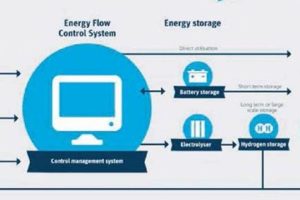
Tip 6: Invest in Energy Storage Solutions: Battery storage systems can complement renewable energy sources by storing excess energy generated during peak production periods for use during periods of low generation or high demand.
Tip 7: Educate Others: Sharing information about the benefits of sustainable energy with friends, family, and colleagues can raise awareness and encourage wider adoption.
By adopting these strategies, individuals and communities can actively contribute to a cleaner, more sustainable energy future, benefiting both the environment and the economy.
The collective effort to embrace sustainable energy solutions is essential for addressing the global challenge of climate change and ensuring long-term energy security.
1. Decarbonization

Decarbonization, the reduction of carbon dioxide emissions, is intrinsically linked to the shift towards renewable energy. It represents the primary driver for transitioning away from fossil fuel-based energy systems and towards cleaner, more sustainable alternatives. Understanding the facets of decarbonization is crucial for comprehending the complexities and opportunities associated with this energy transformation.
- Emissions Reduction Strategies
Decarbonization strategies encompass a range of approaches, including increasing energy efficiency, electrifying transportation systems, and adopting carbon capture and storage technologies. For example, replacing gasoline-powered vehicles with electric vehicles powered by renewable energy sources directly reduces transportation emissions. These strategies are fundamental to achieving significant reductions in overall carbon footprints and mitigating the impacts of climate change.
- Renewable Energy Integration
Integrating renewable energy sources, such as solar, wind, and hydro, into existing energy infrastructure is a cornerstone of decarbonization efforts. The increasing affordability and efficiency of these technologies make them viable alternatives to fossil fuels. Examples include large-scale solar farms replacing coal-fired power plants or offshore wind turbines providing electricity to coastal communities. This integration reduces dependence on carbon-intensive energy generation and contributes to a cleaner energy mix.
- Policy and Regulatory Frameworks
Effective decarbonization requires supportive policy and regulatory frameworks. Governments play a crucial role in incentivizing renewable energy adoption, setting emissions reduction targets, and implementing carbon pricing mechanisms. Examples include carbon taxes, emissions trading schemes, and renewable portfolio standards. These policies create a level playing field for renewable energy technologies and encourage investment in a low-carbon future.
- Economic and Social Impacts
Decarbonization has far-reaching economic and social impacts. The transition to renewable energy creates new job opportunities in manufacturing, installation, and maintenance of clean energy technologies. It also stimulates innovation and economic growth in related sectors. Furthermore, decarbonization efforts can improve public health by reducing air pollution associated with fossil fuel combustion. These positive impacts contribute to a more sustainable and equitable society.
These facets of decarbonization highlight its crucial role in facilitating the shift to renewable energy. The transition requires a concerted effort across sectors, involving technological advancements, policy interventions, and societal changes. Ultimately, successful decarbonization is essential for mitigating climate change and ensuring a sustainable energy future for generations to come.
2. Technological Advancements

Technological advancements are the cornerstone of the shift to renewable energy, enabling cost reductions, efficiency improvements, and broader accessibility. Continuous innovation across various renewable energy technologies is crucial for accelerating the transition towards a sustainable energy future and overcoming the challenges associated with widespread adoption.
- Photovoltaic Solar Power
Advancements in photovoltaic (PV) technology have led to significant increases in solar panel efficiency and reductions in manufacturing costs. This progress has made solar energy increasingly competitive with conventional fossil fuels. Examples include the development of high-efficiency silicon-based solar cells and the exploration of new materials like perovskites, which promise even higher efficiencies and lower production costs. These advancements drive wider adoption of solar power in residential, commercial, and utility-scale applications.
- Wind Turbine Technology
Innovations in wind turbine design and manufacturing have resulted in larger, more efficient turbines capable of capturing greater amounts of wind energy. Taller towers allow access to stronger and more consistent winds, while advanced blade designs improve energy capture efficiency. Furthermore, advancements in turbine control systems optimize performance and minimize downtime. These developments contribute to the increasing cost-competitiveness of wind energy and its expanding role in the global energy mix. For instance, floating offshore wind farms are opening up new areas for wind energy development.
- Energy Storage Solutions
Improved energy storage technologies are essential for addressing the intermittency of renewable energy sources like solar and wind. Advancements in battery technology, including increased energy density, longer lifespans, and reduced costs, are making energy storage more viable and economically attractive. Examples include lithium-ion batteries, flow batteries, and pumped hydro storage. These technologies enable greater integration of renewable energy into the grid by storing excess energy generated during periods of high production for use during periods of low production or high demand.
- Smart Grid Technologies
Smart grid technologies play a critical role in optimizing the distribution and management of renewable energy. Advanced sensors, communication networks, and data analytics enable real-time monitoring and control of energy flows, improving grid stability and reliability. These technologies facilitate the integration of distributed renewable energy sources, such as rooftop solar panels, into the grid. They also enable demand-side management strategies that optimize energy consumption and reduce peak demand, further enhancing the efficiency of the renewable energy system. Examples include smart meters, grid-scale energy storage, and advanced distribution management systems.
These technological advancements, coupled with supportive policies and market mechanisms, are driving the global transition towards a cleaner, more sustainable energy future. Continued innovation in renewable energy technologies is essential for achieving deep decarbonization targets and mitigating the impacts of climate change. As these technologies mature and become more cost-effective, their adoption will accelerate, transforming the energy landscape and creating new economic opportunities.
3. Economic Opportunities

The shift to renewable energy presents significant economic opportunities, creating new industries, jobs, and investment prospects. This transition stimulates economic growth while simultaneously addressing environmental concerns. The relationship between renewable energy and economic development is multifaceted, encompassing job creation in manufacturing, installation, maintenance, and research, as well as fostering innovation and attracting investments.
Renewable energy technologies require specialized manufacturing processes, leading to the establishment of new factories and production facilities. The installation of solar panels, wind turbines, and other renewable energy systems creates demand for skilled labor in construction and installation. Ongoing maintenance and operation of these systems provide further employment opportunities. Moreover, research and development in renewable energy technologies drive innovation and create high-skilled jobs in science and engineering. For example, the growth of the electric vehicle industry has spurred significant investments in battery manufacturing and charging infrastructure, generating thousands of jobs across the supply chain. Similarly, the expansion of offshore wind farms requires specialized vessels and skilled labor for installation and maintenance, stimulating coastal economies. Furthermore, investments in renewable energy projects often flow to local communities, supporting small businesses and generating tax revenue. This localized economic activity strengthens regional economies and fosters sustainable development.
The economic benefits associated with the renewable energy transition extend beyond direct job creation. The decreased reliance on imported fossil fuels improves energy security and reduces trade deficits. Investing in renewable energy stimulates innovation and technological advancements, creating competitive advantages in the global market. The growth of the renewable energy sector attracts private investment, driving economic growth and creating a positive feedback loop. However, challenges remain, such as ensuring a just transition for workers in the fossil fuel industry and addressing potential environmental impacts associated with renewable energy development. Successful navigation of these challenges requires careful planning, policy support, and stakeholder engagement to maximize the economic benefits and minimize potential drawbacks. Ultimately, the shift to renewable energy offers a pathway towards a more sustainable and prosperous future, creating economic opportunities while mitigating the risks of climate change.
4. Energy Independence

Energy independence, the ability of a nation or region to meet its energy needs without relying on external sources, represents a key driver and potential outcome of the shift to renewable energy. This transition offers a pathway to reduce dependence on volatile global fossil fuel markets and enhance energy security. The connection between energy independence and renewable energy is strengthened by the distributed nature of many renewable resources, such as solar and wind, which can be harnessed locally, reducing reliance on centralized power generation and long-distance transmission infrastructure vulnerable to disruptions. For example, a nation heavily reliant on imported oil can significantly enhance its energy security by developing domestic solar and wind resources, decreasing its vulnerability to price fluctuations and supply interruptions in the global oil market. Similarly, island nations can reduce their dependence on imported diesel fuel for electricity generation by transitioning to locally sourced renewable energy, such as geothermal or ocean energy.
The pursuit of energy independence through renewable energy also fosters economic development by creating domestic jobs in manufacturing, installation, and maintenance of renewable energy technologies. Furthermore, it reduces the outflow of capital associated with purchasing fossil fuels from other countries, retaining financial resources within the local economy. Denmark, for instance, has achieved a high degree of energy independence through significant investments in wind power, creating a thriving wind energy industry and reducing reliance on imported fossil fuels. This strategic focus on renewable energy has not only enhanced Denmark’s energy security but also established it as a global leader in wind turbine technology. However, achieving complete energy independence solely through renewable sources can be challenging due to the intermittency of some resources like solar and wind. This challenge necessitates the development of robust energy storage solutions and grid modernization efforts to ensure a reliable and stable energy supply. Moreover, the transition requires careful planning and policy support to balance energy security objectives with economic competitiveness and environmental sustainability.
In summary, the shift to renewable energy offers a viable pathway towards greater energy independence, reducing reliance on volatile global fossil fuel markets and enhancing energy security. This transition presents economic opportunities, fosters technological innovation, and contributes to a more sustainable energy future. While challenges remain in managing the intermittency of renewable resources and ensuring a smooth transition, the pursuit of energy independence through renewable energy represents a crucial step towards a more secure, resilient, and sustainable energy system.
5. Sustainable Development
Sustainable development, encompassing economic growth, social equity, and environmental protection, is intrinsically linked to the shift towards renewable energy. This transition provides a pathway towards achieving sustainable development goals by addressing climate change, improving air quality, and enhancing energy access. Renewable energy’s role in sustainable development is multifaceted, impacting various aspects of society and the environment. Exploring these facets provides a comprehensive understanding of the interconnectedness between energy transition and a sustainable future.
- Environmental Stewardship
Renewable energy sources, such as solar, wind, and hydro, generate electricity with significantly lower environmental impacts compared to fossil fuels. This reduces greenhouse gas emissions, mitigating climate change and its associated risks. Furthermore, renewable energy reduces air and water pollution, improving public health and protecting ecosystems. For instance, replacing coal-fired power plants with solar farms reduces air pollution and minimizes the risks of water contamination from coal ash disposal. This contributes to cleaner air and water, benefiting both human health and the environment.
- Economic Growth and Development
The renewable energy sector creates new economic opportunities, generating jobs in manufacturing, installation, maintenance, and research. This stimulates economic growth and fosters innovation in related industries. Moreover, decentralized renewable energy systems can enhance energy access in remote areas, empowering communities and promoting economic development. For example, off-grid solar systems provide electricity to rural communities lacking access to the main power grid, enabling economic activities and improving quality of life. This fosters economic development and reduces energy poverty.
- Social Equity and Inclusion
The transition to renewable energy can promote social equity by creating job opportunities in underserved communities and enhancing energy access for marginalized populations. Furthermore, decentralized renewable energy systems can empower communities and strengthen local resilience. For example, community-owned solar projects provide affordable clean energy to low-income households, reducing energy burdens and promoting energy democracy. This enhances social equity and empowers communities to participate in the energy transition. Additionally, renewable energy projects can be designed to minimize negative social impacts, such as land displacement or disruption of traditional livelihoods.
- Resource Management and Conservation
Renewable energy sources rely on naturally replenishing resources, reducing dependence on finite fossil fuels and promoting resource conservation. This contributes to long-term sustainability and reduces the environmental impacts associated with resource extraction and processing. For instance, utilizing solar energy reduces the need for mining and transporting coal, minimizing land disturbance and reducing water pollution associated with coal mining. Furthermore, sustainable practices in the manufacturing and disposal of renewable energy technologies are crucial for minimizing environmental impacts throughout the lifecycle of these systems.
These facets demonstrate the interconnectedness between sustainable development and the shift to renewable energy. The transition to renewable energy offers a pathway towards achieving a more sustainable future, addressing environmental challenges, promoting economic growth, and enhancing social equity. However, careful planning and implementation are crucial to maximize the benefits and minimize potential negative impacts. A holistic approach considering environmental, economic, and social factors is essential for ensuring a just and sustainable energy transition for all.
Frequently Asked Questions
This section addresses common inquiries regarding the transition to renewable energy sources, providing concise and informative responses.
Question 1: What are the primary barriers to wider adoption of renewable energy?
Several factors can hinder broader implementation. These include upfront costs of installation, intermittency of some resources (like solar and wind), grid infrastructure limitations, and existing regulatory frameworks favoring traditional energy sources. Furthermore, public perception and acceptance, as well as workforce development needs for specialized skills, play a role.
Question 2: How does renewable energy impact energy security and independence?
Renewable energy sources are often domestically available, reducing reliance on imported fossil fuels and enhancing energy independence. This diversification of energy sources mitigates vulnerabilities associated with geopolitical instability and fluctuating fuel prices, promoting greater energy security.
Question 3: What is the role of energy storage in a renewable energy system?
Energy storage technologies, such as batteries and pumped hydro, address the intermittency of renewable sources like solar and wind. Storing excess energy generated during peak production for use during periods of low generation or high demand ensures a reliable and consistent power supply.
Question 4: How does the transition to renewable energy influence job markets?
The renewable energy sector generates employment opportunities in manufacturing, installation, maintenance, and research. This transition creates new jobs while potentially displacing jobs in traditional fossil fuel industries, necessitating workforce development and retraining programs.
Question 5: What policy mechanisms support the growth of renewable energy?
Various policy mechanisms incentivize renewable energy development and adoption. These include feed-in tariffs, renewable portfolio standards, tax credits and incentives, carbon pricing mechanisms, and streamlined permitting processes. Supportive policies are crucial for creating a level playing field and fostering investment in renewable energy.
Question 6: How does renewable energy contribute to sustainable development goals?
Renewable energy addresses several sustainable development goals, including mitigating climate change (SDG 7 and 13), improving air quality and public health (SDG 3), and enhancing energy access (SDG 7). Furthermore, it contributes to economic growth (SDG 8) and promotes responsible resource management (SDG 12).
Understanding these key aspects of the renewable energy transition facilitates informed decision-making and supports the shift toward a more sustainable energy future.
For further exploration, the following sections will delve deeper into specific renewable energy technologies, policy frameworks, and global case studies.
Conclusion
The exploration of this crucial energy transition has highlighted its multifaceted nature, encompassing technological advancements, economic opportunities, geopolitical considerations, and pathways towards a more sustainable future. Decarbonizing the global energy system through the adoption of renewable resources is paramount for mitigating climate change and its associated risks. Furthermore, the shift fosters energy independence, reduces reliance on volatile fossil fuel markets, and stimulates economic growth through the creation of new industries and jobs. Technological innovation remains a critical driver of this transition, continuously improving the efficiency and affordability of renewable energy technologies, including solar, wind, and energy storage solutions.
The transition to renewable energy represents not merely a technological shift, but a fundamental transformation of the global energy landscape with profound implications for the future. The decisions made today regarding energy policy, investment, and technological development will determine the trajectory of this transition and its impact on generations to come. A concerted global effort, encompassing collaboration between governments, industries, and individuals, is essential for navigating the challenges and realizing the full potential of this transformative shift towards a cleaner, more secure, and sustainable energy future.