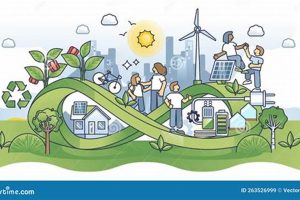
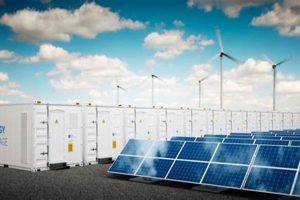
Sources of energy that replenish naturally over a short period are often contrasted with those that minimize environmental impact. For instance, solar power harnesses the sun’s energy, a virtually inexhaustible resource, while nuclear power, though generating minimal greenhouse gas emissions during operation, produces radioactive waste requiring long-term management.
The pursuit of sustainable energy sources is critical for mitigating climate change and ensuring long-term energy security. Historically, reliance on fossil fuels has driven economic growth but at a significant environmental cost. Transitioning towards sustainable alternatives offers the potential for a cleaner, more secure energy future, reducing dependence on finite resources and minimizing pollution. This shift also fosters innovation, creating new economic opportunities and enhancing energy independence.
Understanding the nuances between different energy sources informs policy decisions, technological advancements, and individual choices. Exploring specific examples and their respective advantages and disadvantages provides a foundation for navigating the complex energy landscape and promoting informed discussions about the future of energy production and consumption.
Practical Considerations for Sustainable Energy Choices
Informed decision-making regarding energy consumption requires careful consideration of various factors. The following tips provide guidance for navigating the complexities of sustainable energy options.
Tip 1: Evaluate Local Resources: The suitability of specific sustainable energy sources varies depending on geographical location. Regions with abundant sunshine are ideal for solar power, while those with consistent wind patterns benefit from wind turbines. Geothermal energy is best suited for areas with high geothermal activity.
Tip 2: Consider Energy Efficiency: Reducing energy consumption through improved insulation, energy-efficient appliances, and behavioral changes maximizes the benefits of sustainable energy investments.
Tip 3: Research Government Incentives: Many governments offer financial incentives, such as tax credits and rebates, for adopting sustainable energy technologies. Understanding available programs can significantly impact the financial viability of these projects.
Tip 4: Understand Lifecycle Impacts: Assessing the environmental impact of different energy sources requires considering the entire lifecycle, from resource extraction and manufacturing to operation and decommissioning.
Tip 5: Explore Hybrid Solutions: Combining different sustainable energy sources, such as solar and wind, can provide a more reliable and consistent energy supply.
Tip 6: Consult with Experts: Seeking advice from qualified professionals ensures informed decisions regarding the design, installation, and maintenance of sustainable energy systems.
Tip 7: Factor in Long-Term Costs: While initial investments in sustainable energy technologies can be substantial, long-term operational costs are typically lower than those associated with traditional fossil fuels. Accurate cost projections facilitate informed decision-making.
By considering these practical tips, individuals and communities can make informed choices that contribute to a more sustainable energy future. Such choices mitigate environmental impact while promoting economic growth and energy independence.
Ultimately, transitioning towards sustainable energy requires a multifaceted approach encompassing technological advancements, policy changes, and individual actions.
1. Source Replenishment

Source replenishment serves as a critical differentiator between renewable and clean energy sources. While both aim to reduce environmental impact, renewable sources are inherently defined by their ability to replenish naturally within a human timescale. Understanding the nuances of replenishment is crucial for evaluating the long-term sustainability of different energy options.
- Natural Timescales:
Renewable resources replenish at varying rates. Solar energy is constantly renewed, while biomass relies on plant growth cycles. This temporal aspect distinguishes renewable sources from finite resources like fossil fuels. Clean energy sources, such as nuclear, may offer low emissions but rely on finite uranium reserves. Therefore, replenishment rates directly impact long-term sustainability.
- Resource Dependence:
Renewable energy sources often depend on specific natural resources or conditions. Hydropower requires consistent water flow, while wind energy relies on predictable wind patterns. Evaluating the availability and stability of these resources is crucial for assessing the reliability of renewable energy generation. Clean energy sources may have fewer resource dependencies but may present other challenges, such as waste disposal for nuclear power.
- Environmental Impact of Replenishment:
Even renewable resources can have environmental impacts related to their replenishment cycles. Biomass production can compete with food crops for land use, while large-scale hydropower projects can alter river ecosystems. Evaluating these impacts is essential for ensuring the overall sustainability of renewable energy implementations.
- Technological Advancements:
Technological innovations can influence the effective replenishment of certain renewable resources. Advanced battery storage systems enable more efficient utilization of intermittent solar and wind energy, effectively extending their availability. Similarly, advancements in biofuel production can reduce land use impacts and enhance sustainability.
Considering these facets of source replenishment provides a comprehensive framework for evaluating the true sustainability of different energy sources. While the clean energy category may offer solutions for minimizing emissions, the replenishment aspect of renewable sources is paramount for long-term energy security and environmental stewardship.
2. Environmental Impact
Environmental impact serves as a crucial benchmark for evaluating energy sources, differentiating “renewable” from “clean” options. While often used interchangeably, these terms represent distinct environmental profiles. Renewable sources, derived from naturally replenishing resources like sunlight or wind, generally exhibit lower environmental impacts compared to fossil fuels. However, some renewables, such as large-scale hydropower, can disrupt ecosystems through habitat alteration and water flow modifications. Clean energy sources, including nuclear power, minimize greenhouse gas emissions during operation but present challenges related to radioactive waste disposal and potential for accidental release of harmful materials. For example, while solar photovoltaic systems generate clean electricity, their manufacturing process involves energy-intensive material extraction and potential release of hazardous substances. Understanding these nuanced impacts is essential for informed decision-making.
The significance of environmental impact assessment extends beyond operational phases. Lifecycle analysis, encompassing resource extraction, manufacturing, deployment, operation, and decommissioning, offers a holistic perspective on the environmental footprint of each energy source. For instance, while wind turbines produce minimal emissions during operation, their manufacturing requires substantial energy and materials. Similarly, the decommissioning of nuclear power plants involves complex and costly management of radioactive components. Furthermore, the spatial footprint of different energy sources varies significantly; large solar farms require extensive land areas, while offshore wind farms impact marine ecosystems. Considering these factors enables a comprehensive evaluation of the true environmental costs and benefits of each energy technology.
Ultimately, minimizing environmental impact necessitates a comprehensive approach that considers both the type of energy source and its implementation strategy. Careful site selection, mitigation measures, and ongoing monitoring are crucial for reducing negative environmental consequences. Promoting circular economy principles, emphasizing material reuse and recycling, minimizes waste and resource depletion. Furthermore, integrating diverse energy sources into hybrid systems can optimize energy production while minimizing environmental trade-offs. Addressing these complexities is essential for achieving a sustainable energy future that balances human needs with environmental protection.
3. Emissions Profile

Emissions profiles constitute a critical factor in differentiating renewable and clean energy sources. While both aim to mitigate environmental impact, their emission characteristics vary significantly throughout their respective lifecycles. Renewable sources, such as solar and wind, generally exhibit negligible operational emissions, contributing minimally to greenhouse gas accumulation and air pollution. However, their manufacturing processes and end-of-life disposal can entail emissions associated with material extraction, processing, and transportation. For example, the production of photovoltaic cells for solar panels requires energy-intensive processes that may rely on fossil fuels, contributing to upstream emissions. Conversely, clean energy sources like nuclear power, while emitting minimal greenhouse gases during operation, generate radioactive waste requiring long-term storage and management, posing distinct environmental challenges. Understanding these nuances is essential for evaluating the overall environmental impact of different energy technologies.
The comparison of emissions profiles requires a lifecycle perspective, encompassing all stages from resource extraction to decommissioning. For instance, while hydropower offers a clean source of electricity during operation, the construction of large dams can flood vast areas, releasing methane, a potent greenhouse gas, from decaying vegetation. Similarly, biomass energy, while considered renewable, can release significant air pollutants during combustion if not managed effectively. The emissions profile of each energy source serves as a crucial indicator of its environmental impact, informing policy decisions, technology development, and consumer choices. Furthermore, evaluating emissions profiles necessitates considering both direct and indirect emissions. Direct emissions result from the energy generation process itself, while indirect emissions arise from supporting activities such as material production and transportation. This holistic perspective provides a comprehensive understanding of the environmental consequences associated with each energy option.
Effectively utilizing emissions profile data requires standardized measurement methodologies and transparent reporting. This facilitates accurate comparisons across different energy technologies and enables informed decision-making at individual, corporate, and governmental levels. Furthermore, ongoing research and development efforts focus on minimizing emissions throughout the entire lifecycle of renewable and clean energy technologies. Improving manufacturing processes, developing efficient recycling strategies, and implementing carbon capture technologies are crucial for reducing the overall environmental footprint of energy production. Ultimately, understanding and minimizing emissions profiles are essential steps towards achieving a sustainable energy future that mitigates climate change and protects environmental health.
4. Resource Availability

Resource availability plays a crucial role in determining the viability and scalability of both renewable and clean energy technologies. Access to necessary resources influences the economic feasibility, environmental impact, and overall sustainability of different energy options. Understanding resource constraints and opportunities is essential for informed decision-making and strategic planning in the energy sector.
- Geographical Distribution
The geographical distribution of resources significantly influences the suitability of different energy technologies. Solar energy thrives in regions with abundant sunlight, while wind energy requires consistent wind patterns. Geothermal resources are concentrated in areas with tectonic activity. The uneven distribution of these resources necessitates careful site selection and regional energy planning to maximize their potential while minimizing environmental and social impacts. For example, harnessing solar energy in deserts requires extensive transmission infrastructure to deliver power to populated areas. Similarly, exploiting offshore wind resources necessitates specialized marine infrastructure and careful consideration of marine ecosystems.
- Resource Abundance and Scarcity
The abundance or scarcity of specific resources directly impacts the long-term sustainability of different energy technologies. While solar and wind energy rely on virtually inexhaustible resources, other renewable sources, such as biomass, depend on sustainable land management practices to avoid resource depletion and competition with food production. Certain clean energy technologies, such as nuclear power, rely on finite uranium reserves, raising concerns about long-term fuel security. Evaluating resource availability and developing strategies for resource management are crucial for ensuring the continued viability of these energy options. For instance, recycling and reuse of materials in solar panel production can mitigate resource constraints and reduce environmental impact.
- Extraction and Processing Impacts
The extraction and processing of resources required for renewable and clean energy technologies can have significant environmental and social consequences. Mining operations for materials used in solar panels and batteries can lead to habitat destruction, water pollution, and greenhouse gas emissions. Similarly, the extraction of rare earth elements essential for certain clean energy technologies raises concerns about supply chain vulnerabilities and potential environmental damage. Minimizing these impacts requires implementing sustainable mining practices, developing alternative materials, and promoting circular economy principles that prioritize resource efficiency and waste reduction. For example, exploring alternative battery chemistries that rely on more abundant and less environmentally damaging materials can reduce the impact of resource extraction.
- Geopolitical Considerations
Access to and control over energy resources can have significant geopolitical implications. Reliance on imported fossil fuels can create energy dependence and vulnerability to price volatility and supply disruptions. Developing domestic renewable and clean energy resources enhances energy independence and national security. Furthermore, international cooperation and resource sharing can facilitate the global transition to a sustainable energy future. For instance, countries with abundant solar resources can export solar-generated electricity to neighboring regions, fostering regional energy security and economic development.
Considering resource availability in the context of renewable and clean energy requires a comprehensive approach that balances environmental, economic, and social factors. Strategic resource management, technological innovation, and international collaboration are essential for ensuring a sustainable and equitable energy future for all.
5. Technological Maturity

Technological maturity significantly influences the feasibility and widespread adoption of renewable and clean energy sources. Mature technologies, such as hydropower and geothermal, benefit from established infrastructure, streamlined manufacturing processes, and readily available expertise. This translates to lower development costs, shorter project timelines, and higher reliability compared to emerging technologies. For example, hydropower plants, utilizing well-understood engineering principles, provide a dependable baseload power source in many regions. Conversely, technologies like wave energy and advanced biofuel production, while promising, require further research and development to overcome technical hurdles and achieve cost-competitiveness. The level of technological maturity directly impacts investment decisions, policy support, and ultimately, the pace of transition towards a sustainable energy future.
The interplay between technological maturity and market adoption creates a reinforcing cycle. As technologies mature, production costs decrease, and reliability improves, attracting greater investment and driving further innovation. This positive feedback loop can lead to rapid scaling and widespread deployment, as seen in the solar photovoltaic industry over the past decade. Conversely, technologies with lower maturity levels face challenges in attracting investment and achieving market penetration, hindering their potential contribution to the energy transition. Government support, through research funding, tax incentives, and regulatory frameworks, plays a crucial role in fostering the development and deployment of less mature but promising technologies. Furthermore, public-private partnerships can accelerate innovation by sharing risks and leveraging expertise from both sectors. Addressing technological challenges through targeted research and development efforts is essential for unlocking the full potential of diverse renewable and clean energy sources.
Understanding the role of technological maturity is crucial for making informed decisions about energy investments, policy priorities, and research directions. Supporting emerging technologies while maximizing the benefits of mature options requires a balanced approach that considers economic viability, environmental impact, and social implications. Furthermore, international collaboration and knowledge sharing can accelerate the development and deployment of sustainable energy technologies globally. Ultimately, technological advancements, coupled with supportive policies and market mechanisms, will drive the transition towards a diversified and resilient energy system, mitigating climate change and ensuring long-term energy security.
6. Economic Viability

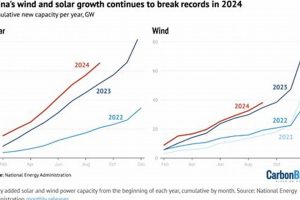
Economic viability plays a crucial role in the transition towards sustainable energy systems. The cost-competitiveness of renewable and clean energy sources compared to traditional fossil fuels directly influences investment decisions, market adoption rates, and the overall pace of energy transition. Factors such as initial capital costs, operating expenses, fuel costs, and the presence of government incentives or subsidies significantly impact the economic viability of different energy technologies. For instance, the declining costs of solar photovoltaic panels and wind turbines have made them increasingly competitive with fossil fuel-based electricity generation in many regions. Conversely, technologies like carbon capture and storage, while offering potential for reducing emissions from fossil fuel power plants, face challenges related to high capital costs and uncertain economic returns. Analyzing the economic viability of various energy options is essential for informed policy-making, investment strategies, and technology development.
The economic implications of transitioning to renewable and clean energy extend beyond direct costs. Creating new industries and jobs in renewable energy manufacturing, installation, and maintenance stimulates economic growth and diversifies employment opportunities. For example, the growth of the solar and wind industries has generated thousands of jobs in manufacturing, installation, and maintenance, contributing to local economies and reducing reliance on traditional fossil fuel industries. Furthermore, investing in renewable energy infrastructure can enhance energy independence and reduce vulnerability to fluctuating fuel prices, contributing to long-term economic stability. However, the economic transition also presents challenges, such as the potential for job displacement in fossil fuel industries and the need for substantial investments in new infrastructure. Addressing these challenges through targeted policies, retraining programs, and innovative financing mechanisms is crucial for ensuring a just and equitable transition to a sustainable energy future.
Evaluating the economic viability of renewable and clean energy requires a comprehensive approach that considers both short-term costs and long-term benefits. Lifecycle cost analysis, which accounts for all costs associated with an energy technology from cradle to grave, provides a more accurate assessment of its economic performance compared to simply comparing initial investment costs. Furthermore, incorporating externalities, such as the environmental and health costs associated with fossil fuel use, into economic assessments provides a more holistic view of the true costs and benefits of different energy options. Ultimately, achieving a sustainable energy future requires aligning economic incentives with environmental goals, fostering innovation, and ensuring a just and equitable transition for all stakeholders.
7. Waste Management

Waste management constitutes a critical aspect of the lifecycle analysis of renewable and clean energy technologies, impacting their overall environmental and economic sustainability. While these energy sources offer significant advantages in mitigating climate change and reducing reliance on fossil fuels, their waste streams present unique challenges requiring careful consideration and innovative solutions. For example, decommissioned solar panels generate substantial electronic waste containing hazardous materials like lead and cadmium, necessitating specialized recycling processes to recover valuable components and prevent environmental contamination. Similarly, the long-term storage and disposal of radioactive waste from nuclear power plants remain a complex and costly undertaking, raising concerns about environmental safety and intergenerational equity. Effective waste management strategies are essential for minimizing the environmental footprint and maximizing the long-term benefits of renewable and clean energy technologies.
The connection between waste management and renewable/clean energy necessitates a shift towards a circular economy approach. This involves minimizing waste generation through design improvements, promoting reuse and repurposing of components, and developing efficient recycling technologies to recover valuable materials. For instance, designing solar panels with modular components and standardized materials facilitates easier disassembly and recycling at the end of their operational life. Similarly, research into advanced recycling techniques for batteries used in electric vehicles and energy storage systems can reduce reliance on virgin materials and minimize the environmental impact of mining. Implementing such strategies not only reduces waste but also creates economic opportunities in the recycling and resource recovery sectors. Furthermore, integrating waste management considerations into the early stages of technology development can lead to more sustainable and environmentally benign energy solutions. For example, exploring alternative materials for solar panels that are less toxic and more easily recyclable can minimize future waste management challenges.
Addressing waste management challenges associated with renewable and clean energy technologies is crucial for ensuring their long-term sustainability and maximizing their contribution to a circular economy. Investing in research and development of innovative waste management solutions, implementing supportive policies and regulations, and promoting public awareness are essential steps towards minimizing the environmental impact of these technologies. Furthermore, international collaboration and knowledge sharing can accelerate the development and implementation of best practices in waste management, fostering a global transition towards a more sustainable and equitable energy future. Ultimately, effectively managing the waste streams associated with renewable and clean energy is essential for realizing their full potential in mitigating climate change and promoting a healthy planet.
Frequently Asked Questions
This section addresses common inquiries regarding the distinction and interplay between renewable and clean energy sources.
Question 1: Is renewable energy always clean?
While often conflated, renewable and clean are not synonymous. Renewable sources derive from naturally replenishing resources, while clean sources minimize environmental impact. Some renewables, like certain biofuels or large-scale hydropower, can have significant environmental consequences, thus not qualifying as entirely clean.
Question 2: Can clean energy be non-renewable?
Yes. Nuclear power, for example, generates minimal operational greenhouse gas emissions, classifying it as clean. However, it relies on finite uranium reserves and produces radioactive waste, making it non-renewable.
Question 3: What are the primary barriers to widespread renewable energy adoption?
Intermittency of sources like solar and wind, infrastructure limitations, storage capacity constraints, and initial capital costs represent key barriers to widespread renewable energy adoption. Addressing these challenges requires technological advancements, grid modernization, and supportive policies.
Question 4: How does lifecycle assessment contribute to understanding energy source impacts?
Lifecycle assessment evaluates the environmental impacts of an energy source throughout its entire lifecycle, from resource extraction and manufacturing to operation and decommissioning. This comprehensive approach provides a more complete picture than solely considering operational emissions.
Question 5: What role does government policy play in promoting clean energy transitions?
Government policies, including carbon pricing, tax incentives, renewable portfolio standards, and research funding, play a critical role in accelerating the development, deployment, and adoption of clean energy technologies. Supportive policies create favorable market conditions and incentivize investment in clean energy solutions.
Question 6: How can individuals contribute to a cleaner energy future?
Individuals can contribute by reducing energy consumption through efficiency measures, adopting renewable energy technologies like rooftop solar, supporting policies that promote clean energy, and making informed choices about energy providers and consumption habits.
Understanding the nuances of renewable and clean energy sources is crucial for navigating the complex energy landscape and promoting informed decision-making at all levels. Careful consideration of environmental impacts, resource availability, technological maturity, and economic viability is essential for shaping a sustainable energy future.
Moving beyond these frequently asked questions, further exploration of specific energy technologies and their respective advantages and disadvantages provides a deeper understanding of the complex energy landscape and the opportunities and challenges associated with transitioning to a more sustainable energy future.
Renewable vs Clean Energy
Distinguishing between renewable and clean energy sources is crucial for navigating the complexities of sustainable energy development. This exploration has highlighted the multifaceted nature of energy choices, emphasizing that “renewable” does not automatically equate to “clean.” Resource availability, technological maturity, economic viability, waste management considerations, and lifecycle emissions profiles all contribute to the overall sustainability of an energy source. While renewable sources offer the promise of replenishable energy, their environmental impact varies significantly depending on the specific technology and its implementation. Clean energy sources, while potentially non-renewable, can offer low-emission alternatives, but often present unique challenges related to waste disposal and resource dependence. Understanding these nuances empowers informed decision-making and fosters a more comprehensive approach to energy planning and policy development.
The transition towards a sustainable energy future requires a holistic perspective that balances environmental stewardship, economic development, and social equity. Strategic investments in research and development, coupled with supportive policies and market mechanisms, are essential for accelerating the adoption of both renewable and clean energy technologies. Continued exploration of innovative solutions, including hybrid energy systems, smart grids, and advanced storage technologies, will further optimize energy production and consumption patterns. Ultimately, achieving a truly sustainable energy future necessitates a collaborative effort from governments, industries, and individuals, driven by a shared commitment to mitigating climate change and ensuring a secure and equitable energy supply for generations to come.