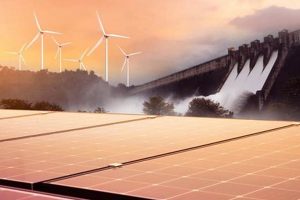
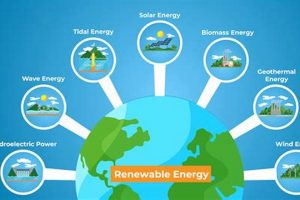
The proposition that methods of power generation considered sustainable and ecologically sound can, in fact, engender detrimental effects on the natural world requires careful examination. Instances may arise where the construction, operation, or disposal of technologies designed to harness naturally replenishing resources inadvertently contribute to habitat disruption, pollution, or resource depletion. For example, large-scale hydroelectric projects can alter river ecosystems, impacting aquatic life and surrounding landscapes. Similarly, the mining of rare earth minerals necessary for manufacturing solar panels and wind turbines can lead to environmental degradation and toxic waste production.
Understanding the potential adverse impacts associated with renewable energy infrastructure is crucial for informed decision-making and responsible implementation of sustainable energy policies. Acknowledging these effects allows for the development and refinement of mitigation strategies, ultimately minimizing the environmental footprint of transitioning to a cleaner energy future. Historically, the rush to adopt ostensibly green technologies has sometimes overlooked the comprehensive lifecycle impacts, underscoring the necessity for thorough environmental impact assessments and continuous monitoring.
The subsequent discussion will delve into specific examples of environmental concerns arising from different renewable energy technologies, including but not limited to, wind power, solar energy, hydropower, and biomass. Analysis will focus on the types of harm, the contributing factors, and potential solutions for minimizing these unintended consequences, ensuring a balanced and sustainable approach to energy production.
Mitigating Environmental Harm from Renewable Energy Sources
Addressing the potential negative consequences associated with renewable energy technologies necessitates a proactive and informed approach. Careful planning, rigorous assessment, and continuous monitoring are essential to minimize environmental damage and maximize the sustainability benefits of these resources.
Tip 1: Conduct Comprehensive Environmental Impact Assessments: Prior to project implementation, a thorough assessment of potential environmental impacts is crucial. This should encompass habitat disruption, water resource alteration, noise pollution, and any potential effects on local biodiversity. The assessment should inform project design and mitigation strategies.
Tip 2: Optimize Project Siting: Strategic site selection can minimize negative impacts. Avoid locating renewable energy facilities in sensitive ecological areas, migratory bird pathways, or regions of high biodiversity. Prioritize brownfield sites or areas already impacted by human activity.
Tip 3: Implement Effective Mitigation Measures: Develop and implement robust mitigation strategies to address identified environmental risks. These measures may include habitat restoration, noise reduction technologies, bird and bat deterrent systems, and responsible waste management practices.
Tip 4: Employ Sustainable Material Sourcing: The manufacturing of renewable energy technologies often requires rare earth minerals and other resources. Prioritize sustainable sourcing practices that minimize environmental damage and promote responsible mining operations. Consider the full lifecycle impact of materials used.
Tip 5: Promote Technological Innovation: Invest in research and development of more environmentally benign renewable energy technologies. This includes exploring alternative materials, improving energy storage solutions, and developing more efficient generation processes.
Tip 6: Establish Robust Monitoring Programs: Implement ongoing monitoring programs to assess the effectiveness of mitigation measures and identify any unforeseen environmental impacts. Data collected should inform adaptive management strategies and guide future project development.
Tip 7: Engage Stakeholders: Involve local communities, environmental organizations, and other stakeholders in the planning and decision-making processes. This promotes transparency, fosters trust, and ensures that local concerns are adequately addressed.
By diligently applying these principles, the environmental footprint of renewable energy sources can be substantially reduced, ensuring a more sustainable and ecologically sound energy future.
The subsequent section will explore specific case studies demonstrating successful mitigation strategies and highlighting best practices in renewable energy development.
1. Habitat Disruption

Habitat disruption represents a significant concern when evaluating the environmental impact of renewable energy sources. While these sources offer a pathway towards decarbonization, the development and operation of associated infrastructure can lead to the fragmentation, degradation, or outright destruction of natural habitats, impacting biodiversity and ecosystem services.
- Construction Phase Impacts
The initial construction phase of renewable energy projects, such as wind farms or solar arrays, often necessitates clearing land, constructing access roads, and establishing transmission lines. This activity directly removes or alters habitats, displacing wildlife and potentially fragmenting larger ecosystems. The extent of the impact is highly dependent on the project scale, location, and the sensitivity of the affected environment.
- Operational Disturbances
Even after construction, the ongoing operation of renewable energy facilities can cause persistent disturbances to wildlife. Wind turbines, for instance, pose a collision risk to birds and bats, particularly migratory species. Solar farms can create “ecological traps” where reflected light attracts insects, subsequently drawing in insectivorous birds that are then exposed to increased predation risk or other hazards.
- Hydrological Alterations
Hydropower projects, by their very nature, fundamentally alter river ecosystems. The construction of dams disrupts natural flow regimes, fragmenting aquatic habitats and impeding the movement of fish and other aquatic organisms. Changes in water temperature, oxygen levels, and sediment transport can further degrade downstream habitats.
- Indirect Effects and Edge Effects
Beyond direct habitat loss, renewable energy development can trigger indirect ecological effects. The creation of habitat edges along project boundaries can increase exposure to invasive species, alter microclimates, and affect species interactions. These edge effects can extend beyond the immediate project footprint, impacting a wider surrounding area.
The diverse pathways through which renewable energy infrastructure can disrupt habitats underscore the importance of careful planning, strategic siting, and the implementation of effective mitigation measures. While the transition to renewable energy is essential for addressing climate change, it is imperative to minimize the unintended consequences for biodiversity and ecosystem integrity, ensuring a truly sustainable energy future.
2. Resource Depletion

Resource depletion constitutes a significant pathway through which renewable energy technologies can inadvertently contribute to environmental harm. While often presented as sustainable alternatives to fossil fuels, the manufacturing and deployment of renewable energy systems necessitate the extraction and processing of various materials, leading to the potential depletion of finite resources and associated environmental consequences. This encompasses the extraction of rare earth elements for solar panels and wind turbines, as well as the consumption of materials like concrete and steel for infrastructure development.
The demand for specific materials required for renewable energy components can exert pressure on global supply chains, potentially leading to unsustainable mining practices, habitat destruction at extraction sites, and geopolitical challenges. For instance, the production of neodymium, a crucial component in wind turbine magnets, can result in significant environmental damage due to mining activities and the generation of toxic waste. Similarly, the manufacturing of solar panels requires substantial quantities of silicon, the extraction and processing of which can be energy-intensive and contribute to greenhouse gas emissions. The extraction and processing of lithium and cobalt for batteries related to renewable energy also leads to water pollution and habitat destruction. Careful assessment of the lifecycle resource requirements is crucial for mitigating these unintended impacts. A full material and energy footprint has to be considered.
Addressing the challenge of resource depletion within the renewable energy sector necessitates a multifaceted approach. This includes promoting material efficiency in design and manufacturing, developing closed-loop recycling systems to recover valuable materials from end-of-life components, and investing in research and development of alternative materials with lower environmental footprints. Furthermore, responsible sourcing practices and stringent environmental regulations at extraction sites are essential to minimize the negative impacts associated with resource extraction. Failing to address resource depletion effectively risks undermining the long-term sustainability of renewable energy technologies, highlighting the need for a holistic approach that considers the entire lifecycle of these systems and promotes responsible resource management.
3. Pollution Potential

While often lauded for their potential to reduce greenhouse gas emissions, renewable energy sources are not entirely free from pollution potential. This arises from various stages of their lifecycle, encompassing manufacturing, operation, and decommissioning. The creation of solar panels, for instance, involves the use of hazardous materials such as cadmium telluride and gallium arsenide. Improper handling or disposal of these materials can lead to soil and water contamination, posing risks to human health and ecosystems. Similarly, the production of wind turbine blades relies on composite materials, which are difficult to recycle and can contribute to landfill pollution upon disposal. Bioenergy facilities, if not properly managed, can release particulate matter and other air pollutants, affecting air quality. The extraction of lithium, cobalt and nickel for batteries also poses serious pollution.
The operation of some renewable energy technologies also carries pollution risks. Geothermal energy production can release hydrogen sulfide, a toxic gas, if appropriate control measures are not implemented. Hydropower dams can alter water quality, leading to increased methane emissions from reservoirs and changes in downstream ecosystems. The construction of renewable energy infrastructure, such as access roads and transmission lines, can also generate dust and sediment runoff, contributing to water pollution. Even within the renewable sector, the specific technology choice and its management significantly influence the extent of pollution potential. The improper disposal or maintenance of battery storage units, often used with solar and wind power, is also a new frontier of pollution that needs to be addressed properly. Some renewable energy production methods, such as concentrated solar power, may also have leakage.
Acknowledging the pollution potential associated with renewable energy sources is crucial for ensuring their sustainable deployment. Implementing stringent environmental regulations, promoting responsible manufacturing practices, investing in recycling technologies, and conducting thorough environmental impact assessments are essential steps. Furthermore, continuous monitoring of air and water quality around renewable energy facilities is necessary to detect and mitigate any potential pollution problems. A comprehensive approach that considers the entire lifecycle of renewable energy technologies, from resource extraction to end-of-life management, is vital for minimizing their environmental footprint and maximizing their contribution to a cleaner, healthier future.
4. Visual Impact

The visual impact of renewable energy installations contributes to the environmental harm associated with these technologies. While often perceived as clean energy solutions, the presence of large-scale wind farms, solar arrays, and hydroelectric dams can significantly alter landscapes, leading to aesthetic degradation and impacting recreational experiences. This visual intrusion can diminish property values in surrounding areas and evoke negative public sentiment towards renewable energy development, thereby hindering broader acceptance and deployment. The scale of these installations, frequently requiring expansive land areas or prominent placement on ridgelines, exacerbates the visual disruption. For example, rows of wind turbines stretching across a previously unspoiled mountain range or the reflective glare from a vast solar farm can detract from the natural beauty of a region. Large dams can also alter coastlines permanently, leading to both visual and geological harm.
Addressing visual impact necessitates careful consideration during project planning and siting. Strategic placement of renewable energy facilities, minimizing their visibility from sensitive viewpoints, can mitigate negative aesthetic consequences. Utilizing existing disturbed lands or integrating renewable energy infrastructure into the built environment can further reduce visual intrusion. Additionally, incorporating design elements that harmonize with the surrounding landscape, such as vegetation screening or color schemes that blend with the natural environment, can help soften the visual impact. In certain cases, undergrounding transmission lines or decommissioning obsolete facilities can restore the visual integrity of affected areas. Meaningful public engagement and transparent communication regarding the potential visual effects of renewable energy projects are crucial for fostering community acceptance and ensuring that aesthetic considerations are adequately addressed in the decision-making process.
In conclusion, the visual impact of renewable energy sources represents a tangible aspect of their potential environmental harm. Proactive measures aimed at minimizing visual intrusion, coupled with transparent stakeholder engagement, are essential for promoting the responsible and sustainable deployment of renewable energy technologies. A balanced approach that considers both the environmental benefits and aesthetic consequences of renewable energy projects is necessary to ensure their widespread acceptance and contribution to a cleaner energy future.
5. Lifecycle Emissions

Lifecycle emissions represent a critical facet in the evaluation of environmental harm associated with renewable energy sources. Despite their reputation as clean alternatives to fossil fuels, renewable energy technologies incur emissions throughout their entire lifecycle, encompassing manufacturing, transportation, installation, operation, maintenance, and decommissioning. These emissions, while generally lower than those associated with fossil fuels, contribute to greenhouse gas accumulation in the atmosphere and exacerbate climate change. The extraction and processing of raw materials, such as rare earth elements for wind turbines and silicon for solar panels, often involve energy-intensive processes that release greenhouse gases. Furthermore, the manufacturing of components, transportation of equipment, and construction of infrastructure contribute to the overall carbon footprint. The decommissioning and disposal of renewable energy infrastructure, such as end-of-life solar panels or wind turbine blades, also pose environmental challenges and contribute to lifecycle emissions.
The importance of accounting for lifecycle emissions lies in providing a comprehensive assessment of the environmental impact of renewable energy technologies. Focusing solely on operational emissions, which are typically low for renewable sources, can lead to an incomplete and potentially misleading picture of their overall environmental performance. For example, studies have shown that the lifecycle emissions of certain hydropower projects can be comparable to, or even exceed, those of natural gas power plants, particularly in cases where reservoirs inundate large areas of vegetation, leading to methane production. Similarly, the carbon footprint of solar panel manufacturing can vary significantly depending on the energy source used in the manufacturing process and the efficiency of the production facilities. By considering all stages of the lifecycle, a more accurate and nuanced understanding of the environmental trade-offs associated with different renewable energy technologies can be obtained, enabling informed decision-making and the development of strategies to minimize their environmental impact.
In summary, lifecycle emissions represent an essential component in assessing the environmental harm associated with renewable energy sources. While these technologies offer significant potential for reducing greenhouse gas emissions compared to fossil fuels, it is crucial to consider the emissions incurred throughout their entire lifecycle. This holistic approach enables a more accurate evaluation of their environmental performance, informs the development of mitigation strategies, and promotes the responsible deployment of renewable energy technologies to achieve a truly sustainable energy future.
6. Noise Pollution

Noise pollution, an often-overlooked aspect of environmental impact, forms a significant connection to the assertion that renewable energy sources can, in certain contexts, harm the environment. This harm manifests primarily through the operational characteristics of specific technologies, most notably wind turbines. The continuous, often low-frequency, sound emitted by these turbines can disrupt local ecosystems and negatively affect human populations residing nearby. This sound arises from the movement of the turbine blades through the air, as well as the mechanical components within the nacelle. The intensity and frequency of the noise can vary depending on turbine size, wind speed, and specific design characteristics.
The consequences of noise pollution extend beyond mere annoyance. In animal populations, it can interfere with communication, foraging behavior, and reproductive success. For humans, prolonged exposure to wind turbine noise has been linked to sleep disturbances, stress, and, in some cases, cardiovascular problems. The subjective perception of the noise is also influenced by factors such as landscape topography and the presence of other ambient sounds. For example, communities located in valleys or near bodies of water may experience amplified noise levels due to sound reflection. Regulatory bodies and project developers face the challenge of accurately predicting and mitigating noise impacts during the planning and operation of wind farms. Noise mitigation strategies can include optimizing turbine placement, implementing noise reduction technologies, and establishing setback distances from residential areas.
Ultimately, addressing noise pollution is crucial for ensuring the sustainable deployment of wind energy and maintaining public acceptance. A balanced approach that considers both the benefits of renewable energy and the potential for negative environmental and health impacts is essential. Failure to adequately address noise concerns can lead to community opposition, project delays, and erosion of public trust in renewable energy technologies. Continued research and development of quieter turbine designs, coupled with effective noise monitoring and mitigation strategies, are necessary to minimize the environmental harm associated with noise pollution from renewable energy sources.
7. Ecosystem Alteration

Ecosystem alteration, a significant consequence of human activity, is directly relevant to the assertion that renewable energy sources can, at times, contribute to environmental harm. While often presented as environmentally benign, the construction and operation of renewable energy facilities can induce substantial changes in ecological systems, affecting biodiversity, nutrient cycling, and overall ecosystem function.
- Hydrological Regime Modification
Hydropower projects, inherently reliant on impounding water, drastically alter natural river flow regimes. Dam construction disrupts downstream sediment transport, leading to erosion and altered channel morphology. Reservoirs inundate terrestrial habitats, converting them to aquatic environments, and changing water temperature and oxygen levels. These modifications impact aquatic species adapted to specific flow conditions and disrupt the connectivity of river ecosystems. For example, the construction of large dams on the Columbia River has severely impacted salmon populations, disrupting their migration patterns and spawning grounds.
- Habitat Fragmentation and Loss
The development of wind farms and solar arrays often involves clearing vegetation and constructing access roads, resulting in habitat fragmentation and loss. This fragmentation isolates populations, reduces genetic diversity, and increases the vulnerability of species to local extinction. The construction of transmission lines to connect renewable energy facilities to the grid further exacerbates habitat fragmentation. Large-scale solar installations in desert ecosystems, for instance, can displace desert tortoises and other specialized species dependent on undisturbed habitat.
- Impacts on Wildlife Populations
Renewable energy facilities can directly impact wildlife populations through collisions, displacement, and habitat degradation. Wind turbines pose a collision risk to birds and bats, particularly migratory species. Solar farms can create “ecological traps” where reflected light attracts insects, drawing in insectivorous birds that are then exposed to increased predation risk or other hazards. The operation of geothermal power plants can release toxic gases that affect local fauna. Hydroelectric dams can also lead to the flooding of habitat and migration blockage of fish. These impacts can lead to population declines, altered species distributions, and disruptions in food web dynamics.
- Changes in Soil Properties and Nutrient Cycling
Construction activities associated with renewable energy development can disrupt soil structure, alter soil nutrient cycling, and increase soil erosion. Soil compaction from heavy machinery can reduce water infiltration and impede plant growth. The removal of vegetation can expose soils to increased wind and water erosion, leading to sediment runoff and water pollution. Changes in soil properties can affect plant communities and alter the composition of terrestrial ecosystems. For example, the construction of access roads for wind farms can lead to soil erosion and the spread of invasive plant species.
These multifaceted alterations underscore the potential for renewable energy projects to induce significant ecosystem-level changes. While the transition to renewable energy is crucial for mitigating climate change, careful planning, strategic siting, and the implementation of effective mitigation measures are essential to minimize the unintended consequences for biodiversity and ecosystem integrity, ensuring a truly sustainable energy future. For example, choosing solar and wind facility locations in existing disturbed areas, instead of pristine habitats, would decrease the impact on native ecosystem.
Frequently Asked Questions
This section addresses common questions regarding the potential negative environmental impacts associated with renewable energy technologies.
Question 1: Are renewable energy sources truly environmentally benign?
While generally cleaner than fossil fuels, renewable energy sources are not entirely without environmental impact. Construction, material sourcing, and waste disposal can contribute to ecological harm.
Question 2: What specific environmental harms are associated with wind energy?
Wind energy can lead to bird and bat mortality, noise pollution affecting nearby communities, and aesthetic impacts on landscapes. Habitat disruption during construction is also a concern.
Question 3: Do solar energy systems pose any environmental risks?
Solar energy systems require significant land use, potentially displacing habitats. Manufacturing processes involve hazardous materials, and disposal of end-of-life panels presents a waste management challenge.
Question 4: How can hydropower plants harm the environment?
Hydropower dams alter river ecosystems, disrupting fish migration, sediment transport, and water quality. They can also lead to methane emissions from reservoirs.
Question 5: Is the extraction of materials for renewable energy components environmentally damaging?
The extraction of rare earth minerals and other materials for solar panels, wind turbines, and batteries can lead to habitat destruction, water pollution, and soil degradation.
Question 6: Are there strategies to mitigate the environmental impacts of renewable energy sources?
Careful planning, strategic site selection, implementation of mitigation measures, and responsible waste management practices can minimize the environmental footprint of renewable energy technologies.
Acknowledging the potential negative environmental impacts of renewable energy sources is crucial for informed decision-making and sustainable implementation.
The subsequent discussion will explore case studies of renewable energy projects and their associated environmental effects.
Renewable Energy Sources
The preceding analysis has methodically explored the various pathways through which renewable energy sources, despite their intended benefits, can contribute to environmental degradation. This encompasses habitat disruption, resource depletion, pollution potential, visual impacts, lifecycle emissions, noise pollution, and ecosystem alteration. Each of these aspects, while often overshadowed by the imperative to transition away from fossil fuels, warrants careful consideration to ensure the long-term sustainability and ecological integrity of energy systems.
Acknowledging that “renewable energy sources harm the environment” under certain circumstances is not an endorsement of inaction but rather a call for rigorous evaluation and proactive mitigation. Continued research, technological innovation, responsible policy implementation, and transparent stakeholder engagement are essential to minimize the unintended consequences of renewable energy development and foster a truly sustainable energy future. The pursuit of clean energy must be inextricably linked to a commitment to environmental protection, ensuring that the solutions of today do not become the problems of tomorrow.