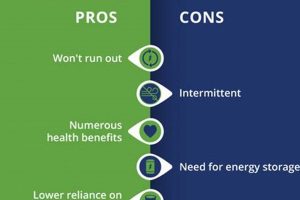
Challenges associated with harnessing power from sources like solar, wind, hydro, geothermal, and biomass energy present significant obstacles to widespread adoption. For example, the intermittency of wind and solar power requires robust energy storage solutions or backup power from traditional sources. Similarly, large-scale hydroelectric projects can have substantial environmental and social impacts.
A transition to sustainable power generation is critical for mitigating climate change and ensuring long-term energy security. Historically, reliance on fossil fuels has driven economic growth, but at considerable environmental cost. Developing sustainable alternatives offers the potential for a cleaner, more secure energy future.
The following sections will explore the specific challenges related to cost, infrastructure development, environmental impact, and policy surrounding sustainable power. Understanding these complexities is crucial for navigating the transition to a more sustainable energy landscape.
Addressing Challenges in Sustainable Power
The following tips offer guidance for navigating the complexities associated with transitioning to sustainable energy sources.
Tip 1: Invest in Research and Development: Continued investment in research and development is crucial for improving the efficiency and affordability of sustainable energy technologies. Advances in battery storage, smart grids, and energy-efficient building materials are essential for wider adoption.
Tip 2: Diversify Energy Sources: Relying on a diverse mix of sustainable energy resources can mitigate the challenges associated with intermittency. Combining solar, wind, hydro, and geothermal resources creates a more resilient and reliable energy portfolio.
Tip 3: Streamline Permitting Processes: Lengthy and complex permitting procedures can significantly delay sustainable energy projects. Streamlining these processes can accelerate deployment and reduce costs.
Tip 4: Promote Public Awareness: Educating the public about the benefits and challenges of sustainable energy is essential for building public support and fostering responsible energy consumption.
Tip 5: Foster International Collaboration: International cooperation is critical for sharing best practices, accelerating technological advancements, and coordinating policies for a global transition to sustainable energy.
Tip 6: Implement Carbon Pricing Mechanisms: Putting a price on carbon emissions can incentivize the adoption of sustainable energy by making fossil fuels less competitive.
Tip 7: Invest in Grid Modernization: Upgrading existing power grids to accommodate the influx of variable renewable energy is essential for ensuring grid stability and reliability.
By addressing these key areas, significant progress can be made in overcoming the barriers to widespread sustainable energy adoption. These efforts will contribute to a cleaner, more secure, and sustainable energy future.
The transition to sustainable energy presents significant challenges, but also unparalleled opportunities for innovation, economic growth, and environmental stewardship. By understanding and addressing these complexities, a sustainable energy future is within reach.
1. Intermittency

Intermittency, the fluctuating nature of renewable energy sources like solar and wind, presents a significant challenge to their widespread adoption. Solar power generation depends on sunlight availability, varying throughout the day and affected by weather conditions. Similarly, wind power fluctuates with wind speed, creating unpredictable energy output. This inherent variability poses grid management challenges, requiring sophisticated balancing mechanisms to ensure a stable electricity supply.
The unpredictable nature of these resources necessitates strategies to mitigate supply disruptions. For example, grid operators must forecast energy production accurately and maintain sufficient reserve capacity from dispatchable sources like natural gas or hydroelectric power. Furthermore, energy storage solutions, such as pumped hydro storage or battery systems, are essential for smoothing out fluctuations and providing power when renewable generation is low. The development of smart grids, capable of dynamically managing distributed generation and demand, also plays a crucial role in addressing intermittency challenges. Consider Germany’s experience with its Energiewende, where significant investments in renewable energy have required substantial grid upgrades and balancing measures to accommodate intermittent sources.
Understanding the implications of intermittency is crucial for effective integration of renewable energy into existing power systems. Addressing this challenge requires a multi-faceted approach involving technological advancements in energy storage and grid management, coupled with policy frameworks that incentivize flexibility and reliability. Failure to address intermittency can lead to grid instability, increased reliance on conventional power sources, and ultimately hinder the transition to a sustainable energy future. Continued research and development of forecasting technologies, advanced storage solutions, and smart grid infrastructure are essential for maximizing the potential of renewable energy while ensuring grid stability and reliability.
2. Storage limitations
Storage limitations represent a critical bottleneck in the wider adoption of renewable energy technologies. The intermittent nature of sources like solar and wind power necessitates efficient and cost-effective energy storage solutions to ensure a continuous power supply. Without adequate storage, reliance on intermittent renewables can compromise grid stability and necessitate backup power from conventional sources, undermining the environmental benefits of renewable energy. The current state of storage technology presents significant challenges in terms of capacity, cost, and lifespan. For instance, while battery storage has shown promise, issues like limited cycle life, high upfront costs, and material scarcity pose barriers to large-scale deployment. Pumped hydro storage, a mature technology, faces geographical constraints and potential environmental impacts. The lack of sufficient storage capacity hinders the ability to store excess energy generated during peak production periods for use during periods of low generation, limiting the overall effectiveness and reliability of renewable energy systems.
The connection between storage limitations and renewable energy issues is exemplified by the “duck curve” phenomenon observed in regions with high solar penetration. The duck curve illustrates the rapid drop in net electricity demand during the day as solar generation peaks, followed by a steep ramp-up in demand as the sun sets and solar production declines. This rapid change in demand puts significant strain on grid operators and requires flexible generation resources to meet the evening peak. Without sufficient storage capacity to capture excess solar energy during the day and discharge it in the evening, grid operators must rely on conventional power plants, often fueled by fossil fuels, to meet the increased demand. This underscores the importance of addressing storage limitations to maximize the benefits of renewable energy and minimize reliance on traditional generation sources. Furthermore, the absence of robust long-duration storage solutions limits the ability to integrate higher percentages of renewable energy into the grid, hindering the transition to a fully decarbonized energy system.
Overcoming storage limitations is essential for realizing the full potential of renewable energy. Advancements in battery technology, including improved energy density, cycle life, and cost reductions, are crucial. Exploring alternative storage solutions like compressed air energy storage, thermal storage, and flow batteries is equally important. Moreover, integrating smart grid technologies that optimize energy consumption and distribution can help mitigate the impact of intermittency and reduce storage requirements. Policy frameworks that incentivize storage deployment and support research and development are also essential for accelerating progress in this critical area. Addressing storage limitations is not merely a technical challenge, but a crucial step towards achieving a sustainable and reliable energy future. Continued investment and innovation in energy storage are paramount to unlocking the full potential of renewable energy and facilitating the transition to a cleaner and more resilient energy system.
3. Transmission Infrastructure

Existing transmission infrastructure, designed primarily for centralized power generation from fossil fuel plants, often presents a significant bottleneck to the efficient integration of renewable energy resources. Renewable energy sources, frequently located in remote areas with abundant wind or solar resources, require substantial upgrades and expansions to the existing grid to transport electricity to population centers. This mismatch between generation location and consumption points necessitates significant investment in new transmission lines and grid modernization efforts, posing a key challenge for the widespread adoption of renewable energy.
- Long-Distance Transmission:
Renewable energy resources like large-scale solar farms and wind farms are often situated far from major urban centers where electricity demand is highest. This necessitates long-distance transmission lines to transport the generated power, which can be costly and complex to construct. For example, offshore wind farms require specialized undersea cables to connect them to the onshore grid. These long-distance transmission projects often face regulatory hurdles, permitting delays, and public opposition, adding to the complexity and cost of integrating renewable energy.
- Grid Congestion:
The influx of renewable energy from geographically dispersed sources can strain existing transmission lines and create grid congestion. When transmission capacity is insufficient to accommodate the increased power flow, it can lead to curtailment, where renewable energy generation is reduced or even shut down due to grid limitations. This not only reduces the effectiveness of renewable energy investments but also represents a lost opportunity for clean energy generation. Grid congestion issues highlight the need for strategic grid upgrades and expansion to accommodate the increasing penetration of renewable energy resources.
- Grid Stability and Reliability:
The intermittent nature of renewable energy sources poses challenges to grid stability and reliability. Fluctuations in solar and wind power output require sophisticated grid management systems to balance supply and demand in real-time. Modernizing the grid with advanced technologies like smart grids, which can dynamically adjust power flow and integrate distributed generation sources, is crucial for maintaining grid stability and ensuring a reliable electricity supply as renewable energy penetration increases. For example, frequency regulation services are essential for compensating for the variability of renewable generation and maintaining a stable grid frequency.
- Interconnection Challenges:
Connecting new renewable energy projects to the existing transmission grid can be a complex and time-consuming process. Interconnection studies are required to assess the impact of new generation on grid stability and reliability, and upgrades to existing substations and transmission lines may be necessary. These interconnection processes can involve lengthy regulatory reviews and permitting procedures, which can delay project deployment and increase costs. Streamlining interconnection procedures is essential for facilitating the efficient integration of renewable energy resources.
Addressing these transmission infrastructure challenges is essential for realizing the full potential of renewable energy. Investments in grid modernization, including smart grid technologies, advanced control systems, and expanded transmission capacity, are crucial for facilitating the efficient and reliable integration of renewable resources. Furthermore, policy frameworks that streamline permitting processes, incentivize grid investments, and promote regional cooperation on transmission planning are necessary to overcome these barriers and enable a successful transition to a sustainable energy future. Without adequate investment and planning in transmission infrastructure, the growth of renewable energy will be constrained, hindering the achievement of climate goals and the transition to a clean energy economy.
4. Environmental Impact
While renewable energy technologies offer a pathway to decarbonizing the energy sector and mitigating climate change, they are not without environmental impacts. A comprehensive understanding of these impacts is crucial for responsible development and deployment of renewable energy projects. Careful consideration of lifecycle assessments, potential ecological disruptions, and resource consumption is essential for minimizing negative consequences and maximizing the environmental benefits of renewable energy transitions.
- Manufacturing and Material Extraction:
The manufacturing of renewable energy technologies, such as solar panels, wind turbines, and batteries, requires the extraction and processing of raw materials like silicon, rare earth elements, and lithium. These processes can have significant environmental footprints, including habitat destruction, water pollution, and greenhouse gas emissions. For example, mining for rare earth elements, essential components of wind turbine generators, can generate acidic wastewater and radioactive tailings. Evaluating and minimizing the environmental impacts of material extraction and manufacturing processes is crucial for ensuring the sustainability of renewable energy technologies.
- Land Use and Habitat Alteration:
Large-scale renewable energy projects, such as solar and wind farms, can require significant land areas, potentially leading to habitat loss and fragmentation. For instance, the construction of large solar farms in desert ecosystems can disrupt sensitive desert habitats and displace native wildlife. Similarly, wind farms can pose risks to birds and bats through collisions with turbine blades. Careful siting of renewable energy projects, considering ecological sensitivity and minimizing habitat disruption, is essential for mitigating these impacts.
- Water Consumption and Quality:
Certain renewable energy technologies, such as concentrated solar power and hydropower, can have significant water requirements. Concentrated solar power plants use water for cooling, while hydropower dams can alter river flows and impact aquatic ecosystems. In water-stressed regions, the water demands of these technologies can exacerbate existing water scarcity issues. Assessing water availability and potential impacts on water quality is crucial for responsible deployment of these technologies.
- Waste Management and Recycling:
As renewable energy technologies reach the end of their operational lifespan, proper waste management and recycling practices are essential to minimize environmental impacts. For example, decommissioned solar panels contain hazardous materials that require careful handling and disposal. Developing robust recycling infrastructure and strategies for end-of-life management is crucial for reducing the environmental footprint of renewable energy technologies.
Successfully transitioning to a renewable energy future requires a nuanced approach that considers both the benefits and potential environmental impacts of these technologies. Minimizing environmental disruption through careful planning, technological advancements, and responsible resource management is essential for ensuring the long-term sustainability of renewable energy solutions. Lifecycle assessments, environmental impact studies, and ongoing monitoring are crucial tools for evaluating and mitigating the environmental footprint of renewable energy projects and ensuring a truly sustainable energy transition. By addressing these challenges proactively, renewable energy can play a pivotal role in mitigating climate change and creating a more sustainable future.
5. Economic factors
Economic factors play a crucial role in the development and deployment of renewable energy technologies, significantly influencing the transition to a sustainable energy future. The interplay of costs, incentives, investment decisions, and market dynamics shapes the pace and scale of renewable energy adoption. Understanding these economic considerations is essential for policymakers, investors, and businesses navigating the complex landscape of renewable energy transitions.
Upfront costs of renewable energy technologies, such as solar photovoltaic systems and wind turbines, have historically been higher compared to conventional fossil fuel-based power plants. However, technological advancements and economies of scale have led to significant cost reductions in recent years, making renewable energy increasingly competitive with traditional energy sources. Government policies, such as tax credits, subsidies, and feed-in tariffs, play a vital role in incentivizing renewable energy investments and accelerating their deployment. For example, the Investment Tax Credit in the United States has been instrumental in driving growth in the solar industry. Furthermore, the declining costs of renewable energy technologies, coupled with rising fossil fuel prices and concerns about carbon emissions, have made renewable energy an increasingly attractive investment opportunity for both public and private sectors. The availability of financing and access to capital are crucial factors influencing the scale and speed of renewable energy project development.
The economic implications of transitioning to renewable energy extend beyond the direct costs of technology deployment. Renewable energy creates new economic opportunities, including jobs in manufacturing, installation, maintenance, and research and development. For example, the growth of the wind energy industry has generated thousands of jobs in manufacturing, construction, and operations. Furthermore, shifting to renewable energy can reduce reliance on imported fossil fuels, enhancing energy security and boosting domestic economies. The transition to renewable energy also presents challenges, such as the need for grid modernization and the intermittency of some renewable resources. Addressing these challenges requires further investment in research and development, grid infrastructure, and energy storage solutions. Ultimately, a comprehensive understanding of the economic factors influencing renewable energy is essential for developing effective policies and strategies to accelerate the transition to a sustainable energy future. The economic viability of renewable energy is crucial for its long-term success and its ability to contribute to a cleaner, more secure, and sustainable energy system.
6. Land use conflicts

Land use conflicts represent a significant challenge in the development and deployment of renewable energy projects. The increasing demand for land to accommodate large-scale renewable energy installations, such as solar and wind farms, often clashes with existing land uses, creating tension between competing interests. Understanding the complexities of these land use conflicts is crucial for navigating the transition to a sustainable energy future while minimizing negative social and environmental consequences.
Renewable energy projects, particularly utility-scale solar and wind farms, require substantial land areas. This land demand can conflict with existing agricultural activities, displacing farmers and impacting food production. For example, converting prime farmland to solar farms can raise concerns about food security and the economic viability of agricultural communities. Similarly, siting wind turbines in areas crucial for wildlife habitat can lead to biodiversity loss and ecosystem disruption. Offshore wind farms can conflict with fishing grounds and maritime navigation routes, impacting local economies and raising concerns among fishing communities. Furthermore, the visual impact of large-scale renewable energy installations can lead to aesthetic concerns and community opposition, particularly in scenic landscapes or areas with cultural significance. Balancing the need for renewable energy development with the protection of valuable agricultural land, ecological resources, and cultural heritage presents a complex challenge requiring careful planning and stakeholder engagement.
Addressing land use conflicts requires a multi-faceted approach. Strategic land use planning that identifies suitable locations for renewable energy development while minimizing impacts on other land uses is essential. Engaging with local communities and stakeholders early in the planning process can help address concerns, build consensus, and foster acceptance of renewable energy projects. Exploring alternative siting options, such as rooftop solar installations or integrating renewable energy into existing infrastructure, can reduce land use pressures. Furthermore, promoting co-location of renewable energy projects with compatible land uses, such as agrivoltaics, which combines solar energy generation with agricultural activities, can maximize land efficiency and minimize conflicts. Successfully navigating land use conflicts is crucial for ensuring the sustainable and equitable deployment of renewable energy technologies. By balancing the need for clean energy with the protection of valuable land resources and community interests, a more harmonious and sustainable energy future can be achieved.
7. Public Acceptance

Public acceptance plays a critical role in the successful transition to renewable energy. Widespread adoption of renewable energy technologies hinges on public support, which can be influenced by a range of factors, including perceived economic impacts, environmental concerns, aesthetic considerations, and trust in relevant institutions. Understanding and addressing public perceptions is crucial for overcoming barriers to renewable energy deployment and achieving a sustainable energy future.
- Perceived Economic Impacts:
Public perception of the economic impacts of renewable energy, including job creation, energy costs, and local economic development, can significantly influence acceptance. Positive perceptions of economic benefits can foster support, while concerns about potential job losses or increased energy prices can lead to resistance. For example, communities hosting wind farms may view them favorably if they create local jobs and generate tax revenue, while others may express concerns about potential negative impacts on property values or tourism. Effective communication and transparency regarding the economic implications of renewable energy projects are essential for building public trust and fostering acceptance.
- Environmental Concerns:
Public understanding of the environmental benefits and potential impacts of renewable energy technologies can shape acceptance. While renewable energy is generally perceived as environmentally friendly, concerns about specific impacts, such as land use changes, visual impacts, or potential effects on wildlife, can influence public opinion. For instance, while solar energy is widely viewed as a clean energy source, concerns about the land use requirements of large-scale solar farms can lead to local opposition. Addressing these concerns through environmental impact assessments, mitigation measures, and community engagement is crucial for fostering public acceptance.
- Aesthetic Considerations:
The visual impact of renewable energy installations, such as wind turbines and solar farms, can be a significant factor influencing public acceptance. Some individuals may perceive these installations as visually intrusive or disruptive to scenic landscapes, while others may find them aesthetically pleasing or symbolic of a commitment to sustainability. Visual impacts are subjective and can vary significantly depending on individual preferences and cultural context. Minimizing visual impacts through careful siting, design considerations, and landscape integration can enhance public acceptance.
- Trust in Institutions:
Public trust in government agencies, energy companies, and scientific institutions plays a vital role in shaping attitudes towards renewable energy. Transparency, effective communication, and meaningful public participation in decision-making processes can build trust and foster acceptance. Conversely, a lack of transparency or perceived conflicts of interest can erode public trust and create barriers to renewable energy deployment. Building and maintaining public trust is essential for ensuring the successful implementation of renewable energy policies and projects.
Successfully addressing public acceptance requires a comprehensive approach that considers the diverse range of factors influencing public opinion. Transparent communication, community engagement, and proactive measures to address potential concerns are crucial for building public support and facilitating the widespread adoption of renewable energy technologies. By fostering public understanding and acceptance, the transition to a sustainable energy future can be accelerated, achieving both environmental and societal benefits.
Frequently Asked Questions about Renewable Energy Challenges
This section addresses common inquiries regarding the challenges associated with transitioning to renewable energy sources.
Question 1: How does the intermittency of renewable energy sources like solar and wind affect grid reliability?
Intermittency necessitates robust energy storage solutions and grid management strategies to ensure a consistent power supply. Fluctuations in solar and wind power output require sophisticated forecasting and balancing mechanisms to maintain grid stability.
Question 2: What are the main barriers to wider adoption of energy storage technologies?
Cost, lifespan, and technological limitations are key barriers. While battery storage is promising, challenges remain regarding cycle life, material availability, and upfront expenses. Other storage technologies, like pumped hydro, face geographical constraints.
Question 3: Why is upgrading transmission infrastructure crucial for renewable energy integration?
Existing grid infrastructure often lacks the capacity and flexibility to accommodate the influx of renewable energy from geographically dispersed sources. Upgrading transmission lines and implementing smart grid technologies are essential for efficient and reliable energy delivery.
Question 4: What are the key environmental impacts associated with renewable energy technologies?
While generally considered environmentally friendly, renewable energy technologies can have impacts related to land use, manufacturing processes, and material extraction. Lifecycle assessments and careful siting are crucial for minimizing these impacts.
Question 5: How do economic factors influence the development and deployment of renewable energy?
Costs, incentives, investment decisions, and market dynamics all play a significant role. Government policies, technological advancements, and access to financing influence the pace and scale of renewable energy adoption.
Question 6: How can land use conflicts arising from renewable energy projects be addressed?
Strategic land use planning, community engagement, and exploring alternative siting options, such as rooftop solar or co-location with compatible land uses, can help minimize conflicts and promote sustainable development.
Understanding these key challenges is crucial for developing effective strategies to promote the widespread adoption of renewable energy and achieve a sustainable energy future. Addressing these issues requires a multi-faceted approach involving technological innovation, policy interventions, and community engagement.
For further information and in-depth analysis, explore the following resources…
Renewable Energy Issues
Successfully transitioning to a future powered by renewable energy sources requires careful consideration of the inherent complexities. This exploration has highlighted the multifaceted nature of these challenges, encompassing technical hurdles like intermittency and storage limitations, infrastructural needs regarding transmission upgrades, environmental impacts ranging from land use to material extraction, economic considerations of cost and investment, land use conflicts with existing activities, and the crucial role of public acceptance in ensuring successful implementation. Each of these facets presents unique obstacles that must be addressed strategically and comprehensively.
The path forward necessitates a concerted effort from policymakers, researchers, industry stakeholders, and communities. Continued investment in research and development is crucial for driving technological advancements and reducing costs. Supportive policy frameworks that incentivize renewable energy adoption and address grid modernization needs are essential. Open communication and community engagement are vital for building public trust and fostering acceptance. By acknowledging and proactively addressing these interconnected challenges, the transition to a sustainable energy future can be realized, mitigating climate change and ensuring a more secure and resilient energy landscape for generations to come.