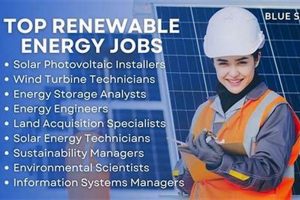
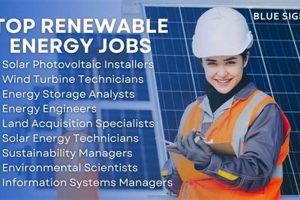
Careers focused on sustainable power sources, such as solar, wind, hydro, geothermal, and biomass energy, require specialized education. These positions encompass a range of specializations, from research and development to design, installation, and maintenance of these systems. For instance, a wind turbine technician requires a different skill set than a solar panel engineer, yet both contribute to the same overarching goal of sustainable energy production.
Employment in this sector offers opportunities to contribute to environmental sustainability and combat climate change. The increasing global demand for clean energy has led to significant growth in this job market, presenting promising career prospects. Historically, traditional fossil fuels dominated the energy landscape. However, growing environmental awareness and technological advancements have shifted the focus toward sustainable alternatives, driving demand for skilled professionals in the renewable energy sector.
This article will explore various career paths within the renewable energy industry, highlighting required skills, educational backgrounds, and potential future developments.
Tips for Pursuing Careers in Sustainable Energy
Strategic career planning is essential for success in the competitive and evolving renewable energy job market. The following tips offer guidance for individuals interested in pursuing such careers.
Tip 1: Research Specific Career Paths: The renewable energy sector encompasses diverse roles. Thorough research into specific areas of interest, such as solar energy, wind power, or bioenergy, will help focus educational and professional development efforts.
Tip 2: Develop Relevant Skills: Employers seek candidates with both technical and soft skills. Technical skills vary depending on the chosen career path, ranging from engineering and data analysis to project management. Strong communication, teamwork, and problem-solving abilities are also crucial.
Tip 3: Network with Industry Professionals: Attending industry conferences, joining professional organizations, and connecting with professionals through online platforms can provide valuable insights and potential job opportunities.
Tip 4: Gain Practical Experience: Internships, co-op programs, and volunteer work offer hands-on experience and enhance marketability to potential employers. These experiences also allow individuals to explore different roles and refine career goals.
Tip 5: Stay Updated on Industry Trends: The renewable energy sector is constantly evolving. Staying informed about technological advancements, policy changes, and market trends through industry publications and professional development courses is vital for career advancement.
Tip 6: Consider Certifications: Relevant certifications can demonstrate expertise in specialized areas, increasing competitiveness in the job market. Research industry-recognized certifications aligned with chosen career paths.
Tip 7: Tailor Your Resume and Cover Letter: Highlight relevant skills, experience, and educational qualifications tailored to specific job requirements. Quantify achievements whenever possible to demonstrate impact.
By following these tips, individuals can effectively navigate the renewable energy job market and position themselves for successful and fulfilling careers in this growing sector.
These preparatory steps are crucial for securing a rewarding career contributing to a sustainable future. The following section will delve into specific career options within the renewable energy sector.
1. Sustainable Development

Sustainable development, a core principle guiding global efforts toward a more environmentally and socially responsible future, is inextricably linked to careers stemming from renewable energy degrees. This connection arises from the fundamental role renewable energy plays in achieving sustainable development goals. Transitioning from fossil fuel dependence to renewable energy sources reduces greenhouse gas emissions, mitigating climate change, a critical aspect of environmental sustainability. Furthermore, renewable energy projects often stimulate local economies, creating jobs and fostering community development, aligning with the social and economic dimensions of sustainability. For example, the construction of a wind farm not only generates clean energy but also provides employment opportunities for local communities, boosting economic growth while minimizing environmental impact. The development of solar power infrastructure in rural areas can improve access to electricity, enhancing quality of life and supporting economic activities. These examples illustrate the practical significance of understanding the link between sustainable development and renewable energy careers.
Renewable energy degrees equip professionals with the knowledge and skills to design, implement, and manage these sustainable energy solutions. Graduates contribute directly to sustainable development by developing innovative technologies, optimizing energy efficiency, and promoting sustainable practices within the energy sector. The growing demand for expertise in areas like solar energy, wind power, and energy storage reflects the increasing global commitment to sustainable development. This demand translates into diverse career opportunities for graduates with renewable energy degrees, ranging from engineering and research roles to policy and advocacy positions. As nations strive to meet their sustainability targets, the need for skilled professionals in the renewable energy field will continue to rise, further strengthening the connection between sustainable development and these careers.
In conclusion, the pursuit of sustainable development serves as a primary driver for the growth and importance of renewable energy degree jobs. These careers represent a crucial pathway towards a future powered by clean, sustainable energy sources, addressing both environmental and socioeconomic challenges. While technical expertise remains essential, a deep understanding of sustainable development principles provides a broader context and purpose for professionals in this field, enabling them to contribute meaningfully to a more sustainable world. The increasing global focus on sustainability ensures that the demand for professionals with renewable energy degrees will remain a key component of a future focused on environmental responsibility and social equity.
2. Technical Expertise

Technical expertise forms the cornerstone of successful careers born from renewable energy degrees. This expertise encompasses a wide range of skills, depending on the specific career path. For example, a wind turbine technician requires a deep understanding of mechanical and electrical systems, including maintenance procedures and safety protocols. A solar panel engineer, conversely, needs specialized knowledge of photovoltaic technology, energy conversion, and system design. These distinct skill sets highlight the diverse technical competencies required within the renewable energy sector. The causal link between technical expertise and job success stems from the complex and rapidly evolving nature of renewable energy technologies. As these technologies advance, professionals must adapt and acquire new skills to remain competitive. The practical significance of this understanding is evident in the growing demand for specialized training and certification programs within the industry.
Furthermore, technical expertise extends beyond core engineering principles to encompass areas such as data analysis and software proficiency. The increasing reliance on smart grids and sophisticated monitoring systems requires professionals to analyze large datasets, interpret performance metrics, and optimize energy output. This data-driven approach to renewable energy management necessitates proficiency in programming languages, statistical modeling, and data visualization tools. For instance, optimizing the performance of a solar power plant involves analyzing weather patterns, energy consumption data, and system performance metrics to maximize energy generation and minimize downtime. This example demonstrates the practical application of technical expertise in a real-world context. The ability to leverage data and software tools to improve efficiency and reliability is becoming increasingly crucial for professionals in the renewable energy field.
In summary, technical expertise is not a monolithic entity but a multifaceted requirement encompassing a range of specialized skills. From hands-on technical roles like turbine maintenance to data-driven positions involving performance optimization, the demand for technical proficiency continues to grow. Addressing the challenges of a rapidly evolving technological landscape requires continuous learning and adaptation. This commitment to developing and maintaining technical expertise is paramount for professionals seeking fulfilling and impactful careers in the dynamic and vital field of renewable energy.
3. Project Management
Project management plays a crucial role in renewable energy degree jobs, ensuring the successful planning, execution, and completion of complex projects. Renewable energy projects, such as wind farm installations or solar power plant developments, involve numerous stakeholders, intricate technical requirements, and significant financial investments. Effective project management provides the organizational framework necessary to navigate these complexities. The causal link between proficient project management and successful project outcomes is clear: well-defined scopes, realistic timelines, and effective resource allocation minimize risks, control costs, and maximize the likelihood of achieving project objectives. For instance, a delayed wind farm construction due to poor project planning can lead to cost overruns and missed energy production targets. Conversely, a well-managed solar power plant installation, completed on time and within budget, contributes directly to sustainable energy generation and return on investment.
Furthermore, the practical significance of project management expertise within the renewable energy sector extends beyond individual project success. The ability to manage complex projects effectively contributes to the overall growth and development of the renewable energy industry. Successfully completed projects serve as valuable case studies, demonstrating the feasibility and profitability of renewable energy investments. This, in turn, attracts further investment and accelerates the transition towards a sustainable energy future. For example, the successful implementation of a large-scale solar project can inspire further investment in similar projects, driving innovation and creating a positive feedback loop for the industry. Moreover, effective project management helps build public confidence in renewable energy technologies, fostering wider adoption and supporting policy initiatives aimed at promoting sustainable energy solutions. The practical implications of this understanding are evident in the growing demand for project managers with specialized knowledge of renewable energy technologies and regulatory frameworks.
In conclusion, project management constitutes an essential component of renewable energy degree jobs. It provides the necessary structure and organization to manage complex projects effectively, ensuring their successful completion within budget and timeline constraints. Beyond individual project success, proficient project management contributes to the overall advancement of the renewable energy industry, attracting investment, fostering public confidence, and driving the transition towards a more sustainable energy future. The increasing complexity and scale of renewable energy projects necessitate a continued emphasis on developing and refining project management skills within this dynamic and vital sector. This underscores the importance of project management as a core competency for professionals seeking impactful careers in renewable energy.
4. Data Analysis

Data analysis is integral to optimizing renewable energy systems and driving innovation within the sector. Professionals with renewable energy degrees increasingly utilize data analysis techniques to improve system performance, predict energy generation, and inform strategic decision-making. This reliance on data arises from the complex interplay of factors influencing renewable energy generation, including weather patterns, energy consumption trends, and equipment performance.
- Performance Optimization
Data analysis enables engineers to fine-tune renewable energy systems for maximum efficiency. By analyzing data from sensors, weather stations, and grid connections, professionals can identify performance bottlenecks and implement corrective measures. For instance, analyzing wind turbine data can reveal subtle variations in blade angle or rotor speed that impact energy output. Adjustments based on this data can significantly improve overall efficiency.
- Predictive Modeling
Predicting energy generation is crucial for grid stability and resource planning. Data analysis techniques, such as machine learning, allow professionals to develop predictive models that forecast energy output based on historical data and weather forecasts. Accurate predictions facilitate efficient energy dispatch, reduce reliance on backup power sources, and optimize energy storage strategies. This predictive capability is essential for integrating variable renewable energy sources into existing power grids.
- Resource Assessment
Evaluating the potential of renewable energy resources requires comprehensive data analysis. Factors such as wind speed, solar irradiance, and hydrological data inform site selection and system design decisions. Analyzing these data sets helps determine the optimal location and configuration for renewable energy projects, maximizing energy yield and minimizing environmental impact. This careful resource assessment is fundamental to the success of renewable energy initiatives.
- Policy and Investment Decisions
Data analysis provides evidence-based insights to inform policy decisions and investment strategies within the renewable energy sector. Analyzing energy consumption trends, cost data, and environmental impact assessments helps policymakers develop effective regulations and incentives. Similarly, investors rely on data-driven analyses to evaluate the financial viability of renewable energy projects and make informed investment decisions. This data-driven approach ensures that policy and investment choices are aligned with sustainability goals and economic realities.
These facets of data analysis highlight its growing importance within the renewable energy sector. As renewable energy technologies continue to advance and data availability expands, the ability to effectively collect, analyze, and interpret data will become increasingly critical for professionals in this field. This data-driven approach is not only essential for optimizing system performance and resource management but also for shaping policy decisions and investment strategies that drive the transition towards a sustainable energy future. Consequently, data analysis skills are becoming a core competency for individuals pursuing careers in renewable energy, complementing traditional engineering and scientific expertise with the ability to extract meaningful insights from complex datasets and translate them into actionable strategies.
5. Policy Advocacy

Policy advocacy plays a vital role in shaping the landscape of renewable energy, directly impacting the growth and development of careers related to renewable energy degrees. Effective policies are essential for creating a supportive environment for renewable energy technologies, driving investment, and fostering market growth. Advocacy efforts translate research findings, technological advancements, and economic analyses into actionable policy recommendations, influencing decision-making at local, national, and international levels. This connection between policy advocacy and renewable energy careers underscores the importance of understanding the policy landscape for professionals in this field.
- Promoting Supportive Legislation
Advocates work to advance legislation that incentivizes renewable energy development, such as tax credits, feed-in tariffs, and renewable portfolio standards. These policies create favorable market conditions, attracting investment and driving the deployment of renewable energy technologies. For example, advocating for a national renewable portfolio standard requiring a certain percentage of electricity generation from renewable sources can create significant market demand for solar and wind power, directly impacting job creation in these sectors.
- Streamlining Permitting Processes
Navigating complex permitting processes can be a significant barrier to renewable energy projects. Policy advocates work to streamline these processes, reducing bureaucratic hurdles and accelerating project timelines. For instance, advocating for simplified permitting procedures for rooftop solar installations can reduce the time and cost associated with project development, stimulating market growth and creating jobs in manufacturing, installation, and maintenance.
- Advocating for Research and Development Funding
Continued innovation in renewable energy technologies is crucial for achieving long-term sustainability goals. Policy advocates play a key role in securing funding for research and development, supporting the advancement of next-generation technologies such as energy storage solutions, smart grids, and advanced materials for solar cells. Increased investment in research and development translates into new career opportunities for scientists, engineers, and technicians, driving innovation and economic growth within the renewable energy sector.
- Raising Public Awareness
Public support for renewable energy is essential for driving policy change and market adoption. Advocates engage in public education campaigns, highlighting the benefits of renewable energy, addressing concerns, and building consensus for policy action. For example, organizing community workshops on the benefits of solar energy can increase public support for local solar initiatives, creating a favorable environment for policy changes that promote solar development. This public engagement fosters a broader understanding of the importance of renewable energy, creating a supportive environment for policy advancements.
These facets of policy advocacy demonstrate its significant influence on the renewable energy landscape. Professionals with renewable energy degrees can leverage their expertise to engage in policy advocacy, contributing to the creation of a supportive policy environment that fosters innovation, drives market growth, and ultimately accelerates the transition to a sustainable energy future. By understanding the intricacies of policy development and engaging in effective advocacy efforts, professionals in this field can maximize their impact, shaping the future of the renewable energy industry and contributing to a more sustainable world. This connection between policy advocacy and renewable energy careers highlights the importance of developing not only technical expertise but also policy analysis and communication skills for individuals seeking to make a significant contribution to the renewable energy transition.
6. Environmental Protection
Environmental protection forms the fundamental basis for the increasing demand and relevance of renewable energy degree jobs. The inherent connection between these two fields arises from the urgent need to mitigate the environmental impact of traditional energy sources and transition towards a sustainable energy future. Renewable energy technologies offer a viable pathway to reduce greenhouse gas emissions, combat climate change, and protect ecosystems from the detrimental effects of fossil fuel extraction and combustion. This underlying environmental imperative drives the growth of the renewable energy sector and creates diverse career opportunities for individuals passionate about environmental stewardship.
- Mitigation of Climate Change
Renewable energy sources, such as solar, wind, and hydro, produce electricity without emitting greenhouse gases, the primary drivers of climate change. Jobs focused on developing, implementing, and maintaining these technologies directly contribute to mitigating climate change by reducing reliance on fossil fuels. For example, a solar panel installer contributes to reducing carbon emissions by enabling households and businesses to generate clean electricity. The cumulative effect of these individual contributions, driven by professionals in the renewable energy sector, significantly impacts global efforts to combat climate change.
- Conservation of Natural Resources
Renewable energy technologies lessen dependence on finite natural resources like coal, oil, and natural gas. This reduced reliance conserves these resources for future generations and minimizes the environmental damage associated with their extraction. For instance, a geothermal energy engineer contributes to resource conservation by harnessing the Earth’s internal heat, a sustainable and readily available energy source. This shift towards renewable energy sources promotes responsible resource management and minimizes the ecological footprint of energy production.
- Protection of Ecosystems and Biodiversity
Fossil fuel extraction and combustion have devastating impacts on ecosystems, including habitat destruction, water pollution, and air contamination. Renewable energy offers a cleaner alternative, minimizing these harmful effects and protecting biodiversity. A wildlife biologist working on a wind farm project, for example, contributes to ecosystem protection by ensuring that the project minimizes its impact on local wildlife populations. This integration of environmental considerations into renewable energy development is crucial for preserving ecological balance.
- Improvement of Air and Water Quality
Air and water pollution from fossil fuel power plants pose significant threats to human health and the environment. Renewable energy technologies drastically reduce these pollutants, improving air and water quality and contributing to public health. An environmental consultant specializing in renewable energy projects, for instance, plays a crucial role in assessing and minimizing the environmental impact of these projects, ensuring compliance with environmental regulations and protecting public health. This focus on environmental responsibility within the renewable energy sector contributes to creating healthier and more sustainable communities.
These facets demonstrate the intrinsic link between environmental protection and renewable energy degree jobs. Professionals in this field are not merely developing and implementing technologies; they are actively contributing to a healthier planet. The growing urgency of environmental challenges translates into increased demand for skilled professionals in the renewable energy sector, making these careers not only environmentally significant but also increasingly promising for individuals passionate about creating a sustainable future. As global efforts to protect the environment intensify, the connection between environmental protection and renewable energy careers will only strengthen, solidifying the importance of these roles in building a more sustainable and resilient world. This reinforces the crucial role renewable energy degree jobs play in addressing pressing environmental challenges and shaping a future where economic development and environmental stewardship go hand in hand.
Frequently Asked Questions
This section addresses common inquiries regarding careers related to renewable energy degrees, providing concise and informative responses.
Question 1: What types of jobs are available with a renewable energy degree?
Renewable energy degrees open doors to diverse career paths, including roles in engineering (solar, wind, geothermal), project management, data analysis, policy advocacy, research and development, sales and marketing, and environmental consulting. Specific job titles may include solar panel engineer, wind turbine technician, energy storage specialist, sustainability consultant, or renewable energy policy analyst.
Question 2: What educational background is required for renewable energy jobs?
Educational requirements vary depending on the specific role. Many positions require at least a bachelor’s degree in a relevant field such as engineering, environmental science, or sustainable development. Advanced degrees, such as a master’s or doctorate, may be necessary for specialized research or academic positions.
Question 3: Are renewable energy jobs in demand?
The renewable energy sector is experiencing significant growth globally, leading to increased demand for skilled professionals. As nations transition towards sustainable energy sources, employment opportunities in this field are projected to continue expanding.
Question 4: What are the typical salary expectations in this field?
Salaries in the renewable energy sector vary based on factors such as job title, experience, location, and employer. However, many positions offer competitive salaries commensurate with the required skills and education. Specific salary information can be found through industry-specific salary surveys and job boards.
Question 5: What are the key skills needed for success in renewable energy careers?
Essential skills include technical proficiency in relevant areas (e.g., engineering, data analysis), strong problem-solving abilities, effective communication and teamwork skills, project management experience, and a deep understanding of sustainable development principles. Specific technical skills may vary depending on the chosen career path.
Question 6: How can one gain practical experience in the renewable energy sector?
Gaining practical experience is highly beneficial for career advancement. Internships, co-op programs, volunteer work with environmental organizations, and research projects offer opportunities to develop practical skills and build a professional network. Participating in student competitions or hackathons focused on renewable energy can also provide valuable experience.
These responses offer a general overview. Further research into specific career paths within renewable energy is recommended for individuals considering this dynamic and impactful field.
The following section will explore emerging trends and future prospects within the renewable energy job market.
Conclusion
Positions requiring renewable energy degrees represent a critical component of global efforts toward sustainability. This exploration has highlighted the diverse career paths available, from technical roles in engineering and project management to those focused on policy, data analysis, and environmental protection. The increasing demand for skilled professionals in this field reflects the growing importance of renewable energy in mitigating climate change, conserving natural resources, and fostering economic growth. The multifaceted nature of these careers necessitates a blend of technical expertise, analytical skills, and a deep understanding of sustainable development principles.
The future of renewable energy holds immense potential for both environmental and economic progress. As technological advancements continue and global investment in renewable energy expands, the demand for qualified professionals will only intensify. Individuals pursuing careers related to renewable energy degrees are not merely entering a growing job market; they are contributing to a fundamental shift towards a more sustainable and resilient future. The transition to a clean energy economy requires continued innovation, dedicated professionals, and supportive policies. Careers centered on renewable energy offer a unique opportunity to contribute meaningfully to this global endeavor, shaping a future powered by sustainable solutions.