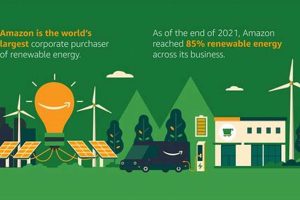
Renewable energy sources are defined by their ability to replenish themselves naturally over a relatively short period. This distinguishes them from finite resources like fossil fuels. Examples include solar, wind, hydro, geothermal, and biomass energy. Each possesses distinct attributes related to availability, environmental impact, and technological maturity.
The inherent sustainability of these resources offers significant advantages, mitigating the detrimental effects of fossil fuel dependence on the environment and global climate. Historically, reliance on renewable sources was commonplace; however, the advent of readily available fossil fuels led to a shift away from these traditional methods. The growing awareness of environmental issues and energy security concerns has prompted a renewed focus on harnessing the potential of renewable energy.
This article will delve into the specific attributes of various renewable energy technologies, exploring their individual strengths, limitations, and potential for future development. Topics covered will include resource availability, technological advancements, economic feasibility, environmental impact, and integration into existing energy infrastructure.
Practical Considerations for Renewable Energy Implementation
Successful integration of renewable energy requires careful consideration of several key factors. These considerations are crucial for maximizing the benefits and minimizing potential drawbacks.
Tip 1: Resource Assessment: Thorough evaluation of available resources is paramount. Solar installations require ample sunlight, wind turbines necessitate consistent wind speeds, and hydropower depends on suitable water resources. Accurate assessment ensures optimal energy generation.
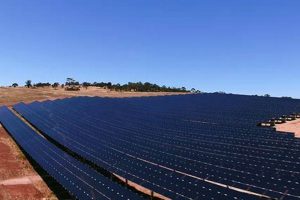
Tip 2: Geographic Suitability: The geographic location plays a vital role. Deserts are ideal for solar farms, coastal regions benefit from offshore wind, and mountainous areas are suitable for hydropower. Matching technology to location maximizes efficiency.
Tip 3: Technological Advancements: Staying informed about the latest technological developments is essential. Improvements in solar panel efficiency, wind turbine design, and energy storage solutions can significantly enhance performance and cost-effectiveness.
Tip 4: Infrastructure Considerations: Existing infrastructure must be assessed to ensure compatibility with the chosen renewable energy technology. Grid integration, transmission lines, and energy storage capacity need to be addressed.
Tip 5: Environmental Impact Assessment: While generally environmentally friendly, renewable energy technologies can still have localized impacts. Careful assessment and mitigation strategies are necessary to minimize any negative effects on ecosystems and wildlife.
Tip 6: Economic Feasibility: Analyzing the financial viability of a renewable energy project is crucial. Factors such as initial investment costs, operating expenses, and potential return on investment should be thoroughly evaluated.
Tip 7: Policy and Regulatory Framework: Understanding the relevant policies and regulations governing renewable energy development is essential. Incentives, permits, and grid connection requirements vary by location and can significantly impact project feasibility.
By considering these factors, stakeholders can make informed decisions that maximize the benefits of renewable energy, paving the way for a sustainable energy future.
The subsequent sections of this article will provide a more in-depth analysis of specific renewable energy technologies and their respective characteristics.
1. Sustainable Source

The defining characteristic of renewable energy lies in its sustainable source. This signifies the ability of a resource to replenish itself naturally within a timeframe relevant to human energy consumption. Unlike fossil fuels, which are finite and deplete over time, renewable sources are perpetually available, driven by natural processes such as solar radiation, wind patterns, water cycles, and geothermal heat. This continuous replenishment is fundamental to the long-term viability of these energy sources, ensuring energy security and mitigating resource depletion anxieties. For example, solar energy relies on the sun’s constant radiation, a process that will continue for billions of years, making it a truly sustainable source. Similarly, wind energy harnesses the kinetic energy of wind, driven by atmospheric pressure differences that are continuously renewed.
The sustainability of these resources has significant practical implications. It reduces dependence on finite resources, mitigating price volatility and geopolitical instability associated with fossil fuel reliance. Furthermore, it contributes to environmental preservation by minimizing the extraction, processing, and transportation impacts inherent in fossil fuel utilization. The shift towards sustainable sources aligns with long-term ecological balance, fostering a more resilient and environmentally responsible energy landscape. Consider hydropower, which utilizes the natural water cycle, or geothermal energy, which taps into the Earth’s internal heat; both exemplify how natural processes can be harnessed for sustainable power generation.
In conclusion, the sustainable nature of renewable energy sources forms the cornerstone of their value proposition. This inherent renewability addresses concerns of resource depletion, price volatility, and environmental degradation. While challenges remain in harnessing and integrating these resources effectively, the fundamental principle of sustainability positions renewable energy as a crucial component of a secure and environmentally sound energy future. Transitioning to a sustainable energy paradigm necessitates continued technological innovation, strategic policy implementation, and a global commitment to responsible resource management.
2. Low Emissions
A defining characteristic of renewable energy is its significantly lower greenhouse gas emissions compared to fossil fuels. This inherent advantage stems from the fundamental difference in energy generation processes. Fossil fuels release substantial amounts of carbon dioxide, methane, and other pollutants during combustion, contributing significantly to climate change. Renewable energy sources, conversely, generate power through natural processes like solar radiation, wind, and water flow, resulting in minimal or zero direct greenhouse gas emissions. This inherent low-emission profile is crucial for mitigating the effects of climate change and transitioning to a sustainable energy future. For example, solar photovoltaic panels convert sunlight directly into electricity without producing any greenhouse gases during operation. Similarly, wind turbines harness wind energy, emitting no pollutants in the process.
The practical significance of low-emission renewable energy extends beyond climate change mitigation. Reduced air pollution contributes to improved public health by minimizing respiratory illnesses and other health problems associated with fossil fuel combustion byproducts. This translates to decreased healthcare costs and enhanced overall well-being. Furthermore, the shift towards low-emission energy sources promotes energy independence and security by reducing reliance on imported fossil fuels, thus enhancing national energy resilience. The economic benefits of reduced healthcare burdens and increased energy independence reinforce the value proposition of renewable energy adoption. For instance, communities powered by renewable energy experience fewer instances of respiratory illnesses, leading to lower healthcare expenditures.
In summary, the low-emission profile of renewable energy is a cornerstone of its environmental and societal benefits. This characteristic is fundamental to mitigating climate change, improving public health, and fostering energy independence. While challenges remain in terms of intermittency and infrastructure development, the demonstrably lower emissions of renewable energy solidify its position as a critical component of a sustainable energy future. Addressing the challenges of grid integration and energy storage is crucial for realizing the full potential of low-emission renewable energy sources. Further research and development in these areas will pave the way for a cleaner, healthier, and more secure energy landscape.
3. Resource Availability

Resource availability is intrinsically linked to the viability and effectiveness of renewable energy technologies. The geographic distribution and abundance of resources like solar radiation, wind, water, and geothermal heat directly influence the suitability and potential of specific renewable energy projects. Regions with high solar irradiance are naturally suited for solar power generation, while areas with consistent strong winds offer ideal conditions for wind farms. Similarly, the presence of rivers and suitable terrain dictates the feasibility of hydropower projects, and geothermal activity governs the potential for geothermal energy extraction. Understanding the spatial distribution of these resources is crucial for optimizing deployment strategies and maximizing energy output. For example, harnessing solar energy in the Sahara Desert offers significantly greater potential than in regions with frequent cloud cover.
The variability of resource availability introduces both opportunities and challenges. While some resources, like solar radiation, are predictable and consistent, others, like wind and water flow, exhibit significant fluctuations. This intermittency necessitates strategies for managing energy supply and demand, including energy storage solutions, grid management systems, and diversification of renewable energy sources. Furthermore, resource assessment must consider potential environmental and social impacts. Large-scale hydropower projects, for example, can alter river ecosystems and displace communities. Careful planning and stakeholder engagement are essential to minimize negative consequences and ensure sustainable development. The Three Gorges Dam in China, while a significant source of hydropower, has also resulted in substantial ecological and social changes.
In conclusion, resource availability is a fundamental factor shaping the landscape of renewable energy. Accurate assessment of resource potential, coupled with careful consideration of variability and potential impacts, is essential for successful implementation. Strategies for managing intermittency and minimizing environmental and social consequences are crucial for maximizing the benefits and ensuring the long-term sustainability of renewable energy projects. As technology advances and understanding of resource dynamics improves, the ability to harness the full potential of renewable energy will continue to evolve, paving the way for a more sustainable and resilient energy future.
4. Technological Advancements

Technological advancements play a crucial role in enhancing the feasibility and effectiveness of renewable energy sources. Continuous innovation drives improvements in efficiency, cost-effectiveness, and reliability, addressing key challenges and expanding the potential of renewable energy integration. These advancements span various aspects, from materials science and manufacturing processes to grid integration and energy storage solutions.
- Improved Energy Conversion Efficiency
Advancements in materials science and engineering have led to significant improvements in the energy conversion efficiency of renewable energy technologies. For example, the development of high-efficiency photovoltaic cells has dramatically increased the amount of electricity generated from sunlight. Similarly, advancements in wind turbine blade design and generator technology have enhanced energy capture from wind resources. These improvements directly translate to increased energy output, reduced costs, and improved overall system performance. Higher efficiency solar panels require less surface area to generate the same amount of power, reducing land use requirements and minimizing environmental impact.
- Enhanced Energy Storage Solutions
Addressing the intermittency of renewable energy sources is crucial for reliable power supply. Technological advancements in energy storage technologies, such as batteries, pumped hydro, and thermal storage, are playing a vital role in overcoming this challenge. Improved battery technology, for instance, enables more effective storage of excess solar and wind energy, ensuring a consistent power supply even when the sun isn’t shining or the wind isn’t blowing. These advancements are critical for grid stability and the seamless integration of renewable energy into existing power systems. The development of advanced battery chemistries with higher energy density and longer lifespans is further enhancing the viability of grid-scale energy storage.
- Smart Grid Integration
Integrating renewable energy sources into existing power grids requires sophisticated grid management systems. Smart grid technologies, including advanced sensors, communication networks, and control algorithms, enable real-time monitoring and optimization of power flow. These systems can predict fluctuations in renewable energy generation, adjust power distribution accordingly, and ensure grid stability. Smart grid technologies also facilitate the integration of distributed generation resources, such as rooftop solar panels, empowering consumers to become active participants in the energy system. The development of advanced forecasting models and grid management algorithms is crucial for optimizing the utilization of renewable energy and ensuring grid reliability.
- Cost Reduction through Innovation
Continuous innovation and economies of scale have driven significant cost reductions in renewable energy technologies. The manufacturing costs of solar panels and wind turbines have decreased dramatically over the past decade, making them increasingly competitive with fossil fuels. Furthermore, advancements in manufacturing processes, such as automation and improved materials utilization, are further contributing to cost reductions. These cost improvements are making renewable energy more accessible and economically viable for a wider range of applications, accelerating the global transition to a sustainable energy future. The declining costs of renewable energy technologies are making them increasingly attractive for both utility-scale and distributed generation projects.
These technological advancements are intrinsically linked to the broader characteristics of renewable energy, enhancing sustainability, reducing emissions, and improving resource utilization. Continued innovation in these areas is essential for overcoming the remaining challenges and unlocking the full potential of renewable energy as a primary source of power. As technology continues to evolve, renewable energy will play an increasingly prominent role in shaping a cleaner, more sustainable, and secure energy future.
5. Economic Viability

Economic viability is a critical factor determining the widespread adoption and long-term success of renewable energy technologies. While environmental benefits are a key driver, the financial feasibility of renewable energy projects is essential for attracting investment, stimulating market growth, and ensuring sustainable implementation. Analyzing the economic aspects requires considering various factors, including initial capital costs, operating expenses, return on investment, and the broader economic impacts on local communities and national economies. This exploration delves into the multifaceted nature of economic viability within the context of renewable energy characteristics.
- Capital Costs and Financing
Renewable energy projects often entail significant upfront capital costs for equipment, installation, and infrastructure development. Solar farms require substantial investment in photovoltaic panels, inverters, and land acquisition, while wind farms necessitate expenditures on turbines, foundations, and grid connection infrastructure. Securing financing for these projects is crucial, and various financing mechanisms, such as loans, grants, and tax incentives, play a vital role in enabling project development. The availability of financing options and the cost of capital significantly influence the economic viability of renewable energy projects. For instance, government subsidies and tax credits can reduce the initial capital outlay, making projects more financially attractive to investors.
- Operating and Maintenance Costs
While renewable energy sources like solar and wind have no fuel costs, ongoing operation and maintenance expenses must be considered. These include regular maintenance of equipment, repairs, and replacement of components. Minimizing downtime and optimizing maintenance schedules are crucial for maximizing energy output and ensuring cost-effectiveness. Technological advancements and improved system designs contribute to lower operating and maintenance costs, enhancing the long-term economic viability of renewable energy installations. Predictive maintenance strategies, enabled by sensor data and machine learning algorithms, can further optimize maintenance schedules and reduce costs.
- Return on Investment and Payback Periods
Assessing the return on investment (ROI) and payback periods is essential for evaluating the financial viability of renewable energy projects. Factors influencing ROI include energy prices, electricity generation capacity, operating costs, and the lifespan of the technology. Renewable energy projects typically have longer payback periods compared to conventional fossil fuel-based power plants, but offer the advantage of predictable long-term energy generation and reduced exposure to volatile fuel prices. The declining costs of renewable energy technologies, coupled with rising fossil fuel prices, are shortening payback periods and enhancing the attractiveness of renewable energy investments. Furthermore, government incentives and carbon pricing mechanisms can further improve the financial returns of renewable energy projects.
- Job Creation and Economic Growth
The renewable energy sector has significant potential for job creation and economic growth. Manufacturing, installation, maintenance, and research and development activities within the renewable energy industry generate employment opportunities across various skill levels. Furthermore, investments in renewable energy can stimulate local economies, create new industries, and enhance energy security. The transition to a renewable energy-based economy offers opportunities for economic diversification and sustainable development. For example, the growth of the solar panel manufacturing industry has created thousands of jobs in countries around the world. Similarly, the development of offshore wind farms can revitalize coastal communities and stimulate economic activity in related sectors.
These facets of economic viability are intricately linked to the broader characteristics of renewable energy, influencing their adoption and deployment. The decreasing costs of renewable energy technologies, coupled with supportive policies and financing mechanisms, are driving a global shift towards a more sustainable and economically viable energy future. As technology continues to advance and markets mature, the economic competitiveness of renewable energy will further strengthen, solidifying its role as a key driver of economic growth and environmental sustainability.
Frequently Asked Questions about Renewable Energy Attributes
This section addresses common inquiries regarding the defining attributes of renewable energy sources. Clarity on these aspects is crucial for informed decision-making and effective utilization of these resources.
Question 1: How does the intermittent nature of some renewable sources, like solar and wind, affect grid stability?
Intermittency poses integration challenges but can be addressed through energy storage solutions (batteries, pumped hydro), grid management strategies (smart grids, demand-side management), and diversification of renewable energy sources. Combining different renewable sources with complementary generation patterns mitigates intermittency’s impact.
Question 2: Are renewable energy technologies truly environmentally friendly, considering the manufacturing and disposal processes?
While renewable energy technologies offer significant environmental advantages during operation (low emissions), lifecycle assessments are essential. Manufacturing processes require energy and resources, and end-of-life disposal needs proper handling. However, the overall environmental impact remains substantially lower compared to fossil fuels. Research and development continue to improve manufacturing processes and recycling methods to minimize environmental footprints further.
Question 3: What is the role of energy storage in maximizing the benefits of renewable energy?
Energy storage is crucial for addressing the intermittency of renewable sources, enabling a consistent and reliable energy supply. Storing excess energy generated during peak production periods allows for its utilization during periods of low generation or high demand. This enhances grid stability and reduces reliance on backup power sources, maximizing the overall effectiveness of renewable energy integration.
Question 4: How do government policies and incentives influence the development and adoption of renewable energy?
Government policies and incentives play a significant role in promoting renewable energy development. Feed-in tariffs, tax credits, subsidies, and renewable portfolio standards can create favorable market conditions, incentivize investment, and accelerate the deployment of renewable energy technologies. Supportive policies are essential for driving market growth and achieving renewable energy targets.
Question 5: What are the key barriers to wider adoption of renewable energy technologies?
Barriers include upfront capital costs, intermittency challenges, grid infrastructure limitations, public perception and acceptance, and policy and regulatory hurdles. Addressing these barriers through technological advancements, policy support, public awareness campaigns, and innovative financing mechanisms is crucial for widespread adoption.
Question 6: How does the geographic distribution of renewable resources influence technology choices and project planning?
Resource availability varies significantly by location. Regions with high solar irradiance are ideal for solar power, while areas with consistent strong winds are suitable for wind energy. Hydropower depends on water resources and suitable terrain. Project planning must consider resource availability to optimize technology selection and maximize energy output.
Understanding these key aspects of renewable energy attributes is essential for informed decision-making and successful implementation. Continued research, technological advancements, and supportive policies will further enhance the viability and effectiveness of renewable energy sources in meeting global energy demands.
The following section will delve into specific case studies of renewable energy projects, illustrating the practical application of these concepts and showcasing successful implementation strategies.
Conclusion
This exploration of renewable energy characteristics has highlighted their defining attributes: sustainability, low emissions, resource availability, technological advancements, and economic viability. Each characteristic presents both opportunities and challenges. The inherent sustainability of renewable resources offers a long-term solution to energy security concerns, while their low-emission profile is crucial for mitigating climate change. However, resource variability and intermittency necessitate innovative solutions for grid integration and energy storage. Technological advancements continue to improve efficiency, reduce costs, and enhance the feasibility of renewable energy integration. The economic viability of renewable energy projects is increasingly competitive with conventional fossil fuels, driven by declining technology costs and supportive policy frameworks. Understanding these interconnected characteristics is crucial for effective implementation and maximizing the benefits of renewable energy.
The transition to a renewable energy-based future requires a multifaceted approach encompassing technological innovation, policy support, public awareness, and international collaboration. Addressing the remaining challenges, such as grid integration and energy storage, will unlock the full potential of renewable energy sources. Continued investment in research and development, coupled with supportive policy frameworks, is essential for accelerating the global transition to a sustainable, secure, and environmentally responsible energy future. The future of energy hinges on effectively harnessing the inherent advantages offered by renewable energy characteristics.