Documented credentials attest to the origin of electricity generated from sources like solar, wind, geothermal, and hydropower. For example, a business might purchase proof that a specific amount of its power comes from a wind farm. These credentials can take various forms, including Renewable Energy Certificates (RECs), Guarantees of Origin (GOs) in Europe, and International REC Standard (I-REC) certificates for developing nations.
These validated claims offer transparency and accountability in the energy sector, enabling consumers and businesses to demonstrate their commitment to sustainability and reduce their carbon footprint. Historically, tracking and verifying renewable energy generation was challenging, leading to concerns about “greenwashing.” The development of robust certification systems addresses this issue, providing credible assurances and driving investment in clean energy technologies.
Understanding these systems is crucial for navigating the complexities of sustainable energy procurement. This article will delve into the various types of credentials, their specific applications, and their role in fostering a global transition to a cleaner energy future.
Tips for Utilizing Verified Renewable Energy Sources
Strategic sourcing of documented renewable energy plays a vital role in achieving corporate sustainability goals and contributing to a cleaner energy future. The following tips offer guidance for organizations seeking to incorporate these resources effectively.
Tip 1: Understand Available Options: Explore the various programs and certificates, such as RECs, GOs, and I-RECs, to determine which best aligns with organizational needs and geographic location.
Tip 2: Establish Clear Objectives: Define specific sustainability targets and how documented renewable energy will contribute to achieving them. Quantifiable goals enable effective tracking and reporting.
Tip 3: Evaluate Suppliers Carefully: Due diligence is crucial. Assess the credibility and track record of energy suppliers offering validated renewable energy options. Transparency and adherence to recognized standards are essential.
Tip 4: Consider Additionality: Support projects that add new renewable energy capacity to the grid rather than simply transferring existing generation. This maximizes environmental impact.
Tip 5: Integrate with Broader Sustainability Strategy: Align renewable energy procurement with overall environmental, social, and governance (ESG) goals for a holistic approach.
Tip 6: Monitor and Report Progress: Track renewable energy usage and associated environmental benefits. Transparent reporting demonstrates accountability and builds stakeholder confidence.
By implementing these strategies, organizations can effectively leverage validated renewable energy, contributing to a more sustainable energy landscape while enhancing their corporate reputation.
These tips offer a starting point for navigating the complex world of renewable energy procurement. Further research and consultation with experts are recommended for developing a comprehensive and tailored strategy.
1. Proof of Green Power

Proof of green power, substantiated by robust certification systems, is essential for transparency and accountability in the renewable energy market. It provides a mechanism for consumers and businesses to verify the origin of their electricity and ensure that their purchases support genuine clean energy generation. This verifiable documentation is crucial for making credible sustainability claims and driving investment in new renewable energy projects.
- Environmental Attribute Certificates:
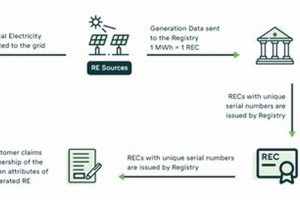
These certificates, such as RECs and GOs, represent the environmental attributes of one megawatt-hour (MWh) of renewable electricity generation. They decouple these attributes from the physical electricity itself, allowing for flexible trading and accounting of renewable energy. This facilitates investment in renewable energy projects even if they are geographically distant from the consumer.
- Auditable Tracking Systems:
Robust tracking systems ensure the integrity of environmental attribute certificates. These systems record the generation, transfer, and retirement of certificates, preventing double counting and fraudulent claims. This meticulous tracking builds market confidence and provides assurance that claims of green power consumption are valid.
- Third-Party Verification:
Independent third-party verification adds further credibility to renewable energy claims. Organizations like Green-e Energy certify renewable energy products and providers, offering consumers a trusted benchmark for evaluating green power options. This independent oversight enhances transparency and reduces the risk of greenwashing.
- Corporate Sustainability Reporting:
Proof of green power is a crucial component of corporate sustainability reporting. Companies use these certificates to demonstrate their commitment to renewable energy and quantify their progress towards emissions reduction targets. This transparent reporting fosters accountability and enhances corporate reputation.
These facets of proof of green power, facilitated by credible renewable energy certifications, underpin a reliable and transparent market for renewable energy. They provide the necessary tools for consumers and businesses to make informed choices, support sustainable practices, and contribute to a cleaner energy future. The increasing demand for verifiable green power underscores the importance of these certification systems in accelerating the global transition to renewable energy sources.
2. Tracking Renewable Energy

Tracking renewable energy generation is fundamental to the effectiveness of renewable energy certifications. These certifications rely on accurate and verifiable data to ensure the integrity of environmental claims and prevent fraudulent practices. A robust tracking system provides transparency and accountability, fostering market confidence and driving investment in renewable energy projects.
- Attribute Tracking:
Renewable energy certifications track the environmental attributes of electricity generation, not the physical electrons themselves. This allows for flexible trading and accounting of renewable energy, enabling consumers to support clean energy even if it’s not directly delivered to their location. For example, a company in New York can purchase RECs representing wind energy generated in Texas, contributing to overall renewable energy growth.
- Registry Systems:
Dedicated registries, like those managed by APX and the REC Tracking System, provide a secure platform for issuing, tracking, and retiring renewable energy certificates. These systems record each transaction, ensuring that certificates are not double-counted or fraudulently used. This meticulous record-keeping is crucial for maintaining the integrity of the certification system and building market trust.
- Chain of Custody:
Maintaining a clear chain of custody is essential for tracking renewable energy attributes from generation to retirement. This process ensures that certificates are accurately linked to specific renewable energy projects and that their ownership is transparently documented. This verifiable chain of custody enhances the credibility of renewable energy claims and prevents fraudulent practices.
- Independent Auditing:
Independent audits of tracking systems and renewable energy projects further enhance the credibility of certifications. Third-party verification confirms the accuracy of reported generation data and ensures adherence to established standards. This independent oversight reinforces market confidence and reduces the risk of greenwashing.
These tracking mechanisms are integral to the efficacy of renewable energy certifications. They provide the necessary framework for verifying the origin and quantity of renewable energy, enabling consumers and businesses to make informed decisions and support a transparent and sustainable energy market. The continued development and refinement of these tracking systems are crucial for advancing the global transition to a cleaner energy future.
3. Combating Greenwashing

Renewable energy certifications play a crucial role in combating greenwashingthe practice of conveying a false impression or providing misleading information about how a company’s products are more environmentally sound. Without robust certification systems, companies could make unsubstantiated claims about their renewable energy usage, misleading consumers and undermining the integrity of the green power market. Certifications provide a standardized, verifiable framework for demonstrating genuine commitment to renewable energy, thus mitigating the risk of deceptive marketing practices. For example, a company claiming to be “100% renewable” without possessing valid certifications might be purchasing conventional electricity and simply marketing it as green. Credible certifications, like RECs, backed by robust tracking systems, expose such deceptive practices.
The value of certifications in preventing greenwashing extends beyond individual companies. They contribute to a level playing field within the market, ensuring fair competition among businesses genuinely committed to sustainability. This market transparency fosters consumer trust and encourages greater investment in legitimate renewable energy projects. Consider a scenario where two companies offer similar products, with one investing heavily in renewable energy and obtaining certifications while the other makes unsubstantiated green claims. Certifications empower consumers to differentiate between genuine and misleading environmental claims, rewarding responsible businesses and discouraging deceptive practices. This market-driven accountability is a powerful tool against greenwashing.
Combating greenwashing through credible certification is essential for the long-term health and growth of the renewable energy sector. It safeguards consumer confidence, ensures market integrity, and ultimately drives further investment in truly sustainable energy solutions. The ongoing development and strengthening of these certification systems are vital for realizing a future powered by genuinely clean energy. The increasing scrutiny surrounding corporate sustainability underscores the need for verifiable proof of green power, making robust certification an indispensable component of a credible renewable energy strategy.
4. Driving Market Growth

Renewable energy certifications play a pivotal role in driving market growth for renewable energy technologies. These certifications provide a standardized framework for verifying renewable energy claims, fostering transparency and bolstering consumer confidence. This increased transparency reduces market barriers and transaction costs, stimulating investment in renewable energy projects and accelerating the transition to a cleaner energy future.
- Investment Signals:
Certifications provide clear market signals to investors, demonstrating demand for renewable energy and reducing investment risk. The ability to verify and track renewable energy generation through credible certification systems provides assurance to investors that their investments are supporting genuinely sustainable projects. This enhanced transparency can unlock increased capital flows into the renewable energy sector.
- Competitive Advantage:
For businesses, demonstrating a commitment to renewable energy through certifications can provide a competitive advantage. Consumers are increasingly conscious of the environmental impact of their purchasing decisions, and certifications offer a credible way for companies to showcase their sustainability efforts. This can lead to increased brand loyalty and market share for companies that effectively utilize renewable energy certifications.
- Policy Support:
Many governments and regulatory bodies recognize and incorporate renewable energy certifications into their policy frameworks. These policies often incentivize the use of certified renewable energy through mechanisms like renewable portfolio standards (RPS) and carbon reduction targets. Such policies further stimulate market demand for renewable energy and support the growth of the certification industry itself.
- International Trade:
Renewable energy certifications facilitate international trade in renewable energy attributes. Systems like the I-REC Standard enable the tracking and transfer of renewable energy credits across borders, creating a global market for renewable energy. This internationalization of the market further drives investment and deployment of renewable energy technologies worldwide.
By providing a robust framework for verifying and tracking renewable energy, certifications create a virtuous cycle of market growth. Increased transparency attracts investment, which drives technological innovation and further reduces the cost of renewable energy. This, in turn, makes renewable energy more competitive with conventional energy sources, accelerating the global transition to a sustainable energy future. The continued development and refinement of these certification systems are essential for unlocking the full potential of renewable energy and achieving a cleaner, more secure energy future.
5. Supporting Sustainability

Renewable energy certifications are intrinsically linked to supporting sustainability initiatives. These certifications offer a credible mechanism for individuals, businesses, and governments to demonstrate their commitment to reducing greenhouse gas emissions and transitioning to a cleaner energy future. The act of procuring certified renewable energy directly supports the development and deployment of renewable energy projects, driving a shift away from fossil fuels and mitigating the impacts of climate change. For instance, a corporation purchasing RECs to offset its electricity consumption is effectively investing in the growth of renewable energy infrastructure, contributing to a more sustainable energy landscape. This financial support incentivizes further development and deployment of renewable energy technologies, creating a positive feedback loop for sustainability.
The connection between renewable energy certifications and sustainability extends beyond direct emissions reductions. By promoting transparency and accountability in the renewable energy market, these certifications help to combat greenwashing and ensure that sustainability claims are backed by verifiable data. This fosters trust among consumers and investors, encouraging further engagement with and investment in genuinely sustainable practices. Consider a consumer choosing between two products, one with a credible renewable energy certification and another with vague environmental claims. The certification empowers the consumer to make an informed decision, supporting the company truly committed to sustainability. This market-driven accountability mechanism strengthens the link between consumer choices and sustainable outcomes.
In conclusion, renewable energy certifications provide a practical and impactful way to support sustainability goals. By creating a transparent and accountable market for renewable energy, these certifications incentivize investment, drive technological innovation, and empower informed consumer choices. Challenges remain, including ensuring the environmental integrity of all certified projects and addressing potential market complexities. However, the continued development and refinement of these certification systems are crucial for accelerating the global transition to a sustainable energy future and mitigating the risks of climate change. Integrating these certifications into broader sustainability strategies is essential for achieving comprehensive and impactful environmental progress.
Frequently Asked Questions about Renewable Energy Certifications
This section addresses common inquiries regarding renewable energy certifications, aiming to provide clear and concise information for stakeholders seeking to understand their purpose, function, and benefits.
Question 1: What is the difference between a Renewable Energy Certificate (REC) and a Guarantee of Origin (GO)?
RECs are primarily used in North America, while GOs are prevalent in Europe. Both represent the environmental attributes of one megawatt-hour (MWh) of renewable electricity generation but are issued and tracked within their respective regional markets.
Question 2: How do these certifications contribute to reducing greenhouse gas emissions?
By purchasing these certifications, consumers and businesses financially support renewable energy projects. This increased demand incentivizes further development of renewable energy generation, displacing fossil fuel-based electricity and reducing overall emissions.
Question 3: Are all renewable energy certifications equally credible?
No. The credibility of a certification depends on the rigor of its underlying standards, tracking system, and third-party verification. It is crucial to evaluate the specific attributes of each certification program before making purchasing decisions.
Question 4: Can a company claim to be 100% renewable simply by purchasing enough certifications?
While certifications demonstrate support for renewable energy, a nuanced approach is necessary. Companies must consider additionality (supporting new renewable energy projects) and integrate certifications with broader sustainability strategies for comprehensive impact.
Question 5: How can consumers verify the authenticity of a company’s renewable energy claims?
Look for evidence of specific certifications from reputable programs and seek information on how the company uses these instruments within its broader sustainability strategy. Transparency and independent verification are key indicators of credibility.
Question 6: What is the role of these certifications in a future powered by 100% renewable energy?
These certifications play a crucial role in the transition to 100% renewable energy by tracking progress, ensuring transparency, and driving investment in renewable energy projects. As the energy landscape evolves, their function may adapt, but their core purpose of validating renewable energy claims will remain essential.
Understanding the nuances of renewable energy certifications is crucial for navigating the complexities of the sustainable energy market. Further research and consultation with experts are recommended for developing a comprehensive and effective renewable energy procurement strategy.
For further information on specific certification programs and their applications, please consult the resources listed in the following section.
Conclusion
Renewable energy certifications provide a crucial framework for verifying and tracking the origin of electricity generated from renewable sources. These certifications empower consumers, businesses, and governments to make informed decisions, support sustainable practices, and contribute to a cleaner energy future. This article explored the various types of certifications, their role in combating greenwashing, their impact on market growth, and their fundamental contribution to global sustainability initiatives. From the meticulous tracking of renewable energy attributes to the establishment of a transparent market for green power, these certifications play a vital role in accelerating the transition to a low-carbon economy.
The transition to a sustainable energy future requires collective action and informed decision-making. Renewable energy certifications serve as an essential tool in this endeavor, providing transparency, accountability, and a credible pathway for supporting clean energy development. Continued innovation and refinement of these certification systems are crucial for navigating the evolving energy landscape and realizing a future powered by sustainable resources. The importance of these certifications will only grow as the world strives to meet ambitious climate goals and build a more resilient and equitable energy system.