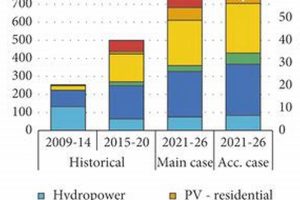
Hydropower currently holds the largest share of global renewable electricity generation. Harnessing the energy of flowing water, primarily through dams, it provides a substantial, albeit geographically dependent, power source. Examples include the Three Gorges Dam in China and the Itaipu Dam on the Brazil-Paraguay border.
The dominance of hydropower stems from its established infrastructure and relatively low operating costs after initial construction. It offers a dispatchable energy source, meaning its output can be adjusted to meet demand fluctuations, unlike solar or wind power. Historically, large-scale hydropower projects have played a significant role in industrial development and electrification. However, environmental and social impacts, such as habitat alteration and displacement of communities, necessitate careful consideration.
The following sections will delve into the global distribution of hydropower, emerging technologies in the sector, and the evolving role of other renewable energy sources in the broader energy transition.
Tips for Optimizing Hydropower Resources
Maximizing the benefits of hydropower while mitigating its environmental and social impacts requires careful planning and implementation. The following tips offer guidance for responsible and sustainable hydropower development.
Tip 1: Conduct Thorough Environmental Impact Assessments: Comprehensive assessments are crucial to identify potential ecological consequences, including impacts on aquatic ecosystems, water quality, and biodiversity. Mitigation strategies should be developed and implemented to minimize negative effects.
Tip 2: Prioritize Sustainable Dam Design and Operation: Modern dam designs can incorporate features such as fish ladders and bypasses to minimize disruption to fish migration. Operational strategies can be optimized to maintain downstream flow regimes and water quality.
Tip 3: Engage with Local Communities: Meaningful consultation with affected communities is essential to address concerns related to displacement, livelihood impacts, and cultural heritage. Transparent communication and participatory decision-making processes can foster trust and ensure equitable outcomes.
Tip 4: Explore Alternative Hydropower Technologies: Run-of-river hydropower, which utilizes the natural flow of rivers without large dams, offers a less impactful option in suitable locations. Pumped hydro storage can provide grid stability and complement intermittent renewable sources.
Tip 5: Integrate Hydropower into a Diversified Energy Mix: Combining hydropower with other renewable energy sources, such as wind and solar, creates a more resilient and sustainable energy system. This diversified approach minimizes reliance on any single technology and enhances grid stability.
Tip 6: Promote Regional Cooperation in Transboundary River Basins: Shared water resources require collaborative management among riparian countries. Joint planning and benefit-sharing mechanisms can ensure equitable and sustainable hydropower development.
By adopting these strategies, stakeholders can strive to balance the need for clean energy with the imperative of environmental protection and social equity.
These considerations are essential for ensuring that hydropower continues to contribute positively to the global energy transition.
1. Hydropower

Hydropower currently represents the most widely utilized form of renewable energy globally. Understanding its characteristics is crucial for evaluating its role in the ongoing energy transition.
- Electricity Generation:
Hydropower plants utilize the potential energy of water stored at elevation to generate electricity. Water flows through turbines, converting this potential energy into kinetic energy, which then drives generators. This process provides a substantial and readily available source of electricity in regions with suitable geographical features. For example, the Three Gorges Dam in China demonstrates the immense scale achievable with hydropower, significantly contributing to the nation’s electricity supply. However, the reliance on specific geographical conditions limits its widespread applicability.
- Grid Stability:
Unlike intermittent renewable sources like solar and wind, hydropower offers dispatchable generation, meaning its output can be adjusted to meet fluctuating electricity demand. This characteristic makes it a valuable asset for grid stability. Pumped hydro storage, where water is pumped uphill during periods of low demand and released to generate electricity during peak periods, further enhances this grid-balancing capability. This flexibility is crucial in integrating other variable renewable sources into the energy mix.
- Environmental Considerations:
While hydropower is a renewable energy source, large-scale dam projects can have significant environmental consequences. These include alterations to river ecosystems, impacts on fish migration, and changes in water quality. The construction of reservoirs can also lead to greenhouse gas emissions from decaying vegetation. Minimizing these impacts through careful planning, mitigation measures, and consideration of alternative hydropower technologies is crucial for responsible development.
- Economic Factors:
Hydropower projects often entail high upfront capital costs for dam construction. However, operational costs are relatively low, contributing to long-term cost-effectiveness. The economic viability of a project depends on factors such as site characteristics, electricity prices, and access to financing. Balancing these factors against potential environmental and social costs is essential for informed decision-making.
Hydropower’s position as the most used renewable energy source is underpinned by its established technology, dispatchability, and potential for large-scale generation. However, the environmental and social considerations associated with large dams necessitate careful evaluation and implementation of sustainable practices. The future of hydropower depends on balancing the need for clean energy with the imperative of environmental protection and social responsibility.
2. Global Dominance

Hydropower’s global dominance within the renewable energy sector stems from a confluence of historical, geographical, and technological factors. Its early development and established infrastructure contribute significantly to its widespread use. Favorable geographical conditions, such as mountainous terrain and abundant water resources, are essential for large-scale hydropower projects. The relatively mature technology behind hydropower generation also contributes to its prevalence. For instance, the Three Gorges Dam in China and the Itaipu Dam on the Brazil-Paraguay border exemplify the substantial energy generation achievable through large-scale hydropower, solidifying its leading position in the global renewable energy landscape. However, this dominance is not uniform, with geographical limitations restricting its potential in certain regions.
The historical precedence of hydropower development has resulted in significant investments in infrastructure and expertise. This established foundation provides a competitive advantage compared to newer renewable energy technologies. The ability to regulate power output, a characteristic known as dispatchability, makes hydropower a valuable asset for grid stability and managing fluctuating energy demand. This reliability further reinforces its global prominence. However, the environmental and social impacts associated with large dams, including habitat alteration and displacement of communities, pose significant challenges to the continued expansion of traditional hydropower.
Understanding the factors contributing to hydropower’s global dominance provides valuable insights into the evolution of the renewable energy sector. While hydropower currently holds a significant share of global renewable electricity generation, the rise of other renewable sources, such as solar and wind, is transforming the energy landscape. Addressing the environmental and social challenges associated with hydropower remains crucial for ensuring its sustainable role in the global energy transition. Furthermore, exploring alternative hydropower technologies, such as run-of-river projects, offers a path towards mitigating these impacts and diversifying the renewable energy mix.
3. Mature Technology

The maturity of hydropower technology is a key factor contributing to its position as the most used renewable energy source. A well-established technological base translates to lower development costs, readily available expertise, and a robust supply chain. This section explores the facets of this mature technology and their implications for hydropower’s widespread adoption.
- Established Engineering Principles:
Hydropower relies on well-understood principles of fluid mechanics, civil engineering, and electromechanical systems. Decades of experience have refined design and construction practices, leading to efficient and reliable power generation. Examples include standardized turbine designs and dam construction techniques. This established knowledge base reduces technological uncertainties and facilitates project implementation.
- Extensive Operational Experience:
The long history of hydropower operation has generated a wealth of practical knowledge and best practices for plant management and maintenance. This operational experience contributes to optimized performance, enhanced safety protocols, and effective troubleshooting. The accumulated knowledge base also informs strategies for long-term asset management and rehabilitation of aging infrastructure.
- Developed Supply Chains:
A mature technology benefits from established supply chains for components and specialized services. This availability of resources streamlines project development and reduces lead times for procurement. Furthermore, the established supply chains foster competition and innovation, driving down costs and improving the quality of equipment and services.
- Skilled Workforce:
The maturity of hydropower technology has fostered a skilled workforce with expertise in design, construction, operation, and maintenance. This readily available pool of experienced professionals facilitates project implementation and ensures the ongoing reliability of hydropower plants. Furthermore, educational institutions and training programs contribute to a continuous supply of qualified personnel.
The maturity of hydropower technology, encompassing established engineering principles, extensive operational experience, developed supply chains, and a skilled workforce, underpins its widespread deployment and contributes significantly to its status as the most used renewable energy source. While newer renewable technologies are rapidly evolving, hydropower’s mature technological base provides a foundation for continued reliability and cost-effectiveness in the global energy mix. However, ongoing innovation and adaptation are essential for hydropower to remain competitive and address emerging challenges related to environmental sustainability and social responsibility.
4. Dispatchable Generation

Dispatchable generation, the ability to adjust power output on demand, is a critical factor in the dominance of hydropower as the most used renewable energy source. This characteristic distinguishes it from intermittent renewable sources like solar and wind, allowing hydropower to reliably meet fluctuating electricity needs and ensuring grid stability. The following facets explore the components, examples, and implications of dispatchable generation within the context of hydropower.
- Demand Matching:
Hydropower plants can rapidly adjust their electricity output to match real-time demand fluctuations. This flexibility is crucial for maintaining grid stability and preventing blackouts, particularly during periods of peak demand. For example, during hot summer days when air conditioning usage surges, hydropower plants can increase output to meet the higher electricity needs. This capability contrasts sharply with intermittent renewable sources, which are dependent on weather conditions.
- Grid Stability Services:
Dispatchable hydropower contributes essential grid stability services, such as frequency regulation and voltage control. By responding quickly to changes in grid frequency, hydropower plants help maintain a stable operating environment for other generators and prevent cascading failures. Pumped hydro storage, where water is pumped uphill during low demand and released to generate electricity during peak demand, further enhances this grid-balancing capability.
- Integration of Intermittent Renewables:
The dispatchable nature of hydropower facilitates the integration of intermittent renewable sources like solar and wind power. By compensating for the variability of these resources, hydropower ensures a reliable electricity supply even when solar or wind output fluctuates. This complementary relationship is essential for maximizing the contribution of renewable energy to the grid.
- Reliability and Resource Availability:
Hydropower’s reliability stems from the predictable availability of water resources, especially in regions with consistent rainfall or snowmelt. While seasonal variations exist, the ability to store water in reservoirs provides a buffer against short-term fluctuations in water availability. This predictability enhances the dispatchability of hydropower and contributes to its overall reliability as an energy source.
The dispatchability of hydropower generation is a defining characteristic that underpins its widespread use and contribution to grid stability. While other renewable sources offer significant environmental benefits, their intermittent nature necessitates balancing mechanisms. Hydropower’s ability to meet fluctuating demand and provide essential grid services solidifies its crucial role in the current energy landscape. As the energy transition progresses, the integration of intermittent renewables will increasingly rely on dispatchable resources like hydropower to ensure a reliable and sustainable electricity supply.
5. Sustainability Concerns

Despite its status as the most used renewable energy source, hydropower faces significant sustainability concerns, primarily stemming from the environmental and social impacts of large dam projects. These concerns necessitate a nuanced understanding of the trade-offs between clean energy generation and ecological preservation. Dam construction fundamentally alters river ecosystems, impacting water flow, sediment transport, and aquatic biodiversity. For example, the Three Gorges Dam, while a substantial source of clean energy, has altered the Yangtze River’s flow regime and affected fish migration patterns. Similarly, large reservoirs can inundate significant land areas, displacing communities and impacting cultural heritage sites. The Balbina Dam in Brazil provides a stark example, where the resulting reservoir emitted substantial methane, a potent greenhouse gas, due to decaying vegetation.
The impact of hydropower on aquatic ecosystems extends beyond immediate habitat alteration. Changes in water temperature and oxygen levels can affect fish populations and other aquatic organisms. Dam construction often obstructs fish migration routes, impacting breeding cycles and overall population health. Furthermore, the accumulation of sediment behind dams can deprive downstream ecosystems of essential nutrients, impacting agricultural productivity and coastal erosion. For instance, the Aswan High Dam in Egypt, while providing flood control and irrigation benefits, has reduced sediment flow to the Nile Delta, impacting soil fertility and coastal protection. These ecological consequences underscore the importance of comprehensive environmental impact assessments and mitigation strategies in hydropower development.
Addressing the sustainability concerns associated with hydropower requires a multi-faceted approach. Minimizing environmental impacts through careful site selection, dam design, and operational practices is crucial. Incorporating fish passage facilities, maintaining downstream flow regimes, and managing reservoir water quality can mitigate some ecological consequences. Furthermore, exploring alternative hydropower technologies, such as run-of-river projects, which utilize the natural flow of rivers without large reservoirs, can reduce environmental footprint. Ultimately, balancing the increasing demand for clean energy with the imperative of ecological preservation requires a holistic approach to hydropower development, incorporating environmental, social, and economic considerations. This balance is crucial for ensuring the long-term sustainability of hydropower as a key component of the global energy mix.
Frequently Asked Questions
This section addresses common inquiries regarding the most prevalent renewable energy source, providing concise and informative responses.
Question 1: What is the most widely used renewable energy source globally?
Hydropower currently holds the largest share of global renewable electricity generation.
Question 2: Why is hydropower so widely used?
Its dominance stems from mature technology, established infrastructure, and the ability to adjust output to meet demand (dispatchability).
Question 3: Are there any environmental concerns associated with hydropower?
Yes, large-scale dam projects can significantly impact river ecosystems, fish migration, and local communities.
Question 4: How does hydropower contribute to grid stability?
Its dispatchable nature allows for precise control of electricity output, balancing fluctuations from other sources and ensuring a reliable supply.
Question 5: What are some alternatives to traditional large-scale hydropower?
Run-of-river hydropower, which utilizes natural river flow without large dams, and pumped hydro storage, which stores energy by pumping water uphill, offer less impactful alternatives.
Question 6: Is hydropower truly sustainable?
While renewable, hydropower’s sustainability depends on careful planning and mitigation of environmental and social impacts. Balancing energy needs with ecological preservation is essential.
Addressing these common questions clarifies key aspects of hydropower and emphasizes the need for responsible development and integration within a diversified renewable energy portfolio.
The following sections will delve into specific case studies and emerging trends in hydropower technology and policy.
Conclusion
This exploration of the most used renewable energy source, hydropower, has highlighted its significant contribution to global electricity generation. Its mature technology, dispatchable nature, and established infrastructure contribute to its widespread use. However, the analysis also underscores the critical need to address environmental and social impacts associated with large-scale dam projects. Balancing the benefits of clean energy with ecological preservation remains a paramount challenge.
The future of hydropower hinges on responsible development strategies that prioritize sustainability. Minimizing environmental disruption, engaging with affected communities, and exploring alternative hydropower technologies are essential for ensuring its long-term viability. As the global energy landscape continues to evolve, hydropower must adapt to emerging challenges and opportunities to maintain its crucial role in the transition to a sustainable energy future.