The effective orchestration of renewable energy sources encompasses the entire lifecycle, from resource assessment and project development to power generation, grid integration, and ongoing operations and maintenance. For instance, a wind farm requires not only turbines but also infrastructure like transmission lines and substations, along with skilled personnel for monitoring performance and ensuring reliability. This holistic approach also considers the environmental and social impacts of these projects.
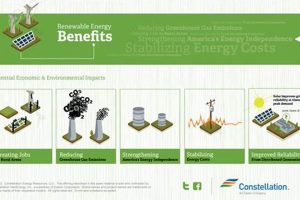
Successfully harnessing clean energy is crucial for achieving sustainable development goals and mitigating climate change. Historically, reliance on fossil fuels has led to environmental degradation and energy insecurity. The transition to renewable sources offers a pathway to a cleaner, more resilient energy future, reducing greenhouse gas emissions, diversifying energy portfolios, and fostering economic growth in related sectors.
This article will delve into the key aspects of the field, covering topics such as technological advancements, regulatory frameworks, economic incentives, and the evolving role of energy storage solutions. Further exploration of these areas will provide a deeper understanding of the complexities and opportunities associated with a sustainable energy transition.
Tips for Effective Renewable Energy Integration
Successfully transitioning to and maintaining a renewable energy infrastructure requires careful planning and execution. The following tips provide guidance for navigating the complexities of this vital sector.
Tip 1: Conduct Thorough Resource Assessments: Accurate assessment of available renewable resourcessolar, wind, hydro, geothermalis fundamental. Detailed analysis of resource potential informs optimal project siting and technology selection.
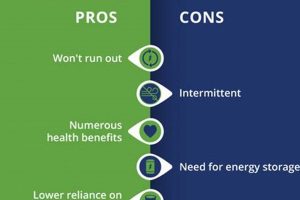
Tip 2: Optimize Grid Integration Strategies: Renewable energy sources are often intermittent. Effective grid integration requires sophisticated forecasting, grid modernization, and demand-side management strategies to ensure reliable power delivery.
Tip 3: Prioritize Energy Storage Solutions: Storage technologies, such as batteries and pumped hydro, play a critical role in balancing intermittent renewable generation and ensuring grid stability.
Tip 4: Implement Robust Cybersecurity Measures: As energy systems become increasingly digitalized, robust cybersecurity protocols are essential for protecting against threats and ensuring operational continuity.
Tip 5: Foster Community Engagement and Public Acceptance: Open communication and collaboration with local communities are crucial for addressing potential concerns and ensuring successful project implementation.
Tip 6: Develop Supportive Policy and Regulatory Frameworks: Clear and consistent policies, including incentives and streamlined permitting processes, are vital for driving investment and innovation in the renewable energy sector.
Tip 7: Invest in Workforce Development and Training: A skilled workforce is essential for the design, construction, operation, and maintenance of renewable energy infrastructure. Targeted training programs can bridge the skills gap.
By adopting these strategies, stakeholders can contribute to a more sustainable, resilient, and efficient energy future. These practices promote not only environmental stewardship but also economic growth and energy security.
In conclusion, the transition to a renewable energy future requires a multifaceted approach. This article has explored key aspects of the field, from resource assessment and grid integration to policy frameworks and workforce development. The successful implementation of these strategies will be paramount in realizing the full potential of renewable energy.
1. Resource forecasting

Resource forecasting plays a critical role in effective renewable energy management. Accurate predictions of renewable resource availabilitysolar irradiance, wind speed, and hydropower flowsare fundamental for optimizing energy production, grid stability, and market participation. Without reliable forecasts, grid operators face challenges in balancing supply and demand, potentially leading to curtailment of renewable generation or reliance on conventional power plants. For example, inaccurate wind forecasts can result in overestimation of wind power availability, necessitating costly and carbon-intensive backup generation. Conversely, underestimation can lead to missed opportunities for maximizing clean energy utilization. The accuracy of these predictions directly impacts the economic viability and environmental benefits of renewable energy projects.
Advanced forecasting techniques leverage meteorological data, statistical models, and machine learning algorithms to predict resource availability across various timescales, ranging from minutes to months ahead. Short-term forecasts inform real-time operational decisions, while longer-term projections support investment planning and resource allocation. For instance, a solar power plant operator utilizes short-term solar irradiance forecasts to optimize energy production and schedule maintenance, while long-term forecasts contribute to decisions regarding plant expansion and power purchase agreements. These forecasts enable stakeholders to make informed decisions that maximize the value and effectiveness of renewable energy resources.
In conclusion, robust resource forecasting capabilities are indispensable for effective renewable energy management. Accurate predictions enable informed decision-making across operational and strategic planning horizons, ensuring grid stability, optimizing resource utilization, and maximizing the financial and environmental benefits of renewable energy integration. Continued advancements in forecasting methodologies and data analytics will further enhance the reliability and efficiency of renewable energy systems, contributing to a more sustainable and resilient energy future.
2. Grid integration

Grid integration represents a critical aspect of managing renewable energy, inextricably linked to the successful and efficient utilization of these resources. The intermittent nature of many renewable sources, such as solar and wind power, necessitates sophisticated grid management strategies to ensure a stable and reliable electricity supply. Effective integration involves balancing fluctuating renewable generation with consumer demand, maintaining grid frequency and voltage within acceptable limits, and minimizing reliance on conventional backup power plants.
The variability of renewable energy output poses challenges for grid operators. For instance, a sudden drop in wind speed can lead to a rapid decrease in wind power generation, requiring immediate adjustments from other sources to maintain grid stability. Similarly, cloud cover can significantly impact solar power output, creating fluctuations in electricity supply. Addressing these challenges requires advanced forecasting techniques, demand-side management programs, and grid infrastructure upgrades. Real-world examples, such as the increasing deployment of smart grids and the use of advanced power electronics, demonstrate the ongoing efforts to enhance grid flexibility and accommodate the growing penetration of renewable energy.
Successful grid integration of renewable energy sources is essential for achieving a sustainable energy transition. It enables the displacement of fossil fuel-based generation, reducing greenhouse gas emissions and promoting energy independence. Furthermore, effective grid management maximizes the value of renewable energy investments by minimizing curtailment losses and ensuring reliable power delivery to consumers. However, challenges remain, including the need for further grid modernization, the development of robust energy storage solutions, and the implementation of effective market mechanisms to incentivize grid flexibility. Addressing these challenges is crucial for unlocking the full potential of renewable energy and achieving a cleaner, more resilient, and sustainable energy future.
3. Storage solutions

Storage solutions are integral to managing renewable energy, addressing the inherent intermittency of sources like solar and wind. These technologies provide a buffer, storing excess energy generated during periods of high resource availability and releasing it when generation is low or demand is high. This capability is crucial for ensuring grid stability and reliability as renewable energy penetration increases.
- Battery Storage:
Batteries, particularly lithium-ion, are a rapidly maturing technology offering diverse applications in renewable energy management. From residential rooftop solar systems to large-scale grid-connected installations, batteries store excess solar or wind energy for later use. Real-world examples include Tesla’s Powerwall for homes and large battery installations supporting wind farms, enhancing grid stability and enabling increased utilization of renewable generation.
- Pumped Hydroelectric Storage:
Pumped hydro is a mature technology utilizing two reservoirs at different elevations. Excess energy pumps water uphill to the upper reservoir, storing potential energy. When demand increases, water flows downhill through turbines, generating electricity. This technology provides large-scale storage capacity, but its geographical constraints limit deployment to locations with suitable terrain.
- Thermal Energy Storage:
Thermal storage captures excess heat or cold for later use. Examples include molten salt systems for concentrating solar power plants, which store heat to generate electricity even when sunlight is unavailable. Other applications include ice storage for cooling buildings, reducing peak electricity demand. These technologies enhance the efficiency and dispatchability of renewable energy systems.
- Flywheel Energy Storage:
Flywheels store energy as rotational kinetic energy in a rapidly spinning rotor. They offer rapid response times, making them suitable for grid stabilization services. While offering high power output, flywheels generally have lower energy storage capacity compared to other technologies. They are finding applications in stabilizing frequency fluctuations caused by intermittent renewable generation.
The diverse range of storage solutions plays a crucial role in optimizing renewable energy integration. By addressing intermittency challenges, these technologies enhance grid reliability, maximize the utilization of renewable resources, and facilitate the transition to a cleaner and more sustainable energy future. Continued advancements in storage technologies, coupled with decreasing costs, are essential for achieving deeper penetration of renewable energy and realizing a decarbonized electricity grid.
4. Maintenance optimization

Maintenance optimization constitutes a critical component of managing renewable energy assets effectively. A proactive and well-structured maintenance strategy directly impacts the long-term performance, reliability, and profitability of renewable energy installations. Optimized maintenance minimizes downtime, extends the operational lifespan of equipment, and ensures consistent energy production, thus maximizing the return on investment and contributing to a sustainable energy future. Conversely, inadequate maintenance can lead to decreased energy output, increased repair costs, and even catastrophic failures, jeopardizing the overall viability of renewable energy projects. For example, neglecting regular inspections of wind turbine blades can result in undetected cracks and eventual blade failure, leading to significant downtime and repair expenses.
Several factors contribute to the complexity of maintenance optimization in the renewable energy sector. The geographically dispersed nature of many renewable energy installations, such as wind farms and solar parks, presents logistical challenges. Furthermore, the remote locations of some projects can complicate access for maintenance personnel and equipment. The variability of weather conditions also plays a significant role, impacting access and requiring specialized maintenance procedures adapted to specific environmental conditions. For instance, offshore wind farms require specialized vessels and expertise for maintenance operations, adding to the complexity and cost. Advanced technologies, including remote diagnostics and predictive analytics, offer opportunities for optimizing maintenance schedules and minimizing downtime. These technologies enable proactive identification of potential issues before they escalate into major failures, allowing for targeted maintenance interventions and reducing operational costs. For example, sensors on wind turbines can monitor vibration patterns and detect early signs of bearing wear, enabling timely replacement and preventing more extensive damage.
In conclusion, maintenance optimization is essential for the long-term success of renewable energy projects. A well-defined maintenance strategy, incorporating advanced technologies and adapting to specific project requirements, ensures optimal performance, reliability, and profitability. By minimizing downtime and maximizing energy production, effective maintenance practices contribute significantly to the overall sustainability and economic viability of the renewable energy sector. Addressing the unique challenges associated with maintaining renewable energy assets requires a proactive and adaptable approach, leveraging technological advancements to enhance efficiency and ensure the continued growth of clean energy generation.
5. Policy frameworks
Policy frameworks are fundamental to managing renewable energy effectively, providing the necessary structure and incentives to drive the transition towards a sustainable energy future. Well-designed policies create an enabling environment for investment, innovation, and deployment of renewable energy technologies. They address key aspects such as market access, grid integration, and public acceptance, shaping the overall trajectory of the renewable energy sector. The absence of clear and consistent policies can hinder growth and create uncertainty, limiting the effectiveness of renewable energy management strategies.
- Financial Incentives:
Financial incentives, such as tax credits, feed-in tariffs, and renewable portfolio standards, play a crucial role in stimulating investment in renewable energy projects. These mechanisms reduce the upfront costs of renewable energy technologies, making them more competitive with conventional energy sources. For example, feed-in tariffs guarantee a fixed price for renewable energy fed into the grid, providing revenue certainty for project developers. Such policies accelerate the deployment of renewable energy, contributing to national renewable energy targets and reducing reliance on fossil fuels.
- Grid Integration Policies:
Policies addressing grid integration are essential for managing the increasing penetration of variable renewable energy sources like solar and wind. These policies can include grid modernization initiatives, connection standards for renewable energy projects, and mechanisms to incentivize grid flexibility. For instance, policies promoting the development of smart grids enhance the ability to manage intermittent renewable generation and optimize grid operations. Such frameworks are crucial for maintaining grid stability and reliability as renewable energy capacity expands.
- Permitting and Approval Processes:
Streamlined and efficient permitting and approval processes are vital for facilitating the timely deployment of renewable energy projects. Complex and lengthy approval procedures can create delays and increase project costs, hindering the growth of the renewable energy sector. Policies that simplify permitting requirements, establish clear timelines, and promote interagency coordination can significantly accelerate project development. Examples include one-stop-shop permitting agencies and online platforms for submitting applications, which reduce administrative burdens and improve transparency.
- Market Mechanisms:
Establishing competitive market mechanisms is crucial for ensuring the efficient integration of renewable energy into electricity markets. Policies that promote market-based solutions, such as carbon pricing and renewable energy certificates, create economic incentives for renewable energy generation. For instance, carbon pricing internalizes the environmental costs of fossil fuels, making renewable energy more cost-competitive. These mechanisms drive investment in renewable energy projects and facilitate the transition to a low-carbon electricity system.
These policy frameworks, working in concert, are essential for successful management of the renewable energy transition. They provide the necessary foundation for attracting investment, fostering innovation, and integrating renewable energy resources effectively into the existing energy infrastructure. By addressing key challenges and creating a supportive environment, well-designed policies enable the achievement of renewable energy targets, reduce greenhouse gas emissions, and pave the way for a sustainable energy future. The ongoing evolution of policy frameworks, adapting to technological advancements and changing market dynamics, is crucial for maximizing the benefits of renewable energy and achieving a cleaner, more resilient energy system.
Frequently Asked Questions about Renewable Energy Management
This section addresses common inquiries regarding the complexities of renewable energy management, providing concise and informative responses.
Question 1: How does resource variability impact grid stability, and what strategies address this challenge?
Fluctuations in renewable energy generation, due to weather patterns, require sophisticated management strategies to maintain grid stability. These include advanced forecasting, demand-side management programs, and energy storage solutions. Grid operators balance supply and demand in real-time, utilizing a combination of these strategies to compensate for variability.
Question 2: What are the key barriers to wider adoption of renewable energy, and how can these be overcome?
Significant barriers include upfront costs, grid integration challenges, and public acceptance. Targeted policies, such as financial incentives and streamlined permitting processes, can accelerate adoption. Public awareness campaigns and community engagement initiatives can address concerns and foster support for renewable energy projects.
Question 3: How do energy storage technologies contribute to the reliability and efficiency of renewable energy systems?
Storage technologies, like batteries and pumped hydro, store excess renewable energy for later use, mitigating intermittency issues. This capability enhances grid reliability by providing a buffer against fluctuations in generation and enables increased utilization of renewable resources, improving overall system efficiency.
Question 4: What role does policy play in promoting renewable energy development and integration?
Policy frameworks are crucial. Supportive policies, such as renewable portfolio standards, tax incentives, and carbon pricing mechanisms, create a favorable investment climate. They drive innovation, accelerate deployment, and facilitate the integration of renewable energy into the broader energy system.
Question 5: What are the long-term economic benefits of transitioning to a renewable energy-based economy?
Long-term economic benefits include job creation in the renewable energy sector, reduced reliance on imported fossil fuels, and decreased healthcare costs associated with air pollution. The transition also stimulates innovation and technological advancements, fostering economic growth and competitiveness.
Question 6: How can individuals and communities contribute to the growth of renewable energy?
Individuals can support renewable energy by installing rooftop solar panels, investing in community solar projects, and advocating for supportive policies. Community-level initiatives, such as the development of local renewable energy projects and energy efficiency programs, contribute to broader adoption and a sustainable energy transition.
Understanding these key aspects of renewable energy management is crucial for informed decision-making and effective implementation. A comprehensive approach, addressing both technical and policy considerations, is essential for maximizing the benefits of renewable energy and achieving a sustainable energy future.
For further information on specific topics related to renewable energy management, explore the following resources…
Managing Renewable Energy
Effective management of renewable energy resources is paramount for achieving global sustainability goals. This exploration has traversed critical aspects of the field, encompassing resource assessment and forecasting, grid integration strategies, the vital role of energy storage solutions, optimization of maintenance procedures, and the establishment of robust policy frameworks. Each component plays an indispensable role in maximizing the potential of renewable energy sources while mitigating inherent challenges such as intermittency and grid stability. The successful orchestration of these elements is crucial for a seamless transition towards a cleaner, more resilient energy landscape.
The transition to a future powered by renewable energy represents not merely a technological shift but a fundamental societal transformation. It demands concerted efforts across sectors, encompassing technological innovation, policy reforms, and public engagement. The effective stewardship of renewable energy resources is a collective responsibility, crucial for ensuring a sustainable and prosperous future for generations to come. Continued investment in research and development, coupled with informed policy decisions, will be essential for navigating the complexities of this transition and realizing the full potential of a future powered by clean energy.