The radiant light and heat from the Sun can be harnessed to produce electricity, heat water, and power various systems. This utilization relies on converting the Sun’s energy into usable forms, often through photovoltaic cells or solar thermal collectors. The debate surrounding the sustainability of different energy sources often focuses on their replenishment rates and environmental impact.
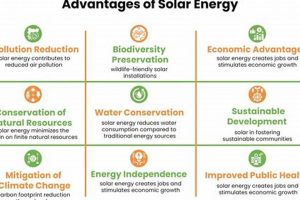
Harnessing the Sun’s power offers significant advantages, including reduced reliance on fossil fuels and lower greenhouse gas emissions during operation. Historically, direct sunlight utilization has been employed for simple tasks like drying food and heating dwellings. Modern technologies have expanded the capabilities to include large-scale electricity generation, contributing to energy independence and mitigating climate change.
The subsequent sections will delve into the core characteristics that define this energy source, examine the mechanisms of energy extraction and conversion, and explore the environmental and economic implications of widespread adoption. Further discussion will address the challenges and opportunities associated with integrating this resource into the global energy mix.
Harnessing Solar Potential
Maximizing the effectiveness of sunlight-derived power necessitates a multifaceted approach, encompassing technological optimization, policy support, and informed consumer choices. The following strategies aim to guide individuals and organizations in leveraging the benefits associated with this resource.
Tip 1: Conduct a Comprehensive Site Assessment: Before implementing any system, evaluate the location’s sunlight exposure. Factors such as shading from trees or buildings, roof orientation, and average daily sunlight hours significantly impact energy production. Utilize specialized tools and professional assessments to determine optimal placement and system size.
Tip 2: Invest in High-Efficiency Technologies: Opt for photovoltaic panels and inverters with demonstrated high conversion efficiencies. While initial costs may be higher, superior performance translates to greater energy generation and long-term cost savings. Regularly review technological advancements to identify potential upgrades.
Tip 3: Implement Energy Storage Solutions: Integrate battery storage systems to capture excess generated power for use during periods of low sunlight or at night. This enhances energy independence and provides a reliable power source during grid outages. Size the battery bank appropriately based on energy consumption patterns.
Tip 4: Prioritize Regular System Maintenance: Establish a routine maintenance schedule to ensure optimal system performance. This includes cleaning panels to remove dirt and debris, inspecting wiring and connections, and monitoring inverter performance. Proactive maintenance prevents costly repairs and extends the system’s lifespan.
Tip 5: Advocate for Supportive Policies: Support government initiatives and policies that incentivize the adoption of this type of energy. This includes advocating for net metering programs, tax credits, and streamlined permitting processes. Collective action can create a more favorable environment for sustainable energy deployment.
Tip 6: Monitor Energy Production and Consumption: Implement a monitoring system to track energy generation and consumption patterns. This data provides valuable insights into system performance and allows for informed adjustments to optimize energy usage. Utilize smart home technologies to automate energy management.
In conclusion, realizing the full potential requires a holistic approach, encompassing careful planning, technological investment, proactive maintenance, and policy advocacy. By adhering to these strategies, individuals and organizations can contribute to a more sustainable energy future.
The subsequent sections will delve into the economic and environmental aspects of sunlight-derived power adoption.
1. Inexhaustible Sunlight

The fundamental connection lies in the continuous and virtually unlimited supply of solar radiation emanating from the sun. “Inexhaustible sunlight” serves as the primary driver making solar energy a constantly replenished resource, therefore “is solar energy a renewable source of energy”. Unlike fossil fuels, which are finite and require millions of years to form, sunlight is a perpetual input to the Earth’s energy system. The ability to repeatedly harness this energy without significantly diminishing the source distinguishes solar power as a sustainable alternative.
Consider photovoltaic panels installed on a residential rooftop. These panels convert sunlight into electricity daily, reducing the homeowner’s reliance on grid-supplied power generated from coal or natural gas. This process can occur continuously for decades, drawing upon the unwavering influx of solar energy. Another example can be seen in concentrated solar power plants, which utilize mirrors to focus sunlight and generate heat, subsequently producing electricity. These plants can operate effectively as long as sunlight is available, demonstrating the practical application of a perpetually available resource.
Understanding the relationship is critical for informed policy decisions and strategic energy planning. The practically inexhaustible nature of sunlight underpins investments in solar technology, supporting grid modernization and promoting decentralized energy generation. However, the variable nature of sunlight, influenced by weather patterns and diurnal cycles, remains a challenge. Effective energy storage solutions and grid management strategies are essential to ensure continuous and reliable power from these sources. The recognition of sunlight’s inexhaustible supply, coupled with innovative technologies, paves the way for a transition toward a cleaner and more sustainable energy future.
2. Constant Replenishment
The ongoing influx of solar radiation to Earth is a fundamental aspect supporting its designation as a renewable resource. This continuous replenishment ensures a virtually inexhaustible supply of energy, differentiating it from finite resources subject to depletion.
- Daily Solar Irradiation
Each day, the Earth receives a substantial amount of solar energy. This daily irradiation replenishes the available energy for capture and conversion. For example, photovoltaic arrays in desert regions capture significant solar energy throughout the day, converting it into electricity for residential and commercial use. This daily cycle underscores the constant replenishment, ensuring that even after energy is used, a new supply is available the following day. This daily renewal positions it favorably compared to fossil fuels, which require millions of years to replenish.
- Atmospheric Balance
The atmosphere plays a vital role in maintaining the constant replenishment cycle. It reflects some solar radiation back into space, while allowing a significant portion to reach the Earth’s surface. This balance ensures a consistent supply of energy for absorption. For instance, the ozone layer filters harmful ultraviolet radiation, allowing beneficial visible light to reach the surface for photosynthetic processes and solar energy conversion. This atmospheric regulation contributes to the consistent availability of solar energy, affirming its renewable status.
- Seasonal Variation Adjustments
While the amount of solar radiation varies seasonally, the overall replenishment remains constant. Technological adaptations, such as adjusting the tilt of solar panels to capture more sunlight during winter months, help to mitigate these seasonal fluctuations. Moreover, excess energy generated during peak sunlight hours can be stored in battery systems for use during periods of lower solar radiation, such as nighttime or cloudy days. These adaptive strategies ensure continuous energy supply despite seasonal variations, highlighting the overall renewal characteristic.
- Solar Cycle Stability
The sun exhibits solar cycles, typically lasting around 11 years, during which its activity fluctuates. Despite these cyclical variations, the overall energy output remains relatively stable over extended periods. This stability provides a reliable energy source for long-term planning and investment. For example, solar power plants designed with robust components can operate effectively throughout multiple solar cycles, ensuring consistent energy generation. This resilience underscores the resource’s reliability and its sustainable nature.
The interplay of daily irradiation, atmospheric balance, seasonal adjustments, and solar cycle stability collectively supports the constant replenishment. These factors distinguish it as a resource, providing a sustainable alternative to non-renewable energy sources with significant implications for energy security and environmental conservation.
3. Minimal Depletion

The concept of minimal depletion is central to understanding why “is solar energy a renewable source of energy”. Unlike fossil fuels, the use of solar radiation for energy generation does not significantly diminish the availability of the resource for future use. This characteristic aligns with the core principles of renewability and long-term sustainability.
- Inherent Abundance
The quantity of solar energy that reaches the Earth’s surface far exceeds current global energy consumption. Utilizing a portion of this energy through photovoltaic systems or concentrated solar power has a negligible impact on the overall amount of solar radiation available. For instance, even with widespread solar panel deployment across vast deserts, the total amount of sunlight absorbed would represent a small fraction of the total solar flux received by the planet. This abundance effectively negates concerns about resource exhaustion.
- Non-Consumptive Utilization
Solar energy utilization is largely non-consumptive. Solar panels convert sunlight into electricity without altering the fundamental nature of the solar resource itself. The photons of light continue their trajectory through the atmosphere, and the conversion process does not deplete a finite reserve. A contrast exists with fossil fuels, where combustion permanently transforms the fuel into carbon dioxide and other byproducts. This non-consumptive nature underscores the long-term viability and minimal depletion characteristic.
- Self-Renewing Source
The Sun’s energy production is an ongoing nuclear fusion process that will continue for billions of years. This self-renewing source guarantees the availability of solar energy for the foreseeable future. Unlike geothermal energy, which can experience local depletion if extraction rates exceed natural replenishment, solar energy’s supply remains constant on a human timescale. This sustained source reinforces the classification as a renewable resource.
- Scalability and Distributed Generation
The ability to deploy systems on various scales, from individual rooftops to large-scale power plants, further mitigates the risk of local or regional depletion. Distributed generation, where many smaller systems collectively contribute to the energy supply, reduces stress on any single resource point. In contrast, the extraction of fossil fuels is often concentrated in specific geographic locations, leading to environmental damage and eventual resource exhaustion in those areas. The distributed and scalable nature of the systems promotes sustainable utilization and minimizes depletion concerns.
The minimal depletion characteristic, stemming from inherent abundance, non-consumptive utilization, self-renewing source, and scalability, reinforces its status as a renewable resource. This understanding is crucial for energy planning and investment decisions, promoting a transition to sustainable energy systems that reduce reliance on finite resources.
4. Ubiquitous Availability

The widespread presence of solar radiation across the globe forms a critical link to the concept of a renewable energy source. This characteristic, often termed “ubiquitous availability,” signifies that, unlike geographically constrained resources such as oil or natural gas deposits, solar energy can be harnessed in virtually any location on Earth. The dependence on a widely accessible input bolsters its sustainability.
The effect of this omnipresence is substantial. Remote communities, often lacking access to grid electricity, can implement stand-alone photovoltaic systems to power homes, schools, and healthcare facilities. For instance, solar-powered water pumps are utilized in arid regions to provide access to clean water, improving sanitation and agriculture. Similarly, portable panels provide a crucial source of electricity for disaster relief efforts. These applications illustrate how the inherent availability empowers decentralized energy production, reducing reliance on centralized power grids and minimizing transmission losses. The ubiquity reduces dependence on international markets and promotes energy independence for individual nations, fostering economic stability and geopolitical security.
The extensive distribution enhances the feasibility of transitioning to a sustainable energy economy. While the intensity of solar radiation varies based on latitude, climate, and seasonal patterns, technological advancements in panel design and energy storage solutions mitigate these challenges. Even regions with less sunlight can still benefit from solar technology through efficient energy management and grid integration strategies. This underscores the practical significance of recognizing solar energy as a readily accessible resource, essential for promoting environmental sustainability and mitigating climate change on a global scale.
5. Long-Term Sustainability
The facet of “Long-Term Sustainability” is inextricably linked to the assertion that “is solar energy a renewable source of energy.” Sustainability, in this context, implies the ability to meet present energy needs without compromising the ability of future generations to meet their own needs. Solar energy inherently possesses characteristics that align with this principle. Because sunlight is perpetually available, its utilization as an energy source does not deplete finite reserves. This prevents the negative consequences associated with exhausting non-renewable resources. An instance of this concept in practice includes the proliferation of community solar projects. These initiatives enable residents to access solar power without installing panels on their property. These projects exemplify a durable, community-centric approach to energy provision. In comparison to fossil fuels, which contribute to greenhouse gas emissions and climate change, it offers a low-emission alternative. Climate change mitigation contributes to the long-term health and stability of the planet.
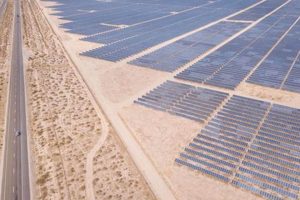
Moreover, solar energy systems have minimal operational impact on the environment. Unlike extraction and combustion of fossil fuels, solar energy conversion does not produce air or water pollution during power generation. A case in point is the operation of large-scale photovoltaic (PV) plants in arid regions. These installations convert sunlight into electricity with minimal disturbance to the surrounding ecosystem. These installations often require land use, but they can be designed to coexist with native flora and fauna. Furthermore, advancements in PV technology are enhancing the efficiency and durability of solar panels, increasing their lifespan and reducing the need for frequent replacements. The reduced lifecycle environmental impact further supports the aspect of long-term sustainability.
In summary, the linkage between “Long-Term Sustainability” and solar energy’s renewable nature is substantiated by its virtually inexhaustible supply, minimal environmental impact during operation, and advancements in technology that enhance its longevity. While challenges remain in optimizing energy storage and grid integration, the inherent sustainability characteristics position it as a key component in the global transition to a cleaner and more reliable energy future. The investment in solar is an investment in the planet’s lasting vitality.
6. Natural Resource

The designation of solar radiation as a “natural resource” is intrinsic to comprehending why “is solar energy a renewable source of energy.” A natural resource, by definition, is a substance or energy source that exists in nature and can be used by humans. Solar radiation undeniably meets this criterion, originating from the sun, an extraterrestrial body, and presenting itself as a readily available energy input to Earth’s ecosystems and human societies. The importance of this categorization lies in the inherent renewability associated with many natural resources, particularly those originating from continuous processes such as solar fusion. Its status as a natural resource ensures it isn’t manufactured or artificially created but rather arises from the inherent physical processes of the universe. Harnessing this resource doesn’t require extensive extraction or alteration of the environment, as is often necessary with fossil fuels. For instance, solar panels convert solar radiation directly into electricity, minimizing environmental disturbance compared to coal mining or oil drilling.
Practical applications demonstrate the linkage between natural resource status and renewability. Solar-powered water heating systems directly utilize the sun’s thermal energy to heat water for residential, commercial, or industrial purposes. These systems operate by directly capturing sunlight, a readily available natural resource, and converting it into heat energy. This direct utilization contrasts with systems dependent on fossil fuels, which require complex and environmentally impactful extraction, processing, and transportation infrastructure. The ability to directly harness a natural resource reduces reliance on these extractive industries. Solar energy also plays a crucial role in photosynthesis, the process by which plants convert sunlight into chemical energy, forming the base of most food chains. Recognizing this connection underscores the fundamental role of solar radiation as a primary driver of biological processes and its broader importance as a natural resource supporting life on Earth.
In summary, acknowledging solar radiation as a “natural resource” provides a foundational understanding of why it is deemed a renewable energy source. The inherent availability, absence of significant environmental impact during utilization, and direct linkage to fundamental biological processes reinforce its importance as a sustainable alternative to finite fossil fuels. While challenges exist in optimizing energy storage and distribution, the designation as a natural resource underscores its potential to contribute to a more sustainable energy future. Understanding it in this context enables policies and infrastructure development to fully harness the resource’s potential. It emphasizes a natural process is being leveraged, ensuring the power source remains viable indefinitely.
Frequently Asked Questions
This section addresses common inquiries regarding the classification of solar energy as a renewable source. The following questions and answers aim to provide clear and concise explanations.
Question 1: What fundamentally defines solar energy as a renewable source?
The continuous and virtually inexhaustible supply of solar radiation reaching Earth defines it. This differs from finite resources that are subject to depletion.
Question 2: How does the concept of ‘minimal depletion’ apply to solar energy?
Utilizing solar energy does not significantly diminish the overall availability of solar radiation. The amount of energy harnessed represents a small fraction of the total received from the Sun.
Question 3: Is solar energy truly available in all locations?
While the intensity of solar radiation varies geographically, it is ubiquitously available across the globe. This differs from resources concentrated in specific regions.
Question 4: What ensures the long-term sustainability of solar energy?
Solar energy’s sustainability rests on the continuous and virtually unlimited supply of solar radiation, ensuring future generations can also utilize it.
Question 5: Does seasonal variation impact the designation as a renewable resource?
Seasonal variations in solar irradiance exist, but energy storage technologies and grid management strategies mitigate their impact on continuous energy supply.
Question 6: How does solar energy’s impact on the environment compare to other renewable resources?
The operation of solar energy systems has minimal direct environmental impact, particularly when contrasted with the extraction and combustion of fossil fuels.
These FAQs provide a foundational understanding of solar energy’s renewable nature. Its virtually inexhaustible supply and low environmental impact make it a sustainable energy source.
The following sections will delve into the challenges and limitations associated with large-scale solar energy implementation.
Conclusion
This exposition has systematically presented the evidence supporting the designation of solar energy as a renewable source. It addressed fundamental aspects such as the continuous and inexhaustible nature of sunlight, minimal resource depletion, global availability, and long-term sustainability. By examining these elements, the analysis clearly demonstrates that solar radiation aligns with established criteria for renewability, distinguishing it from finite energy sources like fossil fuels.
The sustained investment in and implementation of solar technologies necessitate an informed understanding of its potential and limitations. Recognizing the long-term viability of harnessing the sun’s energy offers a pathway toward a more sustainable future. Continued innovation in energy storage and grid integration will be essential to fully capitalize on this natural endowment and secure a stable, environmentally conscious energy supply for future generations.