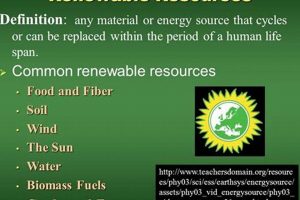
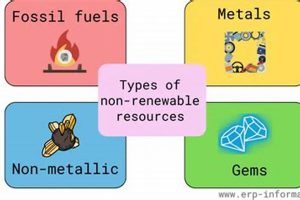
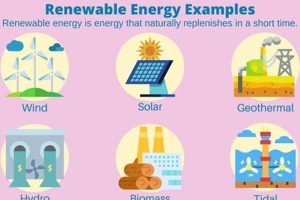
Solar energy, derived from the radiant light and heat of our star, represents a virtually inexhaustible power source. Unlike fossil fuels, which are finite and deplete with extraction, this energy replenishes naturally over time. The continuous fusion reactions within the sun generate an immense amount of power, a fraction of which reaches Earth and can be harnessed through various technologies like photovoltaic cells and solar thermal systems.
The advantages of utilizing sunlight for power generation are multifaceted. Its abundance promotes energy independence, reducing reliance on geopolitical factors influencing fossil fuel markets. Moreover, the adoption of solar technologies mitigates environmental impacts associated with conventional energy production, such as greenhouse gas emissions, air pollution, and habitat destruction. Historically, harnessing the sun’s energy has progressed from basic solar water heaters to sophisticated grid-scale solar farms, reflecting ongoing technological advancements and increasing accessibility.
The subsequent sections will delve into the mechanics of capturing and converting solar radiation into usable electricity and heat. An examination of the economic viability and scalability of these technologies will follow, along with a discussion of the challenges and future prospects for widespread adoption. Finally, the role of policy and investment in accelerating the transition to a more sustainable, solar-powered future will be addressed.
Harnessing Solar Potential
Optimizing the use of solar power requires careful planning and execution. The following tips provide guidance for maximizing the benefits of this renewable energy resource.
Tip 1: Assess Energy Needs Accurately: Before investing in solar technology, conduct a thorough energy audit to understand consumption patterns and identify areas for efficiency improvements. This informs the appropriate system size and ensures optimal performance.
Tip 2: Evaluate Site Suitability: Consider factors such as shading, orientation, and roof angle to determine the best location for solar panel installation. Maximize sunlight exposure for optimal energy generation.
Tip 3: Select Appropriate Technology: Choose between photovoltaic (PV) systems for electricity generation and solar thermal systems for heating water or air, based on specific energy requirements and available resources.
Tip 4: Prioritize System Efficiency: Invest in high-efficiency solar panels and inverters to maximize energy production from the available sunlight. Regularly maintain the system to ensure continued optimal performance.
Tip 5: Explore Energy Storage Options: Consider incorporating battery storage to capture excess solar energy generated during peak hours for use during periods of low sunlight or at night, enhancing energy independence.
Tip 6: Understand Incentive Programs: Research available government incentives, tax credits, and rebates to reduce the initial investment cost of solar energy systems. Utilize these programs to improve the economic feasibility of solar adoption.
Tip 7: Engage Qualified Professionals: Consult with experienced solar installers and engineers to ensure proper system design, installation, and maintenance. This ensures safety, reliability, and optimal system performance.
Implementing these strategies will contribute to maximizing energy generation and minimizing environmental impact.
Adhering to these principles will facilitate a seamless transition to solar power. Further research into specific technological advancements and policy initiatives is encouraged for those seeking comprehensive understanding.
1. Inexhaustible Source

The designation of solar energy as an “inexhaustible source” directly underpins its classification as a renewable resource. This characteristic is fundamental to understanding the long-term viability and sustainability of solar power as a primary energy source, distinguishing it from finite fossil fuels.
- Nuclear Fusion Mechanism
The sun’s energy originates from continuous nuclear fusion reactions occurring within its core. Hydrogen atoms fuse to form helium, releasing vast quantities of energy in the process. This ongoing process ensures a constant energy supply for billions of years, making solar power effectively inexhaustible on a human timescale. The stability of this process contrasts sharply with the limited reserves of fossil fuels.
- Continuous Energy Replenishment
Solar energy is not depleted by human use. The amount of solar radiation reaching Earth far exceeds global energy demands. Even widespread adoption of solar technologies would not measurably diminish the overall supply of solar energy available. This self-replenishing nature distinguishes solar power as a sustainable solution for long-term energy needs.
- Geographic Distribution
Solar energy is globally distributed, albeit with variations in intensity. Regions with high solar irradiance benefit from more efficient solar energy generation. However, even areas with lower solar irradiance can effectively utilize solar technologies, albeit with increased infrastructure. This widespread availability ensures that most locations have access to a continuous energy source.
- Decoupling from Resource Depletion
Unlike fossil fuel extraction, which depletes finite reserves and necessitates ongoing exploration and extraction efforts, solar energy harnesses a naturally occurring and constantly replenished resource. This eliminates concerns about resource scarcity and the environmental impacts associated with resource extraction, promoting a more sustainable energy paradigm.
The facets of the “inexhaustible source” attribute collectively reinforce the designation of solar energy as a renewable resource. The continuous nuclear fusion reactions within the sun, the constant replenishment of solar radiation, its broad geographic distribution, and the absence of resource depletion all contribute to the long-term sustainability and viability of solar power as a key component of a future energy economy.
2. Sustainable Replenishment

The concept of “Sustainable Replenishment” is central to the classification of solar energy as a renewable resource. It emphasizes the inherent ability of solar energy to naturally regenerate, ensuring a continuous and reliable supply for the foreseeable future. This characteristic distinguishes solar energy from finite resources and underpins its long-term viability.
- Constant Solar Flux
The sun continuously emits a vast amount of energy into space, a fraction of which reaches Earth. This solar flux is sustained by nuclear fusion reactions within the sun’s core. Unlike fossil fuels, which are consumed upon use, the solar energy received by Earth is constantly replenished. The consistent rate of energy replenishment ensures a reliable supply for solar energy technologies.
- Natural Regeneration Processes
The sun’s energy cycle is driven by natural processes that are not affected by human activities. The nuclear fusion reactions that power the sun are self-sustaining and do not require external inputs. This inherent stability ensures the continued availability of solar energy, irrespective of human consumption patterns. The natural regeneration contrasts with the extraction and depletion of non-renewable resources.
- Decoupled from Resource Depletion
The utilization of solar energy does not deplete the source. Solar panels convert sunlight into electricity without consuming or diminishing the sun’s energy output. This decoupling from resource depletion is a fundamental characteristic of renewable energy sources. It ensures that the use of solar energy does not compromise its availability for future generations, supporting long-term sustainability.
- Long-Term Energy Security
The sustainable replenishment of solar energy provides a foundation for long-term energy security. Reliance on solar power reduces dependence on finite and geographically concentrated fossil fuels. The continuous availability of solar energy mitigates the risks associated with resource scarcity and geopolitical instability, contributing to a more secure and sustainable energy future. This ensures stable energy access for economic and social development.
These facets of “Sustainable Replenishment” collectively highlight the enduring nature of solar energy as a renewable resource. The continuous solar flux, natural regeneration processes, decoupling from resource depletion, and contribution to long-term energy security all underscore the importance of solar power in a sustainable energy economy. This highlights the importance of solar energy in addressing current environmental challenges and ensuring future energy needs.
3. Widespread Availability

The designation of solar energy as a renewable resource is significantly reinforced by its widespread availability across the globe. This attribute ensures that solar energy is not limited to specific geographical locations or geopolitical contexts, thereby fostering greater energy independence and accessibility. The universality of sunlight allows diverse regions to leverage solar technologies, irrespective of fossil fuel reserves or existing energy infrastructure.
Consider regions in Sub-Saharan Africa, for example, where solar irradiation levels are exceptionally high but access to traditional grid infrastructure is limited. Solar home systems and microgrids offer a decentralized solution for electrification, providing power to remote communities and supporting economic development. Similarly, in developed nations, rooftop solar installations empower homeowners and businesses to generate their own electricity, reducing reliance on centralized power grids and contributing to a more resilient energy system. The widespread applicability of solar technology mitigates energy inequalities and promotes localized energy production.
In summary, the widespread availability of solar energy is a crucial factor in its classification as a renewable resource. It enables diversified energy portfolios, promotes energy independence, and supports sustainable development across the globe. While challenges related to storage and grid integration persist, the inherent accessibility of sunlight positions solar power as a central component of future energy solutions.
4. Minimal Depletion
The concept of “minimal depletion” is intrinsically linked to the classification of solar energy as a renewable resource. Unlike fossil fuels or uranium, the utilization of solar radiation for energy generation does not measurably diminish the source. The sun’s output continues regardless of human usage, making any depletion of solar energy resources negligible. This near-zero impact on the resource pool is a defining characteristic of renewable energy and a stark contrast to non-renewable sources, where extraction directly reduces available reserves.
The practical significance of minimal depletion extends to energy security and long-term sustainability. Reliance on sources with finite reserves introduces vulnerabilities to supply disruptions and price volatility. The continuous and undiminished availability of solar energy mitigates these risks. For instance, countries heavily dependent on imported fossil fuels can enhance their energy independence by investing in solar infrastructure. The near absence of depletion also reduces the environmental impacts associated with resource extraction, such as habitat destruction and pollution. Solar energy facilities can be deployed with minimal disruption to ecosystems compared to mining or drilling operations.
In conclusion, the “minimal depletion” attribute is a critical component supporting solar energy’s classification as a renewable resource. It ensures long-term energy availability, reduces environmental impacts related to resource extraction, and enhances energy security. While challenges remain in storage and grid integration, the fundamental characteristic of minimal depletion solidifies solar power’s role in a sustainable energy future.
5. Continuous Flux
The continuous flux of solar energy reaching Earth is a fundamental aspect that validates its classification as a renewable resource. It refers to the ongoing and uninterrupted flow of radiant energy from the sun, independent of human actions or resource limitations. This constant influx differentiates solar power from finite resources and is critical for understanding its long-term sustainability.
- Persistent Solar Radiation
The sun continuously emits an immense amount of energy into space, a portion of which reaches Earth’s atmosphere. This solar radiation is consistent and predictable, allowing for reliable energy capture using various technologies. This persistent stream ensures a steady energy supply, irrespective of human consumption. The predictability and consistency of solar radiation make it a reliable source for energy planning and infrastructure development.
- Unaffected by Human Consumption
Unlike fossil fuels that are depleted upon extraction and use, the amount of solar energy reaching Earth is not affected by human utilization. The sun’s energy output remains constant, regardless of how much solar power is harnessed. This decoupling from resource depletion is a defining characteristic of renewable energy sources. The absence of depletion concerns ensures the continued availability of solar energy for future generations.
- Global Energy Distribution
The continuous flux of solar energy is distributed globally, albeit with varying intensities depending on latitude, cloud cover, and seasonal changes. This widespread availability means that most regions on Earth can potentially harness solar power. The global distribution enhances energy security and reduces reliance on centralized, non-renewable resources. Even regions with lower solar irradiance can still benefit from solar technologies, although they may require more extensive infrastructure.
- Driving Natural Processes
The continuous flux of solar energy drives numerous natural processes, including photosynthesis, weather patterns, and the water cycle. These processes are essential for sustaining life on Earth and are powered by the sun’s radiant energy. Harnessing solar power for human use does not disrupt these natural processes. The utilization of solar energy aligns with sustainable practices by leveraging a naturally replenishing energy source without compromising ecological balance.
The persistent solar radiation, its independence from human consumption, its global distribution, and its role in driving natural processes collectively reinforce the classification of solar energy as a renewable resource. The ongoing and uninterrupted flow of solar energy ensures its long-term availability and sustainability, making it a key component of a future energy economy. It emphasizes the importance of solar energy in creating sustainable energy solutions for current and future needs.
Frequently Asked Questions
The following questions and answers address common inquiries regarding the nature and viability of solar power as a sustainable energy solution.
Question 1: Why is solar energy classified as a renewable resource?
Solar energy is classified as renewable because it is derived from the sun, a virtually inexhaustible source of energy. Unlike fossil fuels, which are finite and deplete with extraction, solar energy continuously replenishes through ongoing nuclear fusion reactions within the sun.
Question 2: Does utilizing solar energy deplete the sun’s energy output?
No, harnessing solar energy for power generation does not measurably deplete the sun’s energy output. The amount of energy the sun emits far exceeds global energy demands, and human utilization has a negligible impact on the overall solar flux reaching Earth.
Question 3: Is solar energy available everywhere, or is it limited to sunny regions?
Solar energy is available globally, although its intensity varies depending on location, time of year, and weather conditions. While regions with high solar irradiance are more efficient for solar power generation, even areas with lower irradiance can effectively utilize solar technologies.
Question 4: What are the primary environmental benefits of using solar energy?
The primary environmental benefits of solar energy include reduced greenhouse gas emissions, decreased air pollution, and minimized water usage compared to conventional energy sources. Solar energy also reduces reliance on fossil fuels, mitigating the environmental impacts associated with extraction and transportation.
Question 5: What are the limitations of solar energy, and how can they be addressed?
Limitations of solar energy include its intermittent nature, dependence on weather conditions, and the need for energy storage solutions. These limitations can be addressed through technological advancements in energy storage, grid modernization, and the diversification of energy sources.
Question 6: How does solar energy contribute to energy independence and security?
Solar energy promotes energy independence by reducing reliance on imported fossil fuels, which are subject to price volatility and geopolitical instability. By generating electricity locally, solar power enhances energy security and strengthens national economies.
In summary, solar energy stands as a pivotal component in a sustainable energy strategy, providing a clean, abundant, and globally accessible power source for present and future generations.
The subsequent section will explore the economic considerations surrounding solar energy adoption, including cost-benefit analyses and policy incentives.
Conclusion
The preceding analysis definitively establishes that solar energy conforms to the criteria of a renewable resource. Its source, the sun, provides a continuous and practically inexhaustible supply of radiant energy. This ongoing flux mitigates concerns regarding resource depletion inherent in finite energy sources such as fossil fuels. The widespread availability of sunlight across the globe further ensures accessibility and reduces dependence on geographically concentrated resources, bolstering energy security.
The transition to widespread utilization of solar energy represents a critical step toward mitigating anthropogenic climate change and establishing a sustainable energy economy. Investment in solar technologies and supportive policy frameworks remains paramount to maximizing its potential and securing a resilient and environmentally responsible energy future. Further research and development are essential to address existing limitations and optimize the integration of solar power into global energy systems.
![Guide to What Energy Resources Are Renewable [+Future] | Renewable Energy Solutions for a Sustainable Future | Clean & Green Power](https://pplrenewableenergy.com/wp-content/uploads/2026/03/th-516-300x200.jpg "Guide to What Energy Resources Are Renewable [+Future] Renewable Energy Solutions for a Sustainable Future | Clean & Green Power")