Apartment dwellers seeking sustainable living can leverage various strategies to incorporate renewable energy sources into their homes. These methods can range from smaller-scale solutions suitable for individual units to larger, building-wide initiatives requiring community involvement and collaboration with property management.
Decreasing reliance on traditional fossil fuels benefits both individual households and the broader environment. Reduced energy costs, a smaller carbon footprint, and increased energy independence are among the advantages. The growing awareness of climate change and advancements in renewable energy technologies are driving increasing interest in sustainable living practices, particularly within urban environments.
The following sections will explore practical approaches to integrating renewable energy within apartment settings, covering topics such as in-unit solar installations, community solar programs, energy-efficient appliances, and advocating for building-wide renewable energy adoption.
Tips for Apartment Renewable Energy Integration
Implementing renewable energy solutions in apartments requires careful consideration of available options and building constraints. The following tips offer practical guidance for apartment dwellers seeking to transition towards sustainable energy consumption.
Tip 1: Explore Portable Solar Panels: Balcony or window-mounted solar panels offer a viable option for generating electricity directly within an apartment. Output can be used to power small devices or contribute to reducing overall energy consumption. Consult local regulations regarding installation and permitted sizes.
Tip 2: Investigate Community Solar Programs: Subscribers to community solar projects benefit from shared renewable energy generation, even without rooftop access. Research local providers and program eligibility requirements.
Tip 3: Maximize Energy Efficiency: Prioritize energy-efficient appliances and lighting to minimize overall electricity demand. Look for Energy Star certified products and utilize smart power strips to reduce phantom loads.
Tip 4: Advocate for Building-Wide Renewables: Engage with property management and fellow residents to explore the feasibility of installing rooftop solar panels or other renewable energy systems for the entire building. Collective action can significantly amplify the impact of sustainable practices.
Tip 5: Monitor Energy Consumption: Utilize energy monitoring tools to track electricity usage patterns. Data-driven insights can identify areas for improvement and quantify the benefits of energy-saving measures.
Tip 6: Optimize Window Treatments: Utilize energy-efficient window coverings, such as insulated curtains or blinds, to minimize heat gain during summer and heat loss during winter.
By implementing these strategies, residents can significantly reduce their environmental impact and potentially lower energy costs while promoting sustainable living within their apartment communities.
These practical steps empower individuals to actively contribute towards a greener future, demonstrating that sustainable practices can be effectively integrated within apartment living.
1. Community Solar Subscriptions

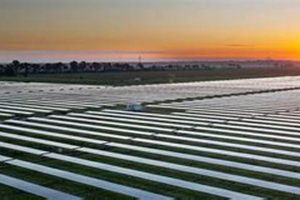
Community solar subscriptions offer apartment dwellers a viable pathway to renewable energy utilization, even without direct access to rooftop space. By subscribing to a shared solar farm, residents can support clean energy generation and potentially receive credits on their electricity bills, effectively reducing their reliance on fossil fuels.
- Subscription Models and Costs
Community solar projects typically offer various subscription models, including fixed-rate subscriptions, where subscribers pay a predetermined price per kilowatt-hour (kWh) of solar energy generated, and variable-rate subscriptions, where the price fluctuates based on market conditions. Understanding the specific subscription model and associated costs is crucial for assessing the financial implications and potential savings.
- Project Location and Accessibility
The location of the community solar farm plays a significant role in its effectiveness and accessibility. Ideally, the farm should be located within the same utility service area as the subscribers to ensure seamless integration and benefit distribution. Information regarding project location and accessibility criteria is essential for determining eligibility and potential participation.
- Benefits and Incentives
Participating in community solar projects often yields various benefits, including reduced electricity costs, support for local renewable energy development, and a smaller carbon footprint. Additionally, some regions offer financial incentives, such as tax credits or rebates, for community solar subscribers, further enhancing the economic advantages.
- Contract Terms and Duration
Community solar subscriptions typically involve contractual agreements outlining the terms and duration of participation. Careful review of contract details, including subscription length, cancellation policies, and performance guarantees, is essential for ensuring a clear understanding of the commitment and associated obligations.
By considering these facets of community solar subscriptions, apartment residents can make informed decisions regarding their participation in such projects, effectively integrating renewable energy into their lifestyles and contributing to a more sustainable future. This approach offers a practical and accessible solution for individuals seeking to reduce their environmental impact and support clean energy initiatives without requiring direct rooftop installations or significant upfront investments.
2. Portable solar panels

Portable solar panels offer a direct pathway to renewable energy integration within apartment settings, particularly where rooftop installations or community solar participation are impractical or unavailable. Their compact size and mobility allow residents to capture solar energy directly on balconies, patios, or windowsills, converting sunlight into electricity for personal use. This capability reduces reliance on grid-supplied power, consequently lowering electricity bills and carbon footprints. The modularity of portable solar panels also offers flexibility, adapting to various apartment layouts and sun exposure conditions.
For example, a resident might use a portable solar panel to power a laptop, charge mobile devices, or operate small appliances. This localized generation reduces the demand on centralized power plants, contributing to a more decentralized and resilient energy system. Furthermore, advancements in portable solar panel technology have improved efficiency and portability, making them increasingly practical for urban environments. While output might not fully offset an apartment’s total energy consumption, portable panels provide a tangible step towards sustainable living, offering supplemental clean energy generation and fostering awareness of energy usage patterns.
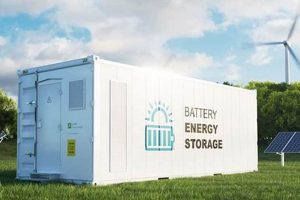
Despite their advantages, portable solar panels face limitations regarding energy output and storage capacity. Their effectiveness depends heavily on available sunlight and panel orientation. Integrating portable panels with battery storage systems enhances their utility, allowing residents to store excess energy for use during periods of low sunlight or increased demand. Understanding these factors and selecting appropriate panel sizes and storage solutions are crucial for maximizing the benefits of portable solar technology in apartment settings. This approach empowers residents to actively engage in sustainable practices and contribute towards a more environmentally conscious lifestyle.
3. Energy-Efficient Appliances

Energy-efficient appliances play a crucial role in maximizing the benefits of renewable energy integration within apartments. By minimizing electricity consumption, these appliances reduce the overall energy demand, allowing renewable sources to contribute a larger percentage of the total power utilized. This synergy enhances the environmental and economic advantages of adopting sustainable practices.
- Reduced Energy Consumption
Energy Star certified appliances, designed for optimal energy utilization, significantly reduce electricity consumption compared to conventional models. A high-efficiency refrigerator, for instance, consumes considerably less power than an older model, directly lowering electricity bills and maximizing the impact of renewable energy sources. This reduction allows renewable generation to cover a larger portion of household needs.
- Lower Operating Costs
The lower energy consumption of efficient appliances translates directly into reduced operating costs. While the initial purchase price of energy-efficient appliances might be slightly higher, the long-term savings from reduced electricity bills often outweigh the initial investment. This financial advantage further incentivizes the adoption of renewable energy solutions.
- Enhanced Environmental Impact
Utilizing energy-efficient appliances reduces the overall demand on power generation, consequently minimizing the environmental impact associated with electricity production. This reduction aligns with the core objective of renewable energy integration, furthering the goal of sustainable living and reduced carbon footprints.
- Synergy with Renewable Sources
Energy-efficient appliances create a synergistic relationship with renewable energy sources. By minimizing overall energy demand, these appliances allow renewable generation, whether from portable solar panels or community solar projects, to fulfill a greater proportion of household needs. This optimized utilization enhances the effectiveness and economic viability of renewable energy integration.
By prioritizing energy-efficient appliances, apartment residents can amplify the benefits of renewable energy integration, achieving greater cost savings, maximizing environmental impact, and contributing to a more sustainable lifestyle. This approach underscores the interconnectedness of energy efficiency and renewable energy adoption in pursuing a greener future within apartment communities.
4. Smart Home Energy Management

Smart home energy management systems offer a crucial link between renewable energy sources and efficient consumption within apartments. By providing real-time monitoring and automated control over energy usage, these systems optimize the utilization of renewable energy, maximizing its impact and minimizing reliance on traditional grid power. This integration represents a significant advancement in sustainable apartment living.
- Real-Time Monitoring and Data Analysis
Smart meters and connected devices provide detailed insights into energy consumption patterns, identifying energy-intensive appliances and periods of peak demand. This data-driven approach empowers residents to make informed decisions regarding energy usage, optimizing consumption to align with renewable energy generation and availability. For instance, residents can shift energy-intensive tasks, like laundry, to periods when solar generation is at its peak.
- Automated Control and Optimization
Smart thermostats and lighting systems automate energy usage based on predefined schedules, occupancy detection, and real-time energy pricing. These automated controls minimize energy waste, optimizing consumption based on actual needs and external factors like weather conditions or time-of-use tariffs. Lights can be automatically dimmed or turned off when a room is unoccupied, and thermostats can adjust temperatures based on occupancy patterns.
- Integration with Renewable Energy Sources
Smart home systems integrate seamlessly with renewable energy sources, such as portable solar panels or battery storage. This integration allows for prioritized utilization of renewable energy, maximizing self-consumption and minimizing reliance on grid electricity. Excess solar energy can be directed to charge batteries, which can then power appliances during peak demand periods.
- Demand Response and Grid Interaction
Advanced smart home systems participate in demand response programs, automatically adjusting energy consumption based on grid conditions and utility signals. During periods of high grid demand or limited renewable energy availability, the system can reduce non-essential energy usage, contributing to grid stability and maximizing the utilization of clean energy sources. For example, air conditioning might be slightly adjusted during peak demand, minimizing strain on the grid.
These integrated functionalities of smart home energy management systems demonstrate their essential role in maximizing the effectiveness of renewable energy utilization within apartments. By optimizing consumption patterns, automating energy-saving measures, and prioritizing renewable sources, smart home technology empowers apartment residents to actively contribute to a sustainable energy future and realize the full potential of clean energy integration in their homes.
5. Advocacy for Building-Wide Changes

Individual efforts to adopt renewable energy within apartments gain significant momentum through collective action and advocacy for building-wide changes. Transitioning towards sustainable energy consumption at a building level amplifies the impact of individual actions, creating a more substantial contribution to environmental sustainability and potentially unlocking economies of scale inaccessible to individual units.
- Collective Bargaining for Renewable Energy Infrastructure
Residents working together can negotiate with property management for the installation of shared renewable energy infrastructure, such as rooftop solar panels or geothermal heating systems. Collective bargaining increases the likelihood of successful implementation due to the combined influence and shared financial commitment of multiple residents. This collaborative approach transforms the building into a collective participant in the transition to renewable energy, maximizing benefits for all occupants.
- Shared Investment and Cost Reduction
Pooling resources for building-wide renewable energy projects distributes the financial burden across multiple residents, reducing the individual cost compared to individual installations. Shared investment allows for larger-scale projects with greater energy generation capacity and potentially higher returns on investment. This shared financial model makes renewable energy solutions more accessible and financially viable for a broader range of residents.
- Increased Energy Independence and Resilience
Building-wide renewable energy systems enhance energy independence and resilience, reducing reliance on external energy sources and potentially mitigating the impact of power outages or price fluctuations. Shared generation capacity provides a buffer against external disruptions, enhancing the building’s overall energy security and stability. This localized generation creates a more resilient and self-sufficient energy ecosystem within the building.
- Community Building and Shared Environmental Stewardship
Advocating for building-wide renewable energy fosters a sense of community and shared environmental stewardship. Collective action strengthens community bonds and promotes awareness of sustainable practices among residents. This shared commitment to sustainability creates a positive feedback loop, encouraging further adoption of environmentally conscious behaviors and fostering a culture of collective responsibility within the building community.
Advocacy for building-wide changes represents a crucial step in maximizing the impact of individual efforts to use renewable energy in apartments. By transitioning from individual actions to collective initiatives, residents can achieve greater economies of scale, enhance community engagement, and contribute more significantly to a sustainable energy future. This collaborative approach amplifies the benefits of renewable energy, fostering a more environmentally responsible and resilient built environment.
6. Renewable Energy Certificates (RECs)
Renewable Energy Certificates (RECs) offer apartment dwellers a means of supporting renewable energy generation even without direct access to on-site installations. One REC represents one megawatt-hour (MWh) of electricity generated from a renewable source. Purchasing RECs effectively offsets electricity consumption from non-renewable sources. This action supports the development of renewable energy projects by providing additional revenue streams for developers. A resident consuming 500 kWh of electricity monthly could purchase 0.5 RECs annually to offset their consumption. While REC ownership doesn’t physically deliver renewable energy to the apartment, it financially supports the broader transition to a sustainable energy system.
RECs function within a market-based system, where generators of renewable energy receive certificates for each MWh produced. These certificates can then be sold to consumers or businesses seeking to offset their carbon footprint or demonstrate their commitment to renewable energy. The purchase of RECs adds to the financial viability of renewable energy projects, incentivizing further development. This mechanism allows individuals and organizations without direct access to renewable energy installations to participate in and support the growth of the renewable energy sector. For apartment dwellers, RECs represent a practical and accessible way to contribute to the overall increase in renewable energy generation.
While RECs offer a valuable tool for supporting renewable energy, their impact depends on market transparency and robust certification standards. It’s crucial for consumers to understand the source and credibility of the RECs they purchase to ensure their investment effectively supports legitimate renewable energy projects. Ultimately, combining REC purchases with other on-site strategies, such as energy efficiency improvements and the use of portable solar panels where feasible, maximizes the impact on the transition to sustainable energy consumption within apartment settings. This multifaceted approach combines direct action with broader market support, accelerating the shift towards a cleaner energy future.
7. Understanding Local Regulations

Navigating the landscape of renewable energy integration within an apartment requires a thorough understanding of local regulations. These regulations, encompassing building codes, permitting processes, and incentive programs, directly influence the feasibility and effectiveness of various renewable energy solutions. Municipal ordinances might dictate permissible sizes and placement of solar panels on balconies or windows. Specific requirements for interconnection agreements with utility companies also influence the integration of renewable energy systems. Landlord approval and adherence to building rules are crucial for successful implementation within shared living spaces. Ignoring these regulatory aspects could lead to project delays, fines, or even removal of installed equipment. For example, a municipality might mandate specific safety standards for solar panel installations, requiring certified installers and inspections. A homeowner’s association might have restrictions on the aesthetic impact of renewable energy installations on building exteriors. Understanding these specific local requirements is paramount for successful project execution.
Practical application of this understanding involves researching local building codes, contacting the relevant permitting authorities, and engaging with homeowner associations or property management to ensure compliance. Some municipalities offer streamlined permitting processes and financial incentives, such as tax credits or rebates, for renewable energy installations. Leveraging these incentives can significantly enhance the economic viability of renewable energy projects within apartments. Furthermore, some cities participate in community solar programs, providing access to shared renewable energy resources for residents without on-site installation options. Understanding local participation in such programs can broaden access to renewable energy within apartment communities. For example, certain regions might offer expedited permitting for solar installations, reducing processing time and associated costs. Other areas might provide grants or rebates for energy storage solutions, further incentivizing the adoption of comprehensive renewable energy systems.
In conclusion, understanding local regulations is not merely a procedural step but a foundational component of successfully integrating renewable energy within apartments. Thorough research and proactive engagement with relevant authorities ensure compliance, unlock potential incentives, and maximize the effectiveness of renewable energy solutions. This regulatory awareness empowers residents to navigate the complexities of sustainable energy adoption within their specific context and contribute effectively to a greener future. Overlooking these regulatory aspects can create significant obstacles, while proactive engagement ensures legal compliance and maximizes the potential benefits of renewable energy integration. This understanding ultimately facilitates a smooth and effective transition towards sustainable living within apartment communities.
Frequently Asked Questions about Renewable Energy in Apartments
This section addresses common inquiries regarding the integration of renewable energy within apartment settings, providing concise and informative responses to facilitate informed decision-making.
Question 1: What are the primary barriers to renewable energy adoption in apartments?
Common obstacles include limited rooftop access, building regulations, landlord approvals, and upfront costs. Strategies like community solar participation and portable solar panel usage can help overcome these challenges.
Question 2: Can renters benefit from renewable energy even without owning their residence?
Yes, renters can participate in community solar programs, utilize portable solar panels, advocate for building-wide renewable energy installations, and prioritize energy-efficient appliances to reduce reliance on non-renewable energy sources.
Question 3: How can one determine the suitability of portable solar panels for an apartment?
Suitability depends on factors such as balcony or window orientation, available sunlight, panel size, and local regulations regarding installations. Professional assessments can help determine the optimal configuration and potential energy output.
Question 4: What role does energy efficiency play in maximizing the benefits of renewable energy in apartments?
Energy efficiency minimizes overall electricity consumption, allowing renewable sources to contribute a larger percentage of the total energy used. This synergy enhances the environmental and economic advantages of renewable energy integration.
Question 5: How can apartment residents advocate for building-wide renewable energy adoption?
Residents can engage with property management, organize resident associations, present proposals for renewable energy installations, and explore potential financing options through collective action. Demonstrating collective interest strengthens the case for building-wide sustainable practices.
Question 6: What are Renewable Energy Certificates (RECs), and how can they contribute to apartment sustainability efforts?
RECs represent proof of renewable energy generation. Purchasing RECs supports renewable energy development without requiring on-site installations. While RECs don’t physically deliver renewable energy to the apartment, they contribute financially to the overall growth of the renewable energy sector.
Integrating renewable energy within apartments requires careful consideration of various factors. Understanding available options, local regulations, and individual building constraints empowers informed decision-making and effective implementation of sustainable energy practices.
The subsequent section will delve into specific case studies and real-world examples of successful renewable energy integration in apartment buildings, providing practical insights and inspiration for implementing sustainable solutions in diverse settings.
Conclusion
Exploration of renewable energy integration within apartment settings reveals diverse pathways for sustainable living. Community solar subscriptions, portable solar panel utilization, energy-efficient appliance adoption, smart home energy management, and advocacy for building-wide changes represent key strategies. Understanding local regulations and leveraging available incentives are crucial for effective implementation. Renewable Energy Certificates (RECs) offer additional avenues for supporting renewable energy development even without direct on-site installations. Each approach presents distinct advantages and considerations, necessitating careful evaluation based on individual circumstances and building constraints. Synergistic combinations of these strategies maximize impact, fostering a more comprehensive transition towards sustainable energy practices.
Transitioning towards renewable energy in apartments presents an opportunity to reduce environmental impact, lower energy costs, and foster more resilient communities. Widespread adoption of these practices necessitates continued technological advancements, supportive policies, and community engagement. Embracing sustainable energy solutions within the built environment is not merely a trend but a necessary step towards a more sustainable and equitable future. The cumulative effect of individual and collective action within apartment communities holds significant potential for accelerating the global transition towards renewable energy and mitigating the impacts of climate change.