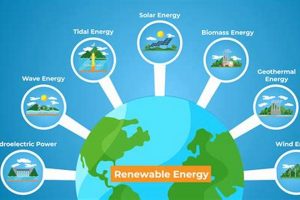
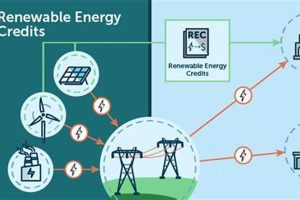
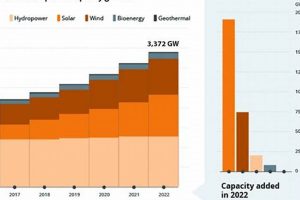
Generating sustainable power on a residential scale involves harnessing naturally replenishing resources like sunlight, wind, and water. For example, photovoltaic panels convert sunlight directly into electricity, while small wind turbines capture kinetic energy from moving air. Other options include micro-hydroelectric systems for properties with a consistent water source and geothermal heat pumps that utilize the Earth’s stable temperature for heating and cooling.
Decentralized energy production offers numerous advantages. It reduces reliance on fossil fuels, mitigating greenhouse gas emissions and promoting environmental stewardship. Furthermore, home-based renewable energy can lower electricity bills and provide a degree of energy independence, especially valuable during grid outages. Historically, advancements in technology have made these systems increasingly accessible and affordable for homeowners, driving a global shift toward sustainable living.
This article will explore the practical aspects of implementing various renewable energy solutions for residential use. Topics covered will include the feasibility, installation, maintenance, and cost considerations associated with each technology, empowering readers to make informed decisions about sustainable energy choices for their homes.
Tips for Home-Based Renewable Energy Generation
Careful planning and execution are crucial for successful implementation of residential renewable energy systems. The following tips offer guidance for maximizing efficiency and minimizing potential challenges.
Tip 1: Assess Energy Needs: Conduct a thorough energy audit to understand current consumption patterns. This analysis provides a baseline for determining the appropriate size and type of renewable energy system.
Tip 2: Evaluate Resource Availability: The local climate and geography significantly influence the viability of different renewable energy options. Solar potential is highest in sunny regions, while wind turbines require consistent breezes.
Tip 3: Research Available Technologies: Explore the various technologies available, considering factors such as efficiency, cost, lifespan, and maintenance requirements. Consulting with qualified professionals can provide valuable insights.
Tip 4: Consider System Integration: If multiple renewable energy sources are employed, ensure seamless integration for optimal performance. Battery storage solutions can further enhance energy independence.
Tip 5: Secure Necessary Permits: Check local regulations and obtain any required permits before installation. This ensures compliance with building codes and safety standards.
Tip 6: Prioritize Professional Installation: While some systems may offer DIY options, professional installation is generally recommended for safety and optimal performance. Qualified installers possess the expertise to handle complex electrical and structural requirements.
Tip 7: Implement Energy Efficiency Measures: Maximize the benefits of renewable energy by reducing overall energy consumption. This includes using energy-efficient appliances, improving insulation, and adopting mindful energy usage habits.
By following these guidelines, homeowners can effectively integrate renewable energy solutions, reducing their environmental impact while potentially lowering energy costs. Careful consideration of these factors contributes significantly to a successful and sustainable energy transition.
This exploration of practical tips provides a foundation for informed decision-making. The subsequent conclusion will summarize the key advantages of residential renewable energy generation and its contribution to a sustainable future.
1. Solar Panels

Solar panels represent a cornerstone of residential renewable energy generation. Photovoltaic (PV) panels directly convert sunlight into electricity via the photovoltaic effect, offering a clean and sustainable energy source. This process reduces reliance on grid electricity derived from fossil fuels, consequently minimizing carbon footprints and contributing to environmental sustainability. The modular nature of solar panels allows for scalability, catering to varying energy demands. A small array can power essential appliances, while larger installations can offset a significant portion of a household’s total energy consumption. For example, a home with high daytime electricity usage for air conditioning could benefit substantially from solar panels, reducing peak demand and potentially feeding excess energy back into the grid.
Practical implementation requires careful consideration of factors such as roof orientation, shading, and local solar irradiance levels. South-facing roofs in the northern hemisphere generally receive optimal sunlight exposure, maximizing energy production. However, advancements in panel technology and mounting systems allow for efficient energy generation even in less ideal conditions. Integrating battery storage solutions with solar panel systems further enhances energy independence, providing power during nighttime hours or grid outages. The decreasing cost of solar panel technology combined with government incentives and net metering programs makes solar energy an increasingly accessible and economically viable option for homeowners.
While initial installation costs can be significant, solar panels offer a long-term return on investment through reduced electricity bills and potential feed-in tariffs. Furthermore, they require minimal maintenance, primarily periodic cleaning and occasional inverter replacements. The increasing adoption of solar panels signifies a crucial step towards decentralized energy production, empowering individuals to contribute to a sustainable energy future and mitigate the impacts of climate change. Successfully integrating solar panels into a residential setting requires thorough planning, professional installation, and ongoing monitoring to ensure optimal performance and maximize the benefits of this clean energy technology.
2. Wind Turbines

Harnessing wind energy through residential wind turbines presents a viable option for generating renewable energy at home, particularly in locations with sufficient and consistent wind resources. While not as universally applicable as solar panels, wind turbines offer a complementary technology capable of producing clean electricity, reducing reliance on conventional power sources, and contributing to a sustainable energy future. Their effectiveness is heavily dependent on site-specific wind conditions, necessitating careful assessment before installation.
- Turbine Size and Placement:
Residential wind turbines range in size from small units designed for rooftops to larger towers requiring dedicated ground space. Optimal placement is crucial for maximizing energy capture. Higher elevations and open areas unobstructed by buildings or trees generally experience stronger and more consistent winds. For instance, a coastal property with unobstructed exposure to prevailing winds would be a more suitable location than a densely populated urban area. Careful consideration of local wind patterns and potential obstructions is essential for effective turbine placement and efficient energy generation.
- Energy Output and Storage:
The energy output of a wind turbine depends on its size, design, and the wind speed at the installation site. While larger turbines generate more electricity, smaller units can still contribute significantly to a household’s energy needs. Integrating battery storage systems allows for continuous power availability even during periods of low wind speed or high energy demand. This stored energy can power essential appliances or provide backup power during grid outages, enhancing energy independence. For example, a home with a consistent nighttime energy demand could utilize battery storage charged by daytime wind power, reducing reliance on grid electricity.
- Environmental and Regulatory Considerations:
Wind turbines, while generally environmentally friendly, can have potential impacts on local wildlife, particularly birds and bats. Careful site selection and mitigation strategies, such as bird deflectors, can minimize these risks. Additionally, local regulations and permitting requirements may govern turbine installation, including height restrictions and noise limitations. Consulting with local authorities and environmental experts is crucial to ensure compliance and minimize potential environmental impacts.
- Economic Factors and Maintenance:
The initial investment for a residential wind turbine can be substantial, but long-term cost savings through reduced electricity bills and potential government incentives can offset this expense. Regular maintenance, including blade inspections and lubrication, is essential for optimal performance and longevity. The economic viability of wind energy depends on factors such as local electricity prices, available incentives, and the consistency of wind resources at the installation site. A thorough cost-benefit analysis is essential before investing in a residential wind turbine.
By carefully considering these factors, homeowners can effectively integrate wind turbines into their renewable energy strategy, further reducing their reliance on conventional energy sources and contributing to a more sustainable future. Combining wind energy with other renewable technologies, such as solar panels, can create a more robust and resilient home energy system, maximizing clean energy generation and minimizing environmental impact.
3. Hydropower Systems

Hydropower systems offer a compelling approach to generating renewable energy at home, particularly for properties with access to a consistent flowing water source. While less common than solar or wind power, micro-hydroelectric systems can provide a reliable and sustainable energy solution, reducing reliance on grid electricity and contributing to environmental conservation. Harnessing the kinetic energy of moving water, these systems convert this natural resource into electricity, offering a localized and environmentally friendly power generation method.
- System Components and Functionality:
Micro-hydroelectric systems typically consist of a turbine, generator, and control system. Water flow is directed through the turbine, causing it to rotate and drive the generator, which produces electricity. The control system regulates the flow of electricity and ensures safe operation. System design and capacity vary depending on the available water flow rate and head (vertical drop). For instance, a property with a steep stream could utilize a high-head system with a smaller turbine, while a property with a large, slow-moving river might require a low-head system with a larger turbine. Understanding these parameters is crucial for selecting an appropriate system configuration.
- Site Assessment and Resource Availability:
Implementing a hydropower system necessitates a thorough assessment of the available water resource. Factors such as flow rate, head, and seasonal variations significantly influence system feasibility and potential energy output. Properties with a consistent year-round water flow are ideal candidates. Conducting a hydrological study helps determine the long-term viability of the water source and ensures sustainable energy generation without disrupting the local ecosystem. For example, diverting excessive water flow could negatively impact downstream aquatic life and riparian habitats.
- Environmental Impact and Sustainability:
While hydropower is considered a clean energy source, micro-hydroelectric systems can still have localized environmental impacts. Altering water flow can affect aquatic habitats and fish migration patterns. Careful system design and implementation, including fish ladders and appropriate water flow management, are essential to minimize these impacts and ensure environmental sustainability. Collaborating with environmental agencies and conducting environmental impact assessments can mitigate potential risks and promote responsible hydropower development.
- Economic Considerations and Maintenance:
The initial cost of installing a micro-hydroelectric system can be significant, varying depending on system size, site conditions, and required infrastructure. However, long-term operational costs are typically low, primarily involving routine maintenance such as turbine cleaning and component replacement. The economic viability of a hydropower system depends on factors like available government incentives, local electricity prices, and the long-term availability and consistency of the water resource. A thorough cost-benefit analysis is essential before investing in a micro-hydroelectric system.
Integrating hydropower systems into a residential renewable energy strategy offers a unique opportunity to leverage naturally occurring water resources for sustainable power generation. By carefully considering site-specific conditions, environmental impacts, and economic factors, homeowners can effectively implement these systems, reducing their carbon footprint and contributing to a more decentralized and resilient energy landscape. Combining micro-hydropower with other renewable energy technologies can further enhance energy independence and promote a more sustainable future.
4. Geothermal Energy

Geothermal energy presents a unique opportunity for residential renewable energy generation by harnessing the Earth’s consistent subsurface temperature. Unlike solar or wind power, geothermal energy is available 24/7, regardless of weather conditions, providing a reliable and sustainable heating and cooling solution. This involves utilizing geothermal heat pumps, which exchange thermal energy with the ground. During winter, the system extracts heat from the relatively warmer earth and transfers it into the home. Conversely, during summer, the process reverses, transferring heat from the home into the cooler ground. This consistent temperature differential allows for efficient and sustainable climate control. For example, a home located in a region with harsh winters can significantly reduce heating costs by utilizing geothermal energy, minimizing reliance on fossil fuel-based heating systems.
Practical implementation involves installing a ground loop system, consisting of pipes buried underground, circulating a fluid that exchanges heat with the earth. The depth and configuration of the ground loop depend on factors such as soil type, climate, and heating/cooling demands. While installation costs can be higher compared to conventional HVAC systems, geothermal heat pumps offer significant long-term cost savings through reduced energy consumption. Furthermore, their operational lifespan is considerably longer, requiring minimal maintenance. Advances in drilling technology and heat pump efficiency have made geothermal energy increasingly accessible and cost-effective for homeowners. Integrating geothermal energy with other renewable technologies, such as solar panels for electricity generation, can further reduce a home’s carbon footprint and enhance energy independence.
Geothermal energy’s contribution to residential renewable energy generation offers a pathway toward decarbonizing the building sector and mitigating climate change. While site-specific geological conditions influence feasibility, geothermal heat pumps provide a reliable and sustainable alternative to conventional heating and cooling systems, reducing reliance on fossil fuels and promoting energy independence. Continued technological advancements and increasing consumer awareness are driving broader adoption of geothermal energy, contributing to a more sustainable and resilient energy future. Addressing challenges related to initial installation costs and promoting wider understanding of the long-term benefits are crucial for realizing the full potential of geothermal energy in residential applications.
5. Biomass Energy

Biomass energy, derived from organic matter, offers a potential pathway for residential renewable energy generation, albeit with specific considerations and limitations compared to other renewable sources. While not as widely adopted as solar or wind power for home use, biomass can contribute to a diversified energy portfolio, particularly in specific contexts. This involves converting organic materials, such as wood, agricultural residues, or dedicated energy crops, into usable energy forms like heat or electricity.
- Types of Biomass Resources:
Various biomass resources can be utilized for residential energy production. Wood, in the form of pellets, chips, or logs, is a common option, particularly in regions with abundant forestry resources. Agricultural residues, such as corn stalks or rice husks, offer another potential source, utilizing byproducts of agricultural activities. Dedicated energy crops, specifically grown for energy production, can provide a sustainable supply of biomass, but require land and resources for cultivation. Selecting an appropriate biomass resource depends on local availability, sustainability considerations, and the specific energy conversion technology employed. For instance, a rural home with access to sustainably managed woodlots could utilize wood-based biomass, while a farm might utilize agricultural residues.
- Conversion Technologies:
Several technologies facilitate converting biomass into usable energy. Direct combustion, typically in wood stoves or boilers, is a common method for heating. Gasification converts biomass into a combustible gas that can be used for cooking, heating, or electricity generation. Anaerobic digestion utilizes microorganisms to break down organic matter, producing biogas that can be used similarly to natural gas. Choosing an appropriate conversion technology depends on the type of biomass used, the desired energy output (heat or electricity), and the scale of implementation. For example, a small home might utilize a wood stove for heating, while a larger property could implement a biomass gasification system for combined heat and power generation.
- Environmental and Sustainability Considerations:
While biomass is considered renewable, its sustainability depends on responsible sourcing and utilization. Sustainable forestry practices and efficient combustion technologies are crucial for minimizing environmental impacts. Improper burning of biomass can release harmful air pollutants, negating some of its environmental benefits. Careful consideration of the entire biomass supply chain, from sourcing to conversion, is essential to ensure environmental sustainability. For instance, utilizing locally sourced wood from sustainably managed forests reduces transportation emissions and promotes responsible land management.
- Practical Application and Limitations:
Biomass energy offers practical applications for residential heating and, to a lesser extent, electricity generation. Wood stoves and pellet stoves are relatively common for space heating, while larger biomass boilers can provide hot water and central heating. However, biomass energy typically requires more hands-on management compared to other renewable sources, including fuel storage, handling, and system maintenance. Furthermore, its applicability is often limited by resource availability and environmental considerations. For instance, urban homes with limited access to biomass resources and stricter air quality regulations might find biomass less practical than solar or wind power.
Biomass energy can contribute to a diversified renewable energy portfolio for residential applications, particularly in specific contexts where biomass resources are readily available and sustainably managed. Careful consideration of resource availability, conversion technologies, environmental impacts, and practical limitations is essential for successful implementation. Integrating biomass energy with other renewable sources, such as solar or wind, can create a more robust and resilient home energy system, maximizing clean energy generation and minimizing environmental impact. Furthermore, ongoing research and development in biomass conversion technologies and sustainable biomass production practices are crucial for expanding the role of biomass in a sustainable energy future.
Frequently Asked Questions
This section addresses common inquiries regarding residential renewable energy generation, providing concise and informative responses to facilitate informed decision-making.
Question 1: What is the most cost-effective renewable energy source for home use?
The most cost-effective option depends on several factors, including geographic location, energy needs, and available incentives. Solar power has become increasingly affordable, often offering the quickest return on investment in sunny regions. However, other options like wind or micro-hydropower may be more suitable and cost-effective in specific circumstances.
Question 2: How much space is required for residential renewable energy systems?
Space requirements vary considerably depending on the chosen technology. Solar panels require sufficient roof or ground space, while wind turbines necessitate adequate clearance and wind access. Micro-hydropower systems require a suitable water source and appropriate infrastructure. Geothermal systems primarily require space for the ground loop installation.
Question 3: What maintenance is involved with residential renewable energy systems?
Maintenance requirements differ depending on the technology. Solar panels require periodic cleaning and occasional inverter replacements. Wind turbines necessitate regular blade inspections and lubrication. Hydropower systems may require periodic maintenance of the turbine and generator. Geothermal systems typically require minimal maintenance.
Question 4: Are government incentives available for residential renewable energy installations?
Many regions offer financial incentives, such as tax credits, rebates, or net metering programs, to encourage renewable energy adoption. Available incentives vary depending on location and specific technologies, so researching local programs is essential.
Question 5: Can residential renewable energy systems completely eliminate reliance on the grid?
While some systems can significantly reduce grid reliance, achieving complete energy independence often requires battery storage solutions to address intermittency issues associated with solar and wind power. The feasibility of complete grid independence depends on factors like energy consumption patterns, system capacity, and storage capacity.
Question 6: How long do residential renewable energy systems last?
System lifespans vary depending on the technology. Solar panels typically last 25-30 years or more. Wind turbines can operate for 20 years or more with proper maintenance. Hydropower systems can have even longer lifespans with appropriate maintenance. Geothermal systems offer extended operational lifespans, often exceeding 50 years for the ground loop and 20 years for the heat pump.
Understanding these common questions and their corresponding answers empowers individuals to make informed decisions regarding residential renewable energy integration. Careful consideration of individual circumstances, resource availability, and long-term goals is crucial for successful implementation.
The subsequent conclusion will summarize the key advantages of residential renewable energy generation and its contribution to a sustainable future.
Conclusion
This exploration of residential renewable energy generation has highlighted viable pathways for harnessing natural resources to power homes sustainably. From solar panels capturing sunlight to wind turbines harnessing wind energy, micro-hydroelectric systems utilizing water flow, geothermal heat pumps exchanging thermal energy with the earth, and biomass systems converting organic matter, numerous technologies offer opportunities to reduce reliance on conventional fossil fuels. Careful consideration of site-specific resource availability, energy demands, and economic factors is essential for selecting appropriate technologies and maximizing their effectiveness. Integrating multiple renewable sources and incorporating energy storage solutions can further enhance energy independence and resilience.
The transition to residential renewable energy represents a crucial step toward a more sustainable future. By empowering individuals to generate clean energy at home, reliance on centralized power grids diminishes, carbon footprints shrink, and environmental stewardship flourishes. Embracing these technologies fosters a decentralized and democratized energy landscape, contributing to a more resilient and environmentally responsible society. Continued technological advancements, supportive policies, and increasing public awareness will further accelerate the adoption of residential renewable energy, paving the way for a future powered by clean, sustainable resources.