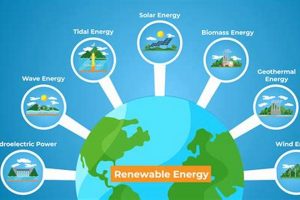
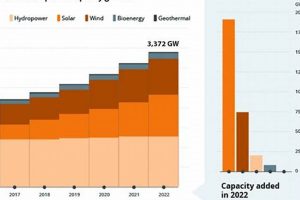
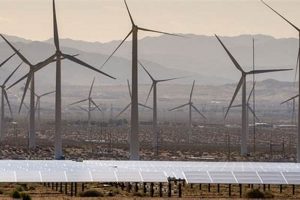
Capital flows directed towards sustainable power generation technologies, such as solar, wind, hydro, geothermal, and biomass, represent a significant portion of the worldwide effort to decarbonize energy systems. These investments encompass a wide range of activities, including research and development, manufacturing, project development, and grid infrastructure upgrades. For example, funding the construction of a new offshore wind farm or developing innovative solar panel technology falls under this category.
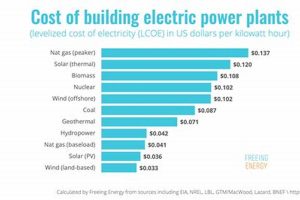
Financing the transition to cleaner energy sources is critical for mitigating climate change, enhancing energy security, and fostering sustainable economic growth. Historically, fossil fuels have dominated the energy landscape, but growing awareness of their environmental impact and the decreasing costs of renewable technologies have spurred a shift in investment priorities. This shift offers the potential for job creation in emerging green industries and can contribute to a more resilient and diversified energy portfolio for nations worldwide.
This exploration will delve further into specific areas within this vital domain, examining current trends, key players, regional variations, and future projections for sustainable energy finance.
Strategic allocation of capital within the renewable energy sector requires careful consideration of various factors. The following tips offer guidance for effective engagement with this evolving market.
Tip 1: Diversify across Technologies: Concentrating investments solely on one technology can expose portfolios to undue risk. A balanced approach across solar, wind, geothermal, and other renewable energy sources can mitigate technology-specific challenges.
Tip 2: Understand Regional Policies: Government incentives, regulations, and targets for renewable energy adoption vary significantly across jurisdictions. Thorough due diligence on the policy landscape is essential.
Tip 3: Assess Project Viability: Careful evaluation of project-specific factors, including resource availability, grid connection feasibility, and community acceptance, is crucial for successful investments.
Tip 4: Consider Long-Term Sustainability: Evaluate the environmental and social impact of projects throughout their lifecycle. Factors such as land use, water consumption, and community engagement should be considered.
Tip 5: Partner with Experienced Developers: Collaborating with reputable developers possessing a proven track record can minimize risks and enhance project success rates.
Tip 6: Monitor Technological Advancements: The renewable energy sector is characterized by rapid innovation. Staying informed about emerging technologies and their potential impact on existing investments is crucial.
Tip 7: Manage Currency and Political Risks: International investments require careful consideration of currency fluctuations and potential political instability in target markets. Appropriate risk mitigation strategies should be implemented.
By adhering to these guidelines, stakeholders can make more informed decisions, maximizing the potential for positive returns while contributing to a sustainable energy future.
These considerations provide a framework for understanding the complexities of renewable energy investment and pave the way for a more detailed examination of specific opportunities and challenges within this dynamic sector.
1. Funding Sources

Securing adequate financial resources is fundamental to deploying renewable energy technologies at scale. The availability and accessibility of funding significantly influence the pace and direction of the global energy transition. Examining the diverse sources of capital provides insights into the dynamics of this crucial aspect of renewable energy development.
- Venture Capital and Private Equity
Venture capital and private equity firms play a critical role in financing early-stage renewable energy technologies and project development. These investors provide capital for research and development, pilot projects, and the initial scaling of promising innovations. Examples include investments in novel solar cell materials or advanced wind turbine designs. Their involvement is essential for fostering innovation and bringing new technologies to market, but often carries higher risk.
- Project Finance
Project finance involves structuring non-recourse or limited-recourse loans secured by the projected cash flows of a specific renewable energy project. This financing mechanism is commonly used for large-scale projects such as wind farms or solar power plants. Lenders assess the technical feasibility, market conditions, and revenue potential of each project before providing financing. This approach reduces the financial burden on individual developers and facilitates larger investments.
- Government Incentives and Subsidies
Government policies, such as feed-in tariffs, tax credits, and grants, play a vital role in stimulating renewable energy investment. These incentives can reduce the cost of renewable energy technologies, making them more competitive with conventional fossil fuels. Examples include production tax credits for wind energy in the United States or feed-in tariffs for solar photovoltaic systems in Germany. These policies can accelerate market adoption and drive down costs over time.
- Green Bonds
Green bonds are debt instruments specifically earmarked for financing environmentally friendly projects, including renewable energy infrastructure. These bonds attract investors seeking both financial returns and positive environmental impact. The proceeds are used to fund a variety of projects, from renewable energy generation to energy efficiency improvements. This mechanism provides a dedicated channel for capital to flow into the renewable energy sector, leveraging investor demand for sustainable investments.
The interplay of these funding sources shapes the landscape of renewable energy investment. The availability of diverse financing options, coupled with supportive government policies, is crucial for accelerating the deployment of clean energy technologies and achieving global climate goals. Understanding these dynamics provides valuable insights for both investors and policymakers seeking to contribute to a sustainable energy future.
2. Technological Innovation

Advancements in renewable energy technologies are a primary driver of increased investment within the sector. Innovation reduces costs, improves efficiency, and expands the range of applications for renewable energy sources. Exploring key areas of technological development provides crucial insight into the future direction of renewable energy investments.
- Next-Generation Solar Cells
Research into perovskite solar cells, organic photovoltaics, and other advanced materials promises significant improvements in solar energy conversion efficiency and manufacturing costs. These technologies could potentially surpass the performance of traditional silicon-based solar cells, opening new avenues for solar energy deployment. Increased efficiency translates to higher energy yields, making solar power a more attractive investment.
- Advanced Wind Turbine Designs
Developments in wind turbine technology, including larger rotor diameters, taller towers, and improved blade aerodynamics, are enhancing energy capture and enabling wind farms to operate in a wider range of wind conditions. Floating offshore wind platforms extend wind energy generation to deeper waters, tapping into a vast, previously inaccessible resource. These advancements increase the capacity factor of wind farms, improving the return on investment.
- Energy Storage Solutions
Innovation in energy storage technologies, such as advanced battery chemistries, pumped hydro storage, and thermal energy storage, is addressing the intermittency challenges associated with renewable energy sources. Effective energy storage enables grid stability and allows for greater integration of renewable energy into the power system. This improves reliability and increases the value proposition of renewable energy projects, attracting further investment.
- Smart Grid Technologies
Investments in smart grid technologies, including advanced metering infrastructure, grid sensors, and sophisticated control systems, are enhancing grid management and facilitating the integration of distributed renewable energy resources. Smart grids optimize energy flow, reduce transmission losses, and improve grid resilience. This strengthens the overall energy infrastructure and supports the growth of renewable energy generation.
These technological advancements are not only driving down the cost of renewable energy but also expanding its potential applications and improving its reliability. Continued innovation in these areas will be crucial for attracting further investment and accelerating the global transition to a sustainable energy future. The interplay between technological breakthroughs and investment decisions will shape the future of the renewable energy sector.
3. Policy Landscape

Government policies play a pivotal role in shaping the trajectory of renewable energy investments. Supportive policies can incentivize investment, accelerate deployment, and drive down costs, while unfavorable or inconsistent policies can create uncertainty and hinder progress. The policy landscape encompasses a range of instruments, including financial incentives, regulatory frameworks, and renewable energy targets, each exerting a significant influence on investment decisions.
Cause and Effect: Policies such as feed-in tariffs, tax credits, and renewable portfolio standards (RPS) directly impact the financial viability of renewable energy projects. Feed-in tariffs guarantee a fixed price for renewable energy generation, providing revenue certainty for investors. Tax credits reduce the upfront cost of renewable energy installations, making them more attractive to developers. RPS mandates require a certain percentage of electricity generation to come from renewable sources, creating market demand and stimulating investment. For example, Germany’s early adoption of feed-in tariffs fueled rapid growth in its solar photovoltaic industry, demonstrating the powerful impact of supportive policies.
Importance as a Component: A stable and predictable policy environment is essential for attracting long-term investments in renewable energy. Policy uncertainty, such as retroactive changes to incentive programs or inconsistent regulatory frameworks, can increase investment risk and deter potential investors. Conversely, clear and consistent policies, coupled with long-term renewable energy targets, provide investors with the confidence needed to commit significant capital to projects. The success of Denmark’s wind energy sector, underpinned by consistent government support and ambitious renewable energy targets, underscores the importance of a favorable policy landscape.
Practical Significance: Understanding the policy landscape is crucial for investors seeking to navigate the renewable energy market. Thorough due diligence on existing policies, as well as anticipating potential policy changes, is essential for making informed investment decisions. Policy advocacy and engagement with policymakers can also play a vital role in shaping the future direction of renewable energy policy and creating a more favorable investment environment. This understanding enables investors to identify opportunities, mitigate risks, and maximize the impact of their investments in the transition to a sustainable energy future.
4. Geographic Distribution

Renewable energy investment exhibits significant geographic variations, influenced by factors such as resource availability, policy landscapes, market maturity, and economic conditions. Understanding these geographic dynamics is crucial for effective capital allocation and maximizing the impact of investments in the global energy transition. Resource-rich regions, such as areas with high solar irradiance or strong wind resources, naturally attract investment in corresponding technologies. Similarly, supportive government policies and established regulatory frameworks can create attractive investment environments in specific countries or regions. For example, China’s substantial investments in solar photovoltaic manufacturing and deployment have been driven by a combination of favorable policies, abundant resources, and growing domestic demand. Conversely, regions with limited resources, policy uncertainty, or underdeveloped infrastructure may face challenges in attracting renewable energy investment.
Geographic distribution plays a crucial role in shaping the overall effectiveness of global renewable energy investments. Diversifying investments across different regions can mitigate risks associated with policy changes, resource availability, and market volatility. Furthermore, directing investments towards regions with high energy demand and limited access to clean energy can maximize the social and environmental impact of these investments. For instance, investments in off-grid renewable energy solutions in sub-Saharan Africa can address energy poverty and promote sustainable development. Strategic geographic allocation of investments can optimize both financial returns and societal benefits, contributing to a more equitable and sustainable energy future. Examining the interplay between geographic factors, policy landscapes, and market dynamics provides valuable insights for investors seeking to navigate the complexities of the renewable energy sector.
Effective allocation of renewable energy investments requires careful consideration of geographic factors. Analyzing resource potential, policy environments, market maturity, and local community needs can inform strategic investment decisions. Furthermore, understanding the geographic distribution of renewable energy resources and infrastructure is essential for optimizing grid integration and ensuring efficient energy delivery. Addressing regional disparities in access to clean energy and fostering international collaboration can accelerate the global transition to a sustainable energy system. By recognizing the importance of geographic distribution, investors can maximize the impact of their investments and contribute to a more equitable and resilient energy future worldwide.
5. Risk Mitigation

Risk mitigation is paramount in attracting and safeguarding investments within the renewable energy sector. Given the significant capital expenditures and long-term nature of renewable energy projects, identifying and mitigating potential risks is crucial for ensuring project viability and investor confidence. Several key risks require careful consideration, including policy and regulatory changes, technology obsolescence, resource variability, grid integration challenges, supply chain disruptions, and environmental and social impacts.
Cause and Effect: Failure to adequately address these risks can have significant consequences. For example, retroactive changes to feed-in tariffs or renewable energy subsidies can undermine the financial viability of projects, deterring future investment. Similarly, unforeseen technological advancements can render existing technologies obsolete, impacting project returns. Resource variability, such as fluctuations in wind speed or solar irradiance, can affect energy output and revenue streams. Grid integration challenges, such as insufficient transmission capacity or grid instability, can limit the effectiveness of renewable energy projects. Supply chain disruptions, caused by geopolitical instability or natural disasters, can delay project completion and increase costs. Finally, neglecting environmental and social impacts can lead to project delays, community opposition, and reputational damage.
Importance as a Component: Effective risk mitigation strategies are essential for fostering a stable and attractive investment environment. Conducting thorough due diligence, including detailed resource assessments, technology evaluations, and policy analysis, can help identify and quantify potential risks. Diversifying investments across different technologies, geographies, and project stages can reduce portfolio risk. Securing long-term power purchase agreements (PPAs) can provide revenue stability and mitigate market risks. Implementing robust environmental and social impact assessments can minimize project delays and community opposition. Developing contingency plans for potential disruptions can enhance project resilience. Finally, engaging with policymakers and stakeholders can promote policy stability and regulatory certainty.
Practical Significance: A comprehensive understanding of risk mitigation strategies is essential for investors, developers, and policymakers involved in the renewable energy sector. By proactively identifying and mitigating potential risks, stakeholders can enhance project success rates, attract greater investment, and accelerate the transition to a sustainable energy future. The ability to effectively manage risks not only protects investments but also contributes to the long-term stability and growth of the renewable energy market. This understanding allows for informed decision-making, fostering a more resilient and sustainable energy sector. The practical application of risk mitigation strategies directly influences project outcomes, investor confidence, and the overall progress of the renewable energy transition.
6. Long-Term Sustainability
Long-term sustainability is inextricably linked to global investment in renewable energy. Sustainable development requires a shift away from finite, polluting fossil fuels toward cleaner, renewable energy sources. Investments in renewable energy projects must consider not only immediate economic returns but also their long-term environmental and social impacts. This holistic approach ensures that renewable energy projects contribute to a truly sustainable future.
- Environmental Impact
Renewable energy projects, while generally considered environmentally friendly, can still have localized impacts. Land use change, habitat disruption, and water consumption are potential concerns that require careful assessment and mitigation. Life-cycle assessments of renewable energy technologies, from material sourcing to end-of-life disposal, are essential for minimizing environmental footprints. For example, responsible sourcing of materials for solar panels and wind turbines can reduce the environmental impact of manufacturing processes.
- Social Impact
Renewable energy projects can have significant social impacts, both positive and negative. Job creation, community development, and improved access to electricity are potential benefits. However, projects can also lead to displacement of communities, visual impacts, and noise pollution. Engaging with local communities and addressing their concerns is crucial for ensuring equitable and socially responsible development. Community ownership models, where local residents benefit directly from renewable energy projects, can foster social acceptance and enhance project sustainability.
- Economic Viability
Long-term sustainability requires that renewable energy projects be economically viable. Stable policy frameworks, transparent pricing mechanisms, and access to financing are essential for attracting and sustaining investment. Long-term power purchase agreements (PPAs) can provide revenue certainty for project developers, while innovative financing mechanisms, such as green bonds, can mobilize capital for large-scale projects. Economic viability ensures the continued growth and expansion of the renewable energy sector.
- Technological Advancement
Continued technological advancements are crucial for enhancing the long-term sustainability of renewable energy. Improving energy efficiency, reducing material usage, and developing innovative recycling methods can minimize environmental impacts. Investing in research and development of next-generation renewable energy technologies, such as advanced energy storage solutions and smart grid technologies, can further enhance grid stability, reliability, and integration of renewable energy sources. Technological progress is key to unlocking the full potential of renewable energy and achieving a truly sustainable energy future.
These facets of long-term sustainability are interconnected and must be considered holistically when evaluating renewable energy investments. By prioritizing environmental stewardship, social equity, and economic viability, while fostering technological innovation, investments in renewable energy can drive a transition towards a more sustainable and resilient energy future. This integrated approach maximizes the benefits of renewable energy while minimizing potential risks, ensuring a positive and lasting contribution to global sustainability efforts.
Frequently Asked Questions
Addressing common inquiries regarding financing sustainable energy solutions is crucial for fostering informed decision-making and promoting wider participation in the global energy transition. The following questions and answers offer clarity on key aspects of this complex landscape.
Question 1: How are investments in renewable energy quantified and tracked globally?
Various international organizations, including the International Energy Agency (IEA), Bloomberg New Energy Finance, and the Frankfurt School-UNEP Collaborating Centre, collect and analyze data on renewable energy investments. These data sources track financial flows into renewable energy projects, research and development, and related infrastructure. Methodologies vary, but generally include investments in utility-scale projects, distributed generation, and related manufacturing and infrastructure.
Question 2: What are the primary barriers to greater investment in renewable energy?
Obstacles include policy uncertainty, regulatory hurdles, financing challenges, grid infrastructure limitations, and public perception. Inconsistent government policies or retroactive changes to incentive programs can create investment risk. Difficulty accessing affordable financing can hinder project development, particularly in emerging markets. Inadequate grid infrastructure can limit the integration of renewable energy resources.
Question 3: How do renewable energy investments compare to those in fossil fuels?
Investment in renewable energy has been growing rapidly, exceeding fossil fuel investments in some years and regions. However, fossil fuels continue to receive substantial financial support, particularly in developing economies. The relative levels of investment vary annually and are influenced by factors such as fluctuating fossil fuel prices, technological advancements in renewable energy, and policy shifts.
Question 4: What role does risk management play in renewable energy investments?
Given the long-term nature and capital intensity of renewable energy projects, robust risk management is crucial. Strategies include thorough due diligence on resource assessments, policy analysis, and technology evaluation. Diversifying investments across geographies, technologies, and project stages can mitigate portfolio risk. Hedging against currency fluctuations and interest rate changes is also important for international investments.
Question 5: How can individuals participate in financing renewable energy projects?
Individuals can participate through various channels, including community solar projects, crowdfunding platforms for renewable energy, and investing in green bonds or mutual funds specializing in sustainable energy. Community solar projects allow individuals to subscribe to a share of a local solar farm and receive credits on their electricity bills. Crowdfunding platforms provide opportunities to invest directly in specific renewable energy projects. Green bonds and mutual funds offer diversified investment options in the renewable energy sector.
Question 6: How do renewable energy investments contribute to sustainable development goals?
Financing sustainable energy solutions directly supports several Sustainable Development Goals, including affordable and clean energy (SDG 7), climate action (SDG 13), industry, innovation, and infrastructure (SDG 9), and sustainable cities and communities (SDG 11). Investments contribute to clean energy access, greenhouse gas emission reductions, job creation, and technological innovation. This supports global efforts toward a more sustainable and equitable future.
Understanding these frequently asked questions provides a foundational understanding of the complexities and opportunities within the renewable energy investment landscape. This knowledge empowers individuals, businesses, and policymakers to make informed decisions that contribute to a sustainable energy future.
Further exploration of specific investment opportunities, regional variations, and emerging trends will provide a more comprehensive understanding of the evolving dynamics of renewable energy finance.
Conclusion
Exploration of financial flows toward sustainable energy technologies reveals a multifaceted landscape shaped by technological innovation, policy frameworks, geographic distribution, risk mitigation strategies, and long-term sustainability considerations. The transition from fossil fuel dependence necessitates a significant reallocation of capital towards cleaner sources of power generation. Understanding the interplay of these factors is crucial for effective investment decisions that drive both economic growth and environmental stewardship. Diversification across technologies, geographic regions, and project stages is essential for mitigating risks and maximizing the impact of investments.
The continued growth and evolution of the renewable energy sector presents both challenges and opportunities. Strategic allocation of capital, informed by rigorous analysis and long-term vision, holds the key to unlocking the full potential of sustainable energy technologies. Supportive policy frameworks, technological advancements, and proactive risk management will be crucial for attracting further investment and ensuring a smooth transition towards a more sustainable and resilient energy future. The trajectory of future investments will ultimately determine the pace and success of global efforts to mitigate climate change and build a cleaner, more secure energy system for generations to come.