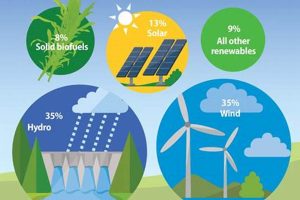
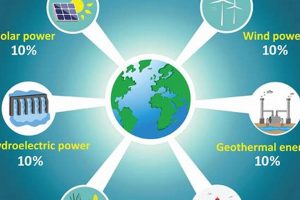
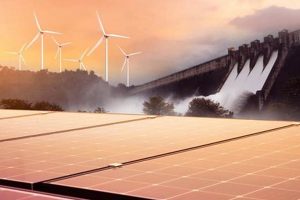
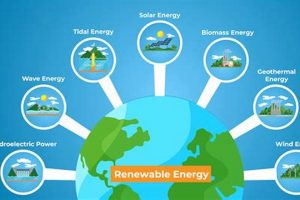
Power generation methods relying on naturally replenishing resources are evolving rapidly. These upcoming technologies harness energy from solar, wind, geothermal, hydro, and biomass in innovative ways, moving beyond traditional implementations. For example, advancements in perovskite solar cells promise higher efficiencies than silicon-based counterparts, while airborne wind energy systems aim to access stronger, more consistent winds at higher altitudes.
The ongoing development and deployment of these technologies are crucial for mitigating climate change, enhancing energy security, and fostering sustainable economic growth. Historically, societies have relied on finite fossil fuels, leading to environmental degradation and geopolitical instability. A shift toward these sustainable alternatives offers a cleaner, more resilient energy future, reducing reliance on volatile global markets and diminishing greenhouse gas emissions.
This article will explore several key areas of innovation in this sector, examining the potential of advanced solar technologies, offshore wind farms, enhanced geothermal systems, and next-generation hydropower. It will also consider the role of energy storage solutions and smart grids in integrating these intermittent sources into the overall energy infrastructure.
Strategies for Promoting Sustainable Energy Development
The following recommendations outline critical steps for advancing the adoption and effectiveness of environmentally friendly power options.
Tip 1: Prioritize Research and Development: Investment in emerging technologies is essential. Focused research can unlock the full potential of advanced solar materials, deep geothermal resources, and high-altitude wind capture systems.
Tip 2: Establish Supportive Policy Frameworks: Governments should implement policies that incentivize investment and deployment. This includes feed-in tariffs, tax credits, and streamlined permitting processes for sustainable energy projects.
Tip 3: Enhance Energy Storage Solutions: Addressing the intermittency of solar and wind requires robust storage infrastructure. Research and development into advanced battery technologies, pumped hydro storage, and compressed air energy storage are critical.
Tip 4: Modernize Grid Infrastructure: Smart grids are essential for integrating decentralized energy sources. Upgrading transmission lines and implementing advanced grid management systems can improve efficiency and reliability.
Tip 5: Foster Public-Private Partnerships: Collaboration between government, industry, and research institutions is crucial. These partnerships can accelerate innovation and ensure the successful deployment of new technologies.
Tip 6: Promote Public Awareness and Education: Educating the public about the benefits is essential for garnering support. Awareness campaigns can highlight the environmental and economic advantages of these sustainable power sources.
Tip 7: Invest in Skilled Workforce Development: Training and education programs are needed to ensure a skilled workforce capable of designing, installing, and maintaining sustainable energy systems. This will support job creation and economic growth.
These strategies offer a comprehensive roadmap for driving advancements. By focusing on innovation, policy support, infrastructure development, and public engagement, a transition toward a cleaner and more secure energy future can be realized.
The next section will provide a summary of the current challenges and opportunities, paving the way for continued progress in the field.
1. Advanced Materials

The development and integration of advanced materials are fundamentally linked to the viability and scalability of future renewable energy sources. These materials, often possessing enhanced properties compared to conventional counterparts, are essential for improving energy conversion efficiency, reducing costs, and increasing the lifespan of renewable energy technologies. The relationship is causal: progress in materials science directly enables advancements in renewable energy systems.
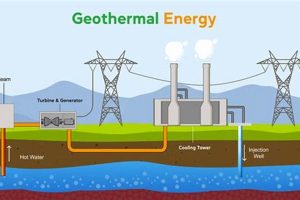
Consider, for example, perovskite solar cells. Perovskite materials offer the potential for significantly higher power conversion efficiencies than traditional silicon-based solar cells, while also being potentially cheaper to manufacture. Similarly, advancements in the materials used in wind turbine blades, such as carbon fiber composites and specialized polymers, allow for the construction of larger, lighter blades that can capture more wind energy. In geothermal energy, the development of corrosion-resistant alloys is crucial for withstanding the harsh conditions found deep underground, enabling the extraction of geothermal energy from previously inaccessible locations. Therefore, the development of novel advanced materials will be the main reason of the increasing number of future renewable energy sources.
In conclusion, advanced materials represent a critical enabler for the widespread adoption of renewable energy. Overcoming challenges related to material stability, scalability, and cost will be crucial for realizing the full potential of these technologies. Continued research and development in this area are paramount to achieving a sustainable energy future, linking the materials science innovations to the broader imperative of environmental protection and economic development of our future.
2. Grid Modernization

Grid modernization is not merely an upgrade to existing electrical infrastructure; it is a fundamental requirement for integrating future renewable energy sources effectively and reliably. The traditional power grid, designed for centralized generation and unidirectional power flow, is ill-equipped to handle the variable and distributed nature of many renewable energy resources. Successful integration hinges on transforming the grid into a more flexible, resilient, and intelligent system.
- Smart Grids and Advanced Metering Infrastructure (AMI)
Smart grids leverage advanced communication and control technologies to monitor and manage power flow in real-time. AMI systems, including smart meters, provide granular data on energy consumption patterns, enabling utilities to optimize grid operations and facilitate demand response programs. For example, during periods of peak renewable energy generation, AMI can enable dynamic pricing to incentivize consumption and balance supply and demand. The deployment of these technologies is fundamental for accommodating intermittent renewable sources like solar and wind.
- Enhanced Transmission Infrastructure
Many renewable energy resources are located in remote areas, far from major population centers. Upgrading and expanding transmission infrastructure is crucial for transporting electricity from these locations to areas of high demand. This includes building new high-voltage transmission lines, upgrading existing lines to increase capacity, and implementing advanced technologies like high-voltage direct current (HVDC) transmission, which minimizes losses over long distances. Failure to address transmission bottlenecks will severely limit the ability to utilize geographically diverse renewable resources.
- Distributed Energy Resources (DER) Integration
DER, including rooftop solar, small-scale wind turbines, and combined heat and power (CHP) systems, are becoming increasingly prevalent. Integrating DER requires advanced grid management systems that can handle bidirectional power flow and ensure grid stability. Microgrids, which are localized grids that can operate independently or in conjunction with the main grid, offer a promising solution for integrating DER and enhancing grid resilience. Sophisticated control algorithms and communication networks are essential for managing the complex interactions between DER and the broader grid.
- Cybersecurity and Grid Security
A modernized grid relies heavily on digital technologies, making it vulnerable to cyberattacks. Strengthening cybersecurity measures is paramount to protecting the grid from malicious actors who could disrupt power supply or compromise grid operations. This includes implementing robust security protocols, monitoring grid activity for suspicious behavior, and developing contingency plans to respond to cyber incidents. The increased reliance on renewable energy sources adds complexity to grid security, requiring a comprehensive and proactive approach.
These facets of grid modernization are interconnected and essential for a successful transition to a sustainable energy future. Without a modern and robust grid infrastructure, the potential benefits of renewable energy resources cannot be fully realized. Investment in grid modernization is therefore not only a technological imperative but also a crucial step toward achieving energy security, reducing greenhouse gas emissions, and fostering a more sustainable energy system.
3. Storage Capacity

Storage capacity is a pivotal element in the widespread integration of future renewable energy sources. The inherent intermittency of many renewables, such as solar and wind, necessitates robust storage solutions to ensure a consistent and reliable energy supply. Without adequate storage, the full potential of renewables cannot be realized, hindering their ability to displace traditional fossil fuels.
- Battery Energy Storage Systems (BESS)
BESS technologies, including lithium-ion, sodium-ion, and flow batteries, store electrical energy for later use. These systems are becoming increasingly cost-effective and are deployed in various applications, from residential backup power to grid-scale frequency regulation. For instance, large-scale BESS installations can smooth out the fluctuations in solar power output, providing a more stable energy supply to the grid. The scalability and responsiveness of BESS make them a crucial component of modern energy infrastructure.
- Pumped Hydro Storage (PHS)
PHS is a mature and widely deployed energy storage technology that utilizes the potential energy of water stored at different elevations. During periods of low demand or high renewable energy production, water is pumped to an upper reservoir. When demand increases or renewable generation decreases, the water is released to generate electricity. PHS facilities provide significant storage capacity and can respond quickly to changes in grid conditions, making them well-suited for balancing intermittent renewable resources.
- Compressed Air Energy Storage (CAES)
CAES systems store energy by compressing air and storing it in underground caverns or above-ground tanks. When energy is needed, the compressed air is released to drive a turbine and generate electricity. Advanced CAES designs, such as adiabatic CAES, improve efficiency by storing the heat generated during compression and reusing it during expansion. CAES offers a potentially cost-effective solution for large-scale energy storage, particularly in regions with suitable geological formations.
- Thermal Energy Storage (TES)
TES technologies store energy in the form of heat or cold. These systems can be used for a variety of applications, including heating and cooling buildings, industrial processes, and solar thermal power plants. TES can significantly improve the efficiency and reliability of renewable energy systems by decoupling energy production from energy demand. For example, solar thermal power plants with TES can continue to generate electricity even after sunset, providing a more consistent energy supply.
These storage technologies represent a spectrum of solutions for addressing the intermittency challenges associated with renewable energy sources. The optimal mix of storage technologies will vary depending on factors such as grid characteristics, renewable energy resource availability, and economic considerations. However, the deployment of adequate storage capacity is essential for enabling a reliable and sustainable energy system powered by renewable resources. Continued innovation and cost reductions in storage technologies are crucial for accelerating the transition to a cleaner energy future.
4. Policy Incentives

Governmental policy incentives are a primary driver in the development and deployment of environmentally friendly energy options. These interventions directly influence the economic viability and attractiveness of environmentally friendly energy projects, creating an environment conducive to innovation and investment within the sector.
- Feed-in Tariffs (FITs)
FITs guarantee a fixed price for electricity generated from renewable sources, typically for a specified period. This price stability reduces investment risk and encourages deployment of technologies like solar, wind, and biomass. Germany’s Energiewende is a prominent example where FITs significantly accelerated the adoption of solar photovoltaic and wind power, demonstrating their efficacy in promoting growth.
- Tax Credits and Rebates
Tax credits and rebates lower the initial capital cost of implementing renewable energy systems. Investment Tax Credits (ITCs), for instance, allow businesses to deduct a percentage of the cost of renewable energy systems from their taxes. Residential rebates can decrease the upfront cost of installing solar panels or energy-efficient appliances, stimulating consumer adoption and reducing reliance on conventional fossil fuels.
- Renewable Portfolio Standards (RPS)
RPS mandates that a certain percentage of electricity sold by utilities comes from renewable sources. These standards create a guaranteed market for power from renewable energy generation, which in turn encourages utilities to invest in and procure from renewable sources. California’s RPS, one of the most ambitious in the United States, has been instrumental in driving renewable energy deployment and promoting technological innovation in the sector.
- Carbon Pricing Mechanisms
Carbon pricing, implemented through carbon taxes or cap-and-trade systems, creates a financial disincentive for emitting carbon dioxide and other greenhouse gases. This mechanism makes fossil fuels less competitive and renewable energy more economically attractive. The European Union Emissions Trading System (EU ETS) exemplifies a carbon pricing mechanism that has influenced investment decisions, pushing industries towards greener alternatives and contributing to the growth of environmentally friendly power sources.
The effectiveness of these policy incentives is contingent on their design and implementation. Consistent, long-term policies that provide certainty for investors are more effective at driving innovation and deployment than short-term, unpredictable interventions. Moreover, policies must be tailored to the specific characteristics of the energy market and technology in question. The success of these policy drivers is key to transitioning towards a sustainable and environmentally conscious energy future.
5. Distributed Generation

Distributed generation (DG) is intrinsically linked to the advancement of future renewable energy sources. DG, characterized by smaller-scale power generation technologies located close to the point of consumption, directly facilitates the integration of many renewable energy resources. This is particularly true for sources like solar photovoltaic (PV) and small-scale wind turbines, which are often deployed at residential, commercial, or community levels. The geographical dispersion inherent in DG reduces transmission losses and enhances grid resilience compared to centralized generation models.
The widespread adoption of DG based on renewable sources can have a significant impact on overall energy systems. For example, rooftop solar PV installations, coupled with battery storage, enable consumers to become “prosumers,” both producing and consuming electricity, thereby reducing their reliance on the central grid. Microgrids, another manifestation of DG, can operate independently from the main grid, providing a reliable power supply during grid outages or in remote locations where grid extension is economically infeasible. These capabilities are crucial for enhancing energy security and promoting a more decentralized and resilient energy infrastructure.
However, the effective integration of DG requires careful planning and grid management. Challenges include ensuring grid stability with intermittent renewable sources, managing bidirectional power flow, and addressing regulatory hurdles related to interconnection and net metering. Smart grid technologies, such as advanced metering infrastructure (AMI) and distributed energy resource management systems (DERMS), are essential for addressing these challenges. Successfully navigating these technical and regulatory complexities will be critical for realizing the full potential of DG in facilitating the transition to a sustainable energy future.
Frequently Asked Questions
This section addresses common inquiries concerning the evolving landscape of power generation relying on naturally replenishing resources.
Question 1: What are the primary advantages associated with a shift towards future renewable energy sources?
Transitioning to power derived from sustainable resources offers several key benefits. Decreased greenhouse gas emissions mitigate climate change impacts. Enhanced energy security reduces dependence on volatile global fossil fuel markets. Economic growth is stimulated through job creation in the renewable energy sector.
Question 2: What technological barriers currently impede the widespread adoption of environmentally friendly power generation?
Intermittency remains a significant challenge. Solar and wind power fluctuate depending on weather conditions. Energy storage technologies, while advancing, still require further development to ensure consistent and reliable power supply. Grid infrastructure requires modernization to accommodate bidirectional power flow and distributed generation.
Question 3: How do policy incentives impact the development and deployment of future renewable energy technologies?
Policy incentives play a crucial role in accelerating the transition. Feed-in tariffs, tax credits, and renewable portfolio standards create stable markets and reduce investment risks. Carbon pricing mechanisms, such as carbon taxes and cap-and-trade systems, incentivize emission reductions and level the playing field for environmentally friendly energy sources.
Question 4: What role does energy storage play in enabling the greater utilization of future renewable energy resources?
Energy storage is essential for addressing the intermittency of solar and wind power. Battery energy storage systems, pumped hydro storage, and compressed air energy storage enable the capture and release of energy, ensuring a consistent power supply even when renewable generation is low. Storage also provides grid stability and enables peak shaving, reducing the need for expensive peak power plants.
Question 5: How does distributed generation contribute to the future of sustainable energy systems?
Distributed generation involves smaller-scale power generation technologies located close to the point of consumption. It enables consumers to become prosumers, generating and consuming their own electricity. Microgrids, a form of distributed generation, enhance grid resilience and provide a reliable power supply during grid outages. DG reduces transmission losses and promotes a more decentralized and resilient energy infrastructure.
Question 6: What are the long-term economic implications of transitioning to future renewable energy systems?
While upfront costs may be higher, these systems offer long-term economic benefits. Reduced reliance on fossil fuels decreases exposure to price volatility and geopolitical risks. Green jobs are created in manufacturing, installation, and maintenance. Lower healthcare costs result from improved air quality. The transition can stimulate innovation and enhance global competitiveness.
In summary, the adoption of technologies relying on naturally replenishing resources presents both challenges and opportunities. Overcoming technical barriers, implementing supportive policies, and investing in grid modernization and energy storage are crucial for unlocking the full potential of sustainable power generation. The economic and environmental benefits of this transition are substantial, positioning renewable energy as a cornerstone of a sustainable future.
The following section will explore future trends.
Future Renewable Energy Sources
This exploration has presented an overview of various pathways toward a sustainable energy future. The significance of advanced materials, modernized grid infrastructure, enhanced storage capacity, strategic policy incentives, and distributed generation in realizing the potential of power generation reliant on naturally replenishing resources is undeniable. The challenges associated with intermittent supply and the imperative for resilient and efficient energy systems have been examined. Each element, from technological innovation to policy implementation, contributes to the viability and scalability of these prospective energy solutions.
The advancement of power generation reliant on naturally replenishing resources demands continued dedication to research, development, and strategic implementation. While challenges remain, the demonstrated benefits of reduced environmental impact, increased energy security, and stimulated economic growth underscore the critical importance of pursuing these technologies. It is essential to foster collaboration between governments, industries, and research institutions to ensure a responsible and effective transition toward a sustainable and reliable energy future for all, solidifying its standing on the global energy platform.