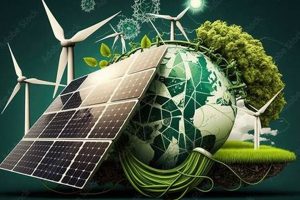
The 2030 climate and energy framework establishes a binding target of at least a 40% reduction in greenhouse gas emissions by 2030, compared to 1990 levels. A key component of this strategy is a commitment to increase the share of renewable energy in the overall energy mix. This involves promoting various renewable sources, including wind, solar, hydro, biomass, and geothermal energy, across member states. Specific national targets are set, considering each country’s starting point and potential, contributing to a collective effort toward a more sustainable energy future. This framework also aims to improve energy efficiency by at least 32.5%, further reducing reliance on fossil fuels.
Transitioning to a cleaner energy system offers numerous benefits, including reduced air pollution, improved public health, enhanced energy security through diversified sources, and the creation of new economic opportunities in the green energy sector. These targets build upon earlier commitments and reflect the increasing urgency to address climate change and its potential impacts. Historically, the European Union has been a leader in promoting renewable energy and setting ambitious targets. This continued commitment plays a vital role in driving technological innovation and demonstrating global leadership in the transition to a low-carbon economy.
The following sections delve deeper into the specific objectives, implementation strategies, challenges, and potential future developments of this crucial plan for a cleaner, more sustainable energy future for Europe.
Tips for Supporting the 2030 Renewable Energy Transition
Individuals and organizations can contribute to achieving the ambitious renewable energy goals. The following tips provide practical suggestions for supporting the transition to a cleaner energy future.
Tip 1: Invest in Energy-Efficient Appliances: Prioritize purchasing appliances with high energy efficiency ratings. This reduces overall energy consumption and supports the broader goal of decreased reliance on fossil fuels.
Tip 2: Explore Renewable Energy Options at Home: Consider installing solar panels or exploring other renewable energy sources for residential use. Even small-scale contributions can collectively make a significant impact.
Tip 3: Support Businesses Committed to Sustainability: Choose products and services from companies actively engaged in sustainable practices and renewable energy initiatives. Consumer choices can influence corporate behavior and drive further investment in green technologies.
Tip 4: Advocate for Policy Changes: Engage with local and national representatives to express support for policies that promote renewable energy development and implementation. Citizen advocacy plays a crucial role in shaping the regulatory landscape.
Tip 5: Reduce, Reuse, and Recycle: Minimizing waste and embracing recycling practices indirectly supports the transition to renewable energy by reducing the energy required for manufacturing and disposal.
Tip 6: Stay Informed and Educate Others: Staying abreast of developments in renewable energy technologies and policies enables informed decision-making and empowers individuals to engage in meaningful conversations about the energy transition. Sharing this knowledge with others amplifies the impact.
Tip 7: Support Research and Development: Investing in or advocating for research and development in renewable energy technologies is crucial for driving innovation and accelerating the transition to a cleaner energy future.
By incorporating these tips into daily life, individuals can actively contribute to the achievement of the 2030 targets and a more sustainable future. Collective action is essential for realizing the full potential of renewable energy and mitigating the impacts of climate change.
The concluding section will summarize the key opportunities and challenges associated with achieving these crucial objectives.
1. Emissions Reduction

Emissions reduction forms the core objective driving the European Union’s renewable energy targets for 2030. The strategy recognizes the critical link between greenhouse gas emissions, primarily from fossil fuel combustion, and climate change. Transitioning to a cleaner energy system based on renewable sources is essential for mitigating these emissions and achieving the broader climate goals.
- Decarbonizing the Power Sector
A significant portion of emissions reductions is expected to come from decarbonizing the power sector. Replacing fossil fuel-based power plants with renewable energy sources like wind, solar, and hydro is crucial. This transition necessitates substantial investments in new infrastructure, grid modernization, and energy storage solutions. For example, phasing out coal-fired power plants and replacing them with offshore wind farms contributes significantly to emissions reduction targets.
- Electrification of Other Sectors
Emissions reductions extend beyond the power sector, encompassing transportation, heating, and industry. Electrifying these sectors, powered by renewable electricity, offers substantial potential. For instance, transitioning to electric vehicles powered by renewable energy sources significantly reduces transportation emissions. Similarly, replacing gas-based heating systems with electric heat pumps contributes to decarbonizing the building sector.
- Improving Energy Efficiency
While transitioning to renewable energy sources is crucial, improving energy efficiency across all sectors plays a vital supporting role. Reducing energy consumption through efficiency measures minimizes the overall demand for energy, lessening the burden on renewable energy sources and further reducing emissions. Building insulation improvements and industrial process optimization are prime examples.
- Carbon Capture and Storage (CCS)
While the primary focus is on transitioning to renewable energy, CCS technologies may play a role in reducing emissions from industrial processes where complete decarbonization is challenging. CCS involves capturing CO2 emissions and storing them underground, preventing their release into the atmosphere. While this technology remains under development, it potentially contributes to emissions reduction targets in specific sectors.
These interconnected facets of emissions reduction demonstrate the comprehensive approach adopted by the European Union. Achieving the 2030 renewable energy targets is not solely about increasing renewable energy generation; it requires a systemic shift across various sectors, emphasizing both clean energy sources and efficient energy utilization. This comprehensive strategy underscores the commitment to mitigating climate change and creating a sustainable energy future.

The “renewable energy share” represents a cornerstone of the European Union’s 2030 climate and energy framework. This share signifies the percentage of total energy consumed within the EU derived from renewable sources. The 2030 targets mandate an overall renewable energy share of at least 32% across the EU. This commitment serves as a crucial driver for transitioning away from fossil fuels and toward a more sustainable energy system. The target influences national policies, incentivizes investment in renewable energy technologies, and shapes the trajectory of the European energy landscape. For instance, increasing the deployment of wind and solar power capacities directly contributes to achieving the mandated renewable energy share. Similarly, promoting sustainable bioenergy and expanding hydropower generation play vital roles.
A higher renewable energy share offers numerous benefits. Reduced reliance on fossil fuel imports enhances energy security. Lower greenhouse gas emissions contribute to climate change mitigation efforts. Economic growth associated with the renewable energy sector generates jobs and fosters innovation. However, achieving the target presents challenges. Intermittency of certain renewable sources like solar and wind power necessitates grid modernization and energy storage solutions. Balancing national interests and resources requires careful coordination and policy harmonization across member states. The transition also necessitates public acceptance and engagement, alongside sustained investment in research and development.
Understanding the significance of the renewable energy share is crucial for comprehending the broader implications of the 2030 targets. This metric acts as a key performance indicator for the EU’s progress toward a sustainable energy future. The interplay between this target, national policies, technological advancements, and economic considerations ultimately determines the success of the overall climate and energy framework. Overcoming the inherent challenges associated with increasing the renewable energy share requires continuous adaptation, policy refinement, and sustained commitment from all stakeholders.
3. Energy Efficiency

Energy efficiency plays a crucial role in achieving the European Union’s 2030 renewable energy targets. While increasing the share of renewable energy sources is essential, reducing overall energy consumption through efficiency measures significantly amplifies the impact. This synergistic relationship stems from the fundamental principle that less energy consumed translates to a lower reliance on both fossil fuels and renewable sources. Improving energy efficiency accelerates the transition to a sustainable energy system by decreasing the required expansion of renewable energy infrastructure.
This connection manifests in several practical ways. Building renovations that enhance insulation minimize energy loss for heating and cooling. Implementing energy-efficient industrial processes reduces energy consumption in manufacturing. Promoting the use of energy-efficient appliances lowers household energy demand. These examples illustrate the tangible impact of energy efficiency improvements. A building retrofitted with improved insulation requires less energy to maintain a comfortable temperature, directly contributing to reduced energy consumption and emissions. Similarly, optimized industrial processes can lead to significant energy savings without compromising output. The cumulative effect of such improvements across various sectors contributes substantially to achieving the 2030 targets.
Recognizing the vital link between energy efficiency and renewable energy targets enables a more holistic approach to energy policy. Policies that incentivize energy efficiency investments complement efforts to promote renewable energy adoption. This integrated strategy fosters a more sustainable and resilient energy system, accelerating the transition towards a low-carbon economy. Furthermore, understanding this interplay underscores the importance of individual actions. Adopting energy-efficient practices in daily life, from choosing energy-saving appliances to reducing energy consumption at home and in the workplace, contributes to the collective effort to reach the 2030 targets. This understanding empowers individuals and organizations to actively participate in the energy transition, fostering a shared responsibility for achieving a sustainable future.
4. National Targets

National targets represent a crucial mechanism for translating the European Union’s overall renewable energy targets for 2030 into concrete action at the member state level. While the EU sets a collective target for renewable energy share, individual national targets tailor the framework to each country’s specific circumstances. This approach acknowledges the diverse energy mixes, resource endowments, and starting points across member states. National targets ensure that each country contributes to the collective effort while accounting for its unique context. This framework fosters a sense of shared responsibility and promotes a balanced transition toward a sustainable energy future across the European Union.
- Resource Allocation and Development
National targets drive the strategic allocation and development of renewable energy resources within each member state. Countries rich in wind resources, for example, may prioritize investments in offshore wind farms. Those with ample solar radiation may focus on expanding solar photovoltaic capacity. This targeted approach optimizes resource utilization and maximizes the potential of each country’s renewable energy portfolio. Denmark’s focus on wind energy or Spain’s emphasis on solar power exemplify this resource-specific approach.
- Policy and Regulatory Frameworks
National targets necessitate the development and implementation of supportive policy and regulatory frameworks at the national level. These frameworks create the necessary incentives for investment in renewable energy projects. Feed-in tariffs, tax incentives, and streamlined permitting processes are examples of policy instruments used to encourage renewable energy development. Germany’s feed-in tariff system, instrumental in promoting early solar photovoltaic adoption, illustrates the effectiveness of such policies.
- Regional Cooperation and Cross-Border Trade
National targets can also foster regional cooperation and cross-border trade in renewable energy. Countries with surplus renewable energy capacity can export to neighboring states, enhancing overall grid stability and resource optimization. The Nord Pool electricity market, facilitating cross-border electricity trade among Nordic countries, exemplifies the benefits of regional energy cooperation.
- Monitoring Progress and Ensuring Accountability
National targets provide a benchmark against which progress toward the EU’s overall renewable energy targets can be monitored. This accountability mechanism allows for regular assessments of each member state’s performance. This transparent tracking of progress incentivizes continued efforts and fosters a sense of collective responsibility. Regular progress reports published by the European Commission track each member state’s advancement toward its national renewable energy targets.
The interplay between national targets and the EU’s overarching objectives forms a cornerstone of the 2030 renewable energy strategy. This multi-level governance approach combines the ambition of a collective goal with the pragmatism of tailored national strategies. This framework enhances the likelihood of achieving the EU’s renewable energy transition while respecting the diversity of its member states. The success of this approach hinges on effective policy implementation, continued investment, and ongoing collaboration among member states and the EU as a whole.
5. Investment and innovation

Investment and innovation form an inseparable link with the European Union’s 2030 renewable energy targets. Reaching these ambitious targets necessitates substantial financial investments across the entire renewable energy value chain. This includes funding research and development, supporting the deployment of innovative technologies, and modernizing energy infrastructure. Innovation plays a crucial role in driving down the costs of renewable energy technologies, enhancing their efficiency, and integrating them seamlessly into existing energy systems. This interconnectedness between investment and innovation creates a cycle of progress, where investment fuels innovation, which in turn attracts further investment. For example, substantial investments in offshore wind energy research have led to significant technological advancements, reducing costs and enabling large-scale deployment.
The importance of investment and innovation extends beyond technological advancements. These factors also contribute to creating new economic opportunities, generating jobs in the renewable energy sector, and fostering a competitive European market. Targeted investments in specific renewable energy technologies, such as solar photovoltaic manufacturing or battery storage solutions, can stimulate economic growth and position the EU as a global leader in the clean energy transition. Furthermore, investment in grid modernization and smart energy management systems is crucial for integrating variable renewable energy sources like wind and solar power effectively. This investment in infrastructure ensures grid stability, reliability, and efficient energy distribution. The European Battery Alliance, an initiative aimed at boosting battery production within the EU, exemplifies the strategic focus on fostering a competitive and innovative industrial base.
Realizing the full potential of renewable energy requires a sustained commitment to both investment and innovation. Policy frameworks that incentivize private sector investment, coupled with public funding for research and development, create a favorable environment for innovation to flourish. This strategic approach is essential for driving down costs, improving efficiency, and overcoming technical barriers. The success of the EU’s 2030 renewable energy targets ultimately depends on the ongoing interplay between investment, innovation, and supportive policy frameworks. Continued focus on these interlinked elements will be crucial for achieving a sustainable, secure, and competitive energy future for Europe. Overcoming challenges related to grid integration, storage solutions, and public acceptance necessitates continuous innovation and sustained investment in research, development, and deployment.
6. Sustainable Growth
Sustainable growth represents a core objective intrinsically linked to the European Union’s 2030 renewable energy targets. These targets are not solely about environmental protection; they are also about fostering economic prosperity and social well-being in a way that does not compromise the ability of future generations to meet their own needs. The transition to a renewable energy-based economy offers significant opportunities for sustainable growth by creating new industries, generating jobs, stimulating innovation, and enhancing energy security. This connection between environmental sustainability and economic development forms a cornerstone of the EU’s long-term vision.
- Green Job Creation
The renewable energy sector is a significant source of job creation. Investing in renewable energy technologies, manufacturing, installation, maintenance, and grid management creates numerous employment opportunities across various skill levels. This green job creation contributes to economic growth while supporting a transition to a more sustainable economy. The growth of the offshore wind industry in the North Sea region, creating jobs in manufacturing, installation, and maintenance, exemplifies this positive impact.
- Enhanced Energy Security
Reducing reliance on imported fossil fuels through the adoption of renewable energy sources enhances energy security. This reduces vulnerability to price volatility and geopolitical instability associated with fossil fuel dependence. Increased energy independence strengthens national economies and promotes regional stability. Denmark’s significant progress in wind energy has reduced its reliance on imported fossil fuels, enhancing its energy security.
- Technological Innovation and Competitiveness
The pursuit of renewable energy targets drives technological innovation. Research and development in renewable energy technologies, energy storage solutions, and smart grids foster a culture of innovation and create opportunities for businesses to develop and export cutting-edge technologies. This strengthens the EU’s competitiveness in the global clean energy market. The development of advanced battery storage technologies within the EU, driven by the need for grid stability with increasing renewable energy penetration, illustrates this innovation-driven competitiveness.
- Regional Development Opportunities
Renewable energy projects often contribute to regional development, particularly in rural areas. Wind farms, solar parks, and bioenergy projects can create jobs and stimulate economic activity in less developed regions, fostering more balanced and inclusive growth. The development of wind energy projects in remote regions of Scotland, creating jobs and boosting local economies, demonstrates this regional development potential.
The pursuit of the 2030 renewable energy targets forms an integral part of the EU’s broader sustainable growth agenda. By linking environmental sustainability with economic prosperity and social well-being, these targets offer a pathway toward a more resilient and inclusive future. The successful achievement of these targets requires a concerted effort from all stakeholders, including governments, businesses, and citizens, to ensure that the transition to a renewable energy-based economy benefits both present and future generations. This integrated approach underscores the EU’s commitment to creating a sustainable future where economic growth, environmental protection, and social progress go hand in hand. Furthermore, the transition to a renewable energy system aligns with the broader global agenda of sustainable development, demonstrating the EU’s leadership in addressing climate change and promoting a more sustainable future for all.
Frequently Asked Questions about the 2030 Renewable Energy Targets
This section addresses common inquiries regarding the European Union’s 2030 renewable energy targets, providing concise and informative responses.
Question 1: What is the primary aim of the 2030 renewable energy targets?
The primary aim is to increase the share of renewable energy in the EU’s overall energy consumption to at least 32% by 2030. This contributes to reducing greenhouse gas emissions, enhancing energy security, and promoting sustainable economic growth.
Question 2: How are national renewable energy targets determined?
National targets are determined based on individual member states’ starting points, renewable energy potential, and economic circumstances. This ensures a fair and balanced contribution to the overall EU target while accounting for national specificities.
Question 3: What are the key benefits of transitioning to renewable energy sources?
Key benefits include reduced greenhouse gas emissions, improved air quality, enhanced energy security through diversified supply, creation of new economic opportunities in the renewable energy sector, and reduced dependence on fossil fuel imports.
Question 4: What challenges are associated with achieving the 2030 targets?
Challenges include the intermittency of some renewable energy sources (like solar and wind), the need for grid modernization and energy storage solutions, ensuring public acceptance of new infrastructure projects, and securing sufficient investment for research, development, and deployment.
Question 5: How do these targets contribute to the EU’s broader climate goals?
The renewable energy targets are a crucial component of the EU’s broader climate and energy framework, which aims to reduce greenhouse gas emissions by at least 40% by 2030 compared to 1990 levels. The increased use of renewable energy is essential for achieving this overarching emissions reduction goal.
Question 6: How can individuals contribute to achieving the 2030 targets?
Individuals can contribute by adopting energy-efficient practices at home and in the workplace, supporting businesses committed to sustainability, advocating for policies that promote renewable energy, and investing in renewable energy technologies where feasible.
Understanding these key aspects of the 2030 renewable energy targets provides valuable insight into the EU’s commitment to a sustainable energy future. Collective action and sustained effort are crucial for realizing the full potential of renewable energy and mitigating the impacts of climate change.
For further information and detailed analysis, the following section explores the policy mechanisms and implementation strategies associated with these targets.
European Union Renewable Energy Targets 2030
This exploration of the European Union’s 2030 renewable energy targets has highlighted their multifaceted nature. The analysis encompassed the interplay between emissions reduction, renewable energy share, energy efficiency improvements, national target implementation, investment in innovation, and the pursuit of sustainable growth. These interconnected elements demonstrate a comprehensive approach to transitioning towards a cleaner, more secure, and economically vibrant energy future. The framework acknowledges the diverse circumstances of member states while establishing a collective commitment to address climate change and enhance energy independence.
The 2030 targets represent a significant step toward a sustainable energy transition. Success requires sustained commitment, policy coherence, and ongoing adaptation to technological advancements and evolving market dynamics. The targets’ impact extends beyond environmental benefits, influencing economic growth, job creation, and global competitiveness in the clean energy sector. Continued focus on these targets is essential for realizing a resilient, prosperous, and environmentally sustainable future for the European Union and contributing to global efforts to mitigate climate change. The journey toward a decarbonized energy system demands persistent innovation, collaboration, and a shared vision for a sustainable future.