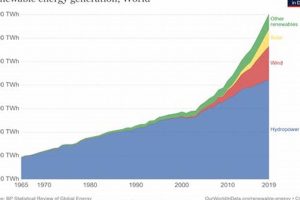
Energy derived from natural resources that are replenished at a higher rate than they are consumed is categorized as sustainable. Examples include solar power harnessed from sunlight, wind power generated by wind turbines, hydropower derived from flowing water, and geothermal energy extracted from the Earth’s internal heat. Biomass energy, derived from organic matter, also falls under this category.
Sustainable energy sources offer significant advantages. Their inherent replenishing nature mitigates the depletion of finite resources, contributing to long-term energy security. Furthermore, they produce significantly lower greenhouse gas emissions compared to traditional fossil fuels, playing a vital role in combating climate change and improving air quality. The increasing availability and affordability of these technologies have propelled their adoption globally, fostering economic growth and creating new employment opportunities.
This exploration provides a foundational understanding of sustainable energy, paving the way for a deeper examination of specific technologies, their implementation, and their impact on the global energy landscape.
Practical Applications of Sustainable Energy
Integrating sustainable energy solutions into daily life, both individually and collectively, requires a multifaceted approach. The following tips provide actionable guidance for maximizing the benefits of these resources.
Tip 1: Optimize Energy Consumption: Reducing overall energy demand is the first step. Employ energy-efficient appliances, implement smart home technologies, and practice mindful consumption habits.
Tip 2: Invest in On-Site Generation: Explore the feasibility of installing rooftop solar panels or small-scale wind turbines to generate power directly. Evaluate local regulations and incentives to determine the optimal approach.
Tip 3: Support Sustainable Energy Providers: Choose electricity providers that prioritize sustainable energy sources. Many utilities offer green power programs, enabling consumers to support renewable energy development.
Tip 4: Advocate for Policy Changes: Engage in local and national dialogues regarding energy policy. Support initiatives that promote renewable energy development and incentivize the adoption of sustainable practices.
Tip 5: Educate and Engage: Share information about the benefits of sustainable energy with family, friends, and community members. Collective action and awareness are crucial for widespread adoption.
Tip 6: Consider Transportation Alternatives: Explore electric vehicles, public transportation, cycling, and walking as alternatives to conventional gasoline-powered vehicles to reduce reliance on fossil fuels.
Tip 7: Invest in Energy Storage: Integrating battery storage solutions with renewable energy systems can enhance their reliability and efficiency, enabling greater utilization of generated power.
By implementing these strategies, individuals and communities can contribute to a more sustainable energy future, mitigating environmental impact while enhancing energy independence.
The transition to a sustainable energy landscape requires concerted effort. Through informed decision-making and proactive engagement, a cleaner and more secure energy future is within reach.
1. Sustainable Source

The concept of a “sustainable source” is intrinsic to the definition of renewable energy. A sustainable source is one that can be replenished naturally over a relatively short period, ensuring its availability for future generations without depleting finite resources. This characteristic distinguishes renewable energy from conventional energy sources like fossil fuels, which are finite and contribute significantly to environmental degradation.
- Continuous Regeneration:
Renewable energy sources are continuously replenished by natural processes. Solar energy is constantly generated by the sun, wind power is driven by atmospheric circulation, and hydropower relies on the water cycle. This continuous regeneration makes these sources virtually inexhaustible, unlike fossil fuels, which are extracted at rates far exceeding their natural replenishment.
- Environmental Impact:
Sustainable sources generally have a significantly lower environmental impact than fossil fuels. While renewable energy technologies can have some environmental footprint during manufacturing and installation, their operation produces minimal greenhouse gas emissions and pollutants. This reduces air and water pollution, contributing to a healthier environment and mitigating the effects of climate change. For instance, solar farms, while requiring land use, avoid the air and water pollution associated with coal-fired power plants.
- Resource Availability:
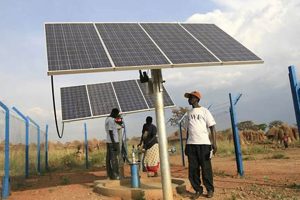
Sustainable sources are widely distributed geographically, increasing energy independence and security. Unlike fossil fuels, which are concentrated in specific regions, renewable resources like solar and wind are available in most parts of the world. This reduces reliance on volatile global energy markets and empowers communities to generate their own power, as seen in the growth of off-grid solar installations in remote areas.
- Long-Term Viability:
The inherent renewability of these sources ensures their long-term viability as a primary energy source. As global energy demand continues to rise, the finite nature of fossil fuels poses a significant challenge. Sustainable sources offer a long-term solution, ensuring energy security for current and future generations. The continued development and improvement of renewable energy technologies further strengthen their position as a cornerstone of a sustainable energy future.
These facets of sustainability are fundamental to understanding the significance of renewable energy. By relying on continuously replenished resources, minimizing environmental impact, distributing energy generation, and ensuring long-term viability, renewable energy provides a pathway towards a cleaner, more secure, and sustainable energy future. This transition is essential for mitigating the risks of climate change and ensuring a healthy planet for generations to come.
2. Natural Replenishment

Natural replenishment is the defining characteristic of renewable energy, distinguishing it from finite fossil fuels. This process, driven by natural cycles and forces, ensures the continuous availability of these resources, making them a sustainable alternative for power generation.
- Solar Energy:
The sun, a perpetual source of energy, constantly radiates energy to the Earth. Photovoltaic cells capture this radiant energy and convert it into electricity. This process relies on the continuous and predictable nature of solar radiation, ensuring a consistent supply of energy. For example, large-scale solar farms in desert regions leverage abundant sunlight for consistent electricity generation.
- Wind Energy:
Wind, driven by atmospheric pressure differences and influenced by geographical features, provides a kinetic energy source. Wind turbines capture this kinetic energy and convert it into electricity. The cyclical nature of wind patterns, influenced by temperature variations and the Earths rotation, ensures a continuous, albeit variable, energy supply. Coastal regions and open plains often experience consistent winds suitable for wind farms.
- Hydropower:
The water cycle, driven by solar energy and gravity, replenishes water resources continuously. Hydropower plants utilize the potential and kinetic energy of water to generate electricity. The continuous nature of the water cycle, influenced by precipitation and evaporation, ensures a consistent supply of energy. Dams built across rivers harness the gravitational potential of water to generate power.
- Geothermal Energy:
The Earth’s internal heat, a product of radioactive decay and residual heat from planetary formation, provides a constant energy source. Geothermal power plants extract this heat and convert it into electricity. While the Earth’s internal heat is immense, accessible geothermal resources are geographically limited, primarily to areas with tectonic activity. Geothermal plants in Iceland, for example, tap into volcanic activity for electricity generation.
The natural replenishment of these resources underscores the long-term viability of renewable energy. Unlike fossil fuels, which are extracted at rates far exceeding their replenishment, renewable energy sources offer a sustainable pathway towards meeting global energy demands without depleting finite resources. This inherent sustainability makes renewable energy crucial for mitigating climate change and ensuring long-term energy security.
3. Reduces Emissions

A fundamental advantage of renewable energy is its significantly reduced greenhouse gas emissions compared to conventional fossil fuel-based power generation. This reduction is crucial for mitigating climate change and improving air quality. Burning fossil fuels releases substantial amounts of carbon dioxide, methane, and other greenhouse gases into the atmosphere, trapping heat and contributing to global warming. Renewable energy sources, in contrast, produce little to no greenhouse gas emissions during operation. For example, solar and wind power generate electricity without directly emitting any greenhouse gases. Hydropower and geothermal energy, while having some minimal emissions associated with construction and operation, still offer substantial reductions compared to fossil fuels. This difference in emissions profiles is a key driver of the global shift towards renewable energy.
The practical significance of reduced emissions extends beyond climate change mitigation. Lower emissions translate to improved air quality, reducing respiratory illnesses and other health problems associated with air pollution. This public health benefit is particularly pronounced in urban areas where air pollution from fossil fuel combustion can be significant. Furthermore, reduced reliance on fossil fuels enhances energy security by diversifying energy sources and reducing dependence on volatile global energy markets. Countries with significant renewable energy capacity are less vulnerable to price fluctuations and supply disruptions associated with fossil fuels. The economic benefits of renewable energy are also becoming increasingly apparent, with the sector creating jobs and stimulating innovation in technology and infrastructure.
Transitioning to a renewable energy-based economy presents technical and logistical challenges. Integrating intermittent renewable sources like solar and wind into existing power grids requires sophisticated grid management systems and energy storage solutions. Furthermore, the initial investment costs for renewable energy infrastructure can be significant, although declining technology costs are making renewable energy increasingly competitive with fossil fuels. Despite these challenges, the long-term benefits of reduced emissions, improved air quality, enhanced energy security, and economic growth make the transition to renewable energy a crucial step towards a sustainable future. Addressing these challenges through policy support, technological innovation, and public awareness is essential for realizing the full potential of renewable energy and mitigating the risks of climate change.
4. Combats climate change

Climate change, driven primarily by greenhouse gas emissions from human activities, poses a significant threat to global ecosystems and human societies. Renewable energy technologies offer a crucial pathway to mitigate climate change by significantly reducing or eliminating these emissions compared to conventional fossil fuel-based power generation. This connection between renewable energy and climate change mitigation is central to understanding the importance and urgency of transitioning towards a sustainable energy future.
- Reduced Greenhouse Gas Emissions:
The most direct impact of renewable energy on climate change mitigation is the substantial reduction in greenhouse gas emissions. Renewable energy sources like solar, wind, hydro, and geothermal produce little to no greenhouse gases during operation, unlike fossil fuels which release large amounts of carbon dioxide, methane, and other greenhouse gases when burned. This reduction in emissions directly addresses the primary driver of climate change. For example, replacing a coal-fired power plant with a wind farm eliminates the substantial carbon emissions associated with coal combustion.
- Decarbonizing the Energy Sector:
The energy sector is a major contributor to global greenhouse gas emissions. Transitioning from fossil fuel-based power generation to renewable energy sources is essential for decarbonizing this sector and achieving significant emissions reductions. This transition involves deploying renewable energy technologies at scale, integrating them into existing power grids, and developing energy storage solutions to address the intermittency of some renewable sources. The growth of solar and wind power capacity globally demonstrates the increasing feasibility of decarbonizing the energy sector.
- Mitigating the Impacts of Climate Change:
By reducing greenhouse gas emissions, renewable energy helps mitigate the projected impacts of climate change, such as rising global temperatures, sea-level rise, and extreme weather events. While some degree of climate change is already unavoidable due to past emissions, transitioning to renewable energy can significantly slow the rate of warming and reduce the severity of future impacts. For instance, widespread adoption of renewable energy can help limit global temperature increases and reduce the frequency and intensity of heatwaves.
- Sustainable Development:
The transition to renewable energy aligns with broader sustainable development goals. In addition to mitigating climate change, renewable energy can improve air and water quality, enhance energy security, create economic opportunities, and promote energy access in developing countries. These co-benefits make renewable energy a central component of sustainable development strategies. For example, off-grid solar installations can provide electricity to remote communities without access to traditional power grids.
The connection between renewable energy and combating climate change is undeniable. By reducing greenhouse gas emissions, decarbonizing the energy sector, mitigating the impacts of climate change, and contributing to sustainable development, renewable energy offers a crucial pathway towards a cleaner, more resilient, and sustainable future. Accelerating the transition to renewable energy requires concerted efforts from governments, businesses, and individuals to overcome technical, economic, and policy barriers. The urgency of addressing climate change necessitates a rapid and widespread adoption of renewable energy technologies to secure a sustainable future for all.
5. Energy security

Energy security is intrinsically linked to the development and adoption of renewable energy sources. It encompasses the reliable availability of energy resources at affordable prices, while also considering environmental sustainability and minimizing geopolitical vulnerabilities. Renewable energy offers a pathway to enhance energy security on multiple levels, reducing dependence on finite resources and diversifying energy supply.
- Reduced Reliance on Fossil Fuel Imports:
Many nations rely heavily on imported fossil fuels, creating vulnerabilities to price volatility and supply disruptions due to geopolitical instability or international conflicts. Renewable energy sources, being domestically available in most regions, reduce this reliance on imports, enhancing energy independence and national security. For example, a country investing heavily in solar and wind power reduces its dependence on imported oil and natural gas, mitigating the risks associated with international energy markets.
- Diversification of Energy Sources:
Over-reliance on a single energy source creates vulnerabilities to supply chain disruptions and price shocks. Renewable energy promotes diversification of the energy mix, enhancing resilience against disruptions affecting a particular resource. A diversified portfolio that includes solar, wind, hydro, and geothermal resources reduces the impact of fluctuations in any single energy market. For instance, a nation with a balanced energy mix is less susceptible to disruptions in the oil market compared to a nation heavily reliant on oil imports.
- Decentralized Energy Generation:
Renewable energy technologies often facilitate decentralized energy generation, distributing power production across numerous smaller facilities rather than relying on a few large centralized power plants. This decentralized approach enhances grid resilience against natural disasters or targeted attacks. For example, a network of distributed solar installations is less vulnerable to widespread power outages compared to a centralized power plant susceptible to a single point of failure.
- Price Stability:
While the initial investment in renewable energy infrastructure can be significant, the operating costs are generally low and predictable, as renewable resources like sunlight and wind are free. This characteristic contributes to long-term price stability, shielding consumers from the volatility of fossil fuel markets. For example, once a solar power plant is operational, the cost of electricity generation remains relatively stable compared to the fluctuating prices of natural gas or coal.
By reducing reliance on fossil fuel imports, diversifying energy sources, enabling decentralized generation, and contributing to price stability, renewable energy significantly enhances national energy security. This strengthened energy security fosters economic stability, reduces geopolitical vulnerabilities, and supports sustainable development. The transition to a renewable energy future is not merely an environmental imperative but also a strategic necessity for ensuring long-term energy security and national resilience.
6. Economic growth
The transition to a renewable energy-based economy offers significant opportunities for economic growth and development. Renewable energy technologies drive job creation, stimulate innovation, attract investment, and enhance energy independence, fostering economic expansion and creating new economic sectors.
- Job Creation:
The renewable energy sector is a significant job creator, generating employment opportunities across various stages of the value chain, from manufacturing and installation to operation and maintenance. For example, the solar and wind industries have experienced substantial job growth in recent years, surpassing employment in traditional fossil fuel sectors in some regions. These jobs are often localized, benefiting communities directly and contributing to regional economic development.
- Investment and Innovation:
Renewable energy technologies attract significant investment, driving innovation and technological advancements. Research and development in areas such as solar cell efficiency, wind turbine design, and energy storage solutions stimulate innovation and create new business opportunities. This investment fosters technological progress, reduces costs, and enhances the competitiveness of renewable energy technologies.
- Enhanced Energy Independence:
By reducing reliance on imported fossil fuels, renewable energy enhances energy independence and reduces vulnerability to volatile global energy markets. This energy independence strengthens national economies by reducing trade deficits and mitigating the economic impacts of fluctuating fuel prices. For example, a nation with significant domestic renewable energy capacity is less susceptible to economic shocks caused by disruptions in global oil supply.
- Rural Development:
Renewable energy projects, particularly in rural areas, can stimulate local economies and create new opportunities for rural communities. Wind farms and solar installations can generate revenue for landowners, create local jobs, and improve access to electricity in underserved areas. This localized economic development can revitalize rural communities and contribute to broader economic growth.
The economic benefits of renewable energy extend beyond direct job creation and investment. A transition to a cleaner energy system reduces healthcare costs associated with air pollution, enhances energy security, and stimulates innovation across multiple sectors. Furthermore, renewable energy development aligns with global sustainability goals, attracting international investment and enhancing a nation’s competitive advantage in the global economy. By fostering job creation, driving innovation, enhancing energy independence, and stimulating rural development, renewable energy serves as a catalyst for sustainable economic growth and a more resilient economic future.
7. Technological Advancement

Technological advancement is inextricably linked to the progress and widespread adoption of renewable energy. Advancements in materials science, manufacturing processes, and grid integration technologies directly influence the efficiency, cost-effectiveness, and reliability of renewable energy systems. This symbiotic relationship between technology and renewable energy is crucial for achieving a sustainable energy future.
Improvements in photovoltaic cell technology, for instance, have led to higher conversion efficiencies and lower manufacturing costs for solar panels. This has made solar energy increasingly competitive with conventional fossil fuels and driven the rapid growth of solar power installations globally. Similarly, advancements in wind turbine design, including larger rotor diameters and improved blade aerodynamics, have increased energy capture efficiency and enabled wind power generation in areas with lower wind speeds. Furthermore, the development of advanced energy storage solutions, such as lithium-ion batteries and pumped hydro storage, addresses the intermittency of solar and wind power, enhancing grid stability and enabling greater integration of these renewable sources. Smart grid technologies, incorporating advanced sensors, communication networks, and data analytics, optimize energy distribution and management, further enhancing the reliability and efficiency of renewable energy integration. Examples of these advancements can be seen in the increasing deployment of smart meters, grid-scale energy storage systems, and advanced grid management software.
The ongoing development and refinement of renewable energy technologies are essential for overcoming the challenges associated with transitioning to a sustainable energy system. Further advancements in areas such as energy storage, grid integration, and materials science are crucial for reducing costs, improving efficiency, and enhancing the reliability of renewable energy systems. These technological advancements will play a critical role in achieving widespread adoption of renewable energy, mitigating climate change, and ensuring a secure and sustainable energy future. The practical significance of these advancements is evident in the declining costs of renewable energy technologies, the increasing penetration of renewable energy in the global energy mix, and the growing investment in renewable energy research and development. Continued investment in research and development, coupled with supportive policies and market mechanisms, is essential for accelerating technological progress and realizing the full potential of renewable energy.
Frequently Asked Questions about Renewable Energy
This section addresses common inquiries regarding renewable energy, providing concise and informative responses.
Question 1: What are the primary types of renewable energy sources available today?
The most prevalent renewable energy sources currently utilized include solar, wind, hydro, geothermal, and biomass. Each harnesses distinct natural processes, from sunlight and wind to the Earth’s internal heat and organic matter.
Question 2: How do renewable energy sources contribute to climate change mitigation?
Renewable energy sources produce minimal to no greenhouse gas emissions during operation. This contrasts sharply with fossil fuels, the combustion of which releases significant quantities of greenhouse gases, contributing to climate change. Utilizing renewable energy sources thus reduces the environmental impact associated with electricity generation.
Question 3: What are the key economic benefits associated with transitioning to renewable energy?
Transitioning to renewable energy stimulates economic growth through job creation in manufacturing, installation, maintenance, and research. Furthermore, it attracts investment, fosters innovation, and reduces reliance on imported fossil fuels, enhancing energy independence and economic stability.
Question 4: What are the main challenges hindering wider adoption of renewable energy?
Key challenges include the intermittency of some renewable sources (like solar and wind), the initial costs of infrastructure development, and the need for grid modernization to accommodate fluctuating renewable energy inputs. Ongoing technological advancements and supportive policies address these challenges.
Question 5: How does renewable energy enhance energy security for a nation?
Renewable energy enhances energy security by reducing dependence on imported fossil fuels, diversifying energy sources, and promoting decentralized energy generation, which increases resilience against supply disruptions and price volatility.
Question 6: What role does technological innovation play in the future of renewable energy?
Technological advancements are crucial for improving the efficiency, affordability, and reliability of renewable energy technologies. Continued innovation in areas like energy storage, smart grids, and materials science is essential for widespread adoption and integration of renewable energy sources.
Understanding these fundamental aspects of renewable energy is crucial for informed decision-making and effective implementation of sustainable energy solutions. Transitioning towards a renewable energy future requires a comprehensive approach encompassing technological advancements, policy support, and public awareness.
For further exploration, the following sections delve into specific renewable energy technologies and their respective applications.
Conclusion
Exploration of energy derived from naturally replenishing resources reveals its multifaceted nature. From reducing reliance on finite fossil fuels to mitigating the impacts of climate change, the benefits of transitioning to such sustainable sources are substantial and far-reaching. Technological advancements continue to drive down costs and improve the efficiency of renewable energy technologies, making them increasingly competitive with conventional energy sources. Furthermore, the economic benefits of renewable energy, including job creation and investment opportunities, are becoming increasingly significant.
The imperative to transition towards a sustainable energy future is clear. The long-term viability of human societies and the health of the planet necessitate a decisive shift away from fossil fuels and towards the widespread adoption of renewable energy. This transition presents both challenges and opportunities, demanding concerted efforts from governments, industries, and individuals to overcome technical barriers, implement supportive policies, and foster public awareness. The future of energy hinges on embracing the potential of renewable resources and integrating them into the fabric of global energy systems. The choice is clear: a commitment to renewable energy is a commitment to a sustainable future.