Renewable energy sources, while offering a crucial pathway to a sustainable future, present a complex array of environmental and social challenges. These include land use conflicts, habitat disruption, resource extraction impacts (such as mining for materials needed in solar panels and batteries), waste disposal issues (e.g., decommissioned wind turbine blades), and potential negative consequences for local communities.
Understanding the full life-cycle impacts of renewable energy technologies is critical for making informed decisions about their deployment. This nuanced perspective allows for the development of mitigation strategies and promotes responsible innovation within the renewable energy sector. Historically, the focus has predominantly been on the positive aspects of transitioning away from fossil fuels. However, increasingly, researchers, policymakers, and the public recognize the need for a more comprehensive assessment that considers both the advantages and disadvantages. This balanced approach is essential for maximizing the long-term benefits and minimizing the potential harm associated with renewable energy development.
This exploration will delve into specific examples of these challenges, examining the ecological and societal implications of various renewable energy technologies, and discussing potential solutions for a more sustainable energy future.
Mitigating the Unintended Consequences of Renewable Energy
Transitioning to renewable energy requires careful consideration of potential adverse effects. The following recommendations offer guidance for navigating the complexities of sustainable energy development.
Tip 1: Comprehensive Life-Cycle Assessments: Conduct thorough life-cycle assessments (LCAs) for all renewable energy technologies, from resource extraction to decommissioning. LCAs quantify environmental impacts, enabling informed decision-making and targeted mitigation efforts. For instance, analyzing the mining processes for battery materials can reveal opportunities for reducing pollution and habitat destruction.
Tip 2: Strategic Siting and Planning: Carefully plan the location of renewable energy infrastructure to minimize ecological disruption. Prioritize brownfield sites and areas with low ecological value, avoiding sensitive habitats and migration corridors. Offshore wind farms, for example, should be positioned to minimize impacts on marine life.
Tip 3: Material Innovation and Recycling: Invest in research and development of sustainable materials and efficient recycling processes for renewable energy components. This includes exploring alternative materials for solar panels and developing closed-loop recycling systems for wind turbine blades.
Tip 4: Community Engagement and Benefit Sharing: Engage local communities early and often in the planning and development of renewable energy projects. Ensure equitable distribution of benefits, addressing potential concerns and fostering local ownership.
Tip 5: Policy and Regulatory Frameworks: Implement strong environmental and social safeguards within regulatory frameworks governing renewable energy development. These policies should promote responsible sourcing of materials, minimize waste generation, and protect biodiversity.
Tip 6: Biodiversity Offsets and Habitat Restoration: When impacts are unavoidable, implement robust biodiversity offsetting and habitat restoration programs. This can involve creating or restoring equivalent habitats elsewhere to compensate for losses at the project site.
By implementing these strategies, the transition to renewable energy can be achieved while minimizing environmental and social trade-offs. This approach is crucial for building a truly sustainable energy future.
Moving forward, a holistic and responsible approach is essential for harnessing the full potential of renewable energy while safeguarding the environment and ensuring equitable outcomes for all.
1. Environmental Impacts

While renewable energy technologies offer a crucial alternative to fossil fuels, their implementation is not without environmental consequences. Understanding these impacts is essential for developing mitigation strategies and ensuring a truly sustainable energy transition. The following facets illustrate the complex relationship between renewable energy and the environment.
- Habitat Disruption and Loss:
Renewable energy infrastructure, such as large-scale solar farms and hydroelectric dams, can significantly alter landscapes and fragment habitats. Solar farms can displace native vegetation and wildlife, while dams inundate vast areas, impacting riparian ecosystems and fish migration patterns. For example, the construction of hydroelectric dams in the Amazon rainforest has flooded extensive areas, leading to biodiversity loss and displacement of indigenous communities. Careful siting and mitigation efforts are crucial to minimize these impacts.
- Water Usage and Contamination:
Certain renewable energy technologies have significant water requirements. Concentrated solar power plants, for instance, consume large amounts of water for cooling. Hydroelectric dams can alter downstream water flow and temperature, impacting aquatic ecosystems. Furthermore, the extraction and processing of materials for renewable energy technologies, such as lithium for batteries, can contaminate water sources with heavy metals and chemicals. Implementing water-efficient technologies and responsible sourcing of materials is essential.
- Raw Material Extraction and Processing:
The manufacturing of renewable energy technologies requires substantial quantities of raw materials, including rare earth minerals, copper, and silicon. The extraction and processing of these materials can lead to deforestation, soil erosion, and water pollution. For example, mining for rare earth minerals, essential for wind turbine magnets, can generate significant amounts of toxic waste. Promoting recycling and exploring alternative materials can reduce the environmental footprint of renewable energy production.
- Waste Generation and Disposal:
Renewable energy technologies generate waste at the end of their operational life. Decommissioned wind turbine blades, solar panels, and batteries pose significant disposal challenges. These components often contain hazardous materials that require specialized handling and recycling processes. Developing robust recycling infrastructure and designing for disassembly and reuse are critical for minimizing waste and preventing environmental contamination.
These environmental impacts highlight the need for a comprehensive approach to renewable energy development. Balancing the benefits of clean energy with the potential ecological consequences requires careful planning, technological innovation, and robust environmental regulations. Ignoring these challenges undermines the long-term sustainability of the renewable energy transition.
2. Resource Intensity

Resource intensity represents a significant aspect of the complexities associated with renewable energy transitions. Manufacturing renewable energy technologies, such as solar panels, wind turbines, and batteries, requires substantial quantities of raw materials like rare earth elements, copper, silicon, and lithium. This demand creates a ripple effect, impacting resource extraction, processing, and global supply chains. The extraction of these resources often involves energy-intensive processes and can lead to habitat destruction, soil erosion, and water contamination. For example, lithium mining for electric vehicle batteries requires vast amounts of water and can leave behind toxic byproducts, impacting local ecosystems and communities.
Furthermore, the concentration of certain critical materials in specific geographical regions raises geopolitical concerns. The dependence on a limited number of suppliers can create vulnerabilities and potential supply chain disruptions. This reliance also raises questions about resource security and the potential for price volatility. For instance, a significant portion of the world’s cobalt, a crucial component of lithium-ion batteries, is sourced from the Democratic Republic of Congo, where mining practices have raised ethical and environmental concerns. The resource intensity of renewable energy technologies necessitates a shift towards more sustainable material sourcing, recycling practices, and innovative manufacturing processes.
Addressing the resource intensity challenge requires a multi-faceted approach. Investing in research and development for alternative materials and more efficient manufacturing processes is crucial. Improving recycling and reuse rates of renewable energy components can reduce the demand for virgin materials. Furthermore, implementing circular economy principles, such as designing for disassembly and reuse, can minimize waste and extend the lifespan of renewable energy technologies. Ultimately, understanding and mitigating the resource intensity associated with renewable energy is essential for achieving a truly sustainable and equitable energy future.
3. Manufacturing Challenges

Manufacturing challenges represent a significant facet of the complexities associated with the transition to renewable energy. Producing components for technologies like solar panels, wind turbines, and batteries presents a unique set of obstacles, often with environmental and social ramifications. These challenges contribute to the overall “dark side” of renewable energy, highlighting the need for innovative solutions and responsible manufacturing practices.
One key challenge lies in the complex supply chains required for sourcing raw materials. Manufacturing solar panels, for instance, requires silicon, often sourced from regions with questionable labor practices or lax environmental regulations. Similarly, the production of batteries for electric vehicles depends on materials like lithium and cobalt, frequently mined in regions facing political instability or experiencing social unrest due to resource exploitation. These sourcing challenges can lead to human rights abuses, environmental degradation, and geopolitical tensions, underscoring the need for greater transparency and ethical sourcing practices within the renewable energy sector.
Furthermore, the manufacturing processes themselves can present environmental hazards. Producing solar panels involves the use of toxic chemicals, and the improper disposal of manufacturing byproducts can contaminate water sources and harm local communities. The production of wind turbine blades, while generating clean energy, presents challenges in terms of material disposal at the end of their life cycle due to their size and composition. These manufacturing complexities necessitate the development of cleaner production methods, robust recycling infrastructure, and innovative material designs to mitigate potential environmental and social impacts.
Addressing these manufacturing challenges is crucial for realizing the full potential of renewable energy. Promoting circular economy principles, such as designing for disassembly and reuse, can minimize waste and extend the lifespan of renewable energy technologies. Investing in research and development for alternative materials and more efficient, less polluting manufacturing processes is essential. Furthermore, establishing robust supply chain traceability and transparency can help ensure ethical sourcing of materials and minimize the risk of human rights violations and environmental damage. Overcoming these challenges is essential for a truly sustainable and equitable energy future.
4. Waste Disposal Problems

Waste disposal problems represent a significant challenge associated with the transition to renewable energy, contributing to its often overlooked “dark side.” While renewable energy technologies offer a cleaner alternative to fossil fuels during operation, the end-of-life management of components like solar panels, wind turbine blades, and batteries presents substantial environmental and economic hurdles. The sheer volume of waste generated as these technologies reach the end of their lifespan poses a growing concern. For example, decommissioned wind turbine blades, composed of fiberglass and other composite materials, are difficult to recycle and often end up in landfills. Similarly, millions of solar panels will reach the end of their useful life in the coming decades, requiring specialized recycling processes to recover valuable materials and prevent hazardous components from leaching into the environment.
The lack of comprehensive recycling infrastructure for renewable energy components exacerbates the disposal challenge. Existing recycling facilities often lack the capacity or technological capabilities to handle the unique materials and complex construction of these components. This inadequacy leads to improper disposal practices, including landfilling and incineration, which can release harmful toxins into the atmosphere and soil. Moreover, the economic viability of recycling renewable energy waste remains a barrier. The cost of collecting, transporting, and processing these materials can be prohibitive, making landfilling a more economically attractive, albeit environmentally detrimental, option. Furthermore, the rapid pace of technological advancements in the renewable energy sector can render existing recycling processes obsolete, requiring continuous adaptation and investment in new technologies.
Addressing waste disposal problems is crucial for mitigating the environmental impact of renewable energy technologies and ensuring a truly sustainable energy transition. Investing in research and development of advanced recycling technologies and designing for disassembly and reuse are essential steps. Implementing extended producer responsibility schemes can hold manufacturers accountable for the end-of-life management of their products, incentivizing the development of more recyclable designs. Furthermore, promoting a circular economy approach, which prioritizes resource efficiency and waste minimization throughout the entire lifecycle of renewable energy technologies, is paramount. Failing to address these waste disposal challenges undermines the long-term environmental benefits of renewable energy and perpetuates a linear “take-make-dispose” model, highlighting the critical need for sustainable waste management solutions within the renewable energy sector.
5. Land Use Conflicts

Land use conflicts represent a significant aspect of the complex interplay between renewable energy development and its potential negative consequences. The increasing demand for land to accommodate large-scale renewable energy projects, such as solar and wind farms, often clashes with existing land uses, creating tensions and challenges for communities, ecosystems, and agricultural activities. Understanding these conflicts is crucial for mitigating the unintended consequences of the renewable energy transition and ensuring its long-term sustainability.
- Competition with Agriculture:
Renewable energy projects, particularly large-scale solar farms, often require substantial land areas, potentially competing with valuable agricultural land. This competition can lead to displacement of farming activities, reduced food production, and economic hardship for agricultural communities. For example, the conversion of prime farmland to solar farms in some regions has raised concerns about food security and the long-term viability of local agricultural economies. Balancing the need for renewable energy with the imperative to maintain productive agricultural land requires careful planning and consideration of alternative siting options, such as brownfields or degraded lands.
- Impacts on Ecosystems and Biodiversity:
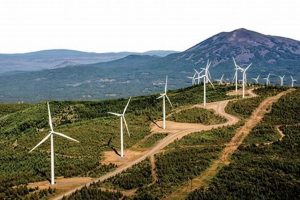
The development of renewable energy infrastructure can fragment and degrade natural habitats, impacting biodiversity and ecosystem services. Wind farms, for example, can pose a threat to birds and bats through collisions with turbine blades. Large-scale solar farms can alter local microclimates and displace native plant and animal species. Minimizing these impacts requires strategic siting of renewable energy projects, avoiding ecologically sensitive areas, and implementing mitigation measures such as habitat restoration and wildlife corridors.
- Disruption of Traditional Land Uses:
Renewable energy development can disrupt traditional land uses, particularly in indigenous communities and rural areas. The construction of large-scale projects can restrict access to traditional hunting, fishing, and gathering grounds, impacting cultural practices and livelihoods. Furthermore, the influx of workers and infrastructure associated with renewable energy projects can strain local resources and disrupt established social structures. Meaningful consultation and engagement with affected communities are essential to address these concerns and ensure equitable outcomes.
- Visual and Noise Impacts:
Renewable energy projects can generate visual and noise impacts, leading to community opposition and potentially reducing property values. The sight of large wind turbines or expansive solar farms can alter scenic landscapes, while the noise generated by wind turbines can be a source of disturbance for nearby residents. Addressing these concerns requires careful consideration of project design, siting, and noise mitigation strategies, as well as transparent communication and community engagement throughout the development process.
These land use conflicts highlight the complex trade-offs associated with renewable energy development. Balancing the imperative to transition to cleaner energy sources with the need to protect valuable agricultural land, preserve biodiversity, and respect the rights of local communities requires a nuanced approach. Addressing these challenges through careful planning, community engagement, and technological innovation is essential for ensuring a truly sustainable and equitable energy future.
6. Social and economic disruption

Social and economic disruption represents a crucial facet of the “dark side” of renewable energy, often overshadowed by the focus on environmental benefits. While the transition to renewable energy sources is essential for mitigating climate change, its implementation can trigger significant social and economic consequences, particularly in communities directly impacted by these projects. Understanding these potential disruptions is crucial for ensuring a just and equitable energy transition.
One primary driver of social disruption stems from land use changes associated with renewable energy infrastructure. Large-scale solar and wind farms often require substantial land areas, potentially displacing communities, impacting traditional livelihoods, and altering cultural landscapes. For instance, the construction of a large hydroelectric dam can necessitate the relocation of entire villages, severing cultural ties to ancestral lands and disrupting established social networks. Similarly, the development of extensive solar farms in rural areas can displace agricultural activities, impacting farmers’ livelihoods and potentially leading to food insecurity. These land use conflicts can exacerbate existing social inequalities and create tensions between communities and developers.
Economic disruption can manifest in various forms. While renewable energy projects can create new job opportunities in manufacturing, installation, and maintenance, these jobs may not necessarily benefit the communities most affected by the projects. For example, specialized technical skills required for maintaining wind turbines may not be readily available in local workforces, leading to an influx of outside labor and limited economic benefits for the host community. Furthermore, the shift away from fossil fuel-based industries can lead to job losses in traditional energy sectors, creating economic hardship for workers and communities reliant on these industries. A just transition requires proactive strategies for retraining and re-skilling workers, along with targeted economic development initiatives to support affected communities.
Addressing social and economic disruption requires a multi-faceted approach. Meaningful community engagement and consultation are essential throughout the planning and development phases of renewable energy projects. Ensuring free, prior, and informed consent of affected communities is paramount, particularly for projects impacting indigenous territories or traditional land uses. Transparency and equitable benefit-sharing mechanisms can help mitigate potential conflicts and ensure that the economic benefits of renewable energy are distributed fairly. Furthermore, proactive measures for workforce development, retraining, and economic diversification can help minimize job losses and create new economic opportunities in impacted communities. Integrating social and economic considerations into renewable energy planning is crucial for achieving a truly sustainable and equitable energy transition that benefits all stakeholders.
7. Geopolitical Implications

The transition to renewable energy, while environmentally imperative, presents complex geopolitical implications that contribute to its “dark side.” Shifting global energy landscapes create new dependencies, resource competition, and potential for international tensions. The uneven distribution of critical minerals essential for renewable energy technologies, such as lithium, cobalt, and rare earth elements, concentrates power in the hands of a few resource-rich nations. This concentration can lead to resource nationalism, export restrictions, and price volatility, potentially destabilizing international markets and exacerbating existing geopolitical rivalries. For example, China’s dominance in the rare earth element market has raised concerns about supply chain vulnerabilities and potential disruptions to the global renewable energy industry.
Furthermore, the transition to renewable energy can reshape global trade patterns and alliances. Nations heavily reliant on fossil fuel exports may experience economic decline as demand shifts towards renewable sources. This economic vulnerability can create political instability and potentially fuel social unrest. Conversely, countries with abundant renewable energy resources, such as solar and wind potential, may gain geopolitical leverage, potentially altering existing power dynamics. The competition for control over renewable energy resources and associated technologies can also lead to new forms of international cooperation and competition, potentially reshaping global alliances and partnerships. For instance, the development of large-scale solar projects in North Africa has the potential to transform the region into a major renewable energy exporter, potentially altering its relationship with European energy markets.
Understanding the geopolitical implications of the renewable energy transition is crucial for navigating the complex interplay of environmental, economic, and political factors. Promoting diversification of resource supply chains, fostering international cooperation on resource management, and ensuring equitable access to renewable energy technologies are essential for mitigating potential conflicts and promoting a stable and sustainable global energy future. Ignoring these geopolitical dimensions can undermine the long-term viability of the renewable energy transition and exacerbate existing global inequalities, highlighting the importance of incorporating geopolitical considerations into renewable energy planning and policy development.
Frequently Asked Questions about the Complexities of Renewable Energy
This section addresses common concerns and misconceptions surrounding the potential downsides of renewable energy, providing factual and concise answers to promote a more nuanced understanding.
Question 1: Are renewable energy sources truly “clean” considering their environmental impacts?
While renewable energy sources offer significant environmental advantages over fossil fuels by reducing greenhouse gas emissions and air pollution, their life cycle impacts, including resource extraction, manufacturing, and disposal, must be considered. A comprehensive assessment of these impacts is essential for mitigating potential negative consequences and ensuring a truly sustainable energy transition.
Question 2: How does land use for renewable energy projects impact food security and biodiversity?
Large-scale renewable energy projects, such as solar and wind farms, can require significant land areas, potentially competing with agricultural land and natural habitats. Careful planning, strategic siting, and consideration of alternative land use options, such as brownfields and degraded lands, are essential for minimizing impacts on food production and biodiversity.
Question 3: What are the social and economic implications of transitioning to renewable energy for communities reliant on fossil fuel industries?
The shift away from fossil fuels can lead to job displacement in traditional energy sectors. A just transition requires proactive strategies, including workforce retraining programs, economic diversification initiatives, and community engagement, to mitigate potential social and economic disruption in affected communities.
Question 4: Do the resource requirements for renewable energy technologies create new geopolitical challenges?
The manufacturing of renewable energy technologies relies on specific minerals and materials, often concentrated in a few geographical regions. This concentration can create resource dependencies, supply chain vulnerabilities, and potential for geopolitical tensions. Diversifying supply chains, promoting responsible sourcing practices, and fostering international cooperation are crucial for mitigating these risks.
Question 5: How do waste disposal challenges associated with renewable energy technologies impact environmental sustainability?
Components like solar panels, wind turbine blades, and batteries pose significant disposal challenges at the end of their operational life. The lack of adequate recycling infrastructure and the presence of hazardous materials in some components necessitate the development of innovative recycling technologies, extended producer responsibility schemes, and circular economy approaches to minimize environmental impacts.
Question 6: Can the intermittency of renewable energy sources like solar and wind be addressed effectively to ensure reliable power supply?
The intermittency of solar and wind power can be addressed through a combination of strategies, including energy storage technologies (such as batteries and pumped hydro), grid modernization, demand-side management, and diversification of renewable energy sources. These approaches can enhance grid stability and ensure a reliable power supply even when the sun isn’t shining or the wind isn’t blowing.
Understanding the full life-cycle impacts of renewable energy and proactively addressing the associated challenges is crucial for realizing a truly sustainable and equitable energy future.
Moving forward, continuous innovation, policy adjustments, and community engagement are essential for mitigating the potential downsides of renewable energy and maximizing its benefits for both the environment and society.
Exploration of the less-discussed aspects of renewable energy reveals a complex interplay of environmental, social, economic, and geopolitical factors. While renewable energy technologies offer a critical pathway toward decarbonizing the energy sector and mitigating climate change, their implementation requires careful consideration of potential unintended consequences. From resource extraction and manufacturing challenges to land use conflicts and waste disposal problems, a comprehensive understanding of the full life-cycle impacts of renewable energy is essential for informed decision-making and responsible development. Furthermore, addressing social and economic disruptions in communities affected by the energy transition, as well as navigating the geopolitical implications of shifting global energy landscapes, is paramount for ensuring a just and equitable energy future.
The transition to a sustainable energy future requires a nuanced approach that acknowledges both the promises and the challenges of renewable energy. Continued innovation, robust policy frameworks, transparent governance, and meaningful community engagement are crucial for mitigating the potential downsides and maximizing the benefits of renewable energy. Only through a holistic and responsible approach can the full potential of renewable energy be realized, ensuring a truly sustainable and equitable energy future for all.