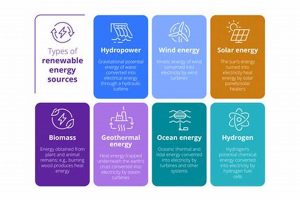
The process of generating cryptocurrency using computational power sourced from sustainable resources like solar, wind, hydro, and geothermal energy offers a potential solution to the environmentally taxing nature of traditional cryptocurrency operations. For instance, a solar farm could power the computers used to validate transactions and add new blocks to a blockchain, thereby creating new cryptocurrency units. This approach contrasts sharply with operations relying on fossil fuel-powered electricity grids.
Decoupling cryptocurrency production from fossil fuels offers significant environmental advantages. It reduces the carbon footprint associated with this energy-intensive process, mitigating concerns about climate change. Furthermore, utilizing renewable energy sources can contribute to the growth and development of the renewable energy sector, fostering innovation and investment in sustainable technologies. Historically, the computational demands of cryptocurrency mining have led to concerns about its environmental impact. The shift towards cleaner energy sources represents a crucial evolution in the industry’s approach to sustainability.
This discussion will further explore the various forms of renewable energy applicable to cryptocurrency mining, analyze their respective advantages and disadvantages, and examine the economic and technological feasibility of widespread adoption. The potential impact on the broader energy landscape and the future of sustainable cryptocurrency operations will also be considered.
Tips for Implementing Sustainable Cryptocurrency Operations
Transitioning to more environmentally responsible cryptocurrency practices requires careful planning and execution. The following tips offer guidance for integrating renewable energy sources into mining operations.
Tip 1: Conduct Thorough Site Assessments: Evaluate potential locations for mining operations based on the availability and reliability of renewable energy sources. Consider factors like solar irradiance, wind speeds, and geothermal activity. Detailed assessments are crucial for maximizing efficiency and minimizing environmental impact.
Tip 2: Explore Hybrid Renewable Energy Systems: Combining multiple renewable energy sources, such as solar and wind, can provide a more consistent power supply and mitigate the intermittency challenges associated with individual sources.
Tip 3: Prioritize Energy-Efficient Hardware: Selecting mining hardware with high hash rates and low power consumption is essential for optimizing energy usage and reducing operational costs. Continuously evaluate emerging technologies for improved efficiency.
Tip 4: Leverage Power Purchase Agreements (PPAs): PPAs enable miners to secure long-term, fixed-price contracts for renewable energy, providing price stability and supporting the development of new renewable energy projects.
Tip 5: Implement Smart Energy Management Systems: Utilizing sophisticated software and hardware solutions to monitor and control energy consumption can optimize resource allocation and minimize waste. These systems can also integrate weather forecasting data to anticipate fluctuations in renewable energy generation.
Tip 6: Advocate for Policy Support: Engage with policymakers to promote supportive regulations and incentives for renewable energy-powered cryptocurrency mining. Collaboration between industry stakeholders and government agencies is crucial for fostering a sustainable ecosystem.
Tip 7: Consider Carbon Offsets: While prioritizing direct use of renewable energy is paramount, exploring credible carbon offset programs can help neutralize remaining emissions and further reduce environmental impact.
By implementing these strategies, the cryptocurrency industry can significantly reduce its environmental footprint and contribute to a more sustainable future. These practices not only benefit the environment but also enhance the long-term viability and social responsibility of cryptocurrency operations.
These tips provide a starting point for transitioning towards environmentally conscious cryptocurrency practices. Further exploration of specific technologies and regulatory frameworks will be crucial for realizing the full potential of sustainable cryptocurrency operations. The future of this industry hinges on its ability to embrace responsible energy solutions.
1. Reduced Carbon Emissions

Reduced carbon emissions represent a central benefit of integrating renewable energy sources into cryptocurrency mining operations. Traditional mining, heavily reliant on fossil fuel-powered electricity grids, contributes significantly to greenhouse gas emissions. Transitioning to renewable energy sources, such as solar, wind, hydro, or geothermal power, directly addresses this issue by decoupling cryptocurrency production from carbon-intensive energy generation. This shift reduces the overall carbon footprint associated with mining, mitigating its contribution to climate change. For example, a mining facility powered by a dedicated solar farm eliminates the emissions associated with equivalent fossil fuel-based electricity consumption.
The magnitude of carbon emission reductions achievable through renewable energy integration depends on several factors, including the specific energy source utilized, the efficiency of mining hardware, and the geographical location of the operation. Regions with access to abundant renewable resources, such as areas with high solar irradiance or consistent wind speeds, offer the greatest potential for significant reductions. Furthermore, advancements in energy-efficient mining hardware amplify the positive impact of renewable energy integration. By optimizing energy consumption alongside transitioning to clean energy sources, the industry can achieve substantial reductions in its overall environmental impact. For instance, utilizing immersion cooling techniques in conjunction with renewable-powered data centers can further enhance energy efficiency and minimize emissions.
The pursuit of reduced carbon emissions within the cryptocurrency mining industry is not only environmentally responsible but also increasingly crucial for its long-term viability. Growing regulatory pressure and public awareness surrounding the environmental impact of cryptocurrency operations necessitate a shift towards sustainable practices. Embracing renewable energy sources is a key step in aligning the industry with global climate goals and ensuring its continued growth within a framework of environmental responsibility. The transition towards sustainable energy sources may present challenges regarding initial investment costs and infrastructure development, but it ultimately offers significant long-term benefits, both environmentally and economically, by reducing reliance on volatile fossil fuel markets and mitigating the risks associated with climate change.
2. Sustainable Power Sources
Sustainable power sources are fundamental to the concept of crypto mining renewable energy. They represent the core component enabling the decoupling of cryptocurrency production from fossil fuel dependence. This connection is crucial for mitigating the environmental impact of computationally intensive mining operations. The viability and effectiveness of crypto mining renewable energy hinge directly on the availability, reliability, and scalability of these sustainable energy sources. For example, a geothermal power plant providing consistent electricity to a Bitcoin mining facility demonstrates a direct link between sustainable power and environmentally responsible cryptocurrency production. Iceland, with its abundant geothermal resources, has become a hub for such operations, showcasing the practical application of this connection.
Several sustainable power sources can fuel crypto mining operations. Solar energy, harnessed through photovoltaic panels, offers a widely accessible and increasingly cost-effective option, particularly in regions with high solar irradiance. Wind energy, captured by turbines, provides another viable alternative, especially in areas with consistent wind speeds. Hydropower, generated from the flow of water, represents a more established renewable energy source suitable for large-scale mining operations located near suitable water resources. Geothermal energy, derived from the Earth’s internal heat, offers a reliable and consistent power source in specific geographical locations. Each of these sources presents unique advantages and disadvantages regarding cost, availability, and environmental impact. Choosing the appropriate source depends on the specific context of the mining operation, including geographical location, scale, and access to existing infrastructure.
The transition to sustainable power sources for crypto mining is essential for the long-term sustainability and social responsibility of the industry. While challenges remain regarding infrastructure development and initial investment costs, the benefits of reduced carbon emissions, enhanced energy independence, and alignment with global climate goals outweigh the drawbacks. The practical significance of understanding this connection lies in its potential to transform the environmental footprint of cryptocurrency production. Furthermore, the increasing demand for renewable energy within the crypto mining sector can drive innovation and investment in the broader renewable energy industry, accelerating the global transition to a more sustainable energy future. Addressing the intermittency challenges associated with some renewable sources, such as solar and wind, through energy storage solutions and grid management strategies is crucial for maximizing the effectiveness of crypto mining renewable energy.
3. Lower Operating Costs

Lower operating costs represent a significant driver for the adoption of renewable energy in cryptocurrency mining. The energy-intensive nature of mining operations makes electricity expenses a major component of overall costs. Transitioning to renewable energy sources offers the potential for substantial savings, enhancing the profitability and long-term viability of mining ventures. This cost reduction stems from several factors, including reduced reliance on volatile fossil fuel markets and the decreasing cost of renewable energy technologies.
- Reduced Electricity Expenses:
Renewable energy sources, particularly solar and wind, can significantly reduce electricity costs compared to traditional fossil fuel-based power. Once the initial investment in renewable energy infrastructure is recouped, operational expenses related to electricity consumption can decrease substantially. For example, a mining farm powered by on-site solar panels can drastically reduce or even eliminate its monthly electricity bills, leading to greater profit margins. This advantage becomes increasingly pronounced as the cost of fossil fuels fluctuates and generally trends upwards.
- Predictable Energy Costs:
Renewable energy sources offer greater price stability compared to the volatile fossil fuel market. This predictability allows mining operators to better forecast and manage their operational expenses, reducing financial risks associated with fluctuating energy prices. Long-term power purchase agreements (PPAs) for renewable energy can further enhance price stability, providing a fixed cost for electricity over an extended period. This predictable cost structure facilitates more accurate financial planning and contributes to the overall stability of mining operations.
- Government Incentives and Tax Benefits:
Many jurisdictions offer financial incentives, such as tax credits and subsidies, to encourage the adoption of renewable energy. Cryptocurrency mining operations utilizing renewable energy sources can leverage these incentives to further reduce their operating costs. These programs can significantly offset the initial investment in renewable energy infrastructure and accelerate the return on investment. The availability and specifics of these incentives vary by location, highlighting the importance of considering regional policies when planning mining operations.
- Reduced Maintenance Costs:
While renewable energy systems require initial investment and periodic maintenance, they generally involve lower ongoing maintenance costs compared to traditional power generation infrastructure. Solar panels and wind turbines, for example, have relatively few moving parts, reducing the likelihood of mechanical failures and minimizing maintenance requirements. This lower maintenance burden contributes to overall cost savings and operational efficiency.
The lower operating costs associated with renewable energy integration in cryptocurrency mining enhance the financial viability and sustainability of the industry. This economic advantage, combined with the environmental benefits of reduced carbon emissions, positions renewable energy as a crucial component of the future of cryptocurrency mining. As renewable energy technologies continue to advance and become more cost-competitive, their adoption within the mining sector is likely to accelerate, driving both economic growth and environmental responsibility.
4. Grid independence potential
Grid independence potential represents a significant advantage of integrating renewable energy sources into cryptocurrency mining operations. Decoupling mining activities from reliance on centralized electricity grids offers several benefits, including increased operational resilience, reduced vulnerability to grid disruptions, and the potential for deployment in remote locations with limited grid access. This independence fosters greater control over energy costs and supply, enhancing the long-term sustainability and profitability of mining ventures.
- Enhanced Resilience:
Mining operations powered by independent renewable energy sources, such as on-site solar or wind farms, are less susceptible to disruptions affecting the traditional power grid. Events like blackouts, grid instability, or transmission failures have minimal impact on these self-sufficient operations, ensuring continuous mining activity. This enhanced resilience translates to greater operational stability and predictable revenue streams.
- Reduced Vulnerability to Grid Disruptions:
Grid dependence exposes mining operations to various risks, including price volatility, supply interruptions, and regulatory changes. Grid independence mitigates these risks by providing a dedicated and controlled energy source. This autonomy shields mining operations from external factors affecting the grid, ensuring greater operational control and minimizing vulnerability to unforeseen circumstances.
- Remote Location Deployment:
Renewable energy facilitates cryptocurrency mining in remote areas with limited or no access to existing grid infrastructure. Off-grid mining operations powered by solar, wind, or other renewable sources can thrive in these locations, unlocking access to untapped resources and potentially reducing competition for grid-connected power. This expansion into remote areas can stimulate local economic development and promote decentralized cryptocurrency production.
- Energy Cost Control:
Grid independence provides greater control over energy costs. Mining operations generating their own renewable energy are less susceptible to fluctuations in grid electricity prices. This control allows for more predictable operational budgeting and reduces the financial risks associated with volatile energy markets. Furthermore, utilizing excess renewable energy generated during periods of low mining demand for other purposes, such as selling it back to the grid or powering local communities, can further enhance economic benefits.
The grid independence potential offered by renewable energy integration enhances the long-term sustainability and profitability of cryptocurrency mining. This autonomy reduces operational risks, expands deployment possibilities, and promotes greater control over energy costs. As the cryptocurrency industry evolves, grid independence will likely become an increasingly important factor in determining the success and sustainability of mining operations. This independence also aligns with broader trends toward decentralized energy production and consumption, contributing to a more resilient and sustainable energy future.
5. Renewable Energy Sector Growth

The increasing adoption of renewable energy within the cryptocurrency mining industry presents a significant opportunity for growth within the broader renewable energy sector. This symbiotic relationship creates a positive feedback loop: demand from cryptocurrency miners stimulates investment and innovation in renewable energy technologies, while the expanding renewable energy sector provides more sustainable and cost-effective power solutions for mining operations. This interplay fosters a mutually beneficial cycle of growth and development, accelerating the transition towards a more sustainable energy future.
- Increased Investment in Renewable Energy Infrastructure:
The energy-intensive nature of cryptocurrency mining creates substantial demand for electricity. As miners increasingly turn to renewable sources, this demand translates into significant investment in renewable energy infrastructure. Mining companies invest in building new solar farms, wind farms, and other renewable energy projects to power their operations. This investment stimulates the growth of the renewable energy sector, creating jobs, driving technological advancements, and expanding the overall capacity for renewable energy generation. For example, several large-scale mining operations have invested in dedicated solar and wind farms to power their facilities, contributing directly to the expansion of renewable energy infrastructure.
- Technological Innovation and Efficiency:
The demand for renewable energy from the cryptocurrency mining industry incentivizes innovation and efficiency within the renewable energy sector. Mining companies seek the most cost-effective and reliable renewable energy solutions, driving the development of more efficient solar panels, wind turbines, energy storage technologies, and smart grid management systems. This focus on efficiency benefits not only the mining industry but also the broader adoption of renewable energy across various sectors. For instance, advancements in battery storage technology driven by the needs of cryptocurrency miners can also benefit other industries reliant on intermittent renewable energy sources.
- Job Creation and Economic Development:
The growth of the renewable energy sector spurred by cryptocurrency mining creates new job opportunities in manufacturing, installation, maintenance, and research and development. This job creation stimulates economic development in regions where renewable energy projects are located, contributing to local economies and communities. For example, the construction and operation of a solar farm to power a mining facility create jobs for engineers, technicians, construction workers, and other skilled professionals. This localized economic benefit extends beyond the mining industry itself.
- Decentralization and Energy Independence:
Renewable energy-powered cryptocurrency mining promotes decentralized energy production and reduces reliance on centralized power grids. This shift towards decentralized energy systems aligns with broader trends in the renewable energy sector, fostering greater energy independence and resilience. Mining operations located in remote areas, powered by independent renewable energy sources, contribute to the development of localized and self-sufficient energy systems, reducing dependence on traditional grid infrastructure. This decentralized model can enhance energy security and promote more equitable access to energy resources.
The mutually beneficial relationship between renewable energy sector growth and cryptocurrency mining powered by renewable energy sources creates a powerful force for positive change within the broader energy landscape. The increasing demand from the cryptocurrency mining industry accelerates the development and deployment of renewable energy technologies, contributing to a more sustainable and decentralized energy future. This symbiotic growth not only benefits the cryptocurrency industry but also accelerates the global transition towards a cleaner and more resilient energy system. As the industry matures and regulatory frameworks adapt, this connection will likely become even more pronounced, driving further innovation and investment in both sectors.
6. Positive Environmental Impact

The positive environmental impact of cryptocurrency mining powered by renewable energy sources stems from a fundamental shift away from fossil fuel dependence. This transition directly addresses the significant carbon footprint associated with traditional mining operations, which rely heavily on electricity generated from carbon-intensive sources. By utilizing renewable energy, such as solar, wind, hydro, and geothermal power, the industry can drastically reduce greenhouse gas emissions associated with cryptocurrency production. This reduction contributes to mitigating climate change and promoting a more sustainable energy landscape. For instance, a mining facility powered by a dedicated solar farm eliminates the emissions that would have resulted from equivalent fossil fuel-based electricity consumption. This direct link between renewable energy usage and emissions reduction forms the core of the positive environmental impact.
Beyond emissions reductions, the positive environmental impact extends to several other areas. The increased demand for renewable energy from the cryptocurrency mining sector stimulates investment and innovation within the broader renewable energy industry. This, in turn, accelerates the development and deployment of cleaner energy technologies, benefiting various sectors beyond cryptocurrency. Furthermore, utilizing renewable energy for mining reduces pressure on existing power grids, potentially freeing up capacity for other uses and lessening the need for new fossil fuel-based power plants. In some cases, mining operations can even contribute to local energy resilience by providing excess renewable energy back to the grid. For example, a wind farm powering a mining operation can also supply electricity to a nearby community, enhancing energy security and reducing reliance on centralized power sources. This ripple effect of positive impact extends beyond the immediate scope of the mining operation itself.
Realizing the full positive environmental impact of crypto mining renewable energy requires careful consideration of several factors. The source of renewable energy plays a crucial role; hydropower, while renewable, can have significant environmental impacts depending on dam construction and water management practices. The lifecycle emissions associated with manufacturing and deploying renewable energy infrastructure must also be considered. Finally, responsible land use and resource management are essential for minimizing the environmental footprint of renewable energy projects associated with mining. Despite these challenges, the transition to renewable energy in cryptocurrency mining represents a significant step towards a more sustainable future for the industry. By prioritizing responsible practices and continuously striving for improvement, the sector can maximize its positive environmental impact and contribute to a cleaner, more resilient energy system. The ongoing development of more efficient mining hardware and innovative energy storage solutions will further amplify the positive environmental contributions of renewable energy integration in cryptocurrency mining.
Frequently Asked Questions
This section addresses common inquiries regarding the utilization of renewable energy sources in cryptocurrency mining operations.
Question 1: What are the primary renewable energy sources used in cryptocurrency mining?
The most common renewable energy sources currently employed are solar, wind, hydro, and geothermal power. The suitability of each source depends on factors such as geographical location, resource availability, and the scale of the mining operation.
Question 2: How does using renewable energy reduce the environmental impact of cryptocurrency mining?
Traditional mining operations often rely on electricity generated from fossil fuels, contributing significantly to greenhouse gas emissions. Utilizing renewable energy sources drastically reduces or eliminates these emissions, mitigating the industry’s contribution to climate change.
Question 3: Is cryptocurrency mining with renewable energy truly cost-effective?
While the initial investment in renewable energy infrastructure can be substantial, long-term operational costs are typically lower due to reduced electricity expenses and potential government incentives. The decreasing cost of renewable energy technologies further enhances cost-effectiveness.
Question 4: Can renewable energy sources reliably power the energy-intensive demands of cryptocurrency mining?
Addressing the intermittency of some renewable sources, such as solar and wind, requires careful planning and integration of energy storage solutions, grid management strategies, and potentially hybrid systems combining multiple renewable sources.
Question 5: What are the challenges associated with transitioning to renewable energy-powered cryptocurrency mining?
Challenges include the initial capital investment for renewable energy infrastructure, the intermittency of certain renewable sources, and the potential for land use and environmental impact related to large-scale renewable energy projects. Regulatory frameworks and permitting processes can also present hurdles.
Question 6: How does the adoption of renewable energy in cryptocurrency mining benefit the broader energy landscape?
The increased demand for renewable energy from the mining sector stimulates investment and innovation within the broader renewable energy industry, accelerating the development and deployment of cleaner energy technologies. This growth benefits various sectors and contributes to a more sustainable energy future.
Transitioning to renewable energy sources in cryptocurrency mining presents both challenges and opportunities. Careful planning, technological innovation, and supportive regulatory frameworks are crucial for maximizing the environmental and economic benefits of this evolving landscape.
Further exploration of specific renewable energy technologies and their application within the cryptocurrency mining industry will follow in subsequent sections.
Conclusion
This exploration of cryptocurrency mining powered by renewable energy sources has highlighted the significant potential for reducing the environmental impact of this energy-intensive industry. Key advantages include diminished reliance on fossil fuels, decreased carbon emissions, and the stimulation of growth within the renewable energy sector. Furthermore, the potential for lower operating costs, enhanced grid independence, and positive contributions to local economies underscores the multifaceted benefits of this transition. However, challenges remain, including the intermittency of certain renewable sources, the initial investment costs of infrastructure development, and the potential environmental impact of large-scale renewable energy projects. Addressing these challenges through ongoing technological innovation, strategic planning, and supportive regulatory frameworks is crucial for realizing the full potential of sustainable cryptocurrency operations.
The future of cryptocurrency mining is inextricably linked to its environmental sustainability. The continued growth and acceptance of this technology hinge on the industry’s ability to embrace responsible energy solutions. Transitioning to renewable energy sources represents not only an environmental imperative but also a strategic advantage for ensuring the long-term viability and social responsibility of cryptocurrency operations. Further research, development, and collaboration across industries and governments will be essential for navigating the complexities of this transition and forging a path towards a truly sustainable and responsible cryptocurrency ecosystem.