Establishments utilizing sustainable power sources like solar, wind, hydro, biomass, and geothermal energy for operational needs represent a growing trend. Examples include a factory powered by rooftop solar panels, a data center relying on wind energy, or a retail chain offsetting its electricity consumption with geothermal power. These approaches aim to decrease reliance on fossil fuels and reduce environmental impact.
Sustainable power implementation in business operations offers significant advantages. Reduced operating costs through lower electricity bills, enhanced brand image through demonstrated environmental responsibility, and increased energy independence are key benefits. Historically, high initial investment costs posed a barrier. However, technological advancements and supportive government policies have driven down costs, making these options increasingly attractive and accessible for businesses of all sizes.
This discussion will delve into the various types of sustainable power suitable for business applications, exploring their technical aspects, financial considerations, and environmental impact. Furthermore, it will examine the policy landscape and the future trajectory of this crucial sector.
Tips for Implementing Sustainable Power Solutions
Successfully integrating sustainable power requires careful planning and execution. The following tips offer guidance for businesses considering this transition.
Tip 1: Conduct a Thorough Energy Audit: A comprehensive energy audit assesses current energy consumption patterns, identifies areas for improvement, and provides a baseline for measuring the effectiveness of implemented solutions. This analysis should consider all aspects of energy use, including lighting, heating, cooling, and operational equipment.
Tip 2: Explore Available Incentives and Financing Options: Numerous government incentives, tax credits, and rebates exist to support businesses adopting sustainable power. Researching and leveraging these programs can significantly reduce upfront investment costs.
Tip 3: Choose the Right Technology: Different technologies are suited to different environments and business needs. Factors such as geographic location, available space, and energy consumption patterns should inform the selection of the most appropriate technology.
Tip 4: Partner with Experienced Professionals: Navigating the complexities of sustainable power implementation requires specialized expertise. Engaging experienced consultants and installers ensures optimal system design, efficient installation, and ongoing maintenance.
Tip 5: Consider Long-Term Sustainability: Evaluate the long-term viability of chosen solutions, considering factors such as equipment lifespan, maintenance requirements, and potential technological advancements.
Tip 6: Integrate with Existing Infrastructure: Design sustainable power solutions to seamlessly integrate with existing infrastructure, minimizing disruption to operations during installation and maximizing overall system efficiency.
Tip 7: Monitor and Optimize Performance: Implementing a robust monitoring system allows businesses to track energy production, identify potential issues, and optimize system performance over time.
By carefully considering these tips, organizations can strategically implement sustainable power, achieving significant cost savings, reducing environmental impact, and demonstrating a commitment to responsible energy practices.
This information provides a practical foundation for transitioning towards a more sustainable energy future. The subsequent sections will offer a deeper dive into specific technologies and implementation strategies.
1. Solar Photovoltaic (PV)

Solar photovoltaic (PV) technology plays a significant role in the adoption of commercial renewable energy systems. Converting sunlight directly into electricity, PV systems offer businesses a viable pathway toward reduced reliance on conventional energy sources and decreased carbon footprints. Their modularity and scalability make them adaptable to a range of commercial settings.
- Rooftop Installations
Rooftop PV installations are a common application for commercial buildings. These systems utilize available roof space to generate electricity, offsetting a portion of the building’s energy consumption. Examples include warehouses, retail stores, and office buildings utilizing rooftop PV arrays. The reduced reliance on grid electricity translates to lower operating costs and improved environmental performance. Rooftop systems are particularly attractive due to their minimal land-use impact.
- Ground-Mounted Systems
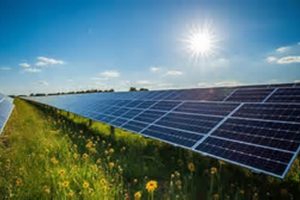
For businesses with ample land availability, ground-mounted PV systems offer larger-scale power generation. These installations can significantly offset electricity consumption or even feed excess power back into the grid. Large-scale ground-mounted arrays are frequently employed by manufacturing facilities and agricultural operations. These systems contribute substantially to corporate sustainability goals and can provide a hedge against fluctuating energy prices.
- Building-Integrated Photovoltaics (BIPV)
BIPV integrates PV panels directly into building materials, such as facades, windows, or roofing tiles. This approach combines energy generation with aesthetic and functional building elements. Examples include office towers with PV-integrated glass facades or warehouses with PV roofing systems. BIPV offers a seamless integration of renewable energy generation into building design, maximizing space utilization and enhancing architectural aesthetics.
- Financial Considerations and Incentives
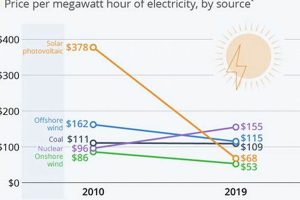
The financial viability of commercial solar PV systems is often enhanced by government incentives, tax credits, and rebates. These programs can significantly reduce upfront investment costs and accelerate the return on investment. Additionally, financing options such as power purchase agreements (PPAs) allow businesses to benefit from solar energy without owning the system outright. The decreasing cost of PV technology, combined with available financial incentives, makes solar an increasingly attractive option for businesses seeking to reduce operating expenses and enhance their sustainability profile.
The diverse applications and increasing affordability of solar PV technology position it as a key component within the broader landscape of commercial renewable energy systems. As technology continues to advance and costs continue to decline, solar PV is expected to play an increasingly prominent role in powering businesses worldwide, contributing to a more sustainable energy future.
2. Wind Turbines
Wind turbines represent a significant component within commercial renewable energy systems, converting kinetic wind energy into electricity. Their contribution to decarbonizing business operations and fostering energy independence is substantial. The scale of wind turbine implementation varies considerably, from individual turbines powering small businesses to large-scale wind farms supplying power to major corporations. For example, a manufacturing facility might install on-site turbines to offset electricity consumption, while a retail chain could purchase power from a wind farm through a power purchase agreement (PPA). Understanding the interplay between wind resources, turbine technology, and energy demand is crucial for effective integration of wind power into commercial settings. Factors such as wind speed, turbine size, and energy storage capacity significantly influence the feasibility and economic viability of wind energy projects.
Practical applications of wind turbines in commercial renewable energy systems are diverse and expanding. Offshore wind farms, often characterized by higher wind speeds and larger turbines, offer substantial power generation potential for coastal businesses. Onshore wind projects, while sometimes facing land-use constraints, can provide localized power generation and economic benefits to rural communities. Technological advancements, such as improved turbine efficiency and advanced energy storage solutions, continue to enhance the viability and effectiveness of wind power. Furthermore, sophisticated forecasting models and grid integration technologies contribute to reliable and stable wind energy delivery. These developments demonstrate the growing role of wind energy in diversifying energy portfolios and supporting sustainable business practices.
Harnessing wind energy through strategically implemented turbine systems presents a compelling pathway towards a cleaner energy future for businesses. While challenges such as intermittent wind resources and potential environmental impacts require careful consideration, the long-term benefits of reduced emissions, enhanced energy security, and cost-competitive power generation underscore the importance of wind turbines within commercial renewable energy systems. Continued innovation and supportive policies will further accelerate the integration of wind power into the commercial sector, driving progress towards a more sustainable and resilient energy landscape.
3. Geothermal Energy

Geothermal energy, derived from the Earth’s internal heat, presents a reliable and sustainable energy source within commercial renewable energy systems. Unlike solar or wind power, geothermal energy is available consistently, regardless of weather conditions. This constant availability makes it a valuable asset for businesses seeking to reduce reliance on fluctuating energy sources and achieve stable operating costs. Harnessing geothermal resources requires specific geological conditions, making feasibility assessments crucial for successful implementation.
- Direct Use Applications
Direct use applications represent a straightforward method of harnessing geothermal energy for commercial purposes. These systems utilize geothermal heat directly for heating and cooling buildings, greenhouses, and industrial processes. For instance, a resort might use geothermal hot water for space heating and swimming pools, while a food processing plant could employ geothermal steam for sterilization. Direct use applications offer significant cost savings and reduce reliance on fossil fuels for heating and cooling needs.
- Geothermal Power Plants
Geothermal power plants generate electricity by harnessing steam or hot water from geothermal reservoirs. These plants provide a baseload power source, operating continuously and contributing to grid stability. Examples include geothermal power plants supplying electricity to data centers or manufacturing facilities. The consistent power output from geothermal plants offers businesses a predictable energy source, mitigating the intermittency challenges associated with other renewable energy technologies.
- Ground Source Heat Pumps (GSHPs)
GSHPs leverage the relatively constant temperature of the ground to provide heating and cooling for commercial buildings. These systems utilize a network of underground pipes to exchange heat with the earth, reducing the energy required for conventional HVAC systems. Office buildings, schools, and hospitals can significantly reduce energy consumption and operating costs through GSHP integration. GSHPs offer an efficient and environmentally friendly alternative to traditional heating and cooling solutions.
- Geothermal Resource Assessment and Development
Successful geothermal projects require thorough resource assessment and development. This process involves geological surveys, temperature gradient analysis, and reservoir modeling to determine the viability and potential of a geothermal resource. Understanding the characteristics of the geothermal resource is essential for optimizing system design, ensuring long-term sustainability, and maximizing energy output. Careful planning and execution are critical for the successful deployment of geothermal energy systems.
Geothermal energy offers a unique set of advantages within commercial renewable energy systems, providing a consistent and reliable energy source for a variety of applications. While geographic constraints limit its availability in certain areas, regions with suitable geothermal resources can significantly benefit from this clean and sustainable energy source. From direct use applications to large-scale power generation, geothermal energy contributes to reduced emissions, enhanced energy independence, and a more sustainable energy future for businesses.
4. Biomass Energy

Biomass energy, derived from organic matter, plays a distinct role within commercial renewable energy systems. Its utilization offers a pathway for businesses to reduce reliance on fossil fuels and manage organic waste streams effectively. The conversion of biomass into usable energy forms, such as heat, electricity, or biofuels, provides a versatile renewable energy option. For example, a manufacturing facility might use wood waste from its production process to generate heat for its operations, or a farm could utilize agricultural residues to produce biogas for electricity generation. This integration of biomass energy contributes to a circular economy approach, reducing waste and maximizing resource utilization.
Practical applications of biomass energy span various commercial sectors. Combined heat and power (CHP) systems, also known as cogeneration, utilize biomass to generate both electricity and heat, increasing overall energy efficiency. Biofuels, derived from biomass feedstocks, offer a renewable alternative to conventional transportation fuels, reducing reliance on petroleum products. Furthermore, anaerobic digestion of organic waste produces biogas, a valuable fuel source for electricity generation and heating applications. The versatility of biomass energy allows businesses to tailor solutions to their specific energy needs and available resources. Considerations such as biomass availability, conversion technology, and environmental impact influence the feasibility and effectiveness of biomass energy projects.
While biomass energy offers substantial benefits, careful management is essential to ensure sustainable practices. Sustainable sourcing of biomass feedstocks is crucial to prevent deforestation and protect biodiversity. Efficient conversion technologies minimize environmental impacts and maximize energy output. Addressing potential air quality concerns associated with biomass combustion is also paramount. By implementing sustainable practices and utilizing appropriate technologies, businesses can effectively integrate biomass energy as a valuable component of their renewable energy strategies, contributing to a more sustainable and resilient energy future.
5. Hydropower
Hydropower represents a well-established component within commercial renewable energy systems, harnessing the energy of flowing water to generate electricity. Its significance stems from its capacity for large-scale power generation and its ability to provide a reliable, baseload power source. The connection between hydropower and commercial systems lies in its potential to fulfill substantial energy demands, contributing to reduced reliance on fossil fuels and promoting sustainable business practices. A clear example is a manufacturing facility utilizing hydropower to power its operations, minimizing its carbon footprint and stabilizing energy costs. Another example is a data center leveraging hydropower for its continuous energy needs, ensuring operational reliability. Understanding hydropower’s role in these systems is essential for organizations seeking long-term energy security and environmental sustainability. Factors such as water availability, dam infrastructure, and environmental considerations influence the feasibility and impact of hydropower projects.
Practical applications of hydropower in commercial settings vary considerably. Run-of-river hydropower projects, utilizing the natural flow of rivers, minimize environmental disruption while providing continuous energy generation. Large-scale hydroelectric dams, while offering substantial power output, require careful assessment and management of potential environmental and social impacts. Pumped hydro storage systems, acting as giant batteries, store excess energy and release it during peak demand periods, enhancing grid stability and supporting the integration of intermittent renewable energy sources like solar and wind. Technological advancements in turbine design and water management systems continue to improve the efficiency and environmental performance of hydropower installations. These diverse applications demonstrate hydropower’s adaptability and its crucial role in supporting commercial renewable energy strategies.
Hydropower’s contribution to commercial renewable energy systems is substantial, offering a reliable and scalable power generation method. While careful consideration of potential environmental and social impacts remains crucial, hydropower’s capacity for baseload power and its role in grid stabilization positions it as a valuable component within a diversified renewable energy portfolio. Continued innovation and responsible development practices will further optimize hydropower’s contribution to a sustainable and resilient energy future for businesses and communities.
6. Financial Incentives

Financial incentives play a crucial role in accelerating the adoption of commercial renewable energy systems. These incentives, often implemented by governments and regulatory bodies, aim to reduce the financial barriers associated with transitioning to renewable energy sources, making them more economically attractive to businesses. Understanding the various types of incentives and their impact on project feasibility is essential for businesses exploring renewable energy options.
- Tax Credits and Deductions
Tax credits and deductions directly reduce a business’s tax liability based on investments in renewable energy systems. These incentives can significantly lower the upfront cost of implementing technologies like solar PV, wind turbines, or geothermal systems. For example, a business investing in a solar PV system might be eligible for a tax credit equivalent to a percentage of the system’s cost. This reduction in initial capital outlay enhances the financial viability of renewable energy projects and accelerates the return on investment.
- Rebates and Grants
Rebates and grants provide direct financial assistance to businesses adopting renewable energy technologies. Rebates typically offer a lump-sum payment after system installation, while grants provide funding towards project development or implementation. These incentives can further reduce the financial burden on businesses and make renewable energy projects more competitive with conventional energy sources. A state government, for example, might offer rebates for businesses installing geothermal heat pumps, encouraging the adoption of this efficient and sustainable heating and cooling technology.
- Net Metering and Feed-in Tariffs
Net metering policies allow businesses generating excess renewable energy to sell it back to the grid, offsetting their electricity bills. Feed-in tariffs provide a guaranteed price for renewable energy fed into the grid, creating a revenue stream for businesses. These mechanisms incentivize renewable energy generation by providing financial benefits for excess power production. A business with a rooftop solar PV system, for instance, could utilize net metering to reduce its electricity costs by selling excess solar power back to the utility grid.
- Renewable Portfolio Standards (RPS)
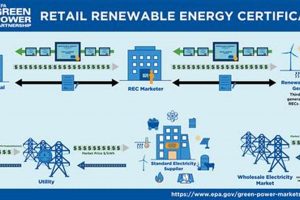
RPS policies require electricity suppliers to source a certain percentage of their electricity from renewable energy sources. These mandates create demand for renewable energy, driving investment in commercial renewable energy projects. RPS policies often include mechanisms like renewable energy certificates (RECs), which businesses can trade to comply with the mandate. This market-based approach incentivizes renewable energy development and helps achieve state or national renewable energy targets.
The availability and structure of financial incentives vary significantly depending on geographic location and policy landscape. Businesses considering renewable energy investments should carefully evaluate available incentives and their impact on project economics. These financial mechanisms play a crucial role in driving the adoption of commercial renewable energy systems, contributing to a more sustainable and resilient energy future.
Frequently Asked Questions about Commercial Renewable Energy Systems
This section addresses common inquiries regarding the implementation and operation of commercial renewable energy systems. Clarity on these points is essential for informed decision-making.
Question 1: What are the primary cost considerations for implementing a commercial renewable energy system?
Costs vary significantly depending on the chosen technology, system size, and site-specific factors. Initial investment costs include equipment purchase, installation, and grid interconnection. Operational costs encompass maintenance, repairs, and insurance. Financial incentives and financing options can significantly impact overall project economics.
Question 2: How do businesses determine the most suitable renewable energy technology for their specific needs?
A comprehensive energy audit is crucial for assessing current energy consumption patterns and identifying potential areas for improvement. Factors such as geographic location, available space, energy demand profile, and financial resources influence technology selection. Consulting with experienced renewable energy professionals is recommended.
Question 3: What are the key environmental benefits of adopting commercial renewable energy systems?
Reduced greenhouse gas emissions, decreased reliance on fossil fuels, and improved air quality represent significant environmental advantages. Specific benefits depend on the chosen technology and its implementation. Life-cycle assessments can provide a comprehensive evaluation of environmental impacts.
Question 4: How do commercial renewable energy systems impact grid stability and reliability?
Properly designed and integrated renewable energy systems can enhance grid stability by diversifying energy sources and reducing reliance on centralized power plants. Advanced grid management technologies and energy storage solutions play a crucial role in optimizing grid integration and ensuring reliability.
Question 5: What are the potential challenges or risks associated with implementing commercial renewable energy systems?
Intermittency of certain renewable energy sources, permitting and regulatory hurdles, and potential environmental impacts require careful consideration. Thorough planning, site assessments, and engagement with experienced professionals can mitigate these risks.
Question 6: What is the long-term outlook for commercial renewable energy systems and their role in the energy transition?
Declining technology costs, increasing demand for clean energy, and supportive government policies indicate a positive long-term outlook for commercial renewable energy systems. Continued innovation and investment in renewable energy technologies are crucial for achieving a sustainable energy future.
Understanding these key aspects of commercial renewable energy systems enables informed decision-making and contributes to the successful integration of renewable energy into business operations.
For further information, the following section provides detailed case studies showcasing successful commercial renewable energy implementations.
Conclusion
Commercial renewable energy systems represent a critical pathway toward a sustainable energy future. This exploration has highlighted the diverse range of technologies available, from solar photovoltaic and wind power to geothermal, biomass, and hydropower. The financial and environmental benefits of adopting these systems are substantial, offering businesses opportunities to reduce operating costs, enhance brand image, and mitigate environmental impact. Furthermore, the examination of policy landscapes, financial incentives, and practical implementation considerations underscores the growing accessibility and viability of these solutions.
The transition to a cleaner energy future requires a collective commitment from businesses, policymakers, and individuals. Embracing commercial renewable energy systems is not merely a technological shift; it represents a fundamental change in how organizations approach energy consumption and environmental responsibility. Continued innovation, supportive policies, and informed decision-making will be essential for realizing the full potential of these systems and building a more sustainable and resilient energy landscape for generations to come. The future of energy lies in the strategic and widespread adoption of these technologies, empowering businesses to drive positive change and shape a more sustainable world.