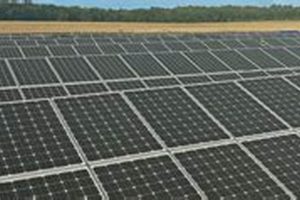
Energy derived from natural resources that are replenished at a higher rate than they are consumed is generally considered sustainable. Examples include solar power harnessed through photovoltaic cells, wind power captured by turbines, hydropower generated from flowing water, geothermal energy extracted from the Earth’s heat, and bioenergy derived from organic matter. These sources offer an alternative to fossil fuels, minimizing environmental impact through reduced greenhouse gas emissions and other pollutants.
The transition to sustainable energy sources offers significant advantages, including enhanced energy security through diversified supply, mitigation of climate change impacts, improved air and water quality, and the creation of economic opportunities in emerging sectors. Historically, reliance on finite resources has posed challenges related to price volatility and geopolitical instability. The shift toward sustainability represents a crucial step in addressing these long-standing concerns and fostering a more secure and environmentally responsible energy future.
This discussion will further explore specific forms of sustainable energy, analyzing their respective advantages, challenges, and potential contributions to a global transition toward a cleaner energy landscape. Topics covered will include technological advancements, economic considerations, policy frameworks, and the societal impact of embracing sustainable energy solutions.
Tips for Supporting Sustainable Energy
Individuals and communities can contribute to the growth of sustainable energy through informed choices and proactive measures. These practical steps empower consumers to participate in the transition toward a cleaner energy future.
Tip 1: Invest in Energy-Efficient Appliances: Choosing appliances with high energy efficiency ratings reduces overall energy consumption and lowers utility bills. Look for labels such as Energy Star when making purchasing decisions.
Tip 2: Explore Residential Solar Installations: Rooftop solar panels offer homeowners the opportunity to generate their own electricity, reducing reliance on traditional power grids and decreasing carbon footprints.
Tip 3: Support Community Solar Projects: Participating in community solar initiatives allows individuals to benefit from solar energy even without installing panels on their own property. This is often a viable option for renters or those with unsuitable roofs.
Tip 4: Advocate for Sustainable Energy Policies: Engaging with local and national representatives to support policies that promote sustainable energy development can accelerate the transition to a cleaner energy infrastructure.
Tip 5: Reduce Overall Energy Consumption: Simple actions like turning off lights when leaving a room, unplugging electronics not in use, and using natural light can cumulatively contribute to significant energy savings.
Tip 6: Choose Sustainable Transportation Options: Utilizing public transportation, cycling, walking, or electric vehicles reduces reliance on fossil fuels and minimizes emissions from the transportation sector.
Tip 7: Educate and Inform Others: Sharing information about the benefits of sustainable energy with friends, family, and colleagues can raise awareness and encourage broader adoption of these practices.
By adopting these measures, individuals can actively participate in the global shift towards sustainable energy, creating both individual and collective benefits for the environment and the economy.
Through these individual actions and collective efforts, the transition toward a sustainable energy future can be accelerated, ensuring a cleaner, more secure, and prosperous world for generations to come.
1. Environmental Protection

Environmental protection is intrinsically linked to the adoption of clean renewable energy sources. Transitioning away from fossil fuels toward sustainable alternatives is crucial for mitigating the detrimental environmental impacts associated with conventional energy production and consumption. This shift addresses several key environmental concerns.
- Reduced Greenhouse Gas Emissions
Combustion of fossil fuels releases substantial amounts of greenhouse gases, primarily carbon dioxide, into the atmosphere, contributing significantly to climate change. Clean renewable energy sources, such as solar, wind, and hydro, produce minimal greenhouse gas emissions during operation, thus mitigating the impact on the global climate. For instance, replacing a coal-fired power plant with a wind farm drastically reduces carbon dioxide emissions, lessening the contribution to global warming.
- Improved Air Quality
Fossil fuel combustion also releases pollutants such as sulfur dioxide, nitrogen oxides, and particulate matter, which contribute to respiratory problems and other health issues. Clean renewable energy sources significantly reduce these air pollutants, leading to improved air quality and public health outcomes. The transition to electric vehicles powered by renewable energy further enhances these benefits in urban areas.
- Water Conservation
Certain conventional energy sources, particularly fossil fuel extraction and thermoelectric power generation, require substantial amounts of water. Clean renewable energy sources, such as solar and wind, have significantly lower water requirements, contributing to water conservation in water-stressed regions. This is particularly relevant in areas facing drought or limited water resources.
- Reduced Land Degradation
Fossil fuel extraction activities, such as mining and drilling, can lead to significant land degradation, habitat destruction, and ecosystem disruption. Clean renewable energy sources, while requiring land for infrastructure, generally have a lower impact on land use and ecosystems compared to fossil fuel extraction. Careful siting and land management practices can further minimize the environmental footprint of renewable energy projects.
By addressing these environmental challenges, clean renewable energy contributes to a healthier and more sustainable environment. The transition to these sources is essential not only for mitigating the impacts of climate change but also for protecting ecosystems, conserving resources, and improving overall environmental quality. Continued investment in and development of clean renewable energy technologies are vital for achieving long-term environmental sustainability.
2. Sustainable Resource Use
Sustainable resource use forms a cornerstone of clean renewable energy. Clean renewable energy technologies rely fundamentally on resources that are naturally replenished over relatively short periods, ensuring their availability for future generations. This contrasts sharply with conventional energy sources, which depend on finite fossil fuels formed over millions of years. The shift towards sustainable resources represents a crucial step in decoupling energy production from the depletion of non-renewable resources. For instance, solar energy harnesses sunlight, a perpetually available resource, while wind energy utilizes wind, a naturally recurring atmospheric phenomenon. Geothermal energy taps into the Earth’s internal heat, a vast and constantly replenished energy source. These examples demonstrate the intrinsic link between sustainable resource use and clean renewable energy production.
The practical significance of this connection is substantial. Sustainable resource use minimizes the environmental impact associated with resource extraction and depletion. Unlike fossil fuel extraction, which often involves invasive mining practices, land degradation, and habitat disruption, harnessing renewable resources generally has a lower environmental footprint. Furthermore, reliance on sustainable resources contributes to greater energy security by reducing dependence on finite resources with fluctuating prices and geopolitical implications. The development and implementation of closed-loop systems, where materials used in renewable energy technologies are recycled and repurposed at the end of their life cycle, further enhance the sustainability of these energy sources. For example, recycling components of solar panels and wind turbine blades minimizes waste and reduces the need for virgin materials.
In summary, the connection between sustainable resource use and clean renewable energy is essential for long-term energy viability. This approach promotes environmental stewardship by minimizing the depletion of natural resources and reducing the environmental impact associated with energy production. Moreover, it enhances energy security and fosters a more sustainable and resilient energy future. Addressing challenges related to the intermittency of some renewable resources, optimizing resource efficiency in manufacturing processes, and developing robust recycling infrastructures are crucial next steps in fully realizing the potential of sustainable resource use within the clean renewable energy sector.
3. Economic Growth Potential

Clean renewable energy presents significant economic growth potential, driving job creation, fostering new industries, and stimulating economic diversification. The transition to a clean energy economy necessitates substantial investments in research and development, manufacturing, installation, and maintenance of renewable energy technologies. This creates employment opportunities across a range of skill levels, from highly specialized engineering roles to installation and maintenance technicians. For example, the growth of the solar industry has led to a surge in jobs related to panel manufacturing, installation, and grid integration. Similarly, the wind energy sector requires skilled labor for turbine manufacturing, installation, and ongoing maintenance, contributing to regional economic development, particularly in rural areas.
Beyond direct job creation, clean renewable energy stimulates economic activity through supply chain development and related industries. Manufacturing components for renewable energy technologies, such as solar panels, wind turbine blades, and battery storage systems, creates demand for raw materials, specialized components, and manufacturing facilities. This ripple effect stimulates economic activity throughout the supply chain, benefiting various sectors and creating additional employment opportunities. Furthermore, the decentralized nature of many renewable energy technologies, such as rooftop solar installations, empowers local communities to generate their own power, reducing reliance on centralized energy providers and fostering greater energy independence. This can lead to localized economic benefits and increased community resilience, particularly in remote or underserved areas.
The economic benefits of clean renewable energy extend beyond direct job creation and supply chain development. Investing in clean energy infrastructure can stimulate innovation, attracting investment and fostering technological advancements. The transition to a clean energy economy also reduces dependence on volatile fossil fuel markets, enhancing energy security and mitigating the economic risks associated with price fluctuations. Furthermore, the adoption of clean renewable energy technologies can reduce healthcare costs associated with air pollution and climate change impacts, freeing up resources for other economic priorities. While challenges remain in terms of initial investment costs and grid integration, the long-term economic benefits of clean renewable energy are substantial, paving the way for a more sustainable, resilient, and prosperous future. Continued policy support, technological innovation, and public awareness are essential for realizing the full economic potential of clean renewable energy and ensuring a smooth transition to a clean energy economy.
4. Energy Independence

Energy independence, the ability of a nation or region to meet its energy needs without reliance on external sources, is intrinsically linked to the development and adoption of clean renewable energy. Reducing dependence on imported fossil fuels enhances energy security, mitigates geopolitical risks, and fosters greater control over energy supply. Clean renewable energy sources, being domestically available and geographically dispersed, play a crucial role in achieving this objective.
- Reduced Reliance on Geopolitical Dynamics
Fossil fuel markets are often subject to geopolitical influences and price volatility, impacting energy security and affordability. Clean renewable energy sources, being indigenous and decentralized, reduce vulnerability to global market fluctuations and geopolitical tensions. A nation with substantial solar and wind capacity, for instance, is less susceptible to disruptions in global oil supply chains.
- Enhanced National Security
Dependence on imported fossil fuels can create vulnerabilities in national security. Clean renewable energy strengthens national security by reducing reliance on foreign energy sources and enhancing domestic energy production. For example, a country with significant geothermal energy resources can decrease its reliance on imported natural gas, enhancing its energy independence and national security.
- Economic Stability and Growth
Investing in clean renewable energy infrastructure stimulates domestic economic growth by creating jobs in manufacturing, installation, maintenance, and research. Reduced reliance on imported fuels also strengthens the national economy by reducing capital outflow and retaining economic benefits within the country. Developing a robust domestic solar industry, for example, creates jobs and reduces the trade deficit associated with importing fossil fuels.
- Community Resilience
Clean renewable energy, particularly distributed generation resources like rooftop solar and community wind projects, enhances community resilience by providing localized power generation capacity. This is especially crucial during grid outages or natural disasters, where reliance on centralized power systems can be disrupted. Communities with localized renewable energy resources are better equipped to maintain essential services during emergencies.
By fostering energy independence, clean renewable energy enhances national security, strengthens economic stability, and builds more resilient communities. The transition to clean renewable energy is not merely an environmental imperative but a strategic necessity for ensuring long-term energy security and sustainable economic development. Continued investment in research, development, and deployment of clean renewable energy technologies is crucial for achieving true energy independence and realizing its multifaceted benefits.
5. Technological Innovation
Technological innovation is an indispensable driver of advancements in clean renewable energy. Continuous research and development efforts lead to improved efficiency, reduced costs, and enhanced integration of renewable energy technologies, paving the way for wider adoption and a sustainable energy future. Exploring key facets of this innovation reveals its transformative impact on the clean energy landscape.
- Improved Energy Conversion Efficiency
Research in materials science, nanotechnology, and advanced manufacturing processes has yielded significant improvements in the efficiency of energy conversion devices. For example, advancements in photovoltaic cell design and manufacturing have increased the efficiency of solar panels, allowing them to capture a larger percentage of incident sunlight and generate more electricity. Similarly, ongoing research in wind turbine blade design and aerodynamics aims to maximize energy capture from wind resources, increasing the overall efficiency of wind energy generation. These improvements contribute directly to greater energy output from renewable sources, making them more competitive with conventional energy technologies.
- Cost Reduction through Technological Advancements
Technological innovation plays a crucial role in reducing the cost of clean renewable energy technologies. Economies of scale, process optimization, and the development of new materials contribute to lower manufacturing costs for renewable energy components such as solar panels, wind turbines, and battery storage systems. For instance, innovations in automated manufacturing processes for solar panels have significantly reduced production costs, making solar energy more affordable for consumers. Similarly, advancements in battery technology, including the development of more efficient and cost-effective battery chemistries, are driving down the cost of energy storage, enabling greater integration of intermittent renewable resources into the power grid.
- Grid Integration and Smart Grid Technologies
Integrating intermittent renewable energy sources, such as solar and wind power, into existing power grids presents technical challenges. Technological innovations in smart grid technologies, including advanced grid management systems, real-time monitoring, and predictive analytics, are addressing these challenges. Smart grids enable more efficient and reliable integration of renewable energy, balancing supply and demand, and optimizing grid stability. For example, advanced forecasting algorithms predict renewable energy generation, allowing grid operators to anticipate fluctuations in supply and adjust conventional power generation accordingly. Energy storage solutions, coupled with smart grid technologies, further enhance grid flexibility and stability, accommodating the intermittent nature of renewable sources.
- Energy Storage Solutions
Efficient and cost-effective energy storage is crucial for maximizing the potential of clean renewable energy, particularly for intermittent sources like solar and wind. Technological innovations in battery technology, pumped hydro storage, and thermal storage systems are enhancing energy storage capacity, improving efficiency, and reducing costs. Advanced battery technologies, such as solid-state batteries and flow batteries, offer higher energy density, longer lifespan, and enhanced safety features. These advancements are essential for storing excess renewable energy generated during peak periods and releasing it during periods of low generation, ensuring a consistent and reliable power supply.
These interconnected technological advancements are fundamental to the ongoing growth and adoption of clean renewable energy. Continued investment in research and development, coupled with supportive policies and market mechanisms, will further accelerate the transition to a sustainable energy future, driving economic growth, enhancing energy security, and mitigating the environmental impacts of conventional energy sources.
Frequently Asked Questions about Sustainable Energy
This section addresses common inquiries regarding sustainable energy, aiming to provide clear and concise information.
Question 1: What distinguishes renewable energy sources from conventional sources?
Renewable energy sources are naturally replenished over relatively short periods, while conventional sources, such as fossil fuels (coal, oil, and natural gas), are finite and depletable. This fundamental difference has significant implications for long-term energy sustainability and environmental impact.
Question 2: How does sustainable energy contribute to climate change mitigation?
Sustainable energy sources produce minimal greenhouse gas emissions during operation, unlike fossil fuels, which release substantial amounts of carbon dioxide and other greenhouse gases upon combustion. This reduced emission profile is crucial for mitigating climate change and its associated impacts.
Question 3: What are the primary economic benefits of transitioning to sustainable energy?
The transition to sustainable energy fosters economic growth through job creation in manufacturing, installation, maintenance, and research. It also stimulates innovation, enhances energy independence, and reduces reliance on volatile fossil fuel markets, contributing to greater economic stability.
Question 4: Are there any environmental drawbacks associated with sustainable energy technologies?
While generally considered environmentally friendly, some sustainable energy technologies have localized environmental impacts. For example, hydroelectric dams can alter river ecosystems, and wind turbines can pose risks to avian wildlife. However, these impacts are often less significant than those associated with conventional energy sources, and mitigation strategies are continuously being developed and implemented.
Question 5: What role does energy storage play in the adoption of sustainable energy?
Energy storage technologies, such as batteries and pumped hydro storage, address the intermittency of some renewable sources like solar and wind. Storing excess energy generated during peak periods and releasing it during periods of low generation ensures a consistent and reliable power supply, facilitating greater integration of renewable energy into the grid.
Question 6: How can individuals contribute to the growth of sustainable energy?
Individuals can support sustainable energy through various actions, including investing in energy-efficient appliances, exploring residential solar installations, supporting community solar projects, advocating for sustainable energy policies, reducing overall energy consumption, and choosing sustainable transportation options.
Transitioning to sustainable energy requires a multifaceted approach encompassing technological advancements, policy support, and individual actions. Addressing the challenges and realizing the full potential of sustainable energy is crucial for achieving a secure, sustainable, and prosperous future.
The subsequent section delves into specific case studies of successful sustainable energy implementations, providing practical examples of the benefits and challenges encountered in real-world scenarios.
Conclusion
This exploration has highlighted the multifaceted nature of clean renewable energy, encompassing its environmental, economic, and geopolitical significance. From mitigating climate change impacts and improving air quality to fostering economic growth and enhancing energy independence, the benefits are substantial. The transition necessitates addressing technological challenges related to energy storage and grid integration, as well as developing robust policy frameworks and market mechanisms to incentivize adoption. The discussion encompassed the critical role of technological innovation in improving energy conversion efficiency, reducing costs, and enabling greater integration of renewable resources into existing energy infrastructure. Furthermore, the examination of sustainable resource utilization underscored the importance of decoupling energy production from the depletion of finite resources, ensuring long-term energy security and environmental sustainability.
The transition to clean renewable energy represents not merely a technological shift, but a fundamental reshaping of the global energy landscape. It presents an opportunity to forge a more sustainable, secure, and prosperous future, mitigating the risks associated with climate change, enhancing energy independence, and stimulating economic development. The path forward requires concerted global efforts, continuous innovation, and unwavering commitment to realizing the full potential of clean renewable energy for the benefit of present and future generations.