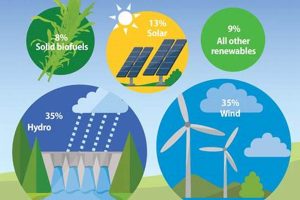
Sustainable energy sources replenished naturally encompass a diverse range, including solar, wind, hydro, geothermal, and biomass. Solar power harnesses sunlight using photovoltaic panels or concentrated solar power systems. Wind power utilizes turbines to convert wind energy into electricity. Hydropower captures the energy of flowing water, while geothermal taps into the Earth’s internal heat. Biomass energy derives from organic matter, such as wood, crops, and waste. Ocean energy, including tidal and wave power, also holds significant potential.
These naturally replenishing resources offer a crucial pathway toward a cleaner energy future, mitigating the environmental impact of fossil fuels. They reduce greenhouse gas emissions, improve air quality, and decrease reliance on finite resources. Historically, watermills and windmills represented early forms of harnessing these power sources. The growing awareness of climate change and advancements in technology have propelled the development and adoption of modern renewable energy technologies, driving a global transition towards a more sustainable energy landscape.
Further exploration will delve into the specific advantages and disadvantages of each resource, current technological advancements, and the role of policy and investment in fostering their widespread implementation. The future of energy relies heavily on the continued development and integration of these vital resources.
Tips for Transitioning to Sustainable Energy Sources
Shifting towards sustainable practices requires careful consideration and informed decision-making. The following tips offer guidance for individuals and communities interested in adopting cleaner energy solutions.
Tip 1: Conduct an Energy Audit: Assessing current energy consumption provides a baseline for identifying areas for improvement and potential savings. Professional energy audits offer comprehensive evaluations, while simple self-assessments can highlight obvious areas of waste.
Tip 2: Explore Suitable Options: The optimal choice depends on location, resources, and energy needs. Rooftop solar might be ideal for sunny regions, while wind power suits areas with consistent wind patterns. Geothermal offers consistent baseload power where accessible.
Tip 3: Understand Local Regulations and Incentives: Government policies and incentives can significantly impact the cost and feasibility of renewable energy projects. Researching local regulations, permits, and available rebates or tax credits is crucial.
Tip 4: Consider System Scalability and Future Needs: Anticipating future energy demands ensures the chosen system can accommodate growth. Scalable solutions offer flexibility as energy requirements evolve.
Tip 5: Research Reputable Installers and Suppliers: Selecting qualified and experienced professionals ensures proper installation and system performance. Thorough research, including reviews and certifications, is essential.
Tip 6: Factor in Maintenance and Operational Costs: While sustainable resources reduce long-term energy costs, ongoing maintenance is necessary. Understanding maintenance requirements and associated costs is vital for accurate budgeting.
Tip 7: Explore Community Solar or Wind Projects: Participating in community-based projects offers access to renewable energy benefits without individual installations. This can be a viable option for renters or those with unsuitable properties for individual systems.
Embracing sustainable energy practices offers significant long-term benefits, both environmentally and economically. Careful planning and informed decisions contribute to a successful transition toward a cleaner energy future.
These tips offer a starting point for navigating the transition towards greater sustainability. The following sections will provide a more in-depth analysis of specific renewable energy technologies and their applications.
1. Solar Power

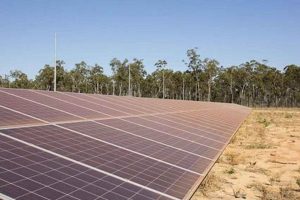
Solar power represents a significant component within the broader spectrum of renewable energy resources. Its prominence stems from the sun’s virtually inexhaustible energy supply, offering a sustainable alternative to fossil fuels. Photovoltaic (PV) cells and concentrated solar power (CSP) systems facilitate the conversion of sunlight directly into electricity. PV cells utilize the photovoltaic effect to generate electricity, while CSP systems use mirrors to concentrate sunlight, heating a fluid to drive turbines. This direct conversion contributes significantly to reducing greenhouse gas emissions and dependence on finite resources. For instance, large-scale solar farms in desert regions demonstrate the potential of solar power to contribute substantially to national energy grids, reducing reliance on traditional power plants.
The declining cost of solar technology, coupled with increasing efficiency, further enhances its viability. Residential rooftop solar installations empower individuals to generate their own electricity, reducing their carbon footprint and electricity bills. Furthermore, solar energy’s modularity allows for deployment in diverse settings, from remote villages powering essential services to large-scale installations supporting industrial operations. Advances in battery storage technology address the intermittency of solar power, enabling continuous power supply even when sunlight is unavailable. This combination of technological advancements and decreasing costs positions solar energy as a crucial element in the global transition to a sustainable energy future. For example, off-grid solar systems coupled with battery storage provide reliable electricity access in areas lacking grid infrastructure, fostering economic development and improving quality of life.
Solar power’s integration into the broader renewable energy landscape is crucial for achieving global sustainability targets. While challenges remain, such as intermittency, land use considerations, and material sourcing, ongoing research and development continuously address these issues. The continued growth and adoption of solar power, alongside other renewable energy technologies, offer a pathway towards a more secure, resilient, and environmentally responsible energy future. Understanding solar power’s potential and its interplay with other sustainable resources is essential for informed decision-making in policy, investment, and individual energy choices.
2. Wind Energy

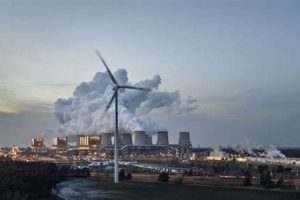
Wind energy represents a cornerstone of the global transition to sustainable energy sources. Harnessing the kinetic energy of wind, this technology offers a clean and increasingly cost-competitive alternative to fossil fuels. Its integration within the broader portfolio of renewable energy options is essential for mitigating climate change and ensuring long-term energy security. This section explores key facets of wind energy, highlighting its contribution to the sustainable energy landscape.
- Technological Advancements
Ongoing advancements in turbine technology drive increased efficiency and cost reductions in wind energy. Larger rotor diameters and improved blade designs capture more wind energy, while advanced control systems optimize performance and grid integration. For example, the development of direct-drive turbines eliminates the need for gearboxes, reducing maintenance requirements and increasing reliability. These technological advancements contribute significantly to the competitiveness of wind energy within the broader renewable energy market.
- Onshore and Offshore Wind Farms
Wind farms, comprising multiple wind turbines, represent a significant source of renewable energy generation. Onshore wind farms utilize land-based installations, while offshore wind farms capitalize on stronger and more consistent wind resources available at sea. For instance, large-scale offshore wind farms in the North Sea demonstrate the potential for significant energy production with minimal land use impact. The strategic placement of both onshore and offshore wind farms maximizes energy capture and contributes to diversified renewable energy portfolios.
- Environmental and Economic Impacts
Wind energy offers substantial environmental benefits, including reduced greenhouse gas emissions and decreased air pollution compared to fossil fuel-based power generation. Furthermore, wind energy projects generate economic opportunities through job creation in manufacturing, installation, and maintenance. For example, the growth of the wind energy industry stimulates local economies and contributes to a skilled workforce. Considering both environmental and economic impacts is crucial for evaluating the overall sustainability of wind energy within the broader energy mix.
- Grid Integration and Storage
Integrating wind energy effectively into existing power grids requires advanced grid management systems and energy storage solutions. The intermittent nature of wind necessitates strategies for balancing supply and demand. For instance, pumped hydro storage and battery storage technologies offer solutions for storing excess wind energy and releasing it when wind resources are low. Effective grid integration and storage solutions are critical for maximizing the contribution of wind energy to a reliable and stable energy supply.
These facets highlight the significance of wind energy within the broader context of all types of renewable energy. Its continued development and integration alongside other renewable resources are essential for achieving global sustainability goals and ensuring a secure and environmentally responsible energy future. Further exploration of specific wind energy projects and policy frameworks provides a deeper understanding of its role in the global energy transition.
3. Hydropower
Hydropower, leveraging the natural flow of water to generate electricity, holds a significant position within the diverse landscape of renewable energy resources. Its established presence in global energy systems and potential for further development underscore its relevance in the transition towards sustainable energy solutions. Understanding hydropower’s role, benefits, and challenges is crucial for evaluating its contribution alongside other renewable energy technologies.
- Conventional Hydroelectric Dams
Large-scale hydroelectric dams represent a well-established form of hydropower generation. These structures harness the potential energy of stored water, releasing it through turbines to generate electricity. Examples include the Three Gorges Dam in China and the Itaipu Dam in Brazil and Paraguay, demonstrating the capacity of large dams to provide substantial baseload power. However, their environmental and social impacts, such as habitat alteration and displacement of communities, necessitate careful consideration and mitigation strategies.
- Run-of-River Hydropower
Run-of-river hydropower systems utilize the natural flow of rivers without the need for large reservoirs. This approach minimizes environmental disruption compared to conventional dams, making it suitable for ecologically sensitive areas. Examples include smaller-scale projects in mountainous regions where consistent river flow provides a reliable energy source. While their environmental footprint is generally lower, run-of-river systems are dependent on consistent water flow and may be affected by seasonal variations.
- Pumped Storage Hydroelectricity
Pumped storage hydroelectricity acts as a large-scale energy storage solution. Utilizing two reservoirs at different elevations, water is pumped uphill during periods of low energy demand and released downhill during peak demand to generate electricity. This technology complements other intermittent renewable sources like solar and wind power, enhancing grid stability and reliability. Examples include projects like the Bath County Pumped Storage Station in Virginia, USA, demonstrating the role of pumped storage in balancing energy supply and demand.
- Integration with Water Management
Hydropower projects often integrate with broader water management strategies, providing benefits beyond electricity generation. Reservoirs can serve multiple purposes, including flood control, irrigation, and water supply. For instance, integrated water management projects in regions facing water scarcity can enhance water resource utilization and resilience. However, careful planning and consideration of potential environmental and social impacts remain crucial for responsible water resource management.
These facets highlight the multifaceted role of hydropower within the broader context of all renewable energy types. While hydropower offers significant advantages in terms of established technology and potential for large-scale energy generation, careful assessment of environmental and social impacts remains essential. Its integration within a diversified renewable energy portfolio, alongside other sustainable resources, contributes to a more resilient and environmentally responsible energy future. Furthermore, ongoing research and development focus on minimizing the environmental footprint of hydropower and maximizing its contribution to sustainable water management practices.
4. Geothermal Energy
Geothermal energy, derived from the Earth’s internal heat, represents a reliable and sustainable energy source within the broader context of renewable energy options. Unlike solar and wind power, geothermal energy provides a consistent baseload power supply, unaffected by weather conditions. Its potential for direct use in heating and cooling applications, alongside electricity generation, further enhances its versatility. Understanding geothermal energy’s distinct characteristics and applications is essential for evaluating its role within the spectrum of renewable energy technologies.
- Geothermal Power Plants
Geothermal power plants harness high-temperature geothermal resources to generate electricity. Steam from underground reservoirs drives turbines, producing a continuous power supply. Examples include The Geysers geothermal field in California, USA, and the Hellisheii Power Station in Iceland, showcasing the potential of geothermal energy for large-scale electricity generation. These power plants contribute to a stable and reliable baseload power supply, complementing other intermittent renewable sources.
- Geothermal Heat Pumps
Geothermal heat pumps utilize the relatively constant temperature of the Earth near the surface for heating and cooling buildings. These systems transfer heat between the building and the ground, providing efficient and environmentally friendly temperature regulation. Widespread adoption of geothermal heat pumps reduces reliance on fossil fuel-based heating and cooling systems, contributing to lower carbon emissions and enhanced energy efficiency in the building sector.
- Direct Use Applications
Geothermal energy can be directly utilized for various applications, such as industrial processes, aquaculture, and agricultural heating. Harnessing geothermal heat for industrial processes reduces reliance on fossil fuels, while applications in aquaculture and agriculture offer sustainable solutions for temperature control. Examples include using geothermal heat for greenhouse heating and drying agricultural products, demonstrating the versatility of this resource beyond electricity generation.
- Enhanced Geothermal Systems (EGS)
Enhanced geothermal systems (EGS) expand the reach of geothermal energy by accessing hot dry rock formations. By injecting water into these formations and creating artificial reservoirs, EGS technologies unlock geothermal resources in areas not traditionally suitable for conventional geothermal power plants. While still under development, EGS holds significant potential for expanding the accessibility and utilization of geothermal energy globally.
These facets highlight the significant role of geothermal energy within the diverse portfolio of renewable energy solutions. Its consistent baseload power supply, direct use applications, and potential for expansion through EGS technologies offer valuable contributions to the global energy transition. Furthermore, geothermal energy’s integration with other renewable sources enhances grid stability and contributes to a more resilient and sustainable energy future. Continued research and development in geothermal technologies are essential for maximizing its potential and ensuring its responsible utilization as a key component of a diversified renewable energy mix.
5. Biomass Energy

Biomass energy, derived from organic matter, represents a multifaceted component within the broader spectrum of renewable energy resources. Its utilization of readily available organic materials, ranging from wood and agricultural residues to dedicated energy crops and organic waste, positions it as a valuable contributor to sustainable energy portfolios. Understanding biomass energy’s diverse forms, applications, and implications is crucial for evaluating its role alongside other renewable energy technologies.
- Direct Combustion
Direct combustion of biomass, such as wood and agricultural residues, represents a traditional and readily accessible form of energy generation. This process, often employed for heating and cooking in residential and industrial settings, can also be utilized for electricity generation in biomass power plants. While offering a readily available energy source, particularly in rural communities, direct combustion raises concerns regarding air quality and efficient resource utilization. Modern biomass power plants incorporate technologies to mitigate emissions and maximize energy conversion efficiency.
- Biofuels
Biofuels, derived from various biomass sources, offer an alternative to fossil fuels in transportation and other applications. Ethanol, typically produced from corn or sugarcane, and biodiesel, derived from vegetable oils or animal fats, represent common biofuel types. These liquid fuels can be blended with conventional gasoline or diesel, reducing reliance on fossil fuels and mitigating greenhouse gas emissions. However, the sustainability of biofuel production depends heavily on responsible land use practices and efficient conversion processes to minimize environmental impacts.
- Biogas Production
Anaerobic digestion of organic waste, such as agricultural manure and municipal solid waste, produces biogas, primarily composed of methane and carbon dioxide. Biogas can be utilized for heating, cooking, and electricity generation, offering a sustainable waste management solution while generating renewable energy. Biogas digesters, employed in both small-scale and large-scale operations, contribute to waste reduction, nutrient recovery, and greenhouse gas emission mitigation. For example, biogas projects in rural communities can provide clean energy access while addressing waste management challenges.
- Sustainable Biomass Management
Sustainable biomass management is crucial for ensuring the long-term viability and environmental responsibility of biomass energy. Responsible sourcing of biomass feedstocks, including dedicated energy crops and agricultural residues, minimizes environmental impacts such as deforestation and soil degradation. Furthermore, efficient conversion technologies maximize energy output while minimizing waste and emissions. Sustainable biomass management practices are essential for integrating biomass energy effectively within a diversified renewable energy portfolio.
These facets underscore the diverse contributions of biomass energy within the broader context of all renewable energy types. Its utilization of readily available organic materials offers a valuable resource for diversifying energy supplies and mitigating reliance on fossil fuels. However, careful consideration of sustainable biomass management practices, efficient conversion technologies, and potential environmental impacts remains crucial for maximizing the benefits of biomass energy and ensuring its responsible integration within the global energy transition. Furthermore, ongoing research and development focus on optimizing biomass conversion processes, exploring innovative biofuel technologies, and enhancing the sustainability of biomass feedstock production.
6. Ocean Energy

Ocean energy, encompassing various technologies harnessing the power of tides, waves, and ocean thermal gradients, represents a significant yet relatively untapped component within the broader spectrum of renewable energy resources. Its vast potential to contribute to a sustainable energy future stems from the ocean’s immense and continuously replenished energy resource. Understanding ocean energy’s diverse forms, technological advancements, and associated challenges is crucial for evaluating its role alongside more established renewable energy technologies.
- Tidal Energy
Tidal energy utilizes the predictable rise and fall of tides to generate electricity. Tidal barrages and tidal fences, structures similar to dams, capture water during high tide and release it through turbines during low tide. Alternatively, tidal stream turbines, analogous to underwater wind turbines, capture the kinetic energy of tidal currents. Examples include the La Rance tidal power plant in France and the Sihwa Lake Tidal Power Station in South Korea. While offering a predictable energy source, tidal energy projects require specific geographic conditions and careful assessment of potential environmental impacts on marine ecosystems.
- Wave Energy
Wave energy converters capture the kinetic energy of ocean waves and transform it into electricity. Various technologies exist, including point absorbers, oscillating water columns, and overtopping devices, each employing different mechanisms to capture wave motion. Emerging wave energy projects are under development in various coastal regions worldwide, exploring the potential of this vast and largely untapped resource. Challenges include the survivability of devices in harsh marine environments, efficient energy conversion, and cost-effective deployment at scale.
- Ocean Thermal Energy Conversion (OTEC)
Ocean thermal energy conversion (OTEC) exploits the temperature difference between warm surface waters and cold deep ocean waters to generate electricity. OTEC systems utilize this temperature gradient to vaporize a working fluid, driving turbines to produce power. While OTEC offers the potential for continuous baseload power generation, its deployment requires specific geographic conditions and faces challenges related to high initial investment costs and technological complexities associated with operating in deep ocean environments.
- Integration and Future Potential
Integrating ocean energy technologies within existing energy grids presents both opportunities and challenges. The intermittent nature of wave and tidal energy necessitates effective grid management strategies and energy storage solutions. Furthermore, addressing environmental considerations, such as potential impacts on marine life and coastal ecosystems, is crucial for responsible ocean energy development. Despite these challenges, ocean energy holds significant potential to contribute substantially to future energy needs, particularly in coastal regions and island nations. Continued research, technological advancements, and strategic policy frameworks are essential for unlocking the full potential of ocean energy and integrating it effectively within a diversified renewable energy mix. As the global demand for clean energy continues to rise, ocean energy offers a vast and promising resource to complement other renewable sources and accelerate the transition towards a sustainable energy future.
7. Sustainable Solutions
Sustainable solutions represent a crucial framework for addressing global challenges, particularly in the energy sector. The inextricable link between sustainable solutions and all types of renewable energy stems from the shared objective of mitigating environmental impact while ensuring long-term resource availability. Renewable energy sources, by their very nature, offer inherent sustainability due to their continuous replenishment by natural processes. This connection forms the foundation for transitioning away from finite fossil fuels and towards a more environmentally responsible energy future. For example, integrating solar power into urban infrastructure reduces reliance on fossil fuel-based electricity generation, mitigating air pollution and greenhouse gas emissions. Similarly, utilizing wind energy in rural areas diversifies energy sources and reduces dependence on centralized power grids, enhancing energy independence and community resilience.
The practical significance of this understanding lies in the ability to develop and implement effective strategies for achieving global sustainability targets. Sustainable solutions encompass not only the adoption of renewable energy technologies but also considerations of resource efficiency, environmental protection, and socio-economic equity. For instance, implementing sustainable forestry practices ensures the responsible sourcing of biomass for energy production, preventing deforestation and promoting biodiversity conservation. Furthermore, incorporating energy storage solutions, such as pumped hydro storage and batteries, addresses the intermittency of renewable sources like solar and wind, ensuring a reliable and stable energy supply. The practical application of this knowledge drives the development of innovative technologies, policy frameworks, and investment strategies aimed at accelerating the global transition towards a sustainable energy future.
In conclusion, sustainable solutions and renewable energy technologies represent two sides of the same coin, working synergistically to address the pressing challenges of climate change and resource depletion. While challenges remain, including technological advancements, infrastructure development, and policy implementation, the fundamental connection between these two concepts provides a clear pathway towards a more sustainable and equitable future. Continued research, innovation, and collaboration across sectors are essential for realizing the full potential of renewable energy and achieving comprehensive sustainable solutions for generations to come.
Frequently Asked Questions about Renewable Energy
This section addresses common inquiries regarding the diverse landscape of renewable energy technologies. Clarity and accuracy are paramount in navigating the complexities of sustainable energy transitions.
Question 1: What are the primary environmental benefits of transitioning to renewable energy sources?
Renewable energy sources offer substantial environmental advantages, primarily through reduced greenhouse gas emissions, decreased air and water pollution, and diminished reliance on finite fossil fuels. This transition mitigates the impacts of climate change, improves air quality, and conserves natural resources.
Question 2: How do the costs of renewable energy technologies compare to traditional fossil fuel-based power generation?
The costs of renewable energy technologies, particularly solar and wind power, have decreased significantly in recent years, making them increasingly competitive with fossil fuel-based generation. Furthermore, renewable energy sources avoid the price volatility associated with fossil fuels, providing long-term price stability.
Question 3: Can renewable energy sources reliably meet global energy demands?
Through a diversified portfolio of renewable energy technologies, including solar, wind, hydro, geothermal, and biomass, coupled with advancements in energy storage and grid management, renewable energy sources possess the capacity to meet global energy demands reliably. Strategic integration of these resources is essential for ensuring a stable and secure energy supply.
Question 4: What are the key challenges associated with widespread renewable energy adoption?
Key challenges include intermittency of some renewable sources like solar and wind, infrastructure development for grid integration and energy storage, and policy frameworks that incentivize renewable energy investments and address potential environmental and social impacts. Overcoming these challenges requires technological advancements, strategic planning, and supportive policy environments.
Question 5: How can individuals contribute to the transition towards renewable energy?
Individuals can contribute through various actions, such as investing in rooftop solar installations, supporting community solar or wind projects, adopting energy-efficient practices, advocating for supportive policies, and making informed consumer choices that prioritize sustainable products and services.
Question 6: What is the role of government policy in promoting renewable energy development?
Government policies play a crucial role in accelerating the transition to renewable energy through mechanisms such as tax incentives, feed-in tariffs, renewable portfolio standards, research and development funding, and streamlined permitting processes for renewable energy projects. Supportive policy frameworks create favorable market conditions for renewable energy investments and drive innovation in the sector.
Understanding these fundamental aspects of renewable energy empowers informed decision-making and facilitates effective participation in the global transition towards a sustainable energy future. Addressing these common inquiries provides a foundation for further exploration of specific renewable energy technologies and their applications.
The subsequent section delves further into the specific advantages and disadvantages of each renewable energy resource, providing a more granular understanding of their unique characteristics and contributions to the global energy landscape.
Conclusion
Exploration of the diverse landscape of renewable energy technologiessolar, wind, hydro, geothermal, biomass, and oceanreveals significant potential for a sustainable energy future. Each technology presents unique advantages and challenges, necessitating strategic integration within a diversified energy portfolio. Declining costs, technological advancements, and growing awareness of environmental and economic benefits drive the global transition towards these resources. Addressing challenges such as intermittency, grid integration, and sustainable resource management remains crucial for maximizing their effectiveness.
The imperative for transitioning towards renewable energy sources transcends immediate environmental and economic concerns. It represents a fundamental shift towards a more sustainable and equitable energy future. Continued research, innovation, and collaborative policy frameworks are essential for realizing the full potential of these resources and ensuring a secure, resilient, and environmentally responsible energy landscape for future generations. The transition requires collective action, informed decision-making, and a commitment to long-term sustainability, ultimately shaping a future powered by clean and abundant energy.