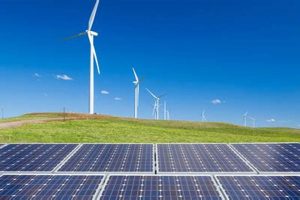
Earth provides energy resources that naturally replenish. Two prominent examples of such sustainable power generators are solar radiation and wind. Harnessing sunlight through photovoltaic cells and converting kinetic energy from moving air currents are established methods of generating electricity.
The significance of these resources lies in their environmental advantages and long-term availability. Unlike finite fossil fuels, their utilization produces minimal greenhouse gas emissions, mitigating climate change. Their widespread adoption promotes energy independence and security, reducing reliance on volatile global markets. Historically, societies have utilized wind power for tasks such as grinding grain and sailing, while solar energy has been used for heating and drying purposes for centuries.
Further exploration of solar power potential and wind energy conversion technologies will illustrate the pathways toward a cleaner and more sustainable energy future. These areas represent critical avenues for innovation and investment in the ongoing global transition to renewable energy systems.
Harnessing Replenishable Power
Achieving effective utilization of resources that constantly regenerate requires strategic planning and informed decision-making. The following guidelines highlight crucial factors for maximizing their potential.
Tip 1: Conduct Thorough Resource Assessments: Before initiating a project, analyze the availability and consistency of the resource. For solar installations, evaluate irradiance levels and shading patterns. For wind farms, assess wind speed, direction, and turbulence. Accurate data is essential for optimal system design and performance.
Tip 2: Prioritize Energy Storage Solutions: Intermittency is a characteristic of many of these resources. Implement energy storage systems, such as batteries or pumped hydro, to ensure a reliable and consistent power supply, mitigating fluctuations in generation.
Tip 3: Optimize System Design for Efficiency: Maximize energy capture and minimize losses. Employ advanced technologies, such as high-efficiency solar panels and optimized wind turbine blade designs. Regular maintenance is also crucial to sustain performance.
Tip 4: Integrate Smart Grid Technologies: Utilize smart grid technologies to manage and distribute the generated power efficiently. This includes advanced metering infrastructure, real-time monitoring, and demand response programs. This enables seamless integration into the existing grid infrastructure.
Tip 5: Secure Favorable Policy and Regulatory Support: Advocate for policies that incentivize development and deployment, such as feed-in tariffs, tax credits, and streamlined permitting processes. A supportive regulatory environment is essential for fostering growth and investment in the sector.
Tip 6: Focus on Community Engagement: Secure public support by educating the local community about the benefits of renewable energy projects. Address concerns related to aesthetics, noise, and environmental impact. Transparency and open communication are vital for successful implementation.
Adhering to these principles enhances the effectiveness, reliability, and sustainability of power generated from resources that are naturally renewed. By embracing these strategies, stakeholders can contribute to a cleaner and more secure energy future.
In conclusion, a holistic approach encompassing resource assessment, technological innovation, strategic integration, and supportive policies is necessary to fully capitalize on the potential of sustainable power generation.
1. Sustainability

Sustainability is fundamentally intertwined with the utilization of Earth’s naturally replenished power generators. The longevity and viability of energy production depend directly on the continuous availability of resources that do not deplete over time. This contrasts sharply with reliance on finite fossil fuels, the extraction and combustion of which contribute to environmental degradation and resource scarcity.
- Resource Replenishment Rates
Sustainability, in this context, hinges on the rate at which resources regenerate exceeding or matching the rate of consumption. Solar radiation, for example, is a consistently available energy source, constantly replenished by nuclear fusion in the sun. Similarly, wind energy is driven by atmospheric pressure differentials resulting from solar heating, a process that is continuously sustained. Sustainable energy practices, therefore, rely on tapping into these natural cycles without compromising their future availability.
- Environmental Impact Mitigation
A critical facet of sustainability is minimizing the environmental consequences of energy production. The operation of solar panels and wind turbines generates significantly lower greenhouse gas emissions compared to traditional power plants. However, sustainability extends beyond emissions. It also encompasses responsible manufacturing of components, thoughtful decommissioning of facilities, and minimizing impacts on biodiversity during site selection and operation. Comprehensive lifecycle assessments are essential for evaluating the overall sustainability of these energy systems.
- Economic Viability Over Time
For renewable energy sources to be truly sustainable, they must be economically viable over the long term. Initial capital investments can be substantial, but the absence of fuel costs and reduced operational expenses contribute to long-term economic stability. Furthermore, technological advancements and economies of scale are continually driving down the costs of these renewable technologies, making them increasingly competitive with conventional energy sources. Government policies, such as tax incentives and renewable energy mandates, also play a crucial role in fostering economic sustainability.
- Social Equity and Accessibility
Sustainability also encompasses the principle of social equity, ensuring that the benefits of renewable energy are accessible to all segments of society. This includes addressing issues of energy poverty, promoting local job creation, and engaging communities in the planning and development of renewable energy projects. Sustainable energy solutions should empower communities and contribute to a more just and equitable society, rather than exacerbating existing inequalities.
The long-term efficacy of relying on solar and wind power is predicated on the harmonious integration of resource replenishment, environmental stewardship, economic viability, and social equity. By embracing these principles, a sustainable energy future can be realized, guaranteeing energy security and environmental preservation for generations to come. Prioritizing these elements will ensure that solar radiation and wind energy remain potent tools in a sustainable power ecosystem.
2. Availability

The inherent characteristic of readily replenished power generators directly impacts their utility. Solar radiation, while abundant, exhibits daily and seasonal variations in intensity. This dictates the times and locations where solar energy conversion is practically feasible. Similarly, wind patterns are geographically specific and fluctuate over time, influencing the optimal siting and operational capacity of wind energy installations. The dependable presence and accessibility of these elements are paramount to their efficacy as reliable power sources.
Understanding availability involves assessing the predictable patterns and potential volatility of these resources. For solar energy, this includes analyzing cloud cover probabilities and diurnal cycles. For wind energy, considerations encompass prevailing wind directions, average wind speeds, and the frequency of extreme weather events. Accurate resource assessment is critical for determining the energy production potential of a given location and informing decisions related to system design and energy storage requirements. Real-world examples showcase the consequences of disregarding availability. Solar farms constructed in regions with frequent cloud cover may underperform expectations, while wind farms sited in areas with low average wind speeds may exhibit reduced energy output.
The correlation between predictable access and the successful application of these power generators is undeniable. A thorough evaluation of resource prevalence and constancy is a prerequisite for effective implementation. This enables the design of dependable and resilient energy systems, maximizing their contribution to a sustainable energy future. Ignoring this primary characteristic introduces risk, compromising the economic and environmental viability of renewable energy projects. Therefore, availability is not merely a descriptive attribute but a foundational consideration that governs the practical realization of the power that solar radiation and wind energy sources can provide.
3. Intermittency

The variable and often unpredictable nature of solar irradiance and wind speeds introduces challenges related to consistent energy supply. Solar radiation is dependent on daylight hours and atmospheric conditions, while wind energy relies on fluctuating air currents. This inherent variability, termed intermittency, presents a significant hurdle in integrating these energy sources into established power grids designed for dispatchable, on-demand generation. The mismatch between supply and demand necessitates strategies for energy storage, grid management, and forecasting to ensure a reliable electricity supply. For instance, cloud cover can drastically reduce solar power output, and calm weather conditions can halt wind turbine operation, creating sudden shortfalls in power generation.
To mitigate the effects of intermittency, several strategies are employed. Energy storage solutions, such as batteries and pumped hydro storage, store excess energy generated during periods of high solar irradiance or strong winds for release when production is low. Improved weather forecasting allows for more accurate predictions of energy generation, enabling grid operators to anticipate fluctuations and adjust dispatchable power sources accordingly. Diversification of renewable energy sources, combining solar and wind with other sources like hydropower or geothermal, can also help to smooth out the overall energy supply. Demand-side management, which incentivizes consumers to shift energy usage to periods of high renewable energy production, further contributes to grid stability. In Germany, for example, a high penetration of solar and wind energy requires sophisticated grid management and interconnection with neighboring countries to balance supply and demand.
Addressing intermittency is crucial for maximizing the contribution of solar and wind energy to a sustainable energy future. While these sources offer significant environmental benefits, their variable nature demands innovative solutions to ensure grid reliability and stability. The successful integration of renewable energy sources requires a multifaceted approach encompassing advanced forecasting, energy storage technologies, grid modernization, and flexible demand management strategies. Overcoming intermittency challenges is essential for unlocking the full potential of these energy sources and transitioning to a cleaner and more resilient energy system.
4. Technology

Technological innovation is pivotal in harnessing the potential of Earth’s naturally replenished power sources, converting them into usable energy forms. Without advancements in engineering and materials science, capturing and distributing solar and wind energy would be impractical. The evolution of technology directly dictates the efficiency, cost-effectiveness, and scalability of these energy systems. This section will explore key facets of technology impacting the utilization of these resources.
- Photovoltaic Cell Efficiency
Solar energy conversion hinges on the efficiency of photovoltaic (PV) cells in transforming sunlight into electricity. Higher efficiency translates to increased power generation from the same surface area, reducing land usage and overall system costs. Emerging technologies like perovskite solar cells and multi-junction cells promise significantly higher efficiencies than traditional silicon-based cells. The ongoing research and development in this area are critical for making solar energy more competitive with conventional energy sources. For instance, improvements in PV cell technology have driven down the cost of solar energy to the point where it is now competitive with or even cheaper than fossil fuels in many regions.
- Wind Turbine Design and Materials
Capturing wind energy efficiently depends on the design and materials used in wind turbines. Larger rotor diameters allow turbines to capture more wind energy, while advanced blade designs improve aerodynamic efficiency. The use of lightweight, high-strength materials, such as carbon fiber composites, enables the construction of larger blades that can withstand strong winds and extreme weather conditions. Technological advancements in wind turbine design have led to increased power output and reduced maintenance costs, making wind energy a more reliable and cost-effective source of electricity. Offshore wind turbines, which benefit from stronger and more consistent winds, are also becoming increasingly prevalent due to technological advancements.
- Energy Storage Systems
The intermittency of solar and wind energy necessitates the use of energy storage systems to ensure a reliable power supply. Battery technologies, such as lithium-ion batteries, are widely used for storing excess energy generated during periods of high solar irradiance or strong winds. Other storage solutions, such as pumped hydro storage and compressed air energy storage, offer large-scale energy storage capabilities. The development of more efficient, cost-effective, and durable energy storage technologies is crucial for integrating solar and wind energy into the grid and ensuring a stable power supply, particularly during periods of low renewable energy generation. Tesla’s Megapack battery storage system, for example, is being deployed at utility-scale renewable energy projects to provide grid stability and reliability.
- Smart Grid Technologies
Integrating solar and wind energy into the existing power grid requires smart grid technologies that can manage the variable output of these energy sources and ensure grid stability. Smart grids utilize advanced sensors, communication networks, and control systems to monitor and manage the flow of electricity, enabling real-time adjustments to balance supply and demand. Smart meters provide consumers with information about their energy consumption, allowing them to adjust their usage patterns to match periods of high renewable energy generation. Smart grid technologies are essential for facilitating the widespread adoption of solar and wind energy and creating a more resilient and efficient energy system. The implementation of smart grid technologies has enabled utilities to integrate higher percentages of renewable energy into their grids without compromising reliability.
The synergy between technological advancement and the utilization of replenishing power is undeniable. Each of these facets underscores the vital role that innovation plays in unlocking the full potential of solar radiation and wind energy, facilitating the global transition to a cleaner and more sustainable energy future. Continuous investment in research and development is essential to further improve the performance, reliability, and cost-effectiveness of these technologies, enabling them to play an increasingly important role in meeting the world’s growing energy demands.
5. Infrastructure

The development and maintenance of robust infrastructure are essential for harnessing and distributing power generated from naturally replenishing resources, specifically solar radiation and wind. The physical structures, transmission networks, and ancillary facilities form the backbone for converting these intermittent energy sources into reliable electricity.
- Transmission Networks
High-voltage transmission lines are required to transport electricity generated from solar and wind farms to demand centers, often located far from optimal resource locations. The capacity and efficiency of these networks directly influence the amount of renewable energy that can be integrated into the grid. Upgrading existing transmission infrastructure and constructing new lines are critical investments for accommodating increasing amounts of renewable energy. For instance, the development of large-scale wind farms in remote areas necessitates the construction of new transmission lines to connect these facilities to the grid, enabling them to supply power to urban areas. The lack of adequate transmission capacity can act as a bottleneck, limiting the expansion of solar and wind power.
- Energy Storage Facilities
Energy storage systems, such as batteries, pumped hydro storage, and thermal energy storage, are vital for mitigating the intermittency of solar and wind energy. These facilities store excess energy generated during periods of high production for later use when demand exceeds supply. The availability of energy storage infrastructure enhances the reliability and stability of the power grid, allowing for greater integration of renewable energy sources. For example, a solar farm coupled with a battery storage system can provide a consistent supply of electricity even when the sun is not shining, ensuring a reliable power supply for consumers.
- Grid Modernization
Modernizing the electrical grid with smart grid technologies is crucial for managing the variable output of solar and wind energy. Smart grids utilize advanced sensors, communication networks, and control systems to monitor and manage the flow of electricity, enabling real-time adjustments to balance supply and demand. Smart meters provide consumers with information about their energy consumption, allowing them to adjust their usage patterns to match periods of high renewable energy generation. These technologies enable the grid to accommodate higher percentages of renewable energy without compromising reliability. The implementation of smart grid technologies in regions with high penetration of renewable energy has been instrumental in maintaining grid stability.
- Manufacturing and Supply Chains
A robust manufacturing base and efficient supply chains are essential for the widespread deployment of solar and wind energy technologies. The production of solar panels, wind turbines, and energy storage systems requires access to raw materials, manufacturing facilities, and skilled labor. Developing domestic manufacturing capacity and establishing secure supply chains reduces reliance on foreign sources and supports job creation. Investment in manufacturing infrastructure and workforce training is critical for ensuring a sustainable and reliable supply of renewable energy technologies. Government policies that incentivize domestic manufacturing and support workforce development can help to strengthen the renewable energy industry.
The comprehensive development of transmission networks, energy storage facilities, grid modernization initiatives, and manufacturing supply chains is indispensable for realizing the full potential of solar radiation and wind energy as reliable and sustainable power sources. Strategic investments in these infrastructural elements are critical for achieving a transition to a cleaner and more secure energy future.
6. Environment

The environmental impact of energy generation constitutes a critical nexus in the discussion of naturally replenishing resources. Solar radiation and wind, as energy sources, offer a pathway to mitigate the detrimental effects associated with conventional fossil fuels. The extraction, processing, and combustion of coal, oil, and natural gas release greenhouse gases, contributing to climate change, air pollution, and ecosystem damage. Conversely, energy generation from sunlight and wind produces minimal greenhouse gas emissions during operation. However, the complete lifecycle assessment necessitates consideration of manufacturing, installation, and decommissioning phases.
The manufacturing of solar panels and wind turbines requires materials and energy, resulting in some environmental impact. For instance, the mining of rare earth elements used in certain turbine components can disrupt ecosystems. Similarly, the disposal of solar panels at the end of their lifespan presents challenges regarding waste management and potential release of hazardous materials. Siting decisions for renewable energy facilities must also consider potential impacts on wildlife, habitat fragmentation, and land use. Careful environmental impact assessments and mitigation strategies are essential to minimize negative consequences. In practice, well-planned renewable energy projects can often coexist with natural ecosystems and provide benefits such as habitat restoration and reduced water consumption compared to fossil fuel plants.
In summary, while solar radiation and wind offer cleaner energy alternatives compared to fossil fuels, a holistic approach is necessary to minimize environmental impact throughout the entire lifecycle. This includes responsible sourcing of materials, sustainable manufacturing practices, careful site selection, and effective waste management strategies. Prioritizing environmental considerations in the development and deployment of these resources ensures a genuinely sustainable energy future. Continuous innovation in materials, manufacturing processes, and recycling technologies is paramount to further reduce the environmental footprint of harnessing power from these naturally replenished resources.
Frequently Asked Questions
The following addresses common inquiries regarding sustainable power generation from Earth’s naturally replenishing resources.
Question 1: What distinguishes renewable resources from non-renewable resources?
Renewable resources replenish naturally on a human timescale, such as solar and wind. Non-renewable resources, like fossil fuels, are finite and deplete with use.
Question 2: Are power sources that regenerate dependent on weather conditions?
Yes, both solar and wind energy production can be influenced by weather. Solar energy is affected by cloud cover and daylight hours, while wind energy depends on wind speed and consistency.
Question 3: What are the environmental benefits of using Earths sustainable power sources?
Harnessing sunlight and wind reduces reliance on fossil fuels, decreasing greenhouse gas emissions, air pollution, and water consumption associated with conventional energy generation.
Question 4: How are the fluctuations from the solar and wind managed?
Variability is addressed through energy storage systems (batteries, pumped hydro), grid modernization (smart grids), and diversified renewable energy portfolios.
Question 5: What are some challenges with utilizing sources that are naturally renewable?
Challenges include intermittency, the need for efficient energy storage, upfront capital costs, and potential land use impacts.
Question 6: How are solar and wind power generation facilities constructed and maintained?
Construction involves specialized equipment and skilled labor. Maintenance includes regular inspections, component replacements, and vegetation management to ensure optimal performance.
These resources offer a promising path towards a sustainable energy future. Careful planning, technological advancements, and strategic implementation are crucial for maximizing their benefits.
Further investigation into the practical applications of naturally replenishing energy sources will offer greater insight into their role in a sustainable future.
Renewable Resources
This exposition has examined the attributes of solar radiation and wind, two prominent examples of naturally replenishing energy sources. The discussion highlighted their sustainability, availability considerations, challenges posed by intermittency, the pivotal role of technology, infrastructural requirements, and environmental implications. A comprehensive understanding of these facets is essential for effective deployment.
The imperative to transition away from finite and environmentally damaging energy sources is undeniable. Continued investment in research, development, and infrastructure is necessary to fully realize the potential of these resources, ensuring a sustainable and secure energy future for subsequent generations. The efficient and responsible utilization of naturally renewable energy warrants prioritization.