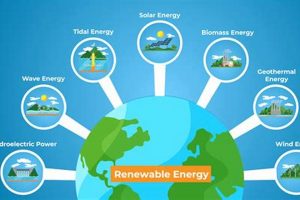
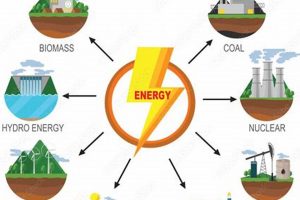
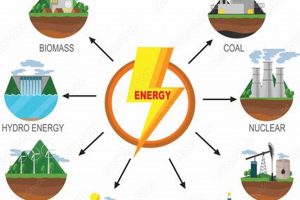
These power generation methods rely on naturally fluctuating resources, such as sunlight and wind. Production varies depending on environmental conditions, meaning the availability of electricity is not constant. Solar panels, which convert sunlight into electricity, and wind turbines, which harness wind energy, exemplify this category.
The increasing adoption of these technologies is driven by the need to reduce reliance on fossil fuels and mitigate climate change. These energy forms offer a pathway to lower carbon emissions and enhance energy security. Historically, they were niche solutions, but technological advancements and decreasing costs have propelled them into mainstream energy markets.
The following sections will delve into the specific challenges and solutions associated with integrating variable generation into existing power grids, examining strategies for ensuring grid stability and optimizing the utilization of these resources.
Strategies for Effective Utilization
Maximizing the benefits derived from variable generation requires a multifaceted approach. The following recommendations outline key strategies for integrating these resources into existing energy infrastructure.
Tip 1: Enhance Grid Infrastructure: Investment in grid modernization is crucial. Upgrading transmission lines and distribution networks improves the ability to transport electricity from areas of high production to areas of high demand, mitigating curtailment of excess generation.
Tip 2: Implement Advanced Forecasting: Accurate prediction of resource availability is essential for grid operators. Sophisticated weather models and real-time monitoring systems enable better anticipation of output fluctuations, allowing for proactive adjustments to power supply.
Tip 3: Diversify Resource Mix: Combining various generation technologies reduces overall variability. A portfolio including solar, wind, and other forms of renewable energy can smooth out fluctuations and provide a more reliable supply.
Tip 4: Deploy Energy Storage Solutions: Battery storage, pumped hydro, and other storage technologies can absorb excess power during periods of high production and release it during periods of low production. This increases grid stability and reduces reliance on traditional peaking power plants.
Tip 5: Develop Demand Response Programs: Incentivizing consumers to adjust their electricity consumption based on grid conditions can help balance supply and demand. Demand response programs shift energy usage away from peak demand times, reducing the need for additional generation capacity.
Tip 6: Improve Interregional Coordination: Greater collaboration between different grid operators facilitates the sharing of resources across wider geographical areas. This helps to mitigate the impact of local variations in resource availability, enhancing overall system reliability.
Adopting these strategies facilitates the transition to a more sustainable and resilient energy system. Effective integration not only reduces carbon emissions but also enhances energy security and promotes economic development.
The subsequent section will address future trends and emerging technologies that will shape the ongoing evolution of renewable energy integration.
1. Variability

Variability represents a defining characteristic of power generation from resources such as solar and wind. The fluctuating nature of these energy sources presents unique challenges for grid operators and requires strategic approaches for effective integration into existing power systems.
- Diurnal and Seasonal Fluctuations
Solar power output undergoes predictable daily and seasonal variations. Daily production peaks during midday and diminishes at night, while seasonal variations are influenced by changes in daylight hours and solar irradiance. This necessitates alternative power sources or energy storage to meet demand during periods of low solar production.
- Weather-Dependent Fluctuations
Wind power generation is directly influenced by wind speed, which is subject to rapid and unpredictable changes due to weather patterns. Short-term fluctuations, such as those caused by passing weather fronts, can lead to significant swings in power output within minutes, requiring grid operators to maintain sufficient reserve capacity to compensate for these variations.
- Geographic Dispersion Mitigation
The impact of weather-related variability can be mitigated by geographically dispersing generation facilities. Combining multiple sites across different regions reduces the correlation of power output fluctuations, as localized weather events may not affect all sites simultaneously. This approach enhances overall system reliability and reduces the need for costly backup generation.
- Predictive Modeling and Forecasting
Advanced weather forecasting and predictive modeling are critical for managing the variability associated with resources such as wind and solar. Accurate forecasts enable grid operators to anticipate power fluctuations and schedule resources accordingly, reducing the impact of variability on grid stability and minimizing the need for curtailment or reserve capacity.
Addressing the inherent variability of intermittent power generation requires a combination of technological advancements, strategic planning, and grid infrastructure upgrades. By implementing robust forecasting models, diversifying generation portfolios, and investing in energy storage solutions, it becomes possible to effectively integrate these resources into the power grid and harness their potential for decarbonizing the energy sector.
2. Unpredictability

The fluctuating and inherently uncertain nature of sunlight and wind directly contributes to the unpredictability of power output from solar and wind energy facilities. This inherent uncertainty arises from the reliance on weather patterns, which can change rapidly and unexpectedly. Consequently, electricity generation can vary significantly, presenting challenges for grid management and system stability. For instance, a sudden cloud cover over a solar farm can drastically reduce power output, while a lull in wind speed can curtail electricity generation from wind turbines. Understanding and mitigating this unpredictability is paramount for the effective integration of variable renewable energy into the electrical grid. The unpredictability can cause imbalances between supply and demand, leading to frequency deviations and potential grid instability.
To address the challenge of unpredictable power output, sophisticated forecasting techniques and advanced grid management strategies are essential. Short-term forecasting models, utilizing weather data and machine learning algorithms, are employed to predict power generation hours or even minutes in advance. These forecasts enable grid operators to anticipate fluctuations and make informed decisions regarding resource allocation and dispatch. Energy storage systems, such as battery storage and pumped hydro, play a crucial role in mitigating unpredictability by storing excess power during periods of high generation and releasing it during periods of low generation. Additionally, demand response programs can be implemented to incentivize consumers to adjust their electricity consumption based on grid conditions, further enhancing system flexibility and resilience.
In summary, unpredictability is a defining characteristic of variable renewable power generation. While posing significant challenges for grid operations, these challenges can be effectively addressed through a combination of accurate forecasting, advanced grid management strategies, and the deployment of energy storage solutions. Addressing unpredictability through appropriate planning and technological advancements facilitates a smoother transition towards a more sustainable energy system. Overcoming the constraints of unpredictability unlocks the environmental and economic benefits of variable renewable electricity generation.
3. Resource Dependence
Resource dependence fundamentally defines electricity generation from solar, wind, and other inherently variable renewable sources. Power output is directly and inextricably linked to the availability and intensity of the underlying natural resource. Solar power relies on sunlight, wind power on wind speed, and hydroelectric power on water flow. This dependency introduces a variability and uncertainty absent in traditional power generation, which can operate on dispatchable fuel sources.
The level of power generated is directly proportional to the availability of the respective resource. For example, electricity production from a solar farm plummets during periods of cloud cover or at night, while a wind farms output declines when wind speeds are low. Hydroelectric output is affected by seasonal precipitation and river flow. This contrasts with fossil fuel-based plants that can adjust fuel input to meet demand, or nuclear plants which can operate continuously for extended periods. The dependence on variable natural resources necessitates careful planning, forecasting, and grid management strategies to ensure reliable electricity supply.
Understanding the significance of resource dependence is essential for the widespread adoption of renewable energy. It underscores the need for accurate resource assessment, advanced forecasting models, and flexible grid infrastructure to accommodate fluctuations in electricity supply. Addressing the challenges posed by resource dependence through technological innovation and strategic planning is crucial for unlocking the full potential of renewable energy and achieving a sustainable energy future.
4. Grid Integration

The effective incorporation of variable renewable energy sources into existing electricity networks is a critical determinant of their viability and widespread adoption. This process involves adapting grid infrastructure, operational procedures, and market mechanisms to accommodate the fluctuating and often unpredictable nature of generation from these resources.
- Transmission Capacity Augmentation
Existing transmission lines may lack sufficient capacity to transport electricity from areas with abundant renewable resources to demand centers. Upgrading or expanding transmission infrastructure becomes necessary to alleviate congestion and ensure efficient delivery of electricity. For instance, the development of high-voltage direct current (HVDC) transmission lines facilitates the long-distance transport of wind power from remote areas to urban load centers.
- Grid Stability and Reliability Management
Variable generation can introduce fluctuations in grid frequency and voltage, potentially compromising system stability. Advanced control systems, such as fast-response voltage regulation and frequency control technologies, are deployed to mitigate these fluctuations and maintain grid stability. Examples include synchronous condensers and static VAR compensators (SVCs) that provide reactive power support and improve voltage regulation.
- Forecasting and Scheduling Optimization
Accurate forecasting of renewable energy output is essential for grid operators to schedule resources effectively and maintain supply-demand balance. Sophisticated weather models and machine learning algorithms are used to predict solar and wind power generation hours or days in advance. These forecasts enable grid operators to make informed decisions regarding resource dispatch and ancillary service procurement, reducing the need for costly backup generation.
- Market Mechanism Adaptation
Traditional electricity markets may not be well-suited to accommodate the intermittent nature of renewable energy generation. Market mechanisms, such as real-time pricing and imbalance markets, can be adapted to incentivize flexible operation and promote efficient resource allocation. For example, real-time pricing reflects the actual cost of electricity at different times, encouraging consumers to shift their consumption to periods of high renewable energy availability and low prices.
Successfully integrating variable renewable energy requires a comprehensive approach that addresses technical, economic, and regulatory challenges. Upgrading grid infrastructure, deploying advanced control systems, improving forecasting accuracy, and adapting market mechanisms are all essential for maximizing the benefits of renewable energy and ensuring a reliable and sustainable electricity supply.
5. Storage Needs

The inherent variability of intermittent renewable sources necessitates the development and deployment of energy storage solutions. These storage technologies bridge the gap between energy supply and demand, ensuring grid stability and reliability in the face of fluctuating power output.
- Balancing Supply and Demand
Energy storage systems absorb excess electricity generated during periods of high renewable production and release it during periods of low production. This balancing function mitigates the impact of intermittency, enabling a more consistent and predictable power supply. Battery storage, pumped hydro storage, and compressed air energy storage are examples of technologies employed to balance supply and demand.
- Enhancing Grid Stability
Fluctuations in renewable energy output can cause frequency and voltage deviations in the power grid, potentially compromising system stability. Energy storage systems provide rapid response capabilities, injecting or absorbing power as needed to maintain grid frequency and voltage within acceptable limits. This ancillary service is essential for ensuring the reliable operation of the power grid with increasing penetration of intermittent resources.
- Reducing Curtailment
During periods of oversupply, excess renewable energy may be curtailed, meaning it is not used because the grid cannot absorb it. Energy storage systems capture this excess energy, preventing it from being wasted and allowing it to be used later when demand is higher. Reducing curtailment improves the economic viability of intermittent renewable sources and maximizes their utilization.
- Providing Backup Power
Energy storage systems can serve as a backup power source during grid outages or disruptions. This capability enhances grid resilience and provides a reliable power supply to critical infrastructure and essential services. For example, battery storage systems can provide backup power to hospitals, emergency response centers, and communication networks during power outages.
The integration of energy storage is integral to maximizing the contribution of intermittent renewable energy to the overall energy mix. Storage technologies transform variable sources into a reliable, dispatchable resource, facilitating a transition to a cleaner and more sustainable energy future. The economic viability of storage technologies continues to improve, driven by technological advancements and decreasing costs, making them an increasingly attractive solution for addressing the challenges of intermittency.
6. Forecasting Importance
Accurate prediction of power generation from intermittent renewable sources, such as solar and wind, is paramount for maintaining grid stability and optimizing energy resource allocation. The inherent variability of these sources, dependent on weather patterns, necessitates precise forecasting to anticipate power output fluctuations. Inaccurate forecasts can lead to imbalances between electricity supply and demand, potentially causing frequency deviations and grid instability. For example, if a solar power plant’s output is significantly lower than predicted due to unexpected cloud cover, grid operators must rapidly compensate by increasing generation from other sources or reducing demand to avoid blackouts.
The significance of forecasting extends beyond grid operations to inform energy trading and resource planning. Accurate forecasts enable energy traders to optimize their bidding strategies and minimize costs. Furthermore, long-term forecasting helps policymakers and energy planners assess the viability of renewable energy projects, make informed investment decisions, and design effective energy policies. Consider, for instance, the integration of wind power in Denmark, where sophisticated forecasting models have contributed to successfully managing high penetrations of variable wind generation into the grid. These models allow operators to anticipate wind power availability, enabling them to manage grid resources effectively and minimize curtailment.
In conclusion, forecasting plays a crucial role in enabling the seamless integration of intermittent renewable energy sources into the electricity grid. Enhanced forecasting accuracy translates to improved grid stability, reduced operating costs, and informed decision-making. Addressing challenges related to forecasting uncertainty and continuously improving prediction models are essential for unlocking the full potential of variable renewable energy and achieving a sustainable energy future.
7. Geographic Dependence

The performance and economic viability of variable renewable power generation are fundamentally linked to geographical location. Solar energy potential is highest in regions with high solar irradiance, such as deserts and areas near the equator. Wind energy generation is most efficient in locations with consistent and strong wind resources, such as coastal areas and mountain passes. Hydroelectric power depends on suitable topography and precipitation patterns to sustain river flow. This inherent geographic dependence dictates where these technologies can be effectively deployed and limits their applicability in areas with less favorable resource conditions. For instance, while solar farms thrive in the southwestern United States due to abundant sunshine, they are less productive in northern latitudes with frequent cloud cover.
The geographic dependence also influences the need for transmission infrastructure. Power generated in resource-rich, but often remote, locations must be transmitted to population centers where electricity demand is concentrated. This requires significant investment in high-voltage transmission lines, adding to the overall cost of renewable energy projects. For example, large-scale wind farms in the Great Plains region of the United States require substantial transmission capacity to deliver electricity to major cities in the Midwest and East Coast. Furthermore, geographic disparities in renewable energy availability can create challenges for grid management and require sophisticated forecasting and balancing mechanisms to ensure reliable electricity supply.
Understanding the geographic dependence of variable renewable power generation is critical for informed energy planning and policy decisions. It necessitates a diversified approach to energy resource development, considering the specific resource endowments of different regions. Strategic deployment of renewable energy technologies in optimal locations, coupled with investments in transmission infrastructure and grid management capabilities, will maximize the potential of these resources and contribute to a sustainable energy future. Overcoming the challenges posed by geographic dependence requires innovation in energy storage, smart grid technologies, and regional cooperation to optimize resource utilization and ensure grid stability.
Frequently Asked Questions About Intermittent Renewable Energy Sources
The following section addresses common inquiries regarding variable renewable energy sources, providing detailed explanations and insights to enhance understanding.
Question 1: What specifically defines an intermittent renewable energy source?
Intermittent renewable energy sources are characterized by electricity generation that is not continuously available due to reliance on fluctuating natural phenomena, such as sunlight for solar power and wind for wind power. Output varies based on environmental conditions, leading to periods of high and low electricity production.
Question 2: Why is the variability of these energy sources considered a challenge for grid operators?
The fluctuating nature of these resources poses difficulties for grid operators who must constantly balance electricity supply and demand. Sudden changes in solar or wind output can disrupt grid frequency and voltage, potentially leading to instability if not properly managed.
Question 3: How can energy storage systems mitigate the challenges associated with variable generation?
Energy storage technologies, such as batteries and pumped hydro, store excess electricity generated during periods of high renewable production and release it during periods of low production. This reduces the impact of intermittency, providing a more stable and reliable power supply.
Question 4: What role does forecasting play in integrating these variable energy sources into the grid?
Accurate forecasting of power output from sources like solar and wind enables grid operators to anticipate fluctuations and make informed decisions about resource allocation. Improved forecasting reduces the need for costly backup generation and enhances grid stability.
Question 5: How does the geographic location of renewable energy facilities impact their effectiveness?
The availability of renewable resources varies significantly depending on location. Solar power is most effective in regions with high solar irradiance, while wind power thrives in areas with consistent and strong wind resources. Optimal siting is critical for maximizing the economic viability and energy output of these facilities.
Question 6: What infrastructure upgrades are typically required to accommodate a higher penetration of variable generation on the grid?
Accommodating these sources often necessitates upgrades to transmission lines, distribution networks, and grid control systems. Modernizing grid infrastructure enables the efficient transport of electricity from renewable energy facilities to demand centers and enhances overall grid stability.
These FAQs provide a foundational understanding of the key aspects of variable renewable energy, from the challenges of intermittency to the strategies for effective grid integration.
The subsequent section will explore emerging technologies that are poised to further enhance the role of renewable energy in the future.
Conclusion
This examination of intermittent renewable energy sources has underscored both their potential and the inherent challenges they present. Successfully integrating these technologies requires not only technological advancements in forecasting, energy storage, and grid infrastructure but also strategic policy decisions that support their deployment and ensure grid stability. A comprehensive understanding of their variability, resource dependence, and geographic limitations is paramount for effective implementation.
The transition towards a sustainable energy future necessitates a commitment to addressing the complexities of intermittent renewable energy sources. Ongoing research, development, and investment in these areas are crucial for unlocking their full potential and realizing a reliable, low-carbon energy system. Ignoring these complexities risks undermining the very goals of environmental sustainability and energy security.