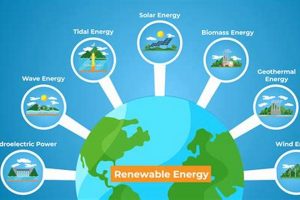
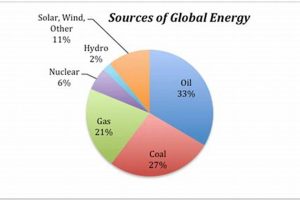
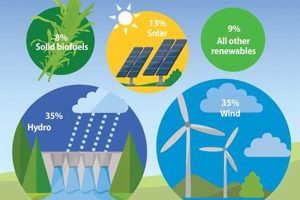
The question of optimal renewable energy resources is multifaceted, dependent on geographical location, technological advancements, and specific energy requirements. Evaluating different resources necessitates considering factors like energy output, environmental impact, cost-effectiveness, and grid integration capabilities. For instance, solar energy is abundant in sunny regions, while wind power thrives in areas with consistent wind patterns. Hydropower, geothermal, and biomass also represent viable alternatives, each with unique advantages and disadvantages.
Determining the most suitable renewable energy options is crucial for achieving energy independence, mitigating climate change, and fostering sustainable development. Historically, reliance on fossil fuels has led to environmental degradation and geopolitical instability. Transitioning to a diverse portfolio of renewable energy sources promises a cleaner environment, reduced greenhouse gas emissions, and a more secure energy supply. Furthermore, investment in renewable energy infrastructure stimulates economic growth, creates employment opportunities, and promotes technological innovation.
This analysis will explore the strengths and weaknesses of various renewable energy resources, comparing their performance across key metrics. The discussion will delve into the potential of solar, wind, hydro, geothermal, and biomass energy, providing insights into their respective contributions to a sustainable energy future and the factors that influence their overall effectiveness.
Considerations for Renewable Energy Source Selection
Selecting the most appropriate renewable energy source requires a thorough assessment of specific needs and circumstances. A comprehensive evaluation should encompass environmental, economic, and technological factors.
Tip 1: Assess Resource Availability: Evaluate the geographical potential for each renewable energy source. Solar irradiation levels, wind speeds, hydrological resources, and geothermal gradients vary significantly by location, influencing energy output and project feasibility.
Tip 2: Analyze Energy Demand: Match the energy profile generated by a renewable source with existing energy consumption patterns. Base-load power requirements may necessitate consistent sources like geothermal or hydro, while intermittent sources like solar and wind require energy storage or grid integration strategies.
Tip 3: Evaluate Environmental Impacts: Conduct a comprehensive environmental impact assessment. Each renewable source has potential environmental consequences, ranging from land use for solar farms and wind turbines to altered river flows for hydroelectric dams. Choose options with the least adverse impact.
Tip 4: Examine Economic Feasibility: Perform a detailed cost-benefit analysis. Consider capital costs, operational expenses, maintenance requirements, and potential revenue streams. Government incentives, tax credits, and carbon pricing mechanisms can significantly influence the economic viability of renewable projects.
Tip 5: Investigate Grid Integration Challenges: Evaluate the infrastructure required to integrate renewable energy into the existing grid. Intermittency poses challenges for grid stability and reliability. Investments in grid modernization, energy storage, and demand-side management are essential.
Tip 6: Research Technological Advancements: Stay informed about the latest technological developments in renewable energy. Efficiency improvements, cost reductions, and new storage solutions are constantly emerging, potentially altering the relative attractiveness of different sources.
Tip 7: Consider Energy Storage Solutions: Integrate energy storage solutions to address the intermittent nature of some renewable energy sources, improving the efficiency and consistency of energy supplies.
Effective renewable energy source selection is crucial for achieving sustainable energy goals and mitigating the impacts of climate change. A holistic approach that considers environmental, economic, and technological factors will ensure the deployment of optimal renewable energy solutions.
Further research into specific renewable energy technologies and regional energy policies is recommended to refine selection decisions.
1. Location Specificity

Location specificity is a critical determinant in evaluating the effectiveness of various renewable energy sources. The geographical characteristics of a site directly influence the energy potential that can be harnessed. For instance, high solar irradiance in arid regions favors solar photovoltaic (PV) systems, while consistent wind patterns in coastal areas support wind turbine installations. This direct correlation implies that the suitability of a specific renewable energy technology is contingent upon the availability and intensity of the resource at a given location. The misapplication of a technology, such as deploying solar panels in a region with frequent cloud cover, results in diminished energy production and economic inefficiency. Therefore, accurate assessment of local resources is paramount when determining the optimal renewable energy mix.
Real-world examples illustrate the importance of location specificity. The Atacama Desert in Chile, with its high solar irradiance, hosts numerous large-scale solar power plants, significantly contributing to the country’s energy supply. Conversely, Denmark’s extensive wind farms, strategically located in areas with consistent onshore and offshore wind resources, generate a substantial portion of its electricity. These cases demonstrate how aligning technology with local resource availability maximizes energy output and cost-effectiveness. Conversely, attempts to implement geothermal energy in regions lacking suitable geothermal gradients would prove both economically and technically unfeasible. This underscores the necessity for detailed site assessments before committing to specific renewable energy projects.
In summary, location specificity dictates the viability and performance of renewable energy technologies. Overlooking this factor can lead to suboptimal energy generation, economic losses, and environmental inefficiencies. Accurate resource assessments, coupled with a comprehensive understanding of the technological requirements of each renewable energy source, are essential for making informed decisions. The challenge lies in adapting energy strategies to the unique characteristics of each location, thereby maximizing the potential of renewable resources and contributing to a sustainable energy future.
2. Resource Availability

Resource availability forms a foundational determinant in the evaluation and selection of optimal renewable energy sources. The extent, consistency, and accessibility of natural resources directly dictate the feasibility and efficiency of renewable energy technologies. An understanding of these factors is paramount in determining which sources are best suited for specific applications and geographical regions.
- Solar Irradiance and Photovoltaic Potential
Solar irradiance, the amount of solar radiation received per unit area, significantly influences the performance of photovoltaic (PV) systems. Regions with high annual solar irradiance, such as deserts, present ideal conditions for large-scale solar power generation. Conversely, locations with frequent cloud cover exhibit reduced PV system output. The economic viability of solar energy projects is directly tied to the predictability and intensity of solar resources, making accurate solar irradiance assessment crucial.
- Wind Speed and Wind Energy Viability
Wind speed and consistency are key indicators of wind energy potential. Areas characterized by strong, persistent winds, such as coastal regions and mountain passes, offer suitable conditions for wind turbine deployment. Lower wind speeds necessitate larger turbine blades and taller towers, increasing project costs. Wind resource assessment involves analyzing wind speed distributions, turbulence intensity, and wind direction to determine the optimal location and configuration of wind farms.
- Hydrological Resources and Hydropower Generation
Hydrological resources, including rivers, lakes, and reservoirs, are essential for hydropower generation. The potential energy of water is converted into electricity through turbines. Factors such as river flow rate, head (the height difference between the water surface and the turbine), and reservoir capacity determine the power output of hydropower plants. Hydrological resource availability is subject to seasonal variations and climate change impacts, requiring careful management and sustainable practices.
- Geothermal Gradients and Geothermal Energy Extraction
Geothermal gradients, the rate of increase in temperature with depth beneath the Earth’s surface, influence the viability of geothermal energy extraction. Regions with high geothermal gradients, such as volcanic areas and fault zones, facilitate the production of geothermal power and direct-use applications (e.g., heating and cooling). Geothermal resource assessment involves analyzing subsurface temperatures, permeability, and fluid chemistry to determine the potential for geothermal energy development.
In conclusion, resource availability serves as a primary driver in determining the suitability of different renewable energy sources. A thorough understanding of solar irradiance, wind speed, hydrological resources, and geothermal gradients is essential for making informed decisions about energy technology selection and deployment. Optimizing the alignment between resource availability and technological application is crucial for achieving sustainable and cost-effective energy solutions.
3. Economic Viability

Economic viability constitutes a central pillar in determining the optimal renewable energy source for a given application. The long-term sustainability and widespread adoption of renewable technologies hinge on their ability to compete with conventional energy sources from a financial perspective. Evaluating economic viability involves a comprehensive assessment of various cost components, revenue streams, and financial incentives.
- Capital Costs and Initial Investment
Capital costs, representing the initial investment required to construct renewable energy facilities, play a significant role in economic viability. Solar photovoltaic (PV) systems, wind farms, and hydropower plants entail substantial upfront expenditures. The relative economic attractiveness of these technologies is often determined by their capital cost per unit of energy generated. Declining manufacturing costs for solar panels and wind turbines have improved the economic competitiveness of these sources. Furthermore, economies of scale in large-scale projects can reduce the per-unit capital costs, making these projects more economically viable.
- Operational and Maintenance (O&M) Expenses
Operational and maintenance (O&M) expenses encompass the ongoing costs associated with operating and maintaining renewable energy facilities. These expenses include labor costs, component replacements, repairs, and grid connection fees. The level of O&M expenses can vary significantly across different renewable energy technologies. Solar PV systems, generally, have lower O&M costs compared to wind turbines, which require periodic maintenance of moving parts. Efficient O&M strategies are crucial for maximizing the economic performance of renewable energy projects over their operational lifespan.
- Levelized Cost of Energy (LCOE) as a Comparative Metric
The levelized cost of energy (LCOE) provides a standardized metric for comparing the economic competitiveness of different energy sources. LCOE represents the average cost of producing one unit of electricity over the lifetime of a power plant, taking into account capital costs, O&M expenses, fuel costs (if applicable), and financing costs. Renewable energy technologies have experienced substantial reductions in LCOE in recent years, making them increasingly competitive with fossil fuel-based power generation. However, LCOE does not fully account for the variability and intermittency associated with some renewable sources, necessitating additional considerations for grid integration costs.
- Government Incentives and Policy Support
Government incentives and policy support mechanisms, such as tax credits, subsidies, feed-in tariffs, and renewable energy mandates, significantly influence the economic viability of renewable energy projects. These policies can reduce the financial risks associated with renewable energy investments, attract private capital, and accelerate the deployment of renewable technologies. Stable and long-term policy frameworks are essential for creating a favorable investment climate and fostering the widespread adoption of renewable energy. The absence of supportive policies can hinder the economic competitiveness of renewable energy and impede progress towards sustainable energy goals.
In conclusion, economic viability serves as a critical determinant in the selection of renewable energy sources. A comprehensive assessment of capital costs, O&M expenses, LCOE, and government incentives is essential for making informed investment decisions and promoting the widespread adoption of renewable technologies. By addressing the economic barriers to renewable energy deployment, society can accelerate the transition to a cleaner, more sustainable energy future. Ignoring these core aspects means only a partial, and potentially ineffective, strategy for deciding which renewable energy sources best fit given needs.
4. Environmental Impact

Environmental impact serves as a critical consideration in the determination of optimal renewable energy sources. While generally considered more benign than fossil fuels, renewable technologies are not entirely without ecological consequences. A comprehensive assessment of these impacts is essential to ensure that the pursuit of clean energy does not inadvertently introduce or exacerbate other environmental problems.
- Land Use Considerations
Renewable energy facilities, particularly solar farms and wind turbine arrays, require significant land areas. This land occupation can lead to habitat disruption, deforestation, and altered land use patterns. The conversion of natural habitats to energy production sites can negatively impact biodiversity and ecosystem services. Careful site selection and mitigation strategies, such as co-location with existing infrastructure or brownfield sites, are crucial for minimizing land use impacts. The environmental footprint must be considered when assessing the overall sustainability of a given renewable energy source.
- Water Consumption and Aquatic Ecosystem Effects
Certain renewable energy technologies, notably hydropower and some concentrated solar power (CSP) plants, rely on water resources for operation. Hydropower dams can alter river flows, disrupt fish migration patterns, and impact downstream ecosystems. CSP plants may require substantial water for cooling, potentially straining water resources in arid regions. Sustainable water management practices and technological innovations, such as dry cooling systems, are essential for mitigating the water-related impacts of renewable energy facilities. The implications for aquatic ecosystems and water availability necessitate careful evaluation.
- Material Extraction and Manufacturing Impacts
The manufacturing of renewable energy components, such as solar panels, wind turbines, and batteries, involves the extraction and processing of raw materials. Mining activities can result in habitat destruction, soil erosion, and water pollution. The manufacturing processes themselves may release greenhouse gases and other pollutants. A life cycle assessment approach, which considers the environmental impacts of the entire supply chain, is essential for evaluating the overall sustainability of renewable energy technologies. Efforts to promote circular economy principles, such as recycling and reuse of materials, can reduce the environmental footprint of manufacturing.
- Wildlife Interactions and Avian Mortality
Wind turbines have been associated with avian and bat mortality due to collisions. The placement of wind farms in migratory bird flyways or bat roosting areas can significantly increase the risk of wildlife interactions. Mitigation strategies, such as radar-based detection systems, turbine shutdown protocols, and habitat management, are employed to reduce wildlife fatalities. Careful site selection, based on thorough environmental impact assessments, is crucial for minimizing the ecological risks associated with wind energy development. The balance between renewable energy generation and wildlife conservation requires ongoing attention and innovation.
In conclusion, a comprehensive evaluation of environmental impacts is indispensable when determining the optimal renewable energy source. Land use, water consumption, material extraction, and wildlife interactions represent key areas of concern. By implementing mitigation strategies and adopting sustainable practices, the environmental footprint of renewable energy technologies can be minimized. A holistic approach, encompassing life cycle assessment and ecosystem considerations, is essential for ensuring that renewable energy contributes to a truly sustainable future.
5. Technological Maturity

Technological maturity is a pivotal factor in determining the optimal renewable energy source for widespread deployment. The level of technological advancement directly impacts efficiency, reliability, cost-effectiveness, and integration capabilities, thereby influencing the overall viability and competitiveness of different renewable energy options.
- Efficiency and Performance
The technological maturity of a renewable energy technology directly influences its efficiency and performance. For example, crystalline silicon solar panels represent a relatively mature technology with well-established efficiency levels. In contrast, emerging technologies like perovskite solar cells, while promising higher potential efficiencies, are still under development and have yet to demonstrate long-term stability and performance. The efficiency gains associated with mature technologies contribute to higher energy yields and reduced costs, making them more economically attractive for large-scale deployment.
- Reliability and Durability
The reliability and durability of renewable energy systems are critical for ensuring consistent energy production and minimizing maintenance costs. Mature technologies, such as hydroelectric dams and conventional wind turbines, have a long track record of reliable operation and established maintenance protocols. Newer technologies may face challenges related to component failures, material degradation, and operational uncertainties. Assessing the reliability and durability of a technology is essential for determining its suitability for long-term energy generation.
- Cost Reductions and Economies of Scale
Technological maturity often leads to cost reductions and economies of scale in manufacturing and deployment. As technologies mature, production processes become more efficient, supply chains are optimized, and economies of scale are realized. The declining costs of solar photovoltaic (PV) systems and wind turbines, driven by technological advancements and increased manufacturing capacity, have made these sources increasingly competitive with fossil fuels. Emerging technologies typically have higher initial costs due to limited production volumes and ongoing research and development expenses. However, with continued technological progress and increased market adoption, these costs are expected to decline over time.
- Grid Integration Capabilities
The ability to seamlessly integrate renewable energy into existing power grids is crucial for ensuring grid stability and reliability. Mature technologies, such as hydroelectric power, have well-established grid integration protocols and can provide ancillary services, such as frequency regulation and voltage support. Intermittent renewable sources, such as solar and wind, pose challenges for grid integration due to their variable output. Advanced grid management technologies, energy storage solutions, and demand response programs are needed to mitigate these challenges. The technological maturity of grid integration solutions is essential for enabling the widespread deployment of variable renewable energy sources.
In conclusion, technological maturity plays a pivotal role in determining the optimal renewable energy source for widespread adoption. Efficiency, reliability, cost-effectiveness, and grid integration capabilities are directly influenced by the level of technological advancement. While emerging technologies offer the potential for significant improvements, mature technologies provide a solid foundation for transitioning to a sustainable energy future. A balanced approach that combines the deployment of mature technologies with continued investment in research and development of innovative solutions is essential for achieving long-term energy goals.
6. Energy Storage

Energy storage capabilities significantly influence the determination of optimal renewable energy sources, particularly when considering intermittency. The inherent variability of solar and wind power necessitates effective storage solutions to ensure a consistent and reliable energy supply. The selection of a renewable energy source is, therefore, inextricably linked to the feasibility and cost-effectiveness of storing the energy generated. Without adequate storage, the value of intermittent renewable sources diminishes due to their inability to meet demand during periods of low resource availability.
The practical significance of understanding this connection is exemplified by grid-scale battery storage projects paired with solar and wind farms. These projects enhance grid stability and reduce reliance on fossil fuel-based peaking power plants. For instance, large-scale battery installations in South Australia have demonstrated the ability to rapidly respond to grid fluctuations caused by intermittent wind power, thereby improving the overall reliability of the electricity supply. Additionally, pumped hydro storage, which utilizes excess renewable energy to pump water uphill into a reservoir, serves as a proven method for large-scale energy storage, providing a reliable source of power during peak demand periods. The economic feasibility of such projects, coupled with their environmental benefits, positions them as crucial components of a sustainable energy system.
Ultimately, the selection of “which renewable energy sources is the best” hinges on the concurrent development and deployment of effective energy storage solutions. While solar and wind energy possess substantial potential, their reliance on variable resources necessitates robust storage capabilities. Addressing the challenges associated with energy storage, including cost reduction, technological advancement, and grid integration, is paramount for unlocking the full potential of renewable energy and transitioning to a cleaner, more reliable energy future. This intertwined relationship underscores the importance of considering energy storage as an integral component of any comprehensive renewable energy strategy.
Frequently Asked Questions
This section addresses common inquiries regarding the selection of the most appropriate renewable energy sources, providing clarity on the factors influencing this decision.
Question 1: What are the primary considerations when evaluating renewable energy sources?
Key considerations include resource availability, economic viability, environmental impact, technological maturity, and energy storage requirements. The relative importance of these factors varies depending on the specific context and objectives of the energy project.
Question 2: Is there a single renewable energy source that is universally superior?
No. The optimal renewable energy source is highly dependent on geographical location, energy demand, and policy objectives. A diversified portfolio of renewable energy sources is often the most effective approach to ensure energy security and reliability.
Question 3: How does intermittency affect the suitability of solar and wind energy?
The intermittent nature of solar and wind energy requires the implementation of energy storage solutions or advanced grid management technologies. Without these measures, the reliability and value of solar and wind power can be significantly reduced.
Question 4: What role does government policy play in promoting renewable energy adoption?
Government policies, such as tax credits, subsidies, and renewable energy mandates, play a crucial role in incentivizing renewable energy investments and accelerating the transition to a clean energy economy. Stable and long-term policy frameworks are essential for creating a favorable investment climate.
Question 5: How does technological maturity influence the choice of renewable energy sources?
Technologically mature renewable energy sources, such as hydropower and conventional wind turbines, offer greater reliability and lower costs compared to emerging technologies. However, emerging technologies may offer the potential for higher efficiencies and improved performance in the future.
Question 6: What are the main environmental concerns associated with renewable energy technologies?
Environmental concerns associated with renewable energy technologies include land use impacts, water consumption, material extraction, and wildlife interactions. Careful site selection and mitigation strategies are necessary to minimize these impacts.
Selecting the optimal renewable energy source is a complex decision requiring careful consideration of multiple factors. A thorough understanding of these factors is essential for achieving sustainable and cost-effective energy solutions.
The following section will delve into future trends and innovations in the renewable energy sector.
Determining the Optimal Renewable Energy Mix
The preceding analysis underscores the multifaceted nature of determining which renewable energy sources exhibit the greatest potential. The evaluation necessitates a comprehensive consideration of location-specific resource availability, economic viability, environmental impacts, technological maturity, and the capacity for effective energy storage. No single energy source emerges as universally superior; instead, the optimal approach involves a tailored combination of technologies designed to address specific energy needs and regional characteristics. Success hinges on integrating these elements into a cohesive and sustainable energy strategy.
Moving forward, continued research and development, coupled with supportive policy frameworks, are essential to unlock the full potential of renewable energy. Strategic investment in innovative technologies and infrastructure improvements will drive down costs, enhance efficiency, and facilitate the widespread adoption of clean energy solutions. The pursuit of a sustainable energy future demands a concerted effort to optimize the integration of renewable resources, ensuring a reliable, affordable, and environmentally responsible energy supply for generations to come.