The advantages associated with sustainable power generation are numerous and impact various aspects of society and the environment. These benefits encompass everything from reducing reliance on finite resources to mitigating the effects of climate change, and improving public health outcomes.
A key benefit includes a reduced dependency on fossil fuels, which are finite resources and often subject to volatile pricing and geopolitical instability. Furthermore, the decreased emission of greenhouse gasses contributes significantly to combating global warming and preserving ecosystems. The adoption of these resources also leads to improved air and water quality, resulting in better health for communities.
The following discussion will delve into specific advantages of sustainable energy, exploring their environmental impact, economic viability, and contributions to energy security.
Optimizing the Utilization of Sustainable Energy
Effective integration and maximal use of sustainable energy necessitate strategic planning and informed decision-making across various sectors.
Tip 1: Prioritize Grid Modernization: Investment in smart grid technologies is crucial for efficiently distributing and managing the intermittent nature of sustainable energy sources, such as solar and wind.
Tip 2: Incentivize Distributed Generation: Governments and utilities should implement policies that encourage homeowners and businesses to generate their own power through solar panels or small wind turbines, reducing demand on centralized power plants.
Tip 3: Support Energy Storage Development: Addressing the intermittency challenge requires advancements in energy storage solutions, including battery technology, pumped hydro, and thermal storage. Investment in research and development is paramount.
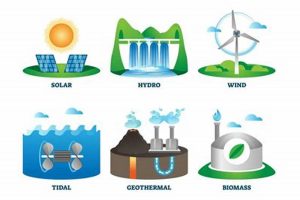
Tip 4: Promote Diversification of Sources: Relying on a single sustainable energy source increases vulnerability to weather patterns or technological failures. A diversified portfolio that includes solar, wind, hydro, geothermal, and biomass is essential for stability.
Tip 5: Implement Carbon Pricing Mechanisms: Establishing a price on carbon emissions, through carbon taxes or cap-and-trade systems, incentivizes the shift away from fossil fuels and makes sustainable energy sources more economically competitive.
Tip 6: Streamline Permitting Processes: Complex and lengthy permitting processes can significantly delay sustainable energy projects. Governments should streamline these processes while maintaining environmental safeguards.
Tip 7: Invest in Education and Workforce Training:A skilled workforce is essential for designing, installing, maintaining, and operating sustainable energy systems. Investing in educational programs and vocational training is crucial for long-term success.
By implementing these strategies, stakeholders can optimize the potential of sustainable energy, leading to a more resilient, sustainable, and economically viable energy future.
The subsequent discussion will transition to analyzing the economic effects from embracing sustainble energy.
1. Reduced Emissions

The capacity to curtail emissions is a cornerstone advantage of renewable energy sources. The combustion of fossil fuels, a primary energy generation method for centuries, releases significant quantities of greenhouse gasses, including carbon dioxide, methane, and nitrous oxide. These emissions contribute directly to global warming and climate change, impacting ecosystems, human health, and economic stability. In contrast, renewable energy sources such as solar, wind, hydro, and geothermal generate electricity with minimal or no direct emissions during operation. Therefore, the substitution of fossil fuels with these alternatives leads to a substantial reduction in the overall carbon footprint associated with energy production.
The effects of emission reduction extend beyond mitigating climate change. Cleaner air and water quality are immediate benefits, leading to improved public health outcomes. For instance, decreased reliance on coal-fired power plants reduces the incidence of respiratory illnesses and related health complications in communities located near these facilities. Furthermore, reduced emissions lessen the severity of environmental problems like acid rain and smog, protecting ecosystems and infrastructure. The implementation of solar power in heavily polluted urban areas demonstrably decreases localized air pollution, fostering healthier environments for residents. Wind farms, strategically located away from densely populated zones, produce electricity without releasing harmful pollutants into the atmosphere.
The practical significance of understanding the emission reduction potential of renewable energy lies in its ability to inform effective policy and investment decisions. Governments can implement regulations and incentives that favor renewable energy development, accelerating the transition away from fossil fuels. Businesses can incorporate sustainable energy practices into their operations, reducing their environmental impact and potentially realizing cost savings. Individuals can make informed choices about their energy consumption, supporting the growth of the renewable energy sector. While challenges related to intermittency and grid integration exist, the overriding benefit of emission reduction underscores the vital role of renewable energy in creating a sustainable and healthy future.
2. Resource Abundance

The inherent availability of renewable resources constitutes a primary advantage in the context of sustainable energy production. Unlike finite fossil fuels, renewable sources are naturally replenished, ensuring long-term energy security and reducing reliance on exhaustible reserves. This abundance translates into a multitude of benefits across environmental, economic, and geopolitical spheres.
- Ubiquitous Solar Energy
Solar radiation, a virtually inexhaustible energy source, is distributed globally, albeit with varying intensity. Solar photovoltaic (PV) technology converts sunlight directly into electricity, while solar thermal systems harness solar energy for heating purposes. The abundance of solar energy allows for distributed generation, empowering communities and individuals to produce their own power and reducing dependence on centralized grid infrastructure. The implications of this widespread availability include enhanced energy access in remote regions and the mitigation of transmission losses associated with long-distance power delivery.
- Persistent Wind Resources
Wind energy, driven by differential heating of the Earth’s surface and atmospheric pressure gradients, is a renewable resource readily available in many geographic locations. Wind turbines convert kinetic energy into electricity, providing a clean and sustainable power source. The abundance of wind resources enables large-scale wind farm development, contributing significantly to grid-scale electricity generation. The variability of wind speed necessitates energy storage solutions and grid modernization efforts to ensure reliable power supply. However, the sheer potential of wind energy as a renewable resource is undeniable.
- Reliable Hydropower Potential
Hydropower, derived from the energy of flowing water, has been a long-standing renewable energy source. Dams and reservoirs capture water flow, directing it through turbines to generate electricity. While hydropower projects can have environmental impacts, such as altering river ecosystems, they provide a reliable and controllable source of renewable energy. The abundance of water resources in many regions, combined with advancements in hydropower technology, ensures its continued contribution to the global energy mix.
- Geothermal Energy Accessibility
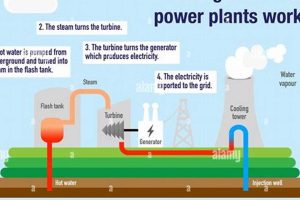
Geothermal energy, harnessed from the Earth’s internal heat, offers a consistent and reliable renewable resource. Geothermal power plants tap into underground reservoirs of hot water and steam to generate electricity. Geothermal heat pumps utilize the relatively constant temperature of the Earth’s subsurface for heating and cooling purposes. While geothermal resources are geographically limited, their abundance in certain regions provides a valuable source of baseload power and direct heating applications.
The pervasive presence of solar, wind, hydro, and geothermal resources underscores the considerable advantage of renewable energy sources. The ability to harness these naturally replenishing resources provides a pathway toward a sustainable energy future, reducing dependence on finite fossil fuels and mitigating the environmental impacts associated with their extraction and combustion. Optimizing the utilization of these abundant resources requires continued technological innovation, strategic policy implementation, and responsible environmental stewardship.
3. Energy Independence

Energy independence, defined as a nation’s ability to meet its energy needs from domestic resources, is intrinsically linked to the benefits of renewable energy sources. The proliferation of renewable energy technologies empowers nations to reduce their reliance on foreign energy imports, thereby enhancing national security, mitigating economic vulnerabilities, and promoting sustainable development. This connection arises from the geographically dispersed nature of renewable resources and the distributed generation capabilities they enable. Unlike fossil fuels, which are concentrated in specific regions, solar, wind, geothermal, and biomass resources are available in varying degrees across most countries. This widespread availability reduces the potential for geopolitical leverage and supply disruptions that can arise from dependence on foreign energy sources. For instance, nations heavily reliant on imported oil are susceptible to price fluctuations and political instability in oil-producing regions. By investing in domestic renewable energy infrastructure, these nations can insulate themselves from these external factors and stabilize their energy markets.
The transition to a renewable energy-based economy has direct implications for energy security. Germany’s Energiewende, or energy transition, provides a notable example. While facing challenges related to intermittency and grid integration, Germany’s aggressive deployment of solar and wind power has significantly reduced its dependence on imported natural gas from Russia. Similarly, countries like Iceland, which has abundant geothermal resources, have achieved near-total energy independence by harnessing these domestic resources for electricity generation and heating. The diversification of the energy mix, facilitated by renewable sources, strengthens a nation’s ability to withstand supply shocks and maintain a reliable energy supply during geopolitical crises. The economic benefits of energy independence extend beyond reduced import costs. The development and deployment of renewable energy technologies create domestic jobs in manufacturing, installation, maintenance, and research sectors. These industries contribute to economic growth and foster technological innovation, further strengthening a nation’s competitiveness in the global marketplace.
In summary, the pursuit of energy independence through the adoption of renewable energy sources offers a pathway toward a more secure, sustainable, and economically resilient future. While challenges related to grid modernization, energy storage, and policy implementation remain, the strategic importance of reducing dependence on foreign energy imports underscores the vital role of renewable energy in achieving national energy autonomy. The interconnectedness of energy independence with the multiple benefits of renewable energy positions them as critical components of a comprehensive energy strategy for nations seeking to secure their energy future.
4. Job Creation

The expansion of renewable energy industries represents a significant avenue for job creation, impacting various sectors and skill levels within the economy. This benefit is a core component of the broader advantages associated with the shift towards sustainable energy sources.
- Manufacturing and Production
The production of renewable energy components, such as solar panels, wind turbines, and geothermal equipment, generates employment opportunities in manufacturing facilities. These roles range from skilled technicians and engineers to assembly line workers. Investment in domestic manufacturing of these technologies stimulates local economies and reduces reliance on foreign suppliers.
- Installation and Construction
The deployment of renewable energy systems requires skilled labor for installation and construction. This includes electricians, construction workers, and specialized technicians responsible for setting up solar farms, wind farms, and geothermal plants. The geographically dispersed nature of renewable energy projects creates employment opportunities in rural and underserved areas.
- Maintenance and Operation
Renewable energy facilities require ongoing maintenance and operational support, creating long-term employment opportunities for technicians, engineers, and skilled laborers. These roles involve monitoring system performance, conducting repairs, and ensuring efficient energy production. The longevity of renewable energy infrastructure guarantees sustained demand for these services.
- Research and Development
Continued innovation in renewable energy technologies necessitates investment in research and development, creating opportunities for scientists, engineers, and researchers. These positions focus on improving the efficiency, cost-effectiveness, and reliability of renewable energy systems. Advancements in energy storage, grid integration, and materials science further drive demand for skilled professionals in this field.
The diverse range of employment opportunities fostered by renewable energy industries contributes significantly to economic growth and workforce development. This aligns with the broader benefits of transitioning to sustainable energy sources, including environmental protection, energy security, and reduced dependence on fossil fuels. The creation of green jobs is an integral component of a sustainable and resilient economy.
5. Decreased Costs

The declining costs associated with renewable energy technologies have become a crucial factor in their widespread adoption and a significant contributor to the benefits of sustainable energy sources. The economic viability of renewable energy projects now rivals, and in some cases surpasses, that of traditional fossil fuel-based power generation, driving investment and accelerating the transition to a cleaner energy future.
- Levelized Cost of Energy (LCOE) Reduction
The LCOE, a metric used to compare the cost of different energy sources over their lifespan, has decreased dramatically for solar and wind power in recent years. This reduction is attributable to technological advancements, economies of scale in manufacturing, and increased competition within the renewable energy sector. Lower LCOE values make renewable energy projects more attractive to investors and utilities, fostering greater deployment.
- Reduced Fuel Price Volatility
Unlike fossil fuels, renewable energy sources do not require ongoing fuel purchases, shielding them from price volatility and geopolitical instability. Once a renewable energy facility is constructed, its operating costs are relatively stable and predictable. This predictability provides long-term cost savings and reduces the risk associated with fluctuating fuel prices, benefiting both consumers and energy providers.
- Incentives and Subsidies
Government incentives, such as tax credits, feed-in tariffs, and renewable energy certificates, further reduce the upfront costs of renewable energy projects. These policies encourage investment in sustainable energy infrastructure and help to level the playing field with fossil fuels, which have historically benefited from subsidies. As renewable energy technologies become more competitive, the need for these incentives may diminish, further driving down costs.
- Grid Modernization and Efficiency Gains
Investments in grid modernization and smart grid technologies are improving the efficiency of electricity transmission and distribution, reducing energy losses and lowering overall costs. Smart grids enable better integration of renewable energy sources, optimizing their performance and reducing the need for costly upgrades to existing infrastructure. These efficiency gains contribute to lower energy prices for consumers.
The combination of these factors underscores the growing economic competitiveness of renewable energy sources. As technology continues to advance and deployment scales up, the costs of renewable energy are expected to decline further, solidifying their position as a cost-effective and sustainable alternative to fossil fuels. This economic advantage, coupled with the environmental and social benefits of renewable energy, makes it a cornerstone of a prosperous and sustainable future.
Frequently Asked Questions
The following section addresses common queries concerning the benefits of transitioning to renewable energy sources. It provides concise and factual answers to enhance understanding.
Question 1: Are renewable energy sources truly reliable given their intermittent nature?
While some renewable energy sources, such as solar and wind, exhibit variability, advancements in energy storage solutions and grid management technologies are improving reliability. Diversification of renewable energy sources and strategic grid integration further mitigate intermittency challenges.
Question 2: Do renewable energy projects have negative environmental impacts?
While some renewable energy projects, such as large-scale hydropower dams, can have environmental consequences, these are generally less severe than those associated with fossil fuel extraction and combustion. Careful planning and environmental impact assessments can minimize potential negative effects.
Question 3: Are renewable energy technologies economically competitive with fossil fuels?
The Levelized Cost of Energy (LCOE) for many renewable energy technologies, particularly solar and wind, has decreased significantly, making them cost-competitive with fossil fuels in many regions. Government incentives and declining technology costs further enhance their economic viability.
Question 4: Can renewable energy sources provide baseload power?
Geothermal and biomass energy sources can provide consistent baseload power. While solar and wind are intermittent, energy storage technologies and grid management strategies can enhance their capacity to contribute to baseload power needs.
Question 5: What are the primary barriers to wider adoption of renewable energy sources?
Key barriers include the upfront costs of some technologies, the need for grid modernization to accommodate variable energy flows, and policy and regulatory frameworks that may not fully support renewable energy development. Overcoming these barriers requires strategic investment and policy reform.
Question 6: How do renewable energy sources contribute to energy security?
By utilizing domestic resources, renewable energy sources reduce dependence on foreign fuel imports, enhancing national energy security and mitigating the risks associated with geopolitical instability. Diversification of the energy mix further strengthens energy security.
These answers provide a comprehensive overview of sustainable energy. Recognizing these points is crucial for anyone looking to invest in more sustainable resources.
The subsequent section will discuss future trends in sustainbale energy.
Conclusion
The preceding analysis has illuminated the comprehensive benefits inherent in “pros of renewable energy sources”. Mitigation of emissions, resource abundance, the potential for energy independence, job creation, and diminishing costs collectively position renewable energy as a cornerstone of a sustainable and secure energy future.
Strategic investment, technological innovation, and policy implementation remain paramount to fully realize the transformative potential of these energy sources. The continued transition to renewable energy constitutes a critical imperative for environmental preservation, economic prosperity, and global stability, demanding sustained commitment from stakeholders across all sectors.