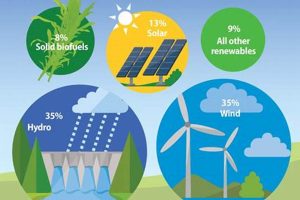
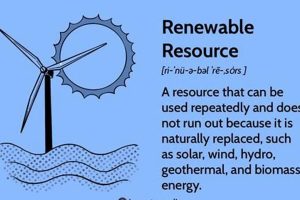
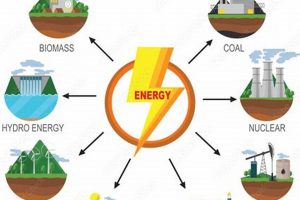
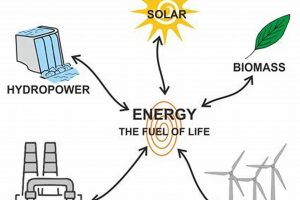
The imperative to transition toward energy generation methods that can be replenished naturally and are sustainable over the long term stems from pressing global challenges. These methods offer an alternative to finite resources like fossil fuels, which are subject to depletion. Solar, wind, hydro, geothermal, and biomass represent examples of energy sources that are constantly replenished by natural processes.
Adopting sustainable power generation confers substantial environmental, economic, and social advantages. Environmental benefits encompass the mitigation of greenhouse gas emissions, a reduction in air and water pollution, and the preservation of ecosystems. Economically, these sources can foster energy independence, create new employment opportunities in the green sector, and stabilize energy prices. Socially, they contribute to improved public health, enhanced energy access in remote areas, and a more equitable distribution of resources.
The ensuing discussion will delve into the specific advantages of these energy alternatives, their role in mitigating climate change, their contribution to economic diversification, and their potential to enhance energy security for nations worldwide. This exploration underscores the critical nature of transitioning away from reliance on fossil fuels towards cleaner, more sustainable energy paradigms.
Effective strategies are essential for promoting widespread adoption of energy alternatives and maximizing their benefits.
Tip 1: Prioritize Policy and Regulatory Frameworks: Governments should establish clear, long-term policies that incentivize investment in renewable energy projects. This includes implementing carbon pricing mechanisms, setting renewable energy targets, and streamlining permitting processes.
Tip 2: Invest in Research and Development: Continued innovation is crucial for improving the efficiency and reducing the cost of technologies. Public and private sector funding should support research into advanced materials, energy storage solutions, and smart grid technologies.
Tip 3: Enhance Grid Infrastructure: Modernizing the existing grid is necessary to accommodate the variable nature of some renewable energy sources, such as solar and wind. Investments in transmission lines, smart grids, and energy storage systems are vital.
Tip 4: Promote Public Awareness and Education: Educating the public about the benefits of sustainable energy and dispelling misconceptions is key to gaining widespread support. Public awareness campaigns and educational programs can foster a greater understanding of energy issues.
Tip 5: Foster International Collaboration: Sharing knowledge, best practices, and technologies across borders can accelerate the global transition. International partnerships can facilitate the development and deployment of renewable energy projects in developing countries.
Tip 6: Support Community-Based Projects: Decentralized energy systems, such as community solar farms and microgrids, can improve energy access and resilience in underserved communities. Governments and organizations should support the development of these projects through funding and technical assistance.
Widespread adoption of these strategies will expedite the transition to a more sustainable and resilient energy future, promoting environmental stewardship, economic prosperity, and social well-being.
These approaches provide a comprehensive framework for stakeholders to navigate the complexities of transitioning to alternative energy sources and achieving long-term energy sustainability.
1. Environmental Preservation

The connection between environmental preservation and the global shift towards replenishable energy sources is fundamental. The pursuit of sustainability hinges upon mitigating the adverse impacts of conventional energy generation, primarily fossil fuels, on the Earth’s ecosystems and natural resources. Renewable energy offers a pathway to minimize these impacts, fostering a healthier planet for present and future generations.
- Reduced Greenhouse Gas Emissions
Conventional energy sources, particularly coal and natural gas, release significant quantities of greenhouse gases into the atmosphere, contributing to climate change. Solar, wind, and hydroelectric power generation produce minimal or no greenhouse gas emissions during operation, thereby lessening the human contribution to global warming and its associated consequences, such as rising sea levels and extreme weather events.
- Minimized Air and Water Pollution
Fossil fuel extraction and combustion release pollutants that degrade air and water quality, posing risks to human health and ecosystems. Coal-fired power plants, for instance, emit particulate matter, sulfur dioxide, and nitrogen oxides, which contribute to respiratory problems and acid rain. Renewable energy installations, with the exception of some biomass facilities, generally have far lower emissions, leading to cleaner air and water resources.
- Habitat Protection and Biodiversity Conservation
The extraction and transportation of fossil fuels can disrupt habitats and threaten biodiversity. Oil spills, mountaintop removal coal mining, and pipeline construction can fragment ecosystems and displace wildlife. Renewable energy projects, if properly sited and managed, can have a smaller footprint on the landscape, minimizing habitat loss and promoting biodiversity conservation. For example, offshore wind farms can create artificial reefs that support marine life.
- Sustainable Resource Management
Fossil fuels are finite resources that will eventually be depleted. Their extraction and use often lead to environmental degradation and resource depletion. Renewable energy sources, on the other hand, are naturally replenished, offering a sustainable alternative that reduces reliance on finite resources and promotes long-term resource management. This includes water conservation, as some renewable technologies require less water than conventional power plants.
The facets detailed above illustrate how the embrace of renewable energy sources is inextricably linked to environmental preservation. By transitioning to cleaner, more sustainable energy production methods, humanity can mitigate the environmental impacts of its energy consumption, safeguarding ecosystems, conserving natural resources, and securing a healthier planet for future generations. The continued development and deployment of renewable energy technologies are vital for achieving environmental sustainability on a global scale.
2. Climate Change Mitigation

The deployment of renewable energy sources is a crucial component of climate change mitigation strategies. The causal relationship between greenhouse gas emissions from fossil fuel combustion and global warming is well-established. Renewable energy technologies, such as solar, wind, hydro, and geothermal, offer alternatives that generate electricity with significantly lower or zero direct emissions during operation. Climate change mitigation is inherently linked to the rationale for transitioning to renewable energy. Reducing the atmospheric concentration of greenhouse gases, particularly carbon dioxide, is essential to limit the extent of global temperature increase and associated adverse effects.
Examples of successful implementation highlight the practical significance. Germany’s Energiewende initiative, while facing challenges, has demonstrated the potential for a large industrialized nation to integrate substantial amounts of renewable energy into its electricity grid. Similarly, countries like Iceland, with abundant geothermal resources, have achieved near-total reliance on renewable energy for electricity and heating. The cost-effectiveness of renewable energy technologies is also improving rapidly, making them increasingly competitive with fossil fuels in many markets. Solar photovoltaic (PV) costs, for instance, have decreased dramatically over the past decade, enabling wider adoption and reducing reliance on carbon-intensive energy sources.
In summary, renewable energy sources are critical for mitigating climate change by reducing greenhouse gas emissions and fostering a transition toward a low-carbon energy system. While challenges remain, including intermittency and grid integration, ongoing technological advancements, supportive policies, and international cooperation are paving the way for a more sustainable energy future. The practical implications of understanding this connection lie in prioritizing investments in renewable energy infrastructure, implementing policies that incentivize the adoption of clean energy, and promoting research and development to further enhance the efficiency and affordability of renewable energy technologies.
3. Economic Growth Potential

The correlation between renewable energy sources and economic growth is characterized by multifaceted benefits spanning job creation, technological innovation, and regional economic stimulus. The expansion of renewable energy industries generates employment opportunities across diverse sectors, including manufacturing, installation, maintenance, and research. Investments in renewable energy projects trigger a ripple effect, stimulating local economies through increased demand for goods and services. Furthermore, the development and deployment of advanced energy technologies fosters innovation, enhancing competitiveness and driving economic diversification.
Illustrative examples underscore the economic advantages associated with renewable energy. Germany’s early investments in solar and wind power fostered a thriving renewable energy sector, creating thousands of jobs and positioning the nation as a global leader in clean energy technologies. Similarly, regions with abundant wind or solar resources, such as the American Midwest and Southwest, have experienced significant economic growth driven by renewable energy development. The declining cost of renewable energy technologies, particularly solar and wind, enhances their economic viability, making them increasingly attractive investment opportunities.
In conclusion, the economic growth potential inherent in renewable energy sources is a critical determinant of their overall importance. The ability to stimulate job creation, foster innovation, and drive regional economic development underscores the strategic value of renewable energy investments. Overcoming challenges, such as grid integration and intermittency, requires sustained policy support and technological advancements. However, the long-term economic benefits of transitioning to a renewable energy-based economy are substantial, contributing to sustainable prosperity and enhanced global competitiveness.
4. Energy Security Improvement

The enhancement of energy security constitutes a primary impetus for the global transition to renewable energy sources. National reliance on imported fossil fuels exposes economies to price volatility, geopolitical instability, and potential supply disruptions. Renewable energy, derived from indigenous resources like solar, wind, hydro, and geothermal, offers a pathway to greater energy independence and reduced vulnerability to external energy market fluctuations. This localized generation capacity strengthens national sovereignty and fosters greater economic stability.
Real-world examples demonstrate the practical benefits of this approach. Denmark, a country with limited fossil fuel reserves, has invested heavily in wind energy, achieving a significant degree of energy independence and reducing its reliance on imported natural gas. Similarly, Brazil’s utilization of sugarcane-based ethanol as a transportation fuel has lessened its dependence on imported oil, bolstering its energy security. The diversification of energy sources through renewable energy deployment mitigates the risks associated with over-reliance on a single fuel type or a limited number of suppliers. Furthermore, distributed generation systems, such as rooftop solar panels, enhance grid resilience by reducing the strain on centralized power plants and transmission infrastructure.
In summary, the link between energy security improvement and the imperative for renewable energy adoption is demonstrably clear. By harnessing domestic renewable resources, nations can reduce their vulnerability to external energy market shocks, enhance their energy independence, and strengthen their overall economic stability. While challenges related to grid integration and intermittency persist, the long-term benefits of improved energy security outweigh these concerns, making renewable energy a strategic imperative for national prosperity and resilience.
5. Public Health Enhancement

The transition to renewable energy sources is intrinsically linked to improvements in public health. Traditional energy generation methods, particularly those reliant on fossil fuels, contribute significantly to air and water pollution, leading to a range of adverse health outcomes. The deployment of cleaner energy alternatives offers a means to mitigate these health risks and promote overall well-being.
- Reduced Respiratory Illnesses
Fossil fuel combustion releases particulate matter, nitrogen oxides, and sulfur dioxide into the atmosphere, all of which are known respiratory irritants. Exposure to these pollutants can exacerbate asthma, bronchitis, and other respiratory conditions, particularly among vulnerable populations such as children and the elderly. Renewable energy sources, with the exception of some biomass facilities, produce minimal or no air pollutants, thereby reducing the incidence and severity of respiratory illnesses.
- Decreased Cardiovascular Diseases
Air pollution is also associated with an increased risk of cardiovascular diseases, including heart attacks, strokes, and arrhythmias. Fine particulate matter can penetrate deep into the lungs and bloodstream, triggering inflammation and oxidative stress that damage the cardiovascular system. The reduction in air pollution achieved through renewable energy adoption contributes to improved cardiovascular health outcomes.
- Lower Cancer Rates
Exposure to certain air pollutants, such as benzene and formaldehyde, which are released during fossil fuel extraction and combustion, has been linked to an increased risk of cancer. Renewable energy sources, by reducing the emission of these carcinogenic substances, can contribute to lower cancer rates over time.
- Improved Water Quality and Reduced Waterborne Diseases
Fossil fuel extraction and processing can contaminate water resources with pollutants such as heavy metals and toxic chemicals. The use of renewable energy technologies, such as solar and wind power, which require minimal water for operation, can reduce the demand on water resources and minimize the risk of water pollution, leading to improved water quality and a reduction in waterborne diseases.
These facets illustrate the profound impact that renewable energy adoption can have on public health. By reducing air and water pollution, minimizing exposure to carcinogenic substances, and conserving water resources, renewable energy sources contribute to a healthier environment and improved well-being for communities worldwide. The integration of public health considerations into energy policy decisions is essential for maximizing the benefits of the transition to a clean energy future.
6. Resource Depletion Reduction

The reduction of resource depletion is a central tenet in the argument for renewable energy sources. Fossil fuelscoal, oil, and natural gasare finite resources formed over millions of years. Their extraction and consumption occur at rates far exceeding their natural replenishment, leading to their progressive depletion. This unsustainable pattern raises concerns about long-term energy availability and the ecological consequences of extraction. Renewable energy sources, conversely, are derived from naturally replenishing flows such as solar radiation, wind currents, flowing water, and geothermal heat. These resources are, for all practical purposes, inexhaustible on human timescales, offering a viable alternative to the unsustainable exploitation of finite fossil fuel reserves. The shift towards renewable energy represents a fundamental shift from a depletion-based energy model to a sustainable one.
The importance of resource depletion reduction extends beyond mere resource availability. The extraction of fossil fuels carries significant environmental burdens, including habitat destruction from mining, water contamination from fracking, and the release of greenhouse gases during combustion. Transitioning to renewable energy alleviates these environmental pressures by reducing the need for resource extraction and minimizing pollution. For example, solar and wind energy installations require minimal ongoing resource input beyond the initial manufacturing and construction phases. Furthermore, the diversification of energy sources through renewable energy reduces reliance on geographically concentrated fossil fuel reserves, mitigating the risks associated with geopolitical instability and supply disruptions. Nations that invest in renewable energy enhance their long-term energy security and reduce their vulnerability to volatile global energy markets.
In summary, the imperative to reduce resource depletion provides a compelling justification for the widespread adoption of renewable energy sources. The shift from finite fossil fuels to renewable resources represents a transition towards a more sustainable and secure energy future. While challenges related to intermittency and grid integration remain, the long-term benefits of resource preservation, environmental protection, and enhanced energy security underscore the critical role of renewable energy in achieving a sustainable global energy system. Prioritizing investments in renewable energy technologies and implementing supportive policies are essential steps towards mitigating resource depletion and safeguarding future energy supplies.
Frequently Asked Questions
The following addresses common queries regarding the necessity and impact of renewable energy implementation.
Question 1: Why is transitioning to renewable energy essential when fossil fuels are currently more affordable in some markets?
The long-term costs associated with fossil fuels, including environmental damage, healthcare expenses related to pollution, and geopolitical instability, are not fully reflected in their market price. Renewable energy sources offer a hedge against volatile fossil fuel prices, reduce environmental burdens, and enhance energy security, making them a strategically sound investment despite potential upfront cost differences.
Question 2: How can intermittent renewable energy sources, such as solar and wind, reliably meet baseload power demands?
Addressing intermittency involves a multi-faceted approach, including improved energy storage technologies (e.g., batteries, pumped hydro), smart grid infrastructure to balance supply and demand, geographically dispersed renewable energy installations to diversify generation sources, and the integration of dispatchable renewable resources (e.g., geothermal, biomass) and demand-side management strategies.
Question 3: What are the environmental impacts associated with the manufacturing and disposal of renewable energy technologies, such as solar panels and wind turbines?
The environmental footprint of renewable energy technologies is significantly lower than that of fossil fuels, but it is not negligible. Efforts are underway to improve the sustainability of manufacturing processes, enhance material recycling and reuse, and minimize the use of hazardous materials. Life cycle assessments are crucial for evaluating the overall environmental impact and identifying areas for improvement.
Question 4: How do renewable energy projects affect land use and wildlife habitats?
Renewable energy projects can have land-use impacts, particularly large-scale solar and wind farms. Careful site selection, environmental impact assessments, and mitigation measures are essential to minimize habitat disruption and protect wildlife. Strategies such as co-locating renewable energy facilities on degraded lands or incorporating wildlife-friendly designs can help mitigate these impacts.
Question 5: What are the potential economic benefits for developing countries in adopting renewable energy technologies?
Renewable energy can provide affordable and reliable electricity access to underserved communities in developing countries, fostering economic development and improving living standards. It can also create new jobs and industries, promote energy independence, and reduce reliance on expensive fossil fuel imports. Decentralized renewable energy systems, such as microgrids, can be particularly beneficial for remote areas lacking grid infrastructure.
Question 6: How do government policies and regulations influence the adoption of renewable energy sources?
Government policies play a pivotal role in accelerating the transition to renewable energy. Effective policies include feed-in tariffs, renewable portfolio standards, carbon pricing mechanisms, tax incentives, and streamlined permitting processes. Long-term policy certainty is crucial for attracting investment and fostering innovation in the renewable energy sector.
These answers address key concerns regarding renewable energy’s feasibility, environmental consequences, economic impacts, and policy influence, underscoring its critical role in building a sustainable energy future.
The subsequent section will delve into the future prospects of renewable energy and the innovations shaping its trajectory.
The Enduring Significance of Renewable Energy Sources
This exploration has underscored the multifaceted importance of why renewable energy sources are important for global sustainability. The transition away from fossil fuels is driven by the imperative to mitigate climate change, preserve environmental integrity, enhance energy security, promote public health, and reduce resource depletion. These interconnected benefits establish a compelling case for prioritizing renewable energy development and deployment.
The ongoing shift towards renewable energy represents a fundamental transformation of the global energy landscape. Continued innovation, supportive policies, and strategic investments are essential to realizing the full potential of renewable energy sources. A commitment to this transition is crucial for securing a sustainable, resilient, and equitable energy future for generations to come.