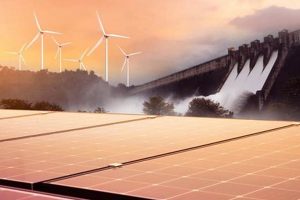
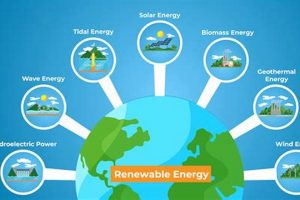
The practical application of clean power technologies involves a multifaceted process of planning, development, and deployment. This encompasses the transformation of concepts and strategies into tangible energy infrastructure, such as solar farms, wind turbine installations, and geothermal power plants. An example of this is the construction of a utility-scale solar project that provides electricity to a regional grid.
The strategic utilization of clean and sustainable power generation methods is vital for mitigating climate change, enhancing energy security, and fostering economic growth. Historically, societies have relied heavily on fossil fuels, leading to environmental degradation. Moving toward these cleaner methods offers a path toward reduced carbon emissions, greater independence from volatile fuel markets, and the creation of new industries and employment opportunities in the green economy.
This examination will delve into various aspects of successfully adopting sustainable energy solutions. It will encompass policy frameworks, technological advancements, financial mechanisms, and societal considerations that influence the widespread adoption of these important energy alternatives.
Strategic Guidance for Renewable Energy Integration
Successful integration of sustainable energy solutions requires a multi-faceted approach. The following guidance aims to provide practical insights for effective planning and execution.
Tip 1: Establish Clear Policy Frameworks: Governments must enact consistent and predictable policies. These policies might include feed-in tariffs, renewable portfolio standards, and tax incentives to encourage investment and development.
Tip 2: Invest in Grid Modernization: Renewable energy sources, such as solar and wind, are intermittent. Modernizing grid infrastructure to accommodate fluctuating power generation is critical. This involves upgrading transmission lines, deploying smart grid technologies, and implementing energy storage solutions.
Tip 3: Promote Public-Private Partnerships: Collaboration between the public and private sectors can leverage resources and expertise. Governments can provide regulatory support and financial incentives, while private companies can bring technological innovation and project management skills.
Tip 4: Conduct Thorough Resource Assessments: Before initiating any project, comprehensive assessments of renewable energy resources are essential. This includes evaluating solar irradiance, wind speeds, geothermal potential, and biomass availability to ensure project viability.
Tip 5: Prioritize Community Engagement: Gaining community support is crucial for successful project deployment. Engaging with local stakeholders early in the planning process can address concerns, foster acceptance, and ensure projects align with community needs.
Tip 6: Focus on Workforce Development: A skilled workforce is necessary to support the expanding renewable energy sector. Investing in education and training programs can equip workers with the knowledge and skills needed to design, install, maintain, and operate renewable energy systems.
Tip 7: Streamline Permitting Processes: Complex and time-consuming permitting processes can hinder project progress. Governments should streamline these processes by establishing clear timelines, coordinating regulatory agencies, and providing technical assistance to developers.
Implementing these strategic tips enhances the feasibility and overall success of initiatives aimed at using cleaner, sustainable energy. This approach is vital for environmental protection, economic advancement, and energy security.
The application of these strategic guidelines represents a commitment to a sustainable energy future, paving the way for reduced carbon footprints and a more resilient global energy landscape.
1. Policy Framework

A supportive policy framework is a foundational element for the successful application of sustainable energy solutions. These frameworks, established by governmental bodies, create the conditions necessary for the investment, development, and deployment of renewable energy technologies. The presence of clear, stable, and economically sound policies directly influences the rate at which renewable energy sources are integrated into existing energy systems. For instance, the implementation of feed-in tariffs in Germany led to a significant increase in solar power capacity by guaranteeing producers a fixed price for the electricity they supplied to the grid. This demonstrates how a well-designed policy can act as a catalyst for growth in the renewable energy sector.
Beyond direct financial incentives, regulatory policies that mandate renewable energy targets, such as Renewable Portfolio Standards (RPS), are critical. These standards require utilities to source a certain percentage of their electricity from renewable sources, thereby creating a guaranteed market for renewable energy producers. Furthermore, policies addressing permitting processes, environmental regulations, and land use restrictions can significantly impact the cost and timeline of renewable energy projects. Streamlined and transparent processes can reduce bureaucratic hurdles and attract investment. Conversely, complex and unpredictable regulations can deter investment and slow project development.
The efficacy of any policy framework hinges on its long-term stability and credibility. Investors require assurance that policies will remain consistent over time, allowing them to make informed decisions about long-term investments. Abrupt changes or uncertainties in policy can create market volatility and undermine investor confidence. Consequently, a robust, consistently applied policy framework serves as the cornerstone for driving sustainable energy advancement and facilitating the transition towards a cleaner energy future. Countries with well-defined and stable policies consistently demonstrate higher rates of renewable energy deployment, underlining the practical significance of this connection.
2. Grid Integration

The effective introduction of sustainable energy solutions into existing power infrastructure hinges critically on grid integration. The capacity of electrical grids to accommodate variable and geographically dispersed renewable energy sources directly impacts the feasibility and scalability of these implementations.
- Intermittency Management
Many renewable energy sources, such as solar and wind, are intermittent, meaning their output fluctuates depending on weather conditions. Grid integration strategies must address this variability to maintain a stable and reliable power supply. This may involve forecasting techniques, dispatchable generation sources, or energy storage solutions like batteries or pumped hydro. Without effective intermittency management, the increased reliance on sustainable energy solutions could compromise grid stability.
- Infrastructure Upgrades
Existing power grids were primarily designed for centralized generation from fossil fuel plants. Integrating renewable energy sources often requires significant upgrades to transmission and distribution infrastructure. This includes expanding transmission lines to connect remote renewable energy projects, deploying smart grid technologies to improve grid monitoring and control, and upgrading substations to accommodate bidirectional power flow. Failure to invest in necessary infrastructure upgrades can limit the amount of sustainable energy solutions that can be integrated into the grid.
- Smart Grid Technologies
Smart grid technologies play a crucial role in facilitating the integration of renewable energy sources. These technologies include advanced metering infrastructure (AMI), which provides real-time data on energy consumption and production; demand response programs, which incentivize consumers to adjust their energy usage based on grid conditions; and advanced sensors and controls, which enable more efficient grid management. Smart grid technologies enhance grid flexibility and resilience, allowing for a greater penetration of sustainable energy solutions.
- Energy Storage Solutions
Energy storage technologies, such as batteries, pumped hydro storage, and compressed air energy storage, are becoming increasingly important for enabling the widespread integration of renewable energy sources. These technologies can store excess energy generated during periods of high renewable energy production and release it during periods of low production, helping to balance supply and demand and improve grid stability. As energy storage technologies become more cost-effective, they will play an increasingly vital role in supporting the transition to a cleaner energy system.
The successful incorporation of sustainable energy solutions is therefore inextricably linked to advances and investment in grid infrastructure and management technologies. Overcoming the challenges associated with grid integration is essential for unlocking the full potential of sustainable energy solutions and achieving a sustainable energy future.
3. Financial Viability

Financial viability is a crucial determinant in the successful application of sustainable energy solutions. Without economic justification, even the most environmentally beneficial technologies struggle to gain traction. The cost-effectiveness of sustainable energy sources relative to traditional fossil fuels directly influences investment decisions, project development, and ultimately, widespread adoption. For example, the initial high costs of solar photovoltaic (PV) technology presented a significant barrier to its widespread use. However, as manufacturing processes improved and economies of scale were achieved, the price of solar PV decreased dramatically, making it a competitive energy source in many regions. This demonstrates a clear cause-and-effect relationship between decreased costs and increased implementation.
The assessment of financial viability often involves a comprehensive analysis of factors such as capital costs, operating expenses, fuel costs (if applicable), and revenue streams. These factors are then used to calculate financial metrics like the levelized cost of energy (LCOE), net present value (NPV), and internal rate of return (IRR). Projects with favorable financial metrics are more likely to attract investment from both public and private sources. Government incentives, such as tax credits, subsidies, and feed-in tariffs, can play a critical role in improving the financial viability of sustainable energy projects, particularly in their early stages. Denmark’s early adoption of wind power was significantly aided by government subsidies and favorable regulatory policies that made wind energy projects economically attractive to investors.
In conclusion, financial viability is not merely a desirable attribute but a fundamental requirement for the large-scale implementation of sustainable energy solutions. Overcoming the economic barriers to sustainable energy implementation necessitates continuous innovation, policy support, and strategic investment. Achieving economies of scale, reducing technological costs, and creating supportive financial mechanisms are essential for accelerating the transition to a cleaner, more sustainable energy future. As technological advancements and policy frameworks continue to drive down costs and improve returns, sustainable energy sources are poised to become increasingly competitive and contribute significantly to global energy needs.
4. Technological Maturity
The degree of refinement and proven reliability of a renewable energy technology is directly proportional to its successful application. Immature technologies, despite potential theoretical advantages, often face practical challenges that hinder widespread adoption. These challenges can include high costs, inconsistent performance, or unresolved technical issues that lead to operational disruptions. The implementation rate of solar photovoltaic (PV) systems, for example, sharply increased as the technology matured, manufacturing processes became more efficient, and the lifespan and reliability of solar panels improved. This maturity directly translated into reduced costs and increased investor confidence, driving broader deployment. Conversely, emerging technologies, such as certain types of advanced geothermal systems, are still undergoing significant research and development, resulting in limited large-scale application due to unresolved technical hurdles and economic uncertainties.
Technological maturity influences the entire lifecycle of a renewable energy project, from initial design and planning to long-term operation and maintenance. Mature technologies benefit from established supply chains, standardized components, and readily available expertise, simplifying project development and reducing associated risks. For instance, wind turbine technology has reached a level of maturity that allows for efficient large-scale deployment in suitable geographic locations. Standardized designs, readily available maintenance services, and established performance metrics contribute to the predictability and reliability of wind energy projects, making them attractive to investors and utilities. Furthermore, government policies and regulatory frameworks often favor technologies with proven track records, further reinforcing the link between maturity and implementation success. This is evident in the preferential treatment given to established wind and solar technologies in many renewable energy incentive programs.
In summation, technological maturity is an indispensable component in the expansion of clean power generation. While innovation is essential for future advancements, the current reliance on clean energy solutions is significantly dependent on the proven performance and reliability of existing technologies. Continued investment in research and development, coupled with rigorous testing and validation, is necessary to advance the maturity of emerging clean energy technologies and unlock their potential for widespread deployment. Overcoming the technological barriers to implementation, therefore, remains a critical focus for accelerating the transition to a sustainable energy future.
5. Social Acceptance

The degree of public and community support directly influences the viability and pace of sustainable energy solutions deployment. Gaining social acceptance is not merely a desirable ancillary outcome, but a critical component that can determine the success or failure of renewable energy projects. A lack of community buy-in can lead to project delays, increased costs, and even outright abandonment, regardless of the technological or economic merits of a given initiative. For example, proposed wind farm projects in areas with strong community opposition have often faced significant legal challenges and prolonged permitting processes, substantially hindering their implementation. This demonstrates the direct causal relationship between social acceptance and project feasibility.
The importance of social acceptance stems from several factors. Firstly, renewable energy projects often require land use changes that can impact local communities. These changes might involve the construction of wind turbines, solar farms, or transmission lines, which can alter landscapes, affect property values, and raise concerns about noise, visual impact, and potential environmental effects. Secondly, effective engagement is vital, because failing to address public concerns proactively can result in the spread of misinformation and the formation of opposition groups. Finally, a sense of ownership and benefit within the community is necessary to secure long-term support. Some renewable energy projects involve community ownership models, where local residents have a financial stake in the project and share in the profits. This approach fosters a sense of shared responsibility and can significantly increase social acceptance. Community benefit agreements, where developers commit to providing specific benefits to the local community, such as funding for local infrastructure or job training programs, can also be effective in building support.
In conclusion, understanding the connection between social acceptance and the application of sustainable energy solutions is essential for effective project planning and implementation. Actively engaging with communities, addressing concerns transparently, and creating opportunities for local participation are critical steps in fostering social acceptance. By prioritizing community engagement and demonstrating the tangible benefits of renewable energy projects, stakeholders can pave the way for a more sustainable and socially acceptable energy future. Ignoring social acceptance can have significant and detrimental effects on project outcomes and the broader transition to cleaner energy sources.
Frequently Asked Questions Regarding the Practical Application of Clean Power Technologies
This section addresses common inquiries and concerns surrounding the integration of renewable energy sources into existing energy infrastructures.
Question 1: What are the primary obstacles hindering the widespread integration of intermittent power sources, such as solar and wind?
The variability inherent in solar and wind power presents significant challenges. Maintaining grid stability requires robust forecasting capabilities, flexible generation resources, and advanced energy storage solutions.
Question 2: How does policy impact the financial viability of renewable energy projects?
Governmental policies, including tax incentives, feed-in tariffs, and renewable portfolio standards, can significantly enhance the financial attractiveness of sustainable energy projects, encouraging investment and deployment.
Question 3: What role does technological advancement play in improving the economic competitiveness of clean power?
Technological innovation leads to lower production costs, increased efficiency, and enhanced reliability, all of which contribute to making renewable energy sources more competitive with traditional fossil fuels.
Question 4: How can community engagement facilitate the deployment of renewable energy infrastructure?
Proactive community engagement, including transparent communication, addressing local concerns, and offering tangible benefits, fosters acceptance and reduces the risk of project delays or opposition.
Question 5: Why is upgrading existing grid infrastructure essential for integrating sustainable energy solutions?
Legacy power grids were not designed to accommodate the variable and distributed nature of renewable energy sources. Modernizing grid infrastructure, including transmission lines and smart grid technologies, is necessary for efficient integration.
Question 6: What mechanisms exist to ensure the long-term reliability and performance of renewable energy systems?
Stringent quality control standards, proactive maintenance protocols, and comprehensive performance monitoring are essential for maximizing the lifespan and efficiency of renewable energy systems.
The successful application of renewable energy technologies relies on a multifaceted approach that addresses both technical and socioeconomic considerations.
Further exploration will delve into specific regional examples of successful renewable energy projects.
Conclusion
This analysis has underscored the multifaceted nature of the implementation of renewable energy sources. Policy frameworks, grid integration, financial viability, technological maturity, and social acceptance are interconnected elements influencing successful deployment. A deficiency in any area can impede progress. Effective policy must incentivize investment while ensuring grid stability. Economic models must demonstrate long-term competitiveness. Technological advancements must translate to reliable and efficient operation. Community engagement must foster acceptance and minimize opposition. The absence of any one of these components jeopardizes the widespread adoption of clean power.
Therefore, ongoing diligence and a commitment to holistic strategies are paramount. Continued technological innovation, coupled with strategic policy initiatives and robust community engagement, will determine the pace and scale of renewable energy integration. The future of energy security and environmental sustainability hinges on a comprehensive and sustained effort to overcome the challenges inherent in the broad-scale implementation of renewable energy sources.