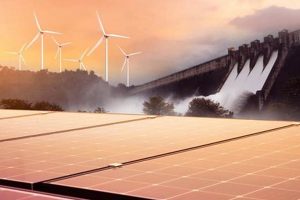
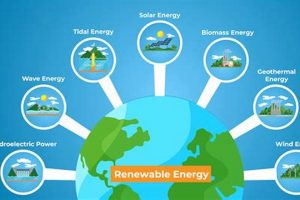
Clean power generation encompasses methods that produce electricity with minimal release of pollutants into the atmosphere. These approaches aim to diminish the negative environmental impacts associated with traditional fossil fuel-based energy production. Examples include solar power, which harnesses sunlight through photovoltaic cells, and wind energy, which utilizes wind turbines to convert kinetic energy into electricity. Geothermal energy, derived from the Earths internal heat, and hydropower, which uses the force of moving water, are also prominent examples. Biomass, when derived from sustainably managed sources, can also contribute to reduced emissions.
Adopting these methods is crucial for mitigating climate change and improving air quality. Transitioning to a cleaner energy economy enhances energy security by diversifying sources and reducing dependence on finite fossil fuel reserves. Furthermore, advancements in these fields drive innovation, creating new economic opportunities and jobs in manufacturing, installation, and maintenance. Historically, the development and deployment of cleaner technologies have been spurred by growing environmental awareness and supportive government policies that incentivize their adoption and penalize pollution.
The following sections will delve deeper into specific power generation technologies, exploring their mechanisms, advantages, and limitations. Furthermore, the discussion will address the challenges associated with integrating intermittent sources into the existing grid infrastructure and examine the economic and policy considerations driving the transition to a more sustainable energy future.
Deployment Strategies for Environmentally Sound Power Generation
Optimizing the integration and utilization of sources that minimize environmental impact requires careful planning and strategic implementation. The following points outline key considerations for effective deployment and management.
Tip 1: Prioritize Lifecycle Assessments: Evaluate the environmental footprint of each option, considering the entire lifecycle from resource extraction to decommissioning, not solely the operational emissions. This ensures a holistic understanding of environmental impact.
Tip 2: Optimize Grid Integration: Invest in smart grid technologies and energy storage solutions to manage the intermittent nature of some forms and maintain a stable and reliable electricity supply. This includes advanced forecasting and demand response programs.
Tip 3: Incentivize Research and Development: Support ongoing research and development efforts to improve the efficiency and cost-effectiveness of various methods. Innovation is crucial for driving down costs and enhancing performance.
Tip 4: Establish Supportive Policy Frameworks: Implement clear and consistent policies that incentivize adoption through tax credits, subsidies, and carbon pricing mechanisms. A stable policy environment encourages investment and innovation.
Tip 5: Promote Public Awareness and Education: Increase public understanding of the benefits and challenges associated with diverse generation technologies. Informed public support is essential for the widespread adoption and acceptance of new projects.
Tip 6: Foster International Collaboration: Encourage the sharing of best practices and technologies across borders to accelerate the global transition. This collaboration can lead to synergistic advancements and cost reductions.
Tip 7: Focus on Sustainable Resource Management: Ensure that resource extraction for technologies such as biomass and geothermal is conducted sustainably, minimizing environmental damage and promoting long-term resource availability.
Implementing these strategies can facilitate a more effective and equitable transition toward a sustainable energy future. Addressing the challenges associated with integration and fostering innovation are key to realizing the full potential of these power generation methods.
The subsequent sections will explore specific case studies and analyze the economic implications of transitioning to a energy economy, further informing decision-making and promoting a more sustainable energy future.
1. Renewable
The term “renewable” is inextricably linked to the discourse surrounding sources that minimize environmental impact. It forms a cornerstone in defining and understanding the characteristics of energy production methods that aim to reduce reliance on finite fossil fuels. Its fundamental nature and impact the role of “what are clean energy sources”.
- Resource Replenishment
Renewable resources are characterized by their ability to be naturally replenished within a human timescale. This means that their utilization does not deplete the resource base over time. Solar radiation, wind patterns, and flowing water are examples of resources that are continuously renewed by natural processes. This characteristic fundamentally distinguishes renewable sources from fossil fuels, which are finite and exhaustible.
- Sustainability and Long-Term Viability
The renewable aspect is critical for ensuring the long-term sustainability of energy systems. By relying on resources that are perpetually renewed, society can reduce its dependence on finite resources and minimize the environmental impact associated with extraction and combustion. This is essential for transitioning to a more sustainable energy economy and mitigating the effects of climate change.
- Diversification and Energy Security
Utilizing diverse renewable sources enhances energy security by reducing dependence on volatile global fossil fuel markets. Geographic distribution of renewable resources, such as solar irradiance and wind patterns, allows nations to diversify their energy portfolios. This diversification strengthens energy independence and reduces vulnerability to geopolitical disruptions.
- Environmental Impact Mitigation
The renewability of these methods contributes to mitigating environmental impacts, including greenhouse gas emissions and air pollution. Harnessing renewable energy resources results in substantially lower emissions compared to traditional fossil fuel-based generation. This reduced carbon footprint is essential for combating climate change and improving air quality.
The multifaceted benefits of renewable resources, encompassing resource replenishment, sustainability, energy security, and environmental impact mitigation, collectively underscore their vital role in defining and achieving the goals of energy production practices that reduce environmental harm. The incorporation of renewable energy is not simply an alternative but a necessity for establishing a sustainable and resilient energy future.
2. Sustainable
The concept of “sustainable” is inherently intertwined with the pursuit of energy solutions that minimize environmental impact. It represents a fundamental criterion by which the long-term viability and acceptability of sources are assessed.
- Resource Stewardship
Sustainable energy practices prioritize the responsible management of resources to ensure their availability for future generations. This entails avoiding the depletion of finite resources and minimizing the environmental impact of extraction, processing, and utilization. For example, sustainable forestry practices are essential when biomass is used for power generation, ensuring that forests are not over-harvested and that biodiversity is preserved.
- Minimizing Environmental Harm
A core tenet of sustainability is the reduction of environmental damage across the entire energy lifecycle. This includes minimizing greenhouse gas emissions, air and water pollution, and habitat destruction. Technologies such as wind power and solar photovoltaic systems are generally considered sustainable due to their low operational emissions and relatively small land footprint, compared to fossil fuel extraction and combustion.
- Economic Viability and Equity
Sustainable energy solutions must be economically viable and accessible to all members of society. This requires considering the affordability of new technologies, creating job opportunities in the clean energy sector, and ensuring that energy infrastructure is resilient and adaptable to changing environmental conditions. Sustainable energy projects often incorporate community engagement and benefit-sharing mechanisms to promote equitable access and development.
- Long-Term Resilience and Adaptability
Sustainable energy systems are designed to be resilient to external shocks, such as climate change impacts, geopolitical instability, and technological disruptions. This involves diversifying energy sources, investing in energy storage and grid modernization, and fostering innovation to adapt to future challenges. A sustainable approach also considers the decommissioning and recycling of energy infrastructure to minimize waste and resource depletion.
In summary, “sustainable” embodies a holistic approach to energy production that balances environmental, economic, and social considerations. By embracing sustainable principles, societies can transition to energy systems that not only reduce environmental impact but also promote long-term prosperity and well-being, which is the main component of “what are clean energy sources”.
3. Low-emission

The characteristic of being “low-emission” is a defining trait of approaches aimed at minimizing environmental impact, directly influencing their contribution to a cleaner power landscape. It signifies a substantial reduction in the release of pollutants and greenhouse gases compared to conventional fossil fuel-based technologies, positioning it as a critical factor in evaluating and promoting sustainable energy alternatives.
- Reduced Greenhouse Gas Footprint
A primary aspect is the significantly lower output of greenhouse gases, such as carbon dioxide and methane, during energy generation. Technologies like solar, wind, and hydroelectric power produce minimal or no greenhouse gas emissions during operation, mitigating their contribution to climate change. This contrasts sharply with coal and natural gas power plants, which are major sources of atmospheric pollutants.
- Diminished Air Pollutant Release
Beyond greenhouse gases, sources categorized as “low-emission” also release fewer harmful air pollutants, including sulfur oxides, nitrogen oxides, and particulate matter. These pollutants contribute to respiratory problems, smog, and acid rain. Wind and solar energy, in particular, do not produce these pollutants during operation, leading to improved air quality in surrounding areas. The production of solar panels does introduce some pollutants, but these are significantly lower than from burning fossil fuels.
- Life Cycle Emission Considerations
While operational emissions are a key factor, a comprehensive assessment also considers the entire lifecycle of energy technologies, including manufacturing, transportation, and disposal. Some sources require energy-intensive manufacturing processes, which can result in indirect emissions. For example, the production of solar panels and wind turbines requires significant energy input. However, lifecycle emissions are still generally lower than those associated with fossil fuels.
- Technological Advancements and Emission Reduction
Ongoing technological advancements are driving further reductions in emissions associated with a variety of power generation methods. Improvements in energy storage technologies, for example, can help integrate intermittent sources into the grid, reducing reliance on fossil fuel-based backup power. Carbon capture and storage technologies can also be implemented at fossil fuel power plants to reduce their greenhouse gas emissions, although these technologies are still under development and face challenges in terms of cost and scalability.
In summary, the attribute of being “low-emission” is fundamental to defining the value of energy alternatives. While lifecycle emissions must be considered, the substantial reduction in greenhouse gases and air pollutants associated with technologies such as solar, wind, and hydroelectric power makes them critical components of a sustainable energy future. Continued technological advancements will further enhance their emission profile, contributing to a cleaner and healthier environment. This makes “Low-emission” a crucial aspect in “what are clean energy sources”.
4. Resource Availability

The feasibility and scalability of energy alternatives are significantly determined by the accessibility and abundance of natural resources required for their operation. The geographical distribution and inherent variability of these resources exert a profound influence on the deployment and utilization of various approaches.
- Geographic Distribution and Potential
The potential of solar and wind energy is intrinsically linked to geographic location. Regions with high solar irradiance or consistent wind patterns are naturally better suited for harnessing these resources. For instance, the southwestern United States and the Sahara Desert possess immense potential for solar power generation, while coastal areas and plains are often ideal for wind farms. This uneven distribution necessitates regional planning and resource assessment to optimize deployment.
- Intermittency and Energy Storage
The intermittent nature of solar and wind energy poses a challenge that is directly related to resource availability. Sunlight is only available during the day, and wind speeds vary considerably. Energy storage technologies, such as batteries and pumped hydro storage, are essential for mitigating this intermittency and ensuring a reliable power supply. The development and deployment of cost-effective energy storage solutions are thus critical for harnessing the full potential of variable renewable resources.
- Material Resources for Technology Deployment
The manufacturing of components, such as solar panels, wind turbines, and batteries, requires significant quantities of raw materials, including lithium, cobalt, rare earth elements, and silicon. The availability and sourcing of these materials raise concerns about supply chain security and environmental impact. Sustainable extraction and recycling practices are essential for ensuring the long-term viability of these technologies. Furthermore, research into alternative materials and manufacturing processes can reduce reliance on scarce resources.
- Land Use Considerations
The deployment of technologies often requires significant land areas. Large-scale solar farms and wind farms can compete with other land uses, such as agriculture and conservation. Careful land use planning and community engagement are essential for minimizing conflicts and maximizing the benefits of energy projects. Innovative approaches, such as integrating solar panels into existing infrastructure or deploying offshore wind farms, can help reduce land use requirements.
In conclusion, the effective utilization of various power generation methods hinges on a comprehensive understanding of factors related to resource accessibility and distribution. Addressing the challenges associated with intermittency, material resource requirements, and land use is crucial for realizing the full potential of these approaches and transitioning to a sustainable energy future. Resource planning and technological innovation are therefore essential components of a successful energy strategy.
5. Technological advancement

Technological advancement is a critical driver in the evolution and expansion of power generation methods that minimize environmental harm. It directly impacts efficiency, cost-effectiveness, and reliability, thereby influencing the widespread adoption of these approaches. Without continuous innovation, many energy sources would remain economically unviable or technically limited, hindering their contribution to a sustainable energy future. Example of this is the solar panels, their efficiency and cost has been improving year after year that makes it feasible to implement.
The development of more efficient solar photovoltaic cells, for example, has significantly reduced the cost per watt of solar power, making it increasingly competitive with fossil fuel-based electricity generation. Similarly, advancements in wind turbine technology have increased the capacity factor of wind farms, improving their output and reliability. Furthermore, breakthroughs in energy storage technologies, such as lithium-ion batteries and pumped hydro storage, are addressing the intermittency challenges associated with solar and wind power. These improvements are not isolated; they represent a systematic progression that enables broader integration of diverse methods into the existing grid infrastructure.
In conclusion, progress in technological capabilities is fundamental to unlocking the full potential of energy production approaches designed to minimize environmental damage. Continued investment in research and development, coupled with supportive policy frameworks, is essential for driving further innovation and accelerating the transition to a cleaner and more sustainable energy economy. By continually pushing the boundaries of what is technologically possible, nations can effectively address climate change and enhance energy security. Therefore, the study and analysis of progress in technical capabilities is a key aspect of ‘power generation methods that minimize environmental damage’ as a whole.
Frequently Asked Questions
The following section addresses common inquiries concerning energy alternatives that minimize environmental harm, providing concise and authoritative responses to clarify misconceptions and provide accurate information.
Question 1: Are energy production methods truly environmentally benign?
It is important to recognize that while designed to minimize environmental impact, most sources still have some impact, primarily during manufacturing, construction, and decommissioning. Lifecycle assessments are essential to quantify the totality of environmental effects. Efforts are consistently underway to reduce these impacts through sustainable practices.
Question 2: How does the intermittency of power generation impact grid reliability?
The inherent variability of solar and wind necessitates advanced grid management strategies. Energy storage solutions, improved forecasting techniques, and geographically diverse deployment are critical for maintaining grid stability. Without such mitigation efforts, over-reliance on intermittent sources can compromise grid reliability.
Question 3: Is energy affordable for all consumers?
The cost of energy production is a significant barrier to widespread adoption. While the levelized cost of electricity from sources has decreased substantially in recent years, upfront capital costs can still be prohibitive. Government incentives, financing mechanisms, and technological advancements are crucial for making these sources economically accessible.
Question 4: What are the primary obstacles to large-scale deployment?
Several challenges impede widespread deployment. These include policy and regulatory uncertainties, grid infrastructure limitations, and public acceptance concerns. Addressing these obstacles requires coordinated efforts by policymakers, industry stakeholders, and community members.
Question 5: How is energy storage enhancing the capabilities of power generation?
Energy storage technologies, such as batteries, pumped hydro, and thermal storage, play a crucial role in addressing the intermittency of solar and wind. Storage enables the decoupling of energy production from energy demand, enhancing grid stability and reducing reliance on fossil fuel-based backup generation.
Question 6: What role does international cooperation play in advancing the sources?
International collaboration is essential for accelerating the global energy transition. Sharing best practices, fostering technological innovation, and harmonizing policies can significantly enhance the effectiveness of efforts to minimize environmental harm and promote a sustainable energy future.
In conclusion, these FAQs illuminate key considerations surrounding energy production methods. By understanding these issues, stakeholders can make informed decisions and contribute to a more sustainable energy future.
The next section will explore case studies of successful implementations and analyze their impact on local communities and the environment.
Conclusion
The preceding analysis has explored the multifaceted nature of power generation alternatives that seek to minimize environmental damage. Key characteristics, including renewability, sustainability, low emissions, resource availability, and technological advancement, define these sources. The practical deployment of these approaches necessitates careful consideration of lifecycle impacts, grid integration challenges, and the economic viability of various technologies. Successfully navigating these complexities requires supportive policy frameworks, ongoing research and development, and public engagement to foster a widespread transition.
The ongoing shift toward cleaner energy sources represents a crucial undertaking for mitigating climate change and safeguarding the planet for future generations. While significant challenges remain in achieving widespread adoption and seamless integration, the continued advancement of technology and the growing global commitment to sustainability offer a promising outlook. A steadfast focus on innovation, responsible resource management, and collaborative efforts will be essential for realizing the full potential of cleaner power generation and achieving a truly sustainable energy future.